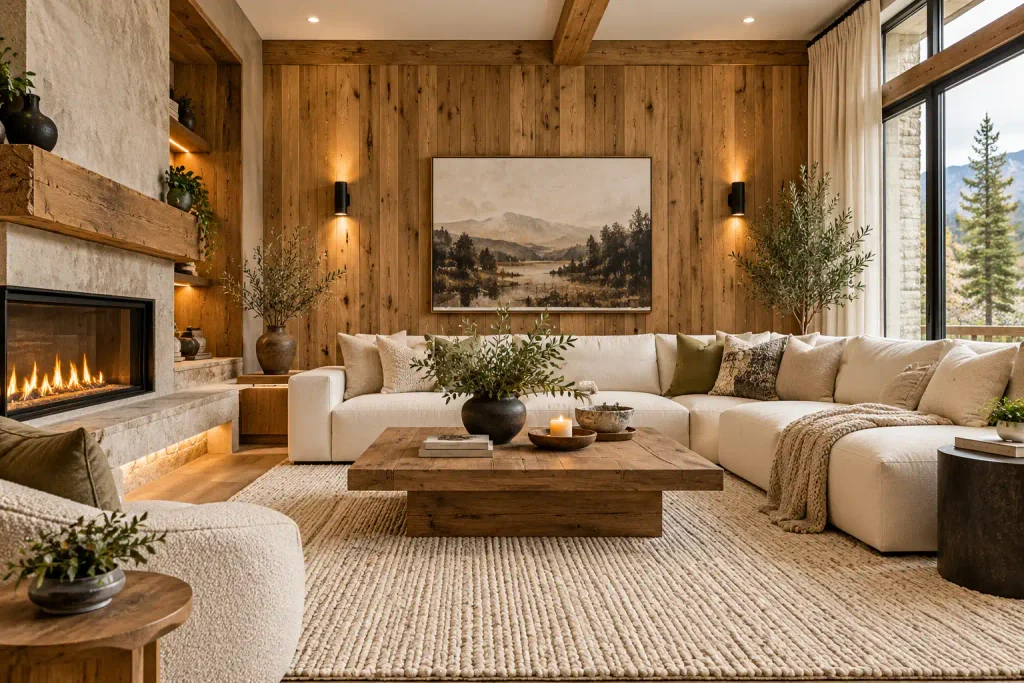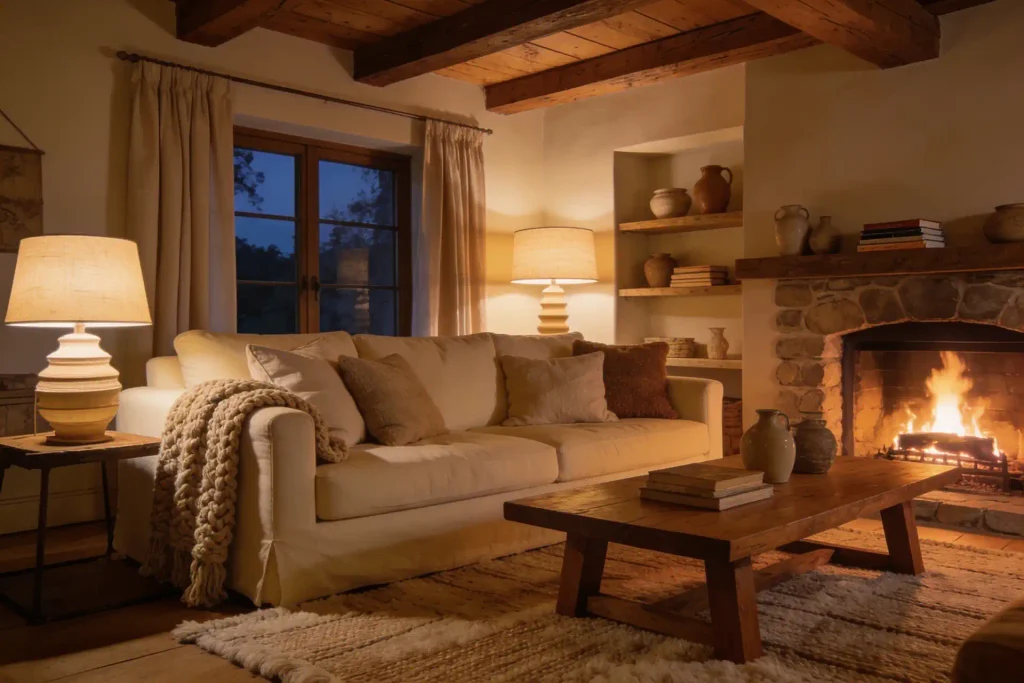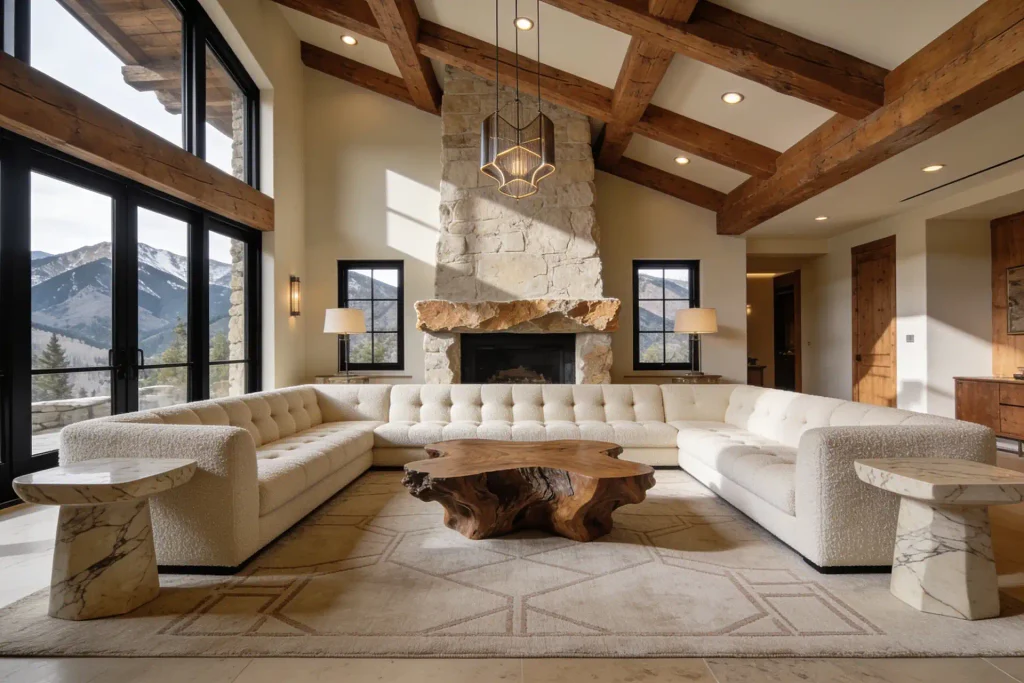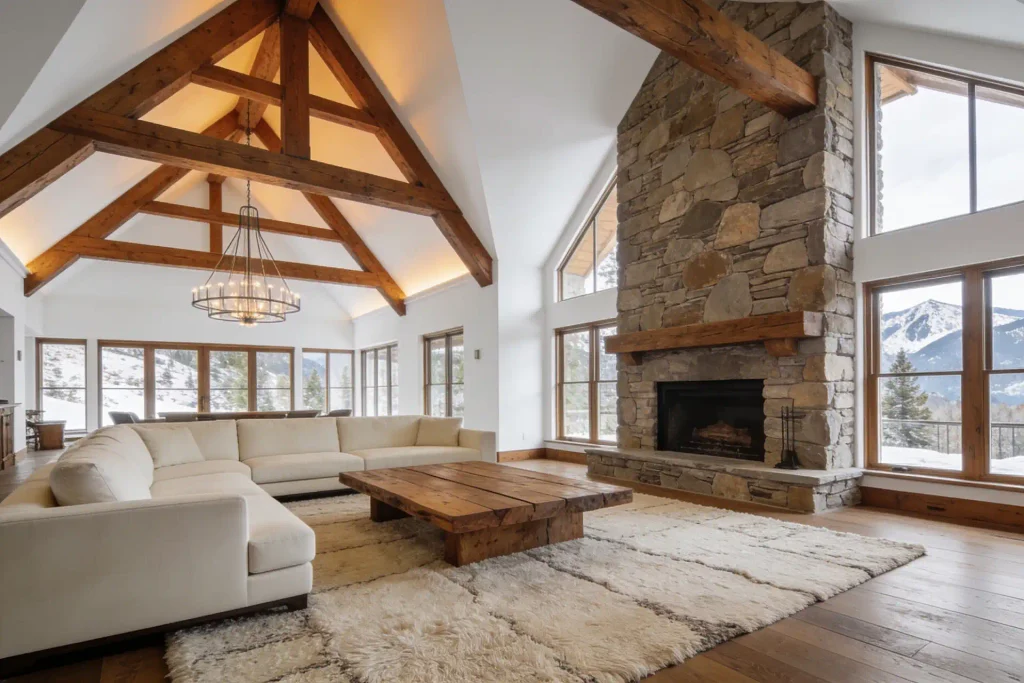
Author: kashifriaz2800

  • 32 Contemporary Coastal Living Room Ideas for a Fresh, Modern Home

    32 Contemporary Coastal Living Room Ideas for a Fresh, Modern Home

    A contemporary coastal living room combines the relaxed character of seaside interiors with the refined simplicity of modern design. Instead of relying on obvious nautical decorations, today’s coastal spaces use organic textures, sun-washed colors, comfortable furniture, natural wood, linen upholstery, woven materials, and abundant daylight. The result feels sophisticated and airy while maintaining the welcoming atmosphere associated with a beach house.

    Whether you live beside the ocean or miles from the coast, modern coastal interior design can bring a sense of openness and tranquility into your home. From soft blue and warm white color palettes to natural oak furniture, jute rugs, limewash walls, and sculptural lighting, these contemporary coastal living room ideas offer practical inspiration for creating a space that feels timeless rather than themed.

    1. Neutral Contemporary Coastal Living Room
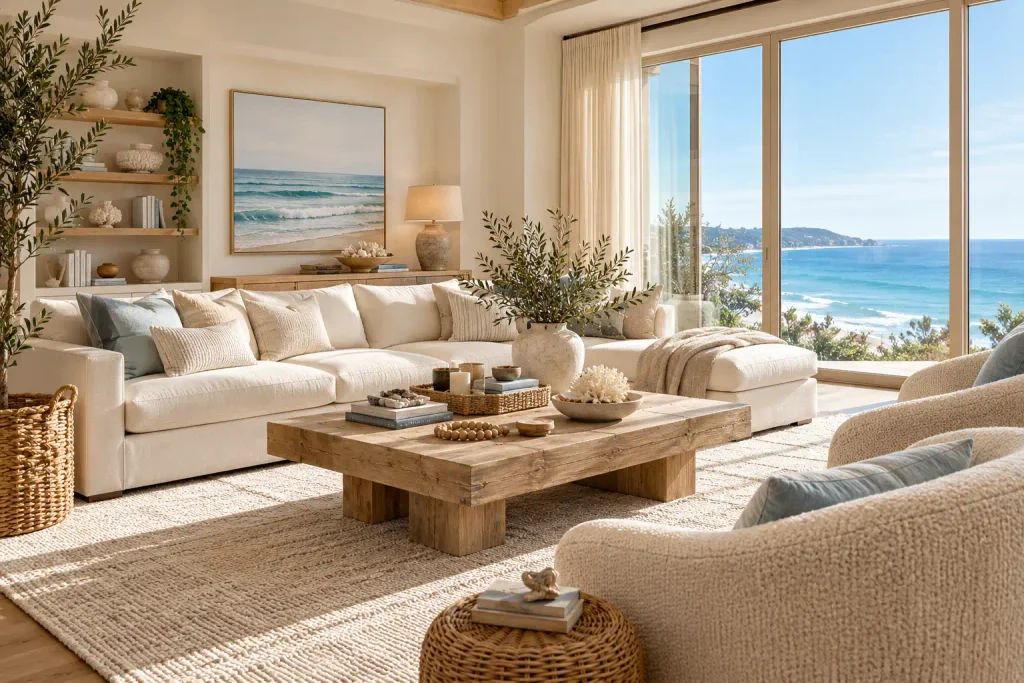
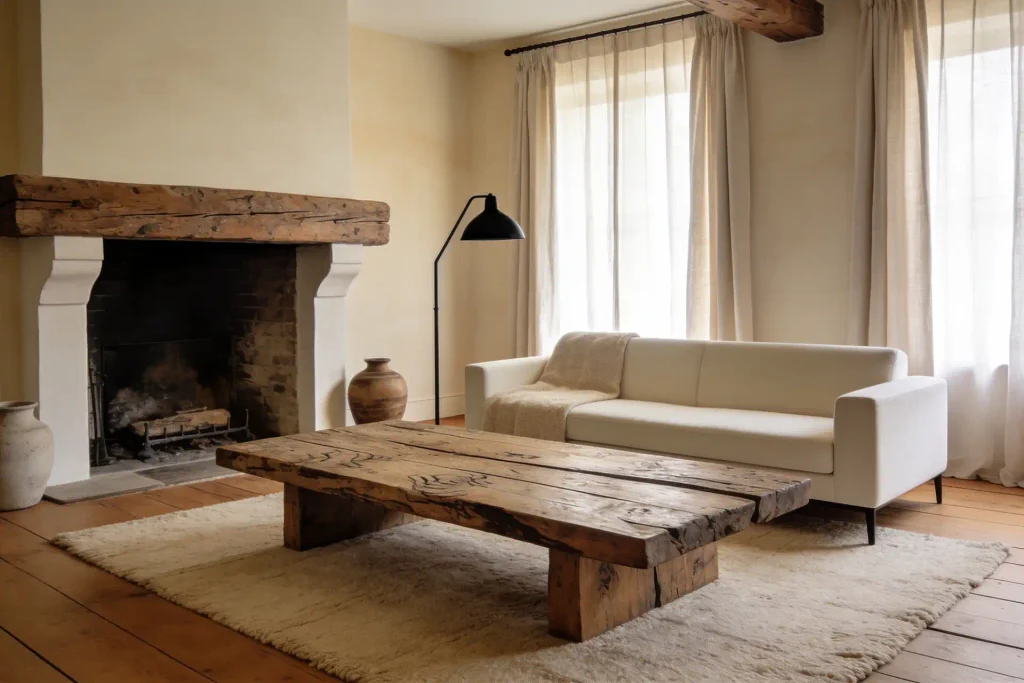
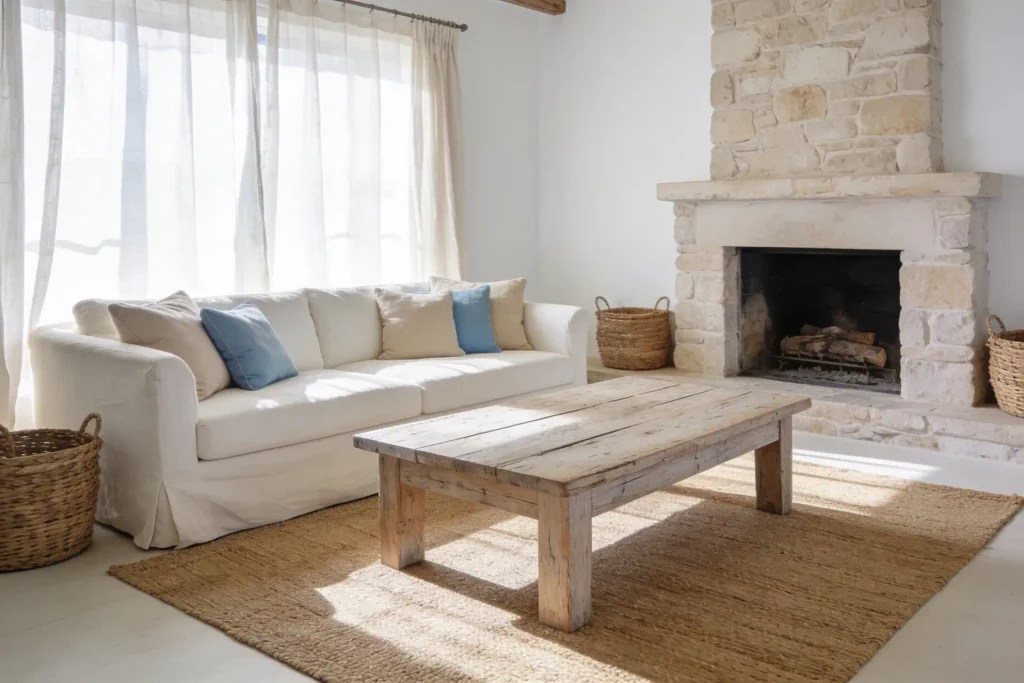
    A neutral contemporary coastal living room creates a peaceful foundation using warm white, ivory, sand, oatmeal, taupe, and pale beige. Rather than filling the room with blue accessories, allow subtle variations in neutral tones to establish the coastal atmosphere. A cream linen sofa can anchor the seating area while boucle chairs, an ivory wool rug, and light oak furniture introduce warmth. Large windows and sheer curtains maximize natural daylight, making the interior feel open and connected to the bright character of coastal landscapes.

    Texture becomes especially important when working with a restrained color palette. Combine woven baskets, linen cushions, natural timber, ceramic vessels, jute, stone, and softly textured plaster to prevent the room from appearing flat. A substantial oak coffee table can provide an organic focal point without overwhelming the space. Keep accessories curated and architectural lines clean so the overall room maintains its contemporary identity. This sophisticated interpretation works particularly well for homeowners who appreciate coastal style but want an elegant, understated living environment.

    2. Blue and White Contemporary Coastal Living Room
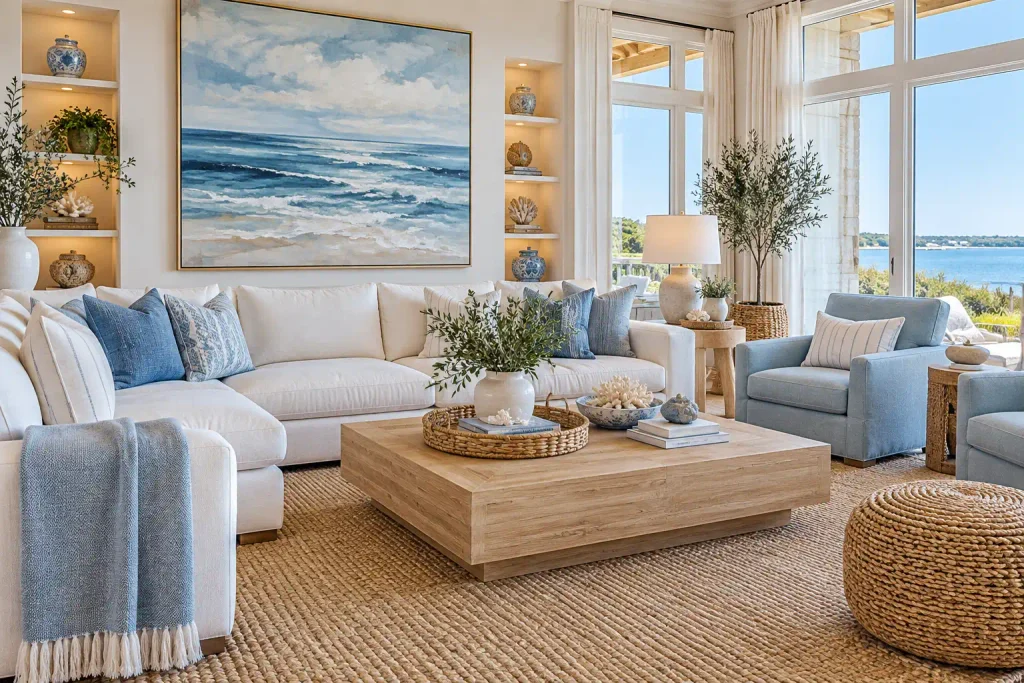
    Blue and white remain classic coastal colors, but a contemporary approach uses them with greater restraint. Start with warm white walls and a large cream or off-white sofa, then introduce muted ocean blue through cushions, artwork, ceramics, or a single upholstered chair. Dusty blue, slate, faded denim, and soft sea-glass shades tend to feel more sophisticated than bright nautical blue. Natural oak and woven fibers can soften the contrast, preventing the color scheme from becoming overly crisp or traditionally nautical.

    Consider using blue as an accent rather than the dominant color throughout the room. An abstract ocean-inspired painting above the sofa can establish the palette, while pale blue pillows and a patterned rug subtly repeat the hue. Add travertine, light timber, linen, and handmade pottery for visual depth. Black or aged brass lighting can provide a contemporary counterpoint to the soft coastal palette. The finished room references the sea without depending on anchors, shells, signs, or other literal beach-themed decorations.

    3. Contemporary Coastal Living Room With Ocean View
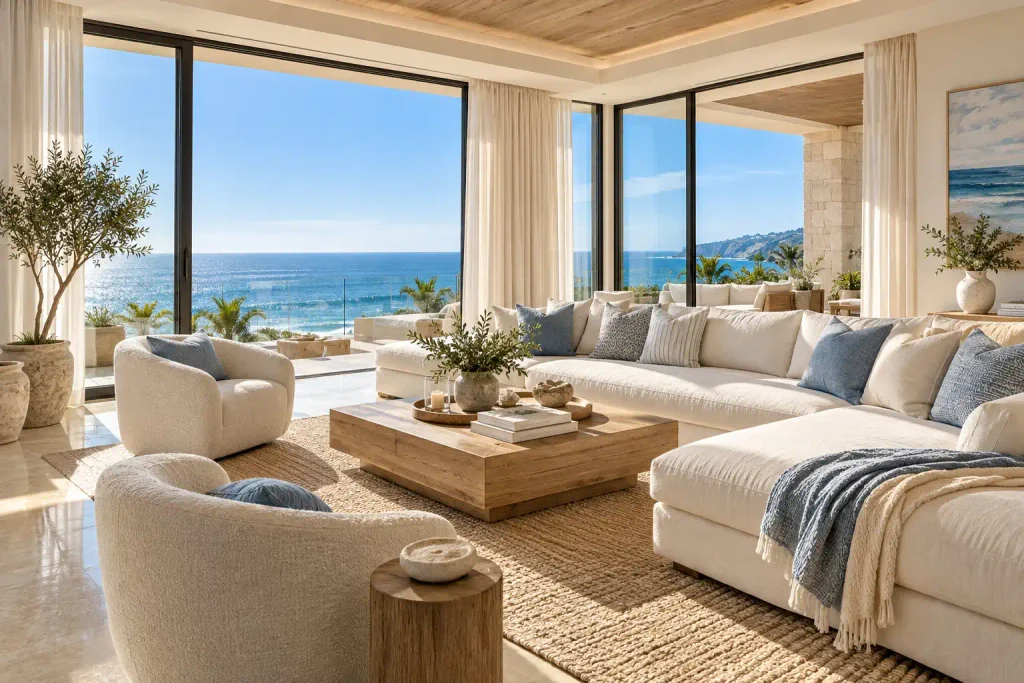
    An ocean view should become the primary design feature in a contemporary coastal living room rather than competing with elaborate decoration. Position sofas and lounge chairs so occupants can comfortably appreciate the scenery while maintaining natural conversation areas. Low-profile furniture is particularly effective because it preserves sightlines toward large windows or sliding glass doors. Choose soft neutral upholstery, light wood furniture, and understated accessories that complement rather than distract from the colors visible outside.

    Floor-to-ceiling glazing can strengthen the connection between indoor and outdoor environments. Linen curtains provide privacy and soften the architecture without blocking valuable natural light. Inside, limestone, oak, wool, rattan, and textured ceramics echo the organic qualities of sand, cliffs, and coastal vegetation. Instead of matching every interior color to the ocean, introduce warm beige and earthy brown to balance the cooler view. This approach produces a luxurious coastal living room that feels integrated with its surroundings rather than decorated around a theme.

    4. Small Contemporary Coastal Living Room
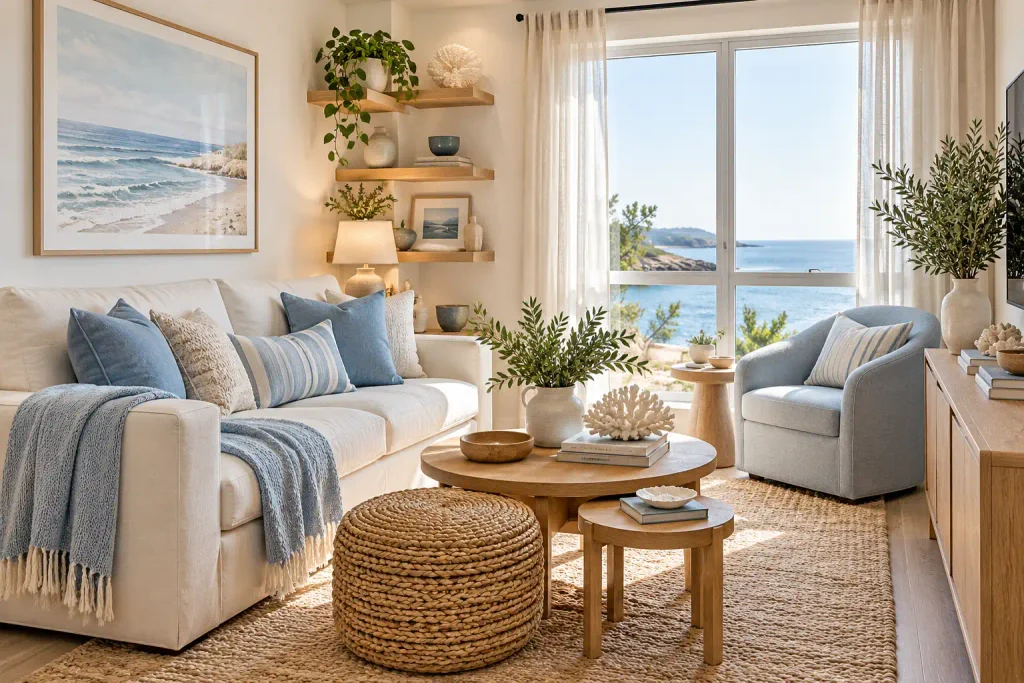
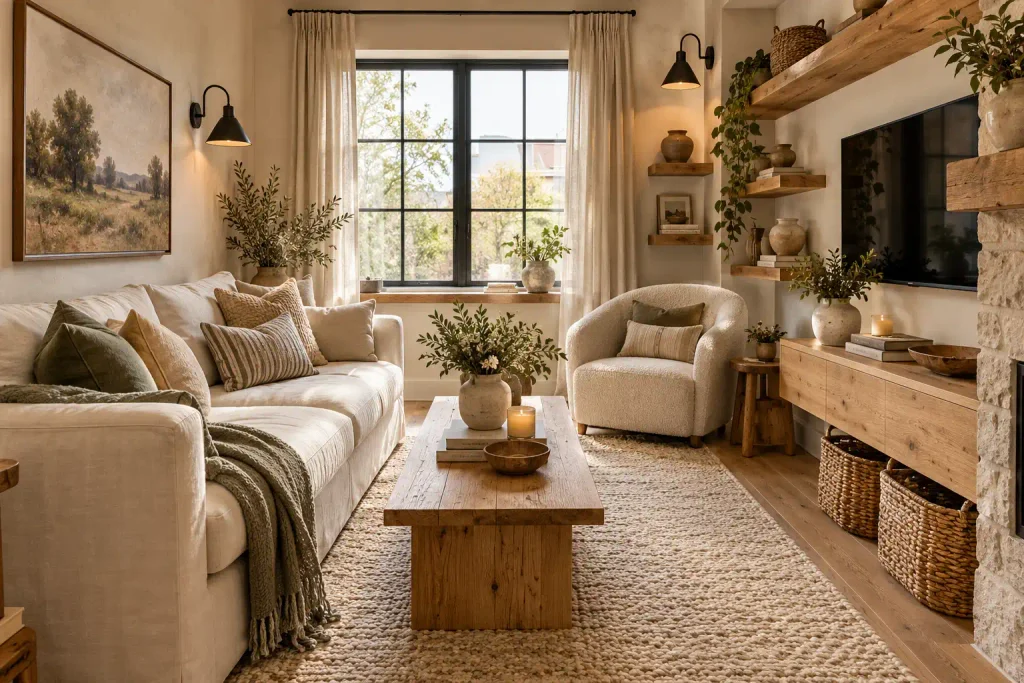
    A small contemporary coastal living room benefits from the same qualities that make coastal interiors attractive: bright colors, lightweight furniture, natural light, and an uncluttered layout. Choose a compact cream sofa with raised legs rather than a bulky sectional, then pair it with a slim oak coffee table or nesting tables. Pale walls visually expand the space, while one carefully positioned mirror can distribute daylight. Keep pathways clear and avoid filling every wall or corner with decorative accessories.

    Multifunctional furniture can make a compact coastal room significantly more practical. An upholstered storage ottoman can serve as a coffee table, additional seat, and hidden storage, while floating shelves provide display space without occupying the floor. Use a few blue, sage, or sandy accents to add coastal character against the neutral foundation. A striped or subtly patterned rug can create movement, but avoid excessive nautical motifs. With controlled proportions and thoughtful styling, even an apartment living room can achieve an airy modern beach-house appearance.

    5. Contemporary Coastal Living Room With Fireplace
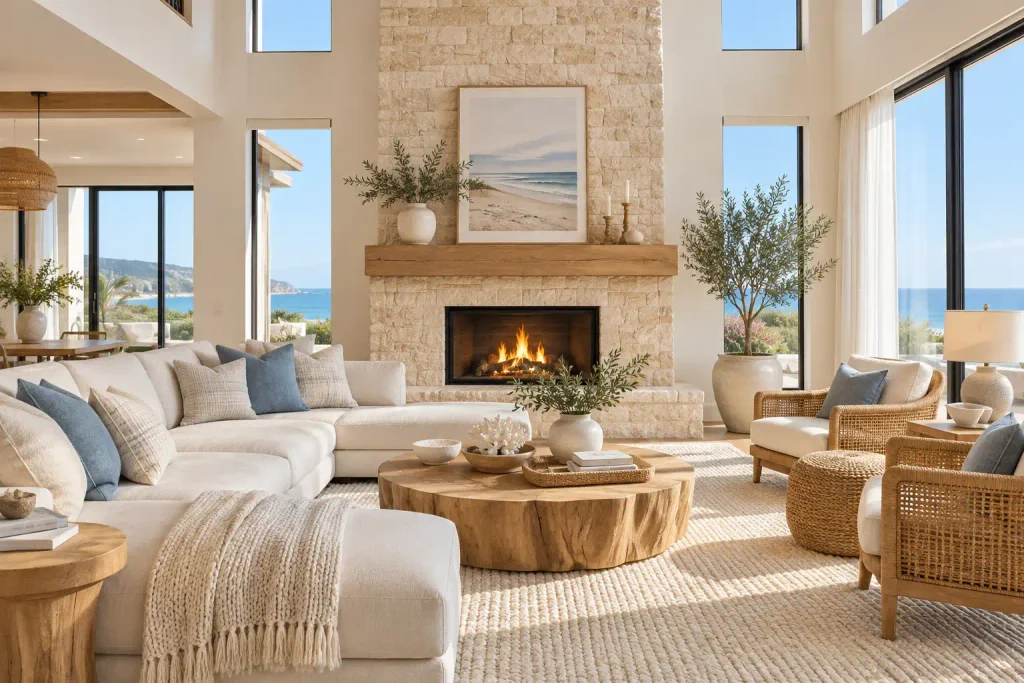
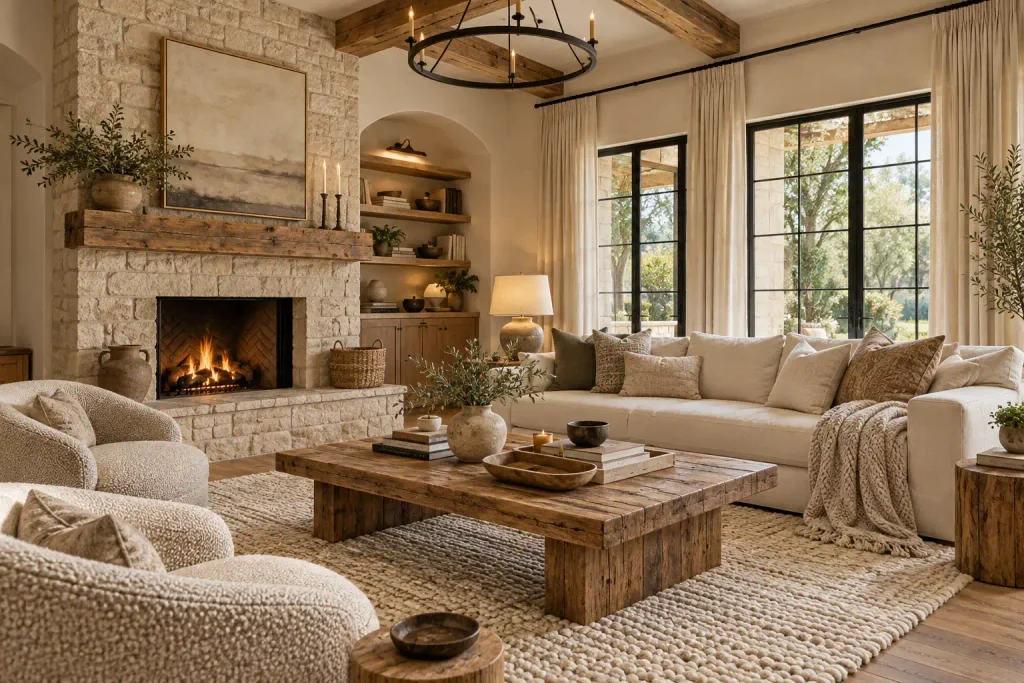
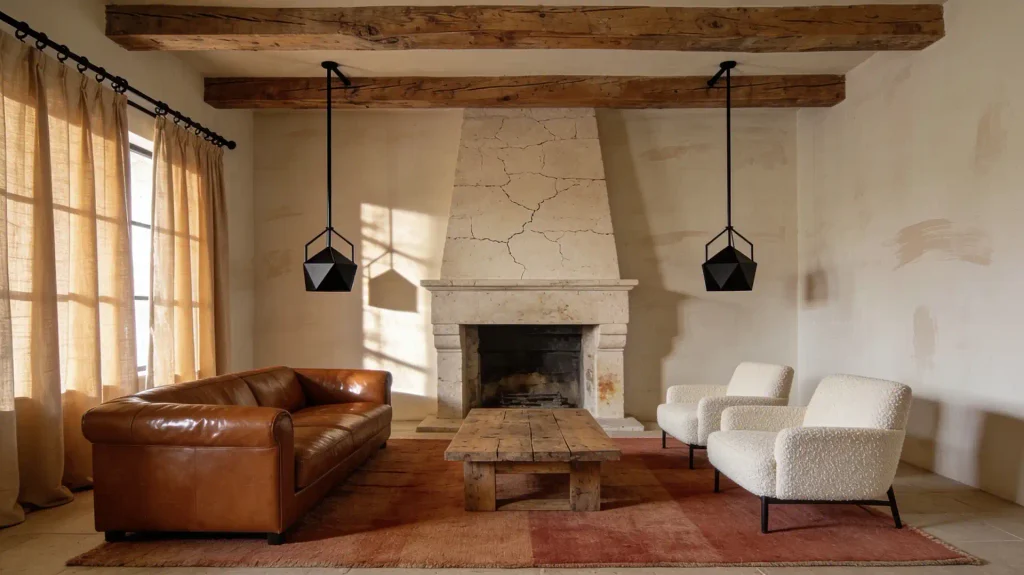
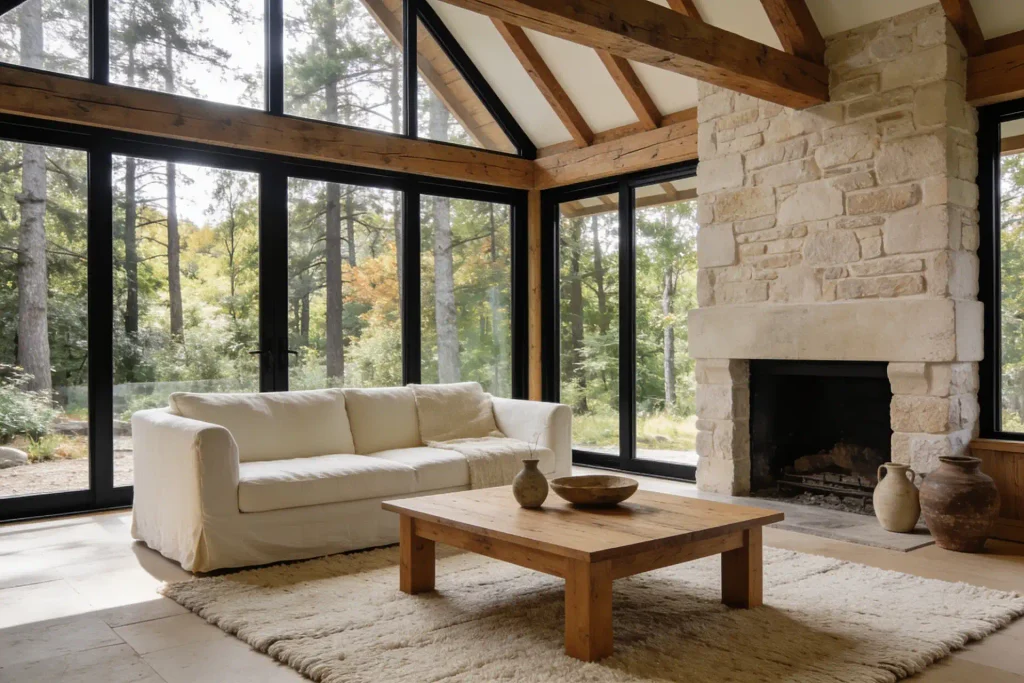
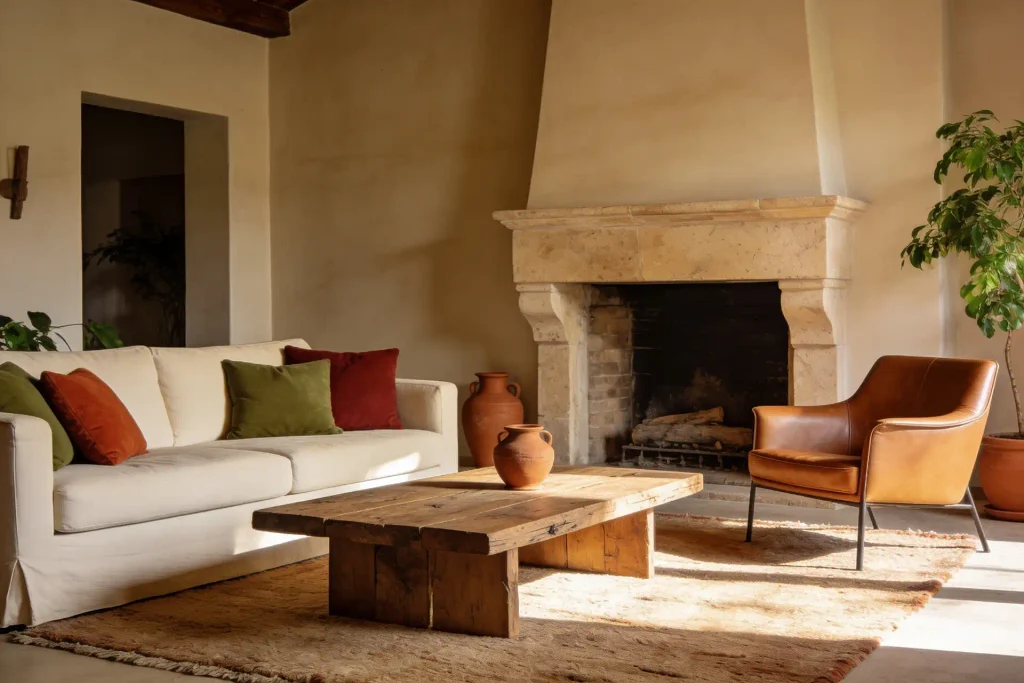
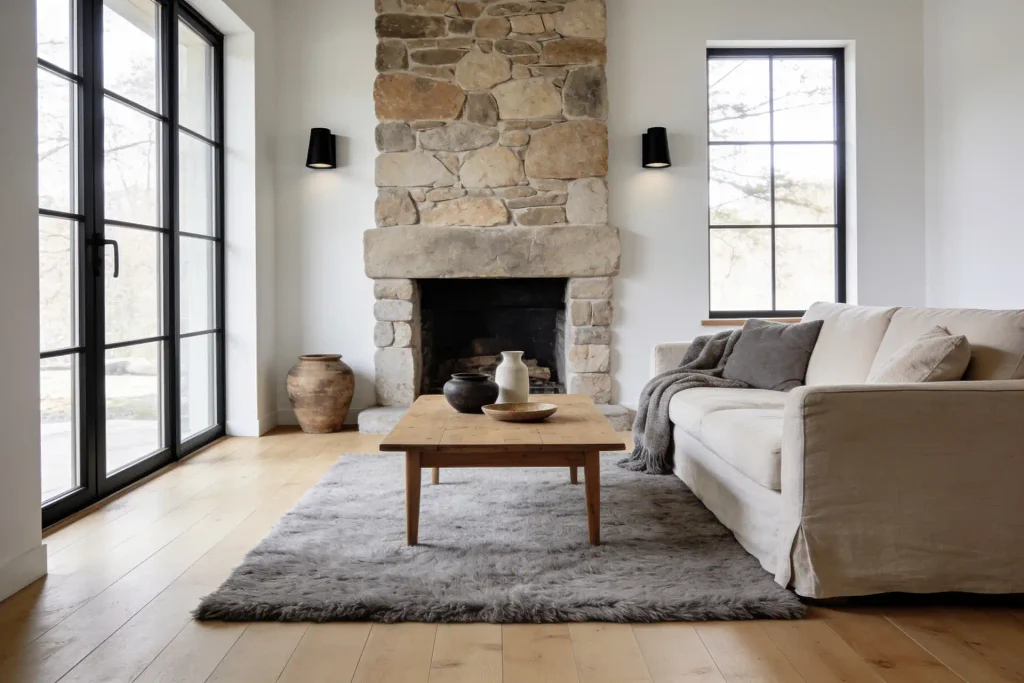
    A fireplace introduces warmth and architectural presence into a contemporary coastal living room. For a modern interpretation, consider pale limestone, honed travertine, smooth plaster, or lightly textured concrete instead of a heavily decorated traditional surround. A simple wood mantel can add warmth while maintaining clean lines. Position comfortable neutral seating around the fireplace and use woven textiles, natural timber, and understated ceramics to create a balanced relationship between contemporary architecture and relaxed coastal materials.

    Keep mantel styling intentionally restrained. A large abstract artwork, sculptural vase, or simple collection of handmade pottery can provide sufficient visual interest without cluttering the fireplace. If the room has windows overlooking a garden or ocean, design the furniture layout so both the fireplace and exterior view remain important focal points. Warm lighting and natural textures prevent stone surfaces from feeling cold. The result is a sophisticated coastal gathering space that works beautifully throughout every season, not only during summer.

    6. Organic Modern Coastal Living Room
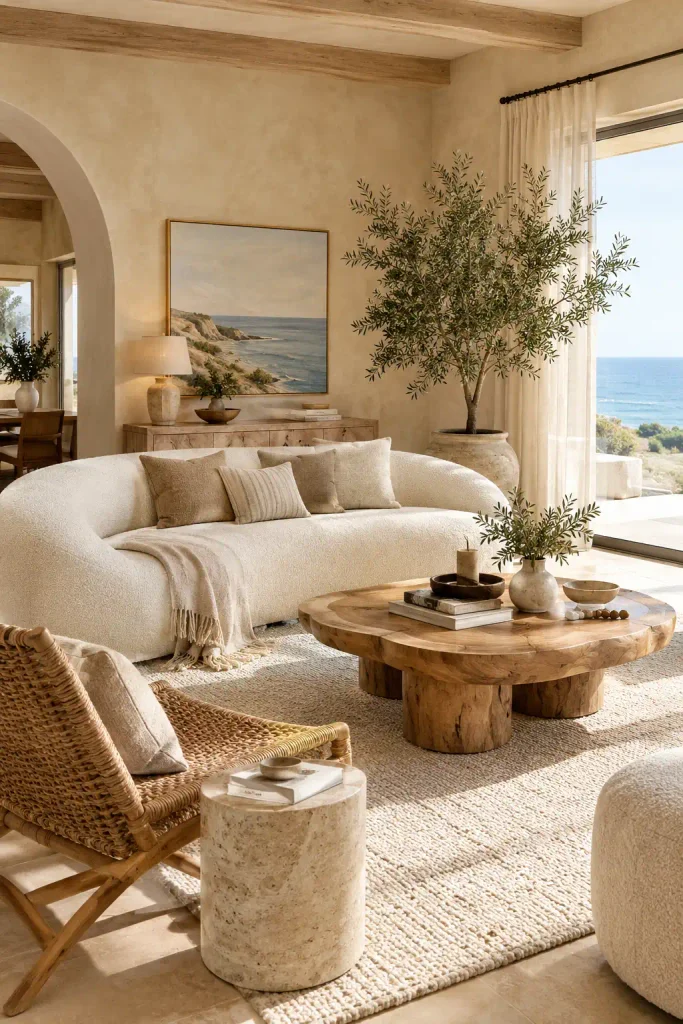
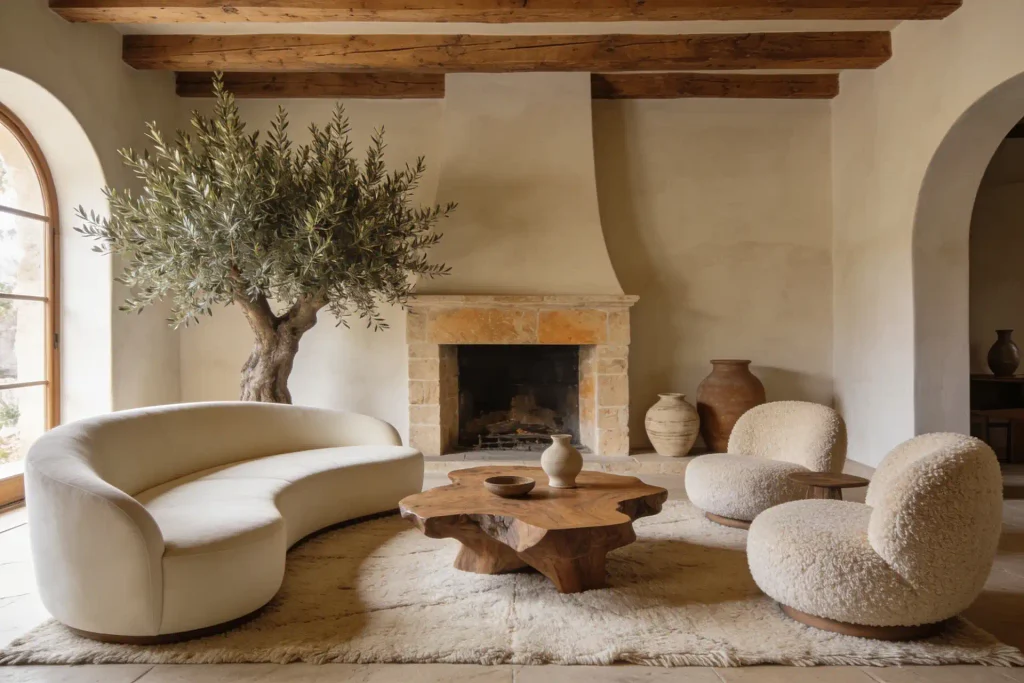
    Organic modern design naturally complements contemporary coastal style because both prioritize natural materials, simplicity, and comfortable spaces. Build the room around an ivory or oatmeal sofa with softly rounded edges, then incorporate sculptural wood tables, woven chairs, stone accessories, and tactile textiles. Rather than relying heavily on blue, draw inspiration from sand, driftwood, limestone, sea grass, and weathered timber. These earthy colors establish coastal character in a quieter and more sophisticated manner.

    Curved furniture can make the room feel especially relaxed. A rounded sofa, irregular wood coffee table, or softly shaped lounge chair introduces movement without decorative clutter. Add olive branches, oversized indoor plants, linen curtains, and handmade ceramics for organic character. Walls finished in warm white plaster or limewash contribute subtle depth as daylight changes throughout the day. By combining contemporary forms with imperfect natural surfaces, an organic coastal living room feels luxurious while maintaining the informal comfort expected from a seaside-inspired home.

    7. Contemporary Coastal Living Room With Natural Wood
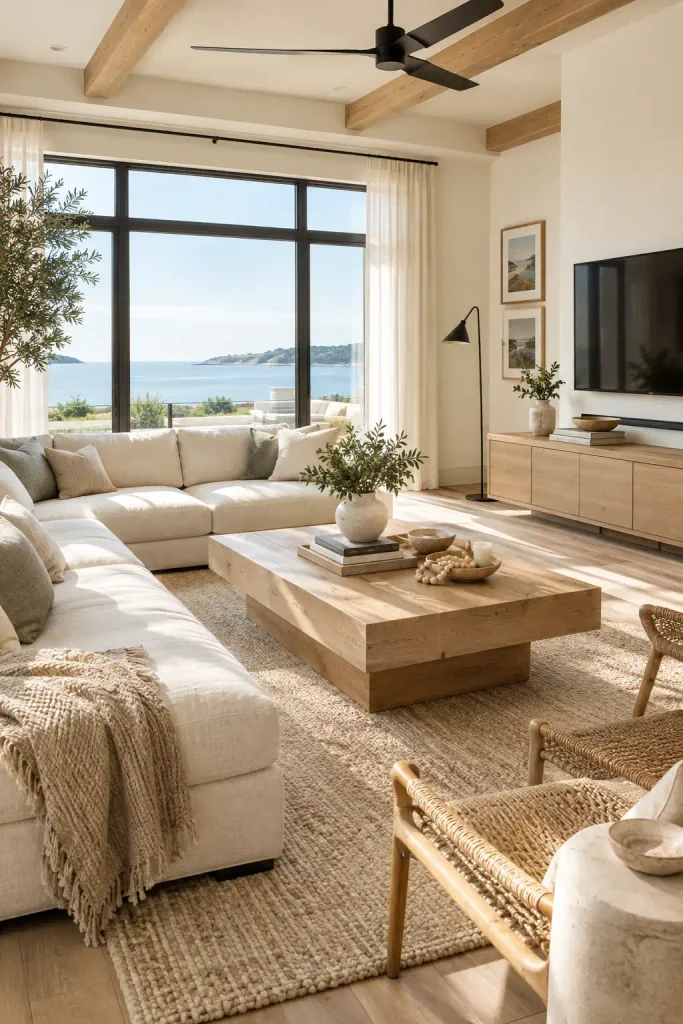
    Natural wood brings essential warmth to contemporary coastal interiors. White oak, ash, maple, and lightly weathered timber work particularly well because their soft coloration complements warm white walls and sandy textiles. Introduce timber through a substantial coffee table, media console, shelving, ceiling beams, or occasional chairs. Allow the natural grain to remain visible rather than choosing glossy finishes, as tactile surfaces reinforce the casual, organic quality associated with modern coastal design.

    Balance wood with lighter materials so the room remains airy. A cream linen sectional, pale wool rug, white walls, and sheer curtains can surround a warm oak coffee table without making the space feel heavy. Black hardware or sculptural metal lighting can introduce subtle definition and prevent the design from appearing overly rustic. Instead of matching every wooden element precisely, combine complementary tones to achieve the layered appearance of a thoughtfully collected home. The final space feels contemporary, welcoming, and naturally connected to the outdoors.

    8. Contemporary Coastal Living Room With Rattan Furniture
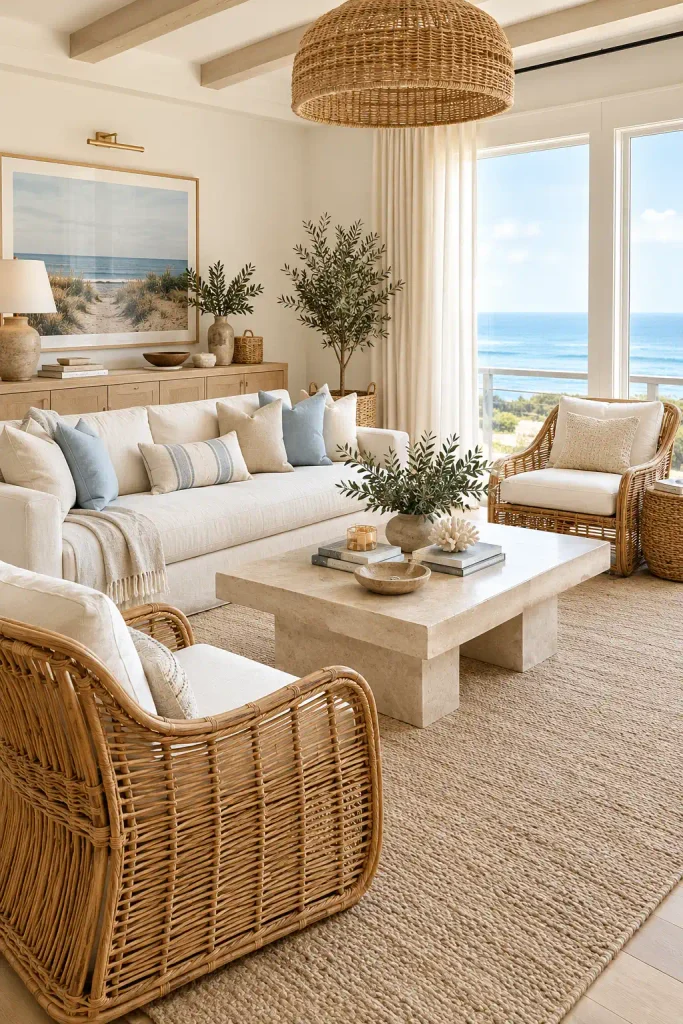
    Rattan furniture immediately introduces natural coastal texture, but contemporary interiors require careful restraint. Instead of filling the entire room with wicker pieces, select one or two beautifully crafted rattan lounge chairs to complement a clean-lined sofa. Their woven structure creates visual contrast against smooth upholstery while keeping the overall atmosphere light. Natural cane, rush, and woven seagrass can also appear through cabinet doors, baskets, or small accessories without turning the room into a traditional tropical interior.

    Pair rattan with refined finishes such as limestone, plaster, oak, and linen to elevate its appearance. A streamlined stone coffee table beside woven chairs creates an effective balance between polished and organic materials. Choose neutral upholstery for rattan seating and avoid excessively colorful tropical patterns if contemporary sophistication is the goal. Large windows, indoor greenery, and lightweight curtains further reinforce the relaxed atmosphere. Used thoughtfully, rattan connects the interior with beach-house traditions while still looking current and architecturally refined.

    9. Contemporary Coastal Living Room With Jute Rug
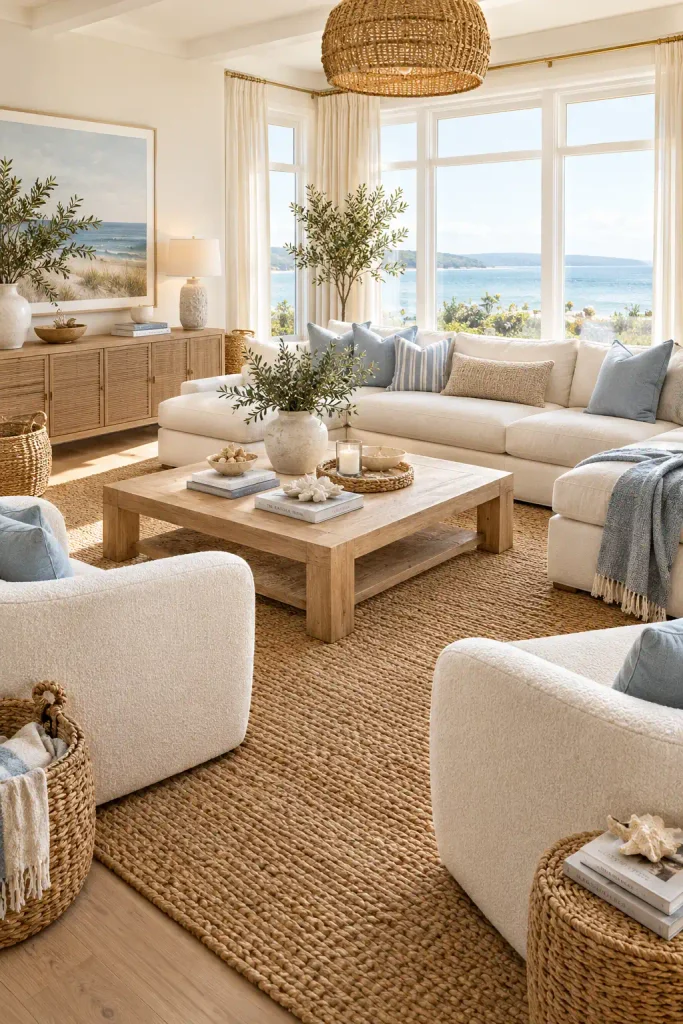
    A jute rug offers natural texture and subtle warmth that works beautifully beneath contemporary coastal furniture. Its sandy coloring references the beach without requiring literal seaside imagery, while the woven fibers establish a relaxed foundation. Choose an oversized rug that comfortably extends beneath the primary seating pieces to visually unite the room. A cream sofa, oak coffee table, and linen armchairs look especially cohesive against a generously proportioned natural jute floor covering.

    Because jute has a distinctive coarse texture, balance it with softer materials such as boucle, cotton, wool, and washed linen. Layering a smaller wool rug over a large jute base can increase comfort while creating additional visual depth. Consider the room’s traffic level and choose a durable weave appropriate for daily living. Continue the natural palette with woven baskets and handmade ceramics, but introduce smooth stone or glass to keep the interior contemporary. This combination creates an inviting coastal room with sophisticated material contrast.

    10. Contemporary Coastal Living Room With Limewash Walls
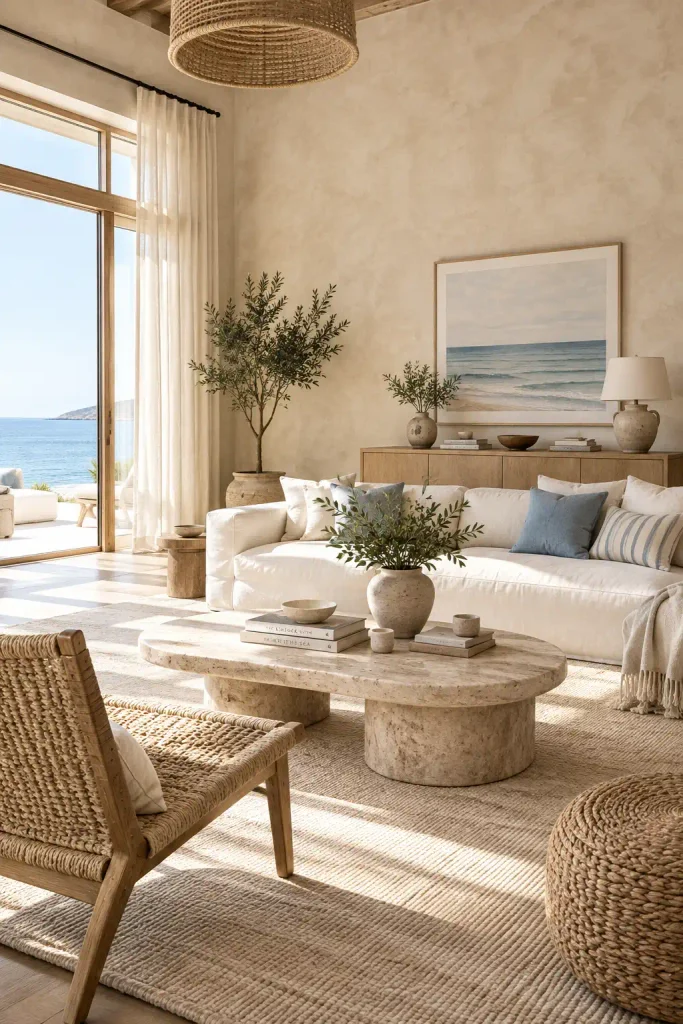
    Limewash walls add subtle movement and mineral texture to a contemporary coastal living room. Warm white, chalk, pale sand, and muted beige finishes capture daylight differently throughout the day, creating visual richness without relying on patterned wallpaper or bold paint. Their softly imperfect appearance complements linen, wood, stone, and woven materials beautifully. Choose a gentle neutral shade that reflects natural light while providing enough depth to distinguish architectural details.

    Against limewashed walls, simple contemporary furniture becomes more expressive. Place a low cream sofa beside a sculptural oak or travertine table, then introduce woven lounge chairs and understated ceramic objects. Keep artwork limited so the wall finish itself can contribute to the room’s visual identity. Natural linen curtains and warm ambient lighting enhance the tactile character after sunset. This material-focused approach creates a coastal space that feels serene, handcrafted, and sophisticated rather than conventionally beach themed.

    11. Luxury Contemporary Coastal Living Room
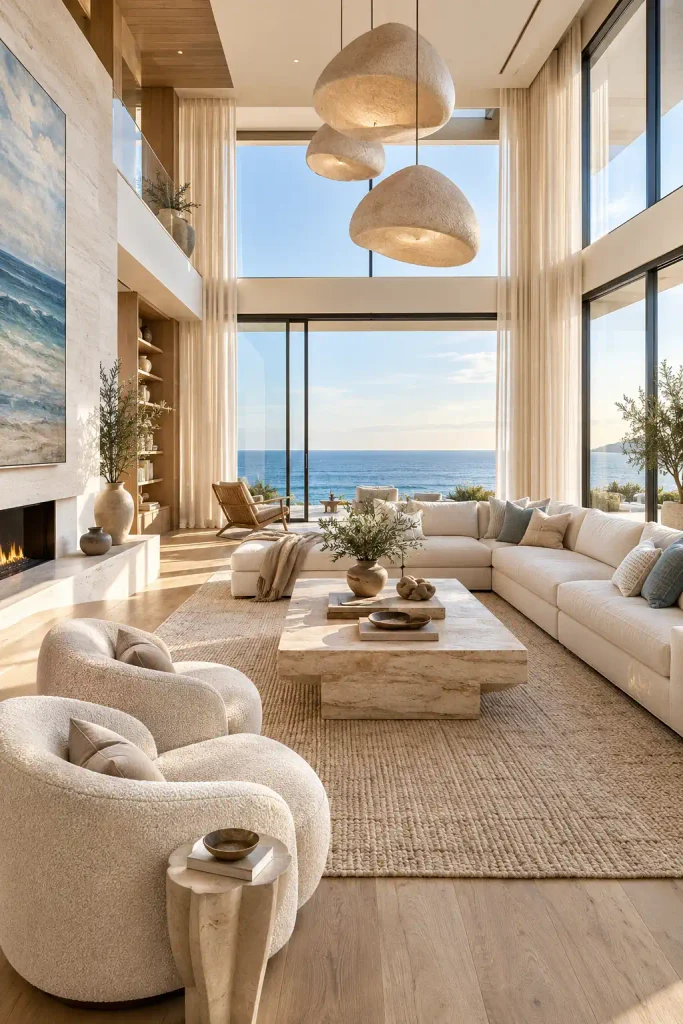
    Luxury coastal design depends more on material quality, scale, and craftsmanship than excessive decoration. Begin with an expansive linen sectional or pair of tailored sofas and surround them with statement furniture crafted from oak, travertine, marble, or handwoven fibers. Oversized windows, architectural lighting, custom cabinetry, and substantial rugs give the room a sense of permanence. Maintain a restrained palette of ivory, sand, pale blue, warm gray, and natural timber to keep the environment relaxed despite its elevated finishes.

    Thoughtful spacing is equally important in a luxurious living room. Avoid crowding furniture together simply to fill a large floor plan. Instead, allow breathing room around sculptural chairs, substantial tables, and carefully chosen artwork. Use floor-to-ceiling curtains to emphasize ceiling height and layer ambient, accent, and architectural lighting for evenings. Handmade ceramics and artisan objects can replace generic decorative accessories. The resulting contemporary coastal living room communicates refinement through proportions, natural materials, and craftsmanship rather than obvious displays of luxury.

    12. Contemporary Coastal Farmhouse Living Room
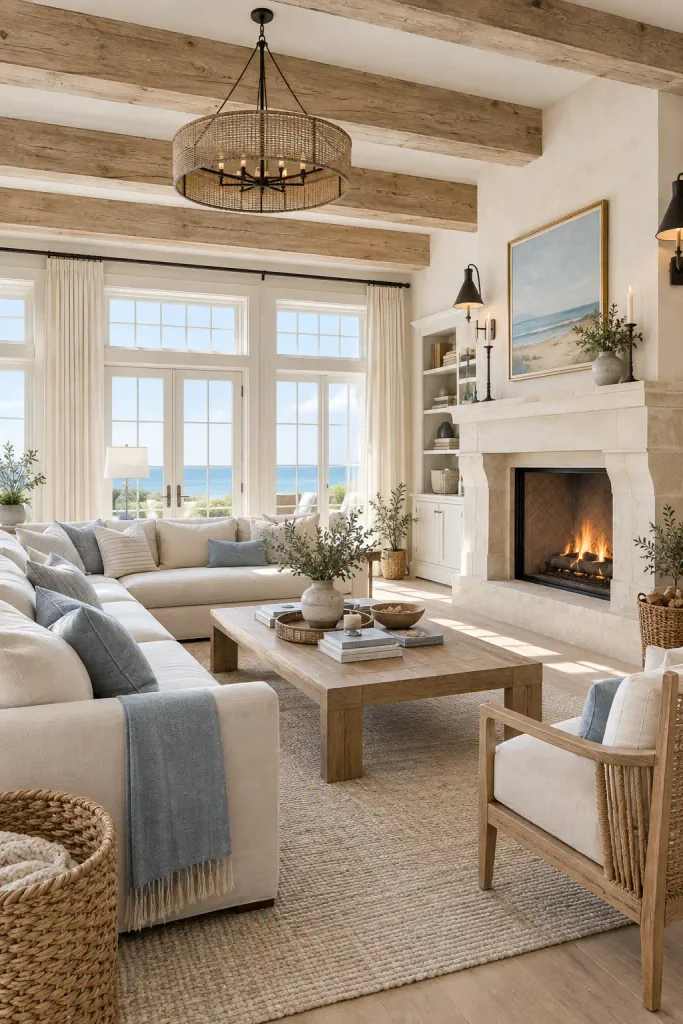
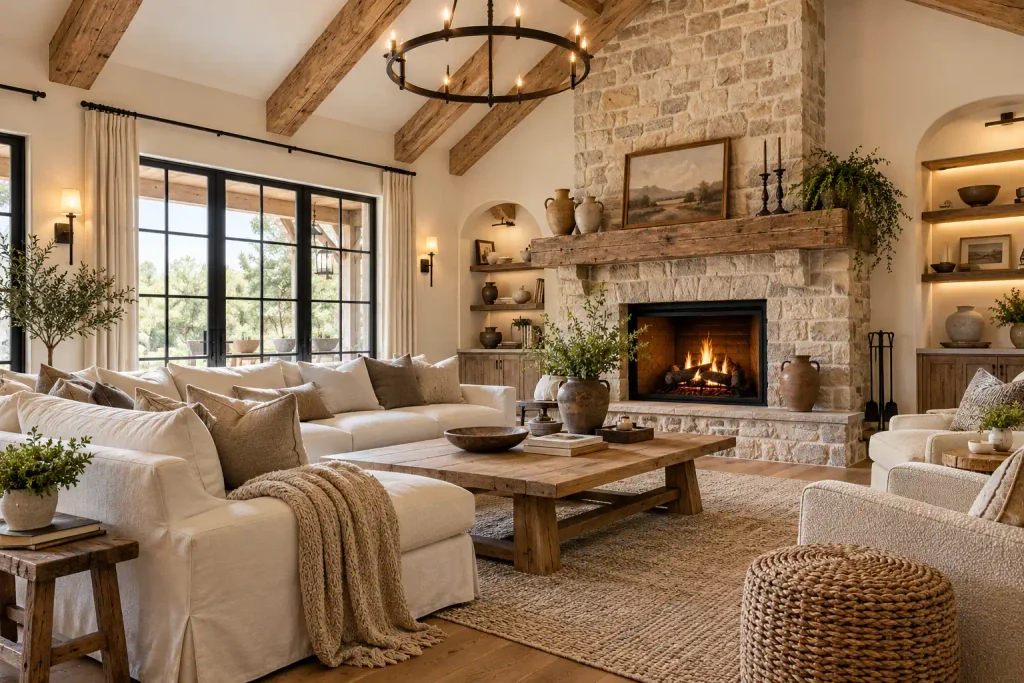
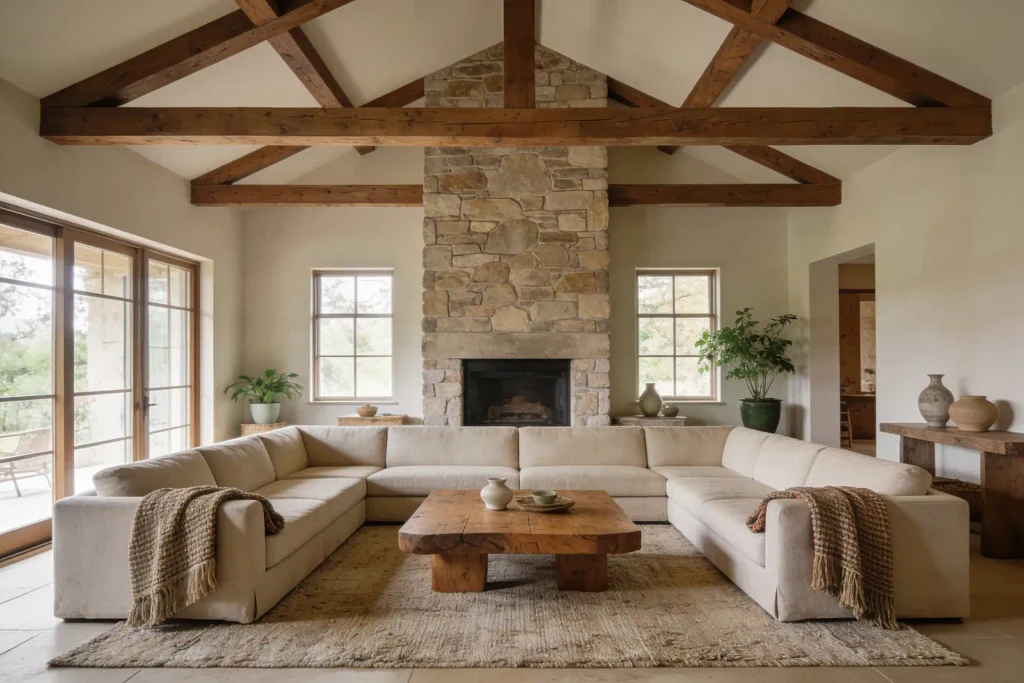
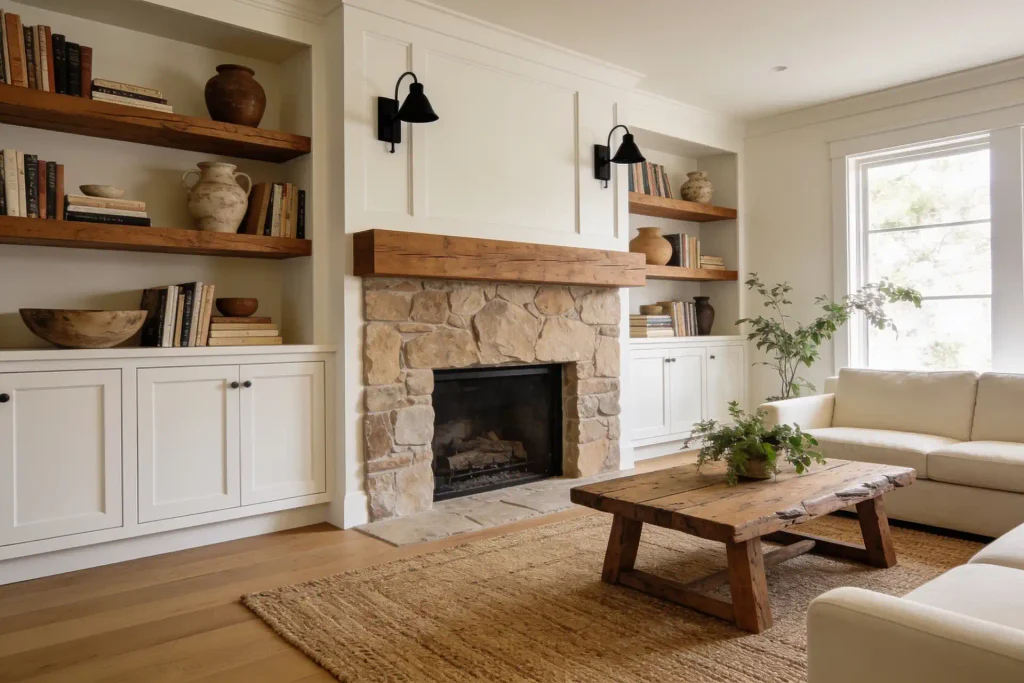
    A contemporary coastal farmhouse living room combines relaxed beach-house colors with the warmth of modern farmhouse materials. White oak ceiling beams, a pale stone fireplace, linen upholstery, woven baskets, and comfortable furniture establish rustic character without appearing old-fashioned. Keep architectural lines simple and avoid distressed signs or excessive vintage decorations. Warm white walls and large windows provide the lightness associated with coastal homes, while timber details make the room feel grounded and welcoming.

    Use farmhouse influences selectively. A reclaimed oak coffee table can sit comfortably beside a streamlined cream sectional, while black metal sconces add definition against white walls. Introduce muted blue or sage through cushions and artwork rather than using predictable nautical motifs. A thick wool or jute rug creates softness underfoot, and handmade pottery contributes an artisanal quality. Combining contemporary proportions with honest natural materials creates a coastal farmhouse room that feels updated, comfortable, and suitable for everyday family living.

    13. Minimalist Contemporary Coastal Living Room
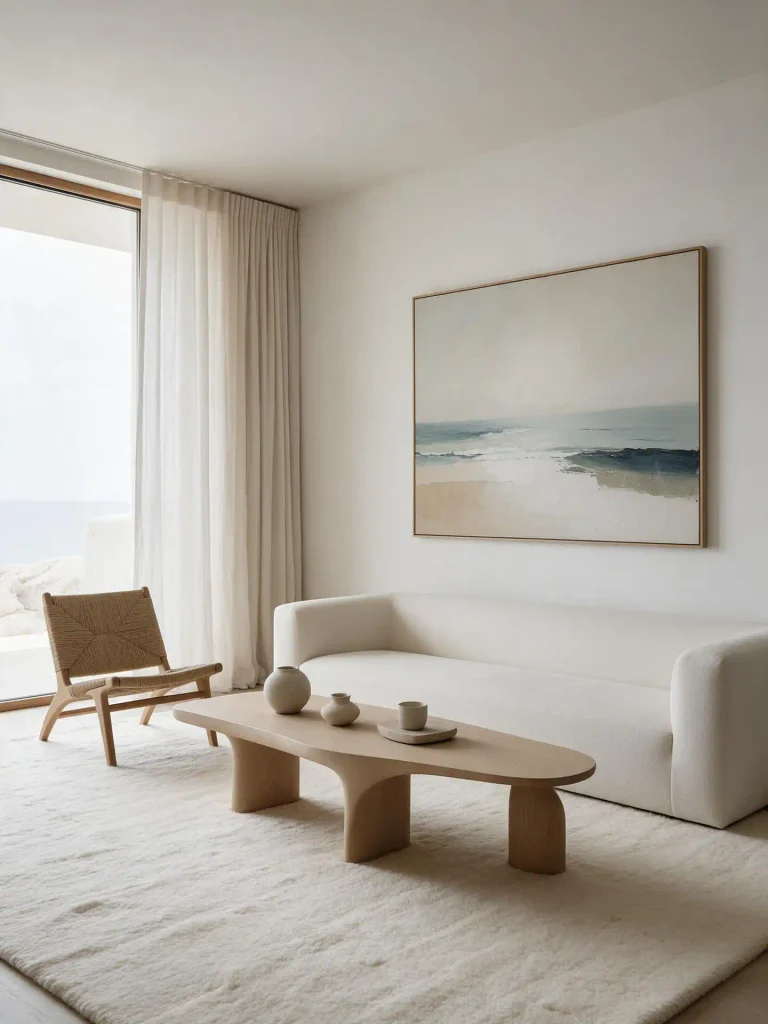
    Minimalist coastal design removes visual clutter while preserving warmth and comfort. Instead of decorating every surface, choose a few substantial pieces with beautiful forms and natural materials. A low ivory sofa, sculptural oak coffee table, woven lounge chair, and large neutral rug may provide everything needed to establish the room. White or softly plastered walls create visual quiet, allowing sunlight, shadows, and architectural proportions to become part of the decoration.

    Minimalism should not make a coastal room feel sterile. Incorporate tactile linen, wool, timber, and stone to introduce warmth without adding unnecessary objects. One large piece of abstract coastal artwork often works better than several small framed prints. Concealed storage can keep everyday belongings organized while preserving clean sightlines. Add a single oversized plant or sculptural ceramic vessel for organic interest. The objective is an intentionally edited environment that captures the calm spaciousness of the coast through light, texture, and proportion.

    14. Contemporary Coastal Living Room With Sectional Sofa
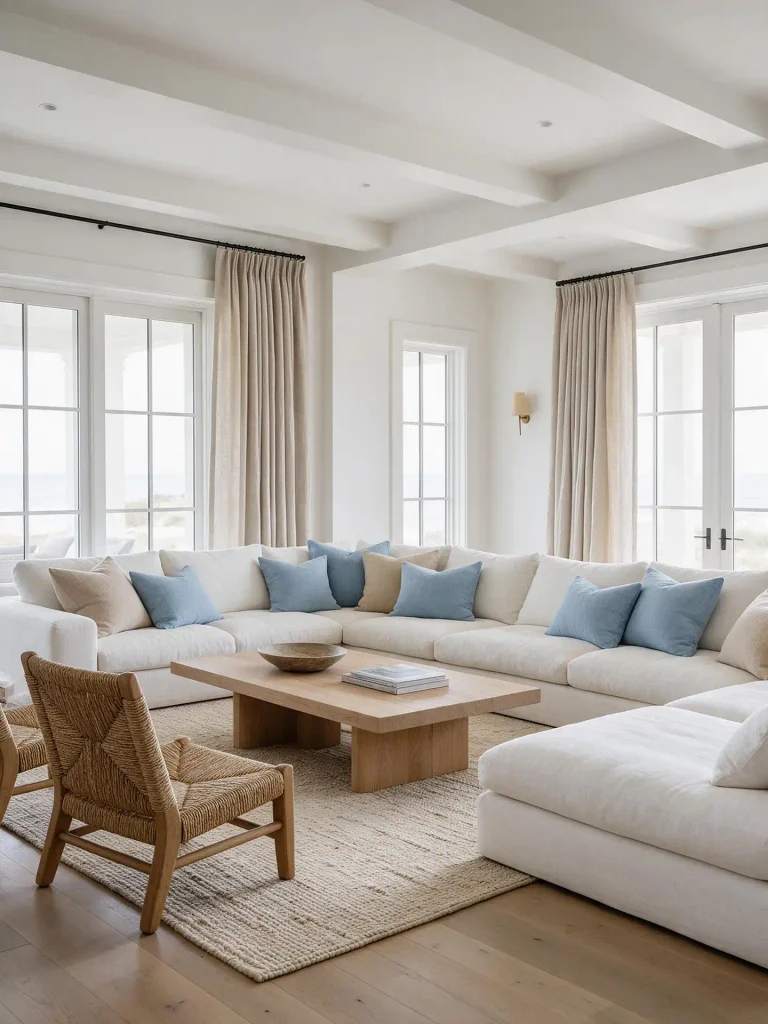
    A large sectional sofa can make a contemporary coastal living room exceptionally comfortable while creating a clear anchor for an open floor plan. Choose upholstery in ivory, warm white, oatmeal, or pale gray linen-look fabric to maintain an airy appearance. Modular or low-profile silhouettes feel particularly contemporary. Arrange the sectional to preserve circulation toward windows, patios, or adjacent dining spaces rather than allowing its size to block important architectural features.

    Balance the substantial sofa with appropriately scaled furniture. An oversized oak or stone coffee table prevents the seating arrangement from feeling visually unbalanced, while one or two woven accent chairs can add contrasting texture. Use large cushions in sandy neutrals, muted blue, or sage rather than covering the sectional with numerous small pillows. A generous rug defines the entire seating area. This practical arrangement provides plenty of seating for families and entertaining while preserving the relaxed elegance associated with modern coastal homes.

    15. Contemporary Coastal Living Room With Stone Coffee Table
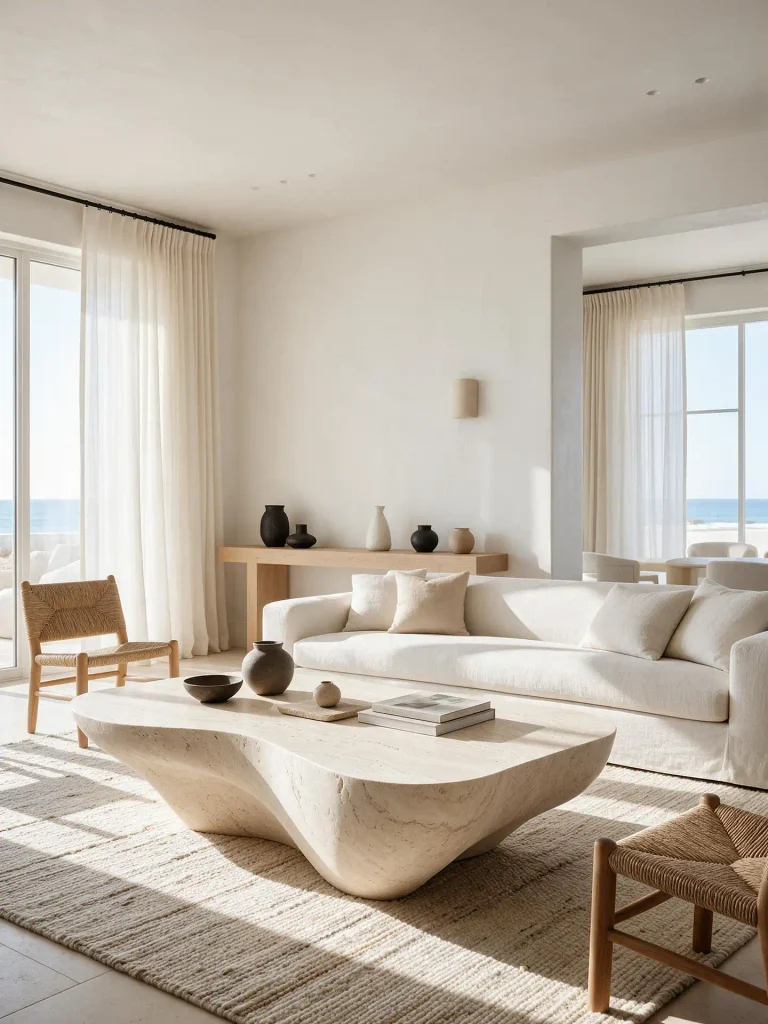
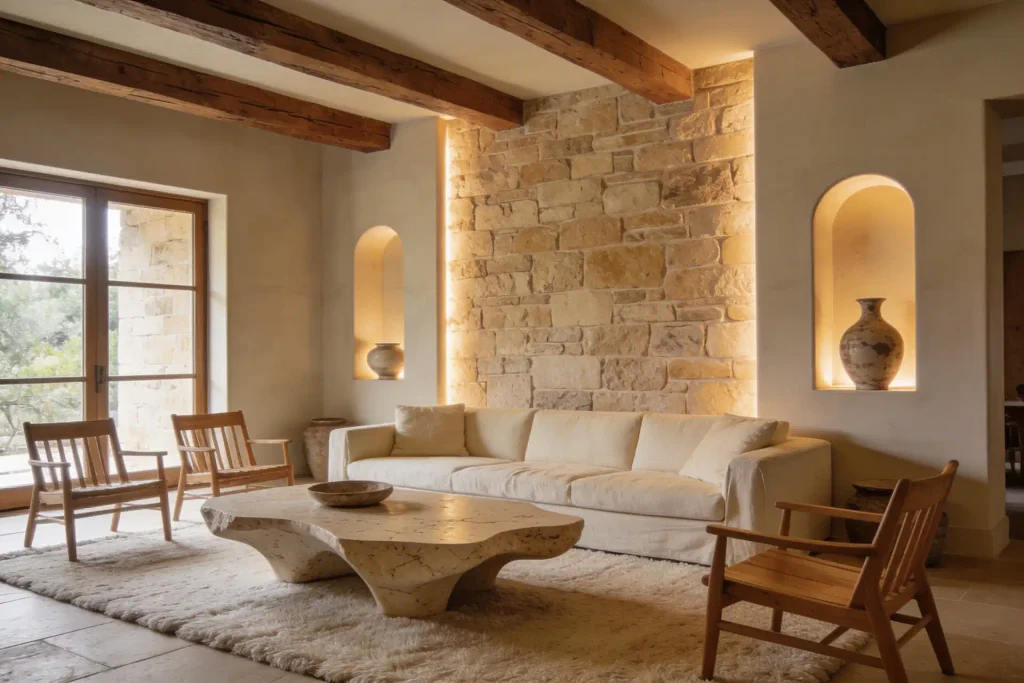
    Stone furniture adds permanence and sophisticated texture to a coastal interior. A travertine, limestone, marble, or honed stone coffee table can become a striking centerpiece against soft linen seating and woven textiles. Choose a table with simple geometry or gently rounded edges so the natural variations in the material remain visually prominent. Cream and beige stones integrate particularly well with sandy coastal palettes while introducing a refined architectural quality.

    Because stone can appear visually heavy, surround it with lighter materials and generous negative space. An ivory sofa, slim woven chairs, linen curtains, and pale timber cabinetry balance the weight of the coffee table. Keep tabletop styling simple with perhaps one ceramic bowl, a few books, and a natural branch. The contrast between cool mineral surfaces and warm woven fibers creates the layered material palette characteristic of sophisticated contemporary coastal interiors. This approach feels luxurious without becoming formal or overly decorative.

    16. Contemporary Coastal Living Room With Vaulted Ceiling
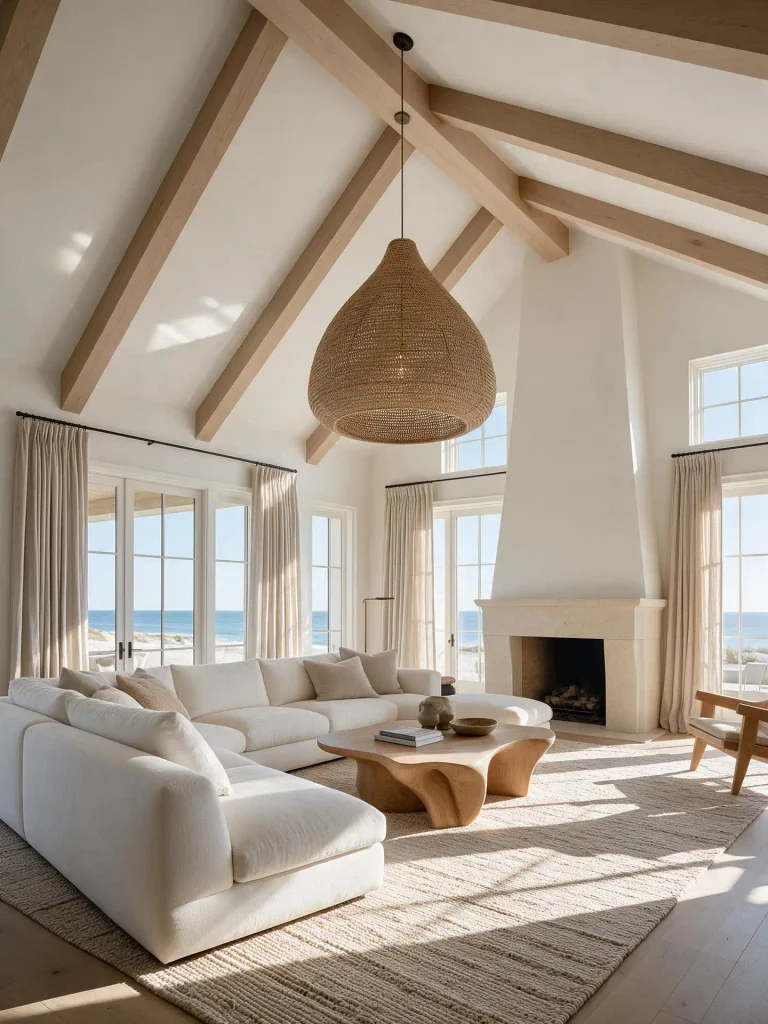
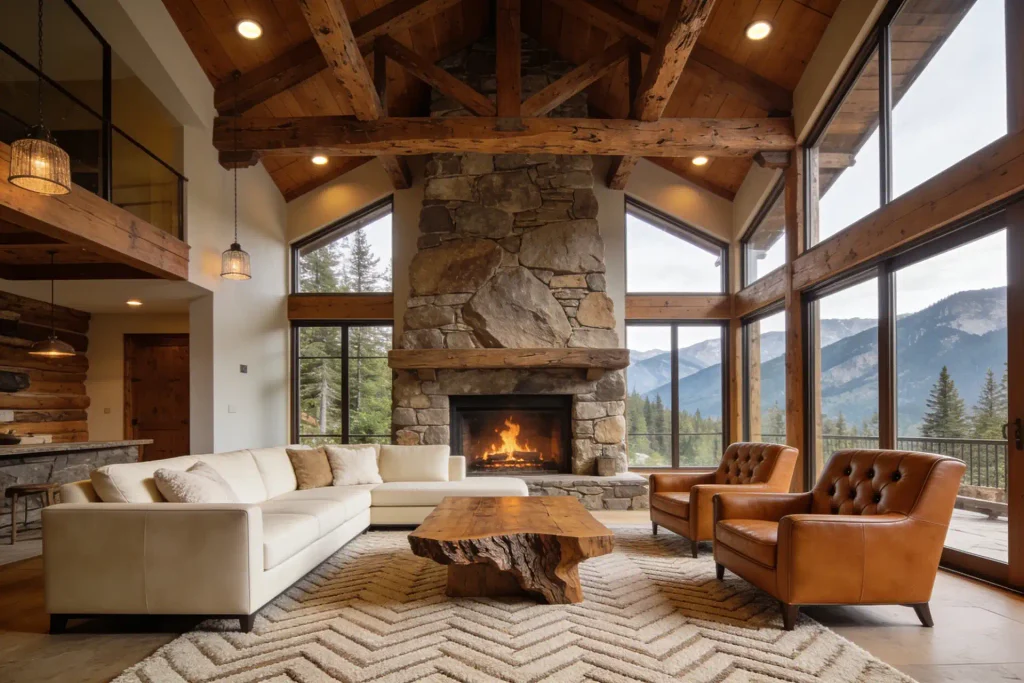
    A vaulted ceiling enhances the openness that defines contemporary coastal interiors. Highlight the architecture with warm white paint or pale timber paneling and consider exposed oak beams for additional character. Large windows positioned beneath the roofline can flood the living room with daylight, emphasizing vertical space. Keep furniture relatively low to strengthen the perception of height while ensuring that large pieces are substantial enough to suit the room’s generous proportions.

    Lighting deserves particular attention in a high-ceiling coastal room. An oversized woven pendant, sculptural chandelier, or contemporary fixture can visually connect the ceiling to the seating area below. Use a large sectional, broad coffee table, and generously sized rug to establish intimacy within the expansive architecture. Natural timber, linen, stone, and woven fibers help soften the scale. The resulting room feels dramatic and luxurious while maintaining the relaxed, sun-filled personality of modern coastal living.

    17. Contemporary Coastal Living Room With Wood Ceiling
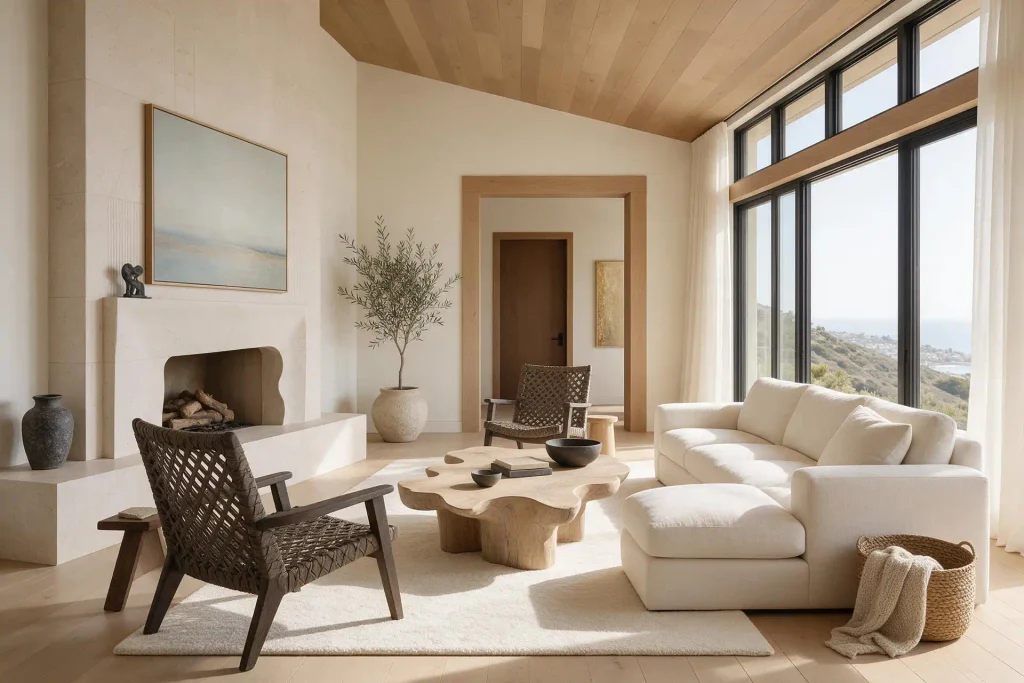
    A timber ceiling can transform a contemporary coastal room by introducing warmth above an otherwise light and neutral interior. Pale oak, cedar, or whitewashed wood planks work particularly well because they retain a natural appearance without making the room feel dark. Keep surrounding walls warm white and use large windows to maintain brightness. The ceiling then becomes an architectural focal point that subtly references traditional beach cottages while remaining appropriate for contemporary homes.

    Repeat the wood tone selectively throughout the room to create visual continuity. An oak coffee table, slim console, or exposed shelving can echo the ceiling without overwhelming the design. Pair these elements with cream linen seating, limestone accents, and an understated rug. Black-framed windows or modern lighting can add crisp definition. This balance between natural warmth and contemporary lines creates a sophisticated coastal living room that feels architectural, comfortable, and connected to the organic materials found in seaside environments.

    18. Black and White Contemporary Coastal Living Room
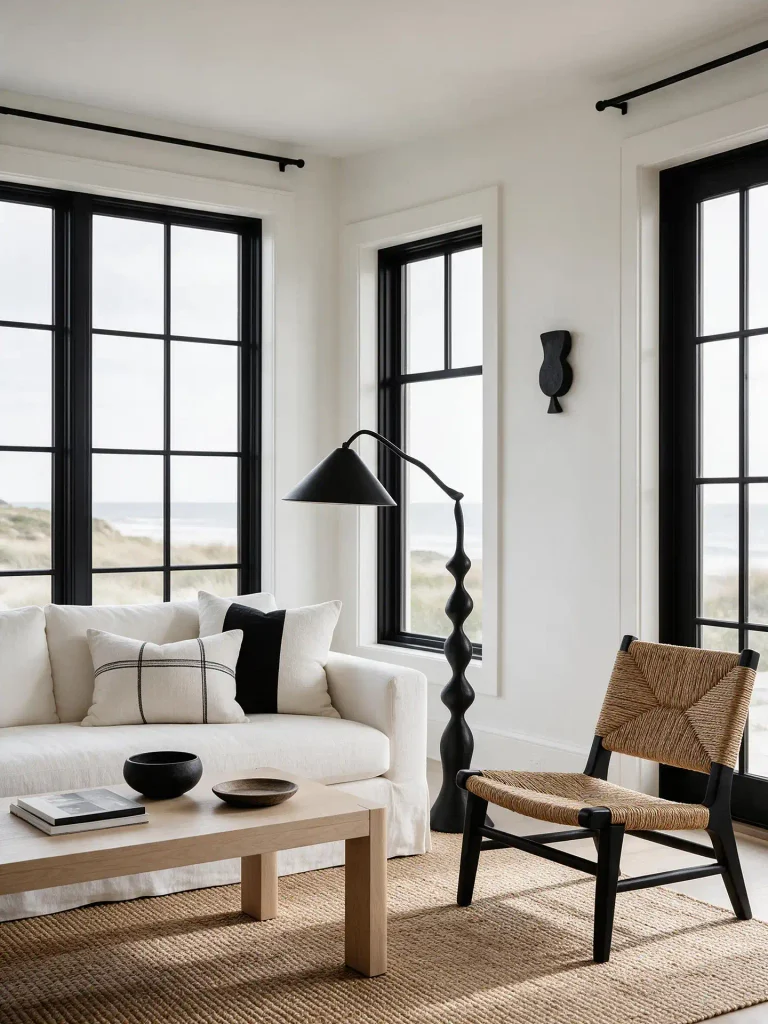
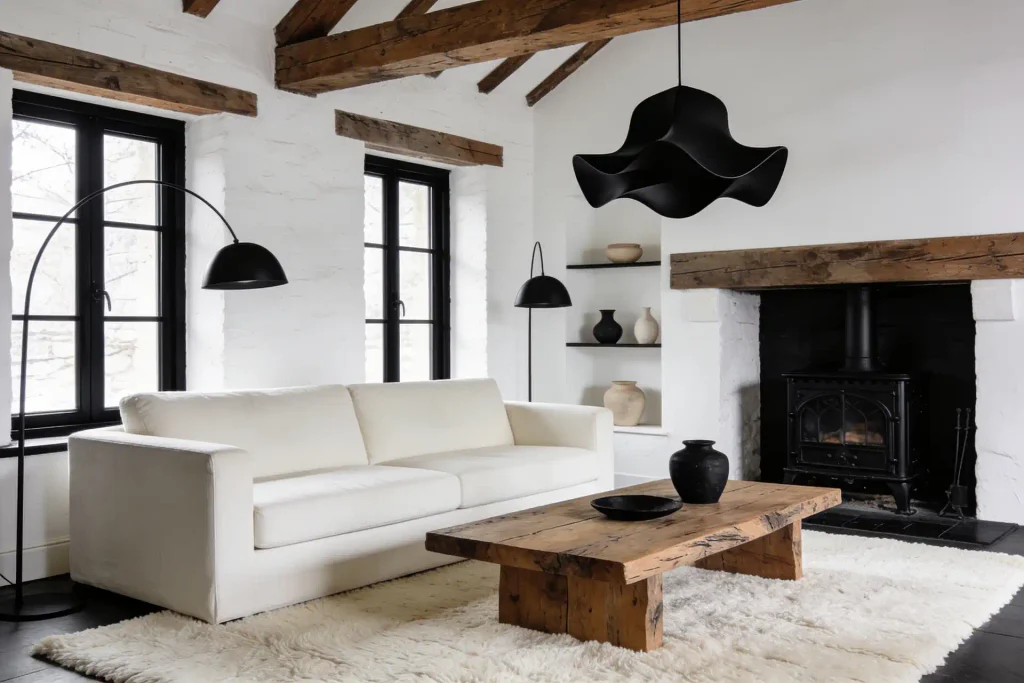
    Black accents can give coastal interiors a sharper contemporary edge. Begin with warm white walls, an ivory sofa, and pale wood furniture, then introduce black through window frames, floor lamps, sconces, side tables, or thin picture frames. The darker details create structure and visual contrast without eliminating the relaxed coastal atmosphere. Avoid allowing black to dominate the palette; its role should be to define architectural features and provide punctuation among softer neutral surfaces.

    Natural materials are essential for preventing a black-and-white scheme from feeling stark. Layer jute, linen, rattan, oak, and textured ceramics throughout the room. Muted blue or warm tan accessories can introduce subtle color if desired. A large black-framed window overlooking greenery or water becomes especially effective because it visually frames the landscape like artwork. Combining graphic contemporary details with warm organic materials creates a polished coastal living room that feels sophisticated, modern, and distinctly different from traditional blue-and-white beach decor.

    19. Sage Green Contemporary Coastal Living Room
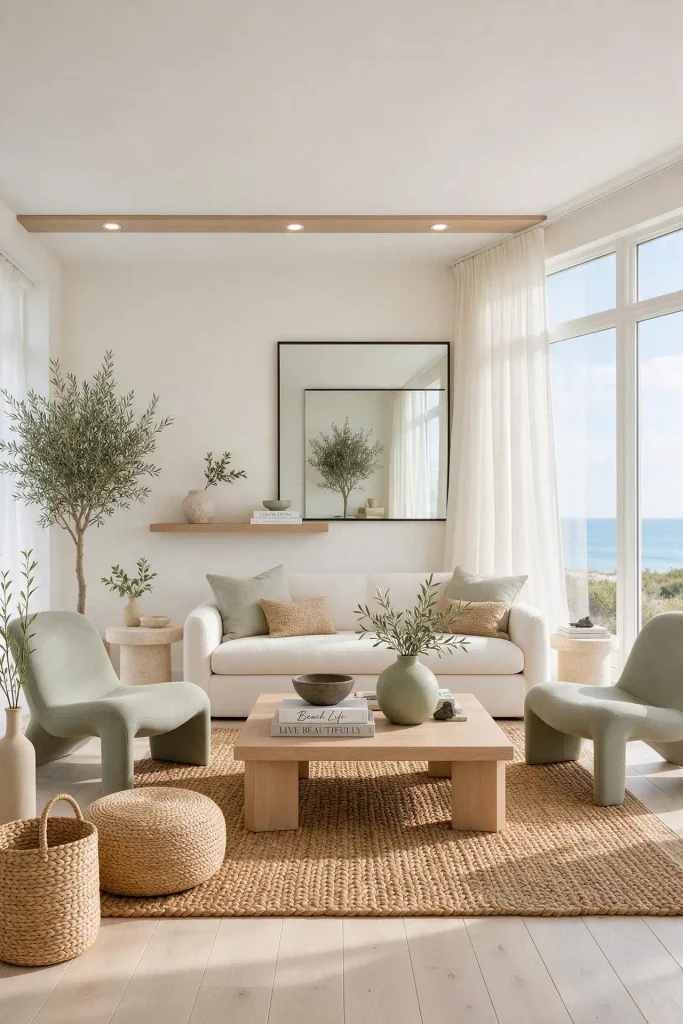
    Sage green provides an alternative to traditional ocean blue while maintaining a connection to coastal landscapes. The color references dune grass, coastal vegetation, eucalyptus, and weathered foliage, making it particularly suitable for contemporary organic interiors. Use sage through an accent chair, cushions, artwork, or muted cabinetry while keeping the larger surfaces cream, warm white, and natural wood. This creates a subtle color story that feels calm rather than overtly themed.

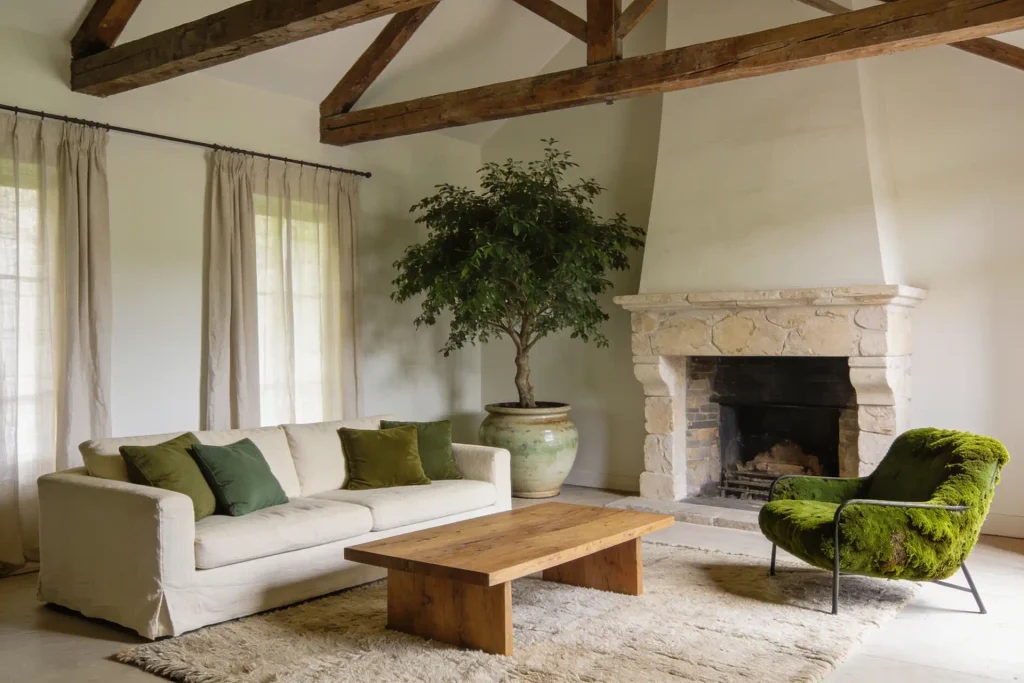
    Combine sage with sandy beige, pale oak, woven fibers, and limestone for a sophisticated earth-inspired palette. A large indoor olive tree or arrangement of natural branches can reinforce the botanical connection. Linen upholstery and curtains preserve the casual character expected from coastal interiors, while contemporary lighting and clean furniture silhouettes keep the room current. This palette works especially well in homes surrounded by greenery or dunes, where the interior can visually connect with the landscape beyond the windows.

    20. Contemporary Coastal Living Room With Built-In Shelves
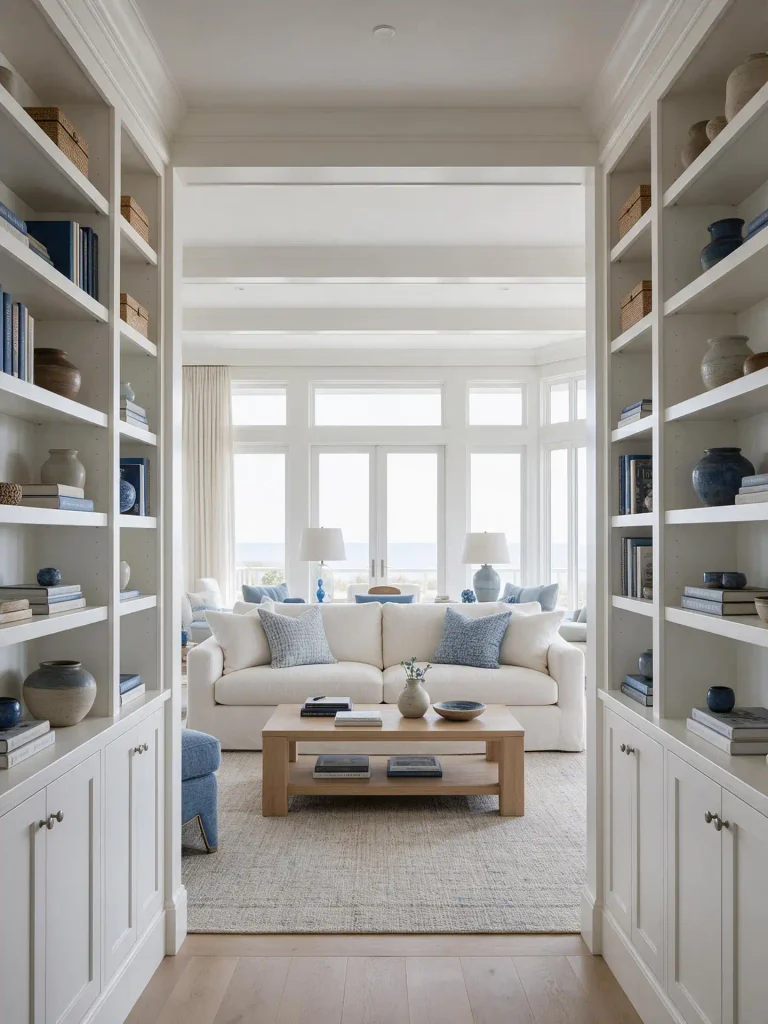
    Built-in shelving provides storage and architectural character while giving homeowners an opportunity to display coastal influences subtly. Paint shelves warm white to blend them into the walls or use natural oak for additional warmth. Instead of filling every opening, leave generous negative space around books, handmade ceramics, sculptural objects, woven boxes, and a few framed artworks. An intentionally edited display looks significantly more contemporary than shelves packed with conventional beach decorations.

    Built-ins can also incorporate concealed cabinetry at the bottom, keeping electronics, games, and everyday objects out of sight. If the living room includes a television, surrounding it with balanced shelving can integrate the screen more successfully into the architecture. Repeat colors from the seating area through selected books and ceramics to create cohesion. Avoid filling the shelves with seashells and miniature boats; natural materials and abstract references to the coast produce a more timeless, sophisticated result.

    21. Contemporary Coastal Living Room With Large Windows
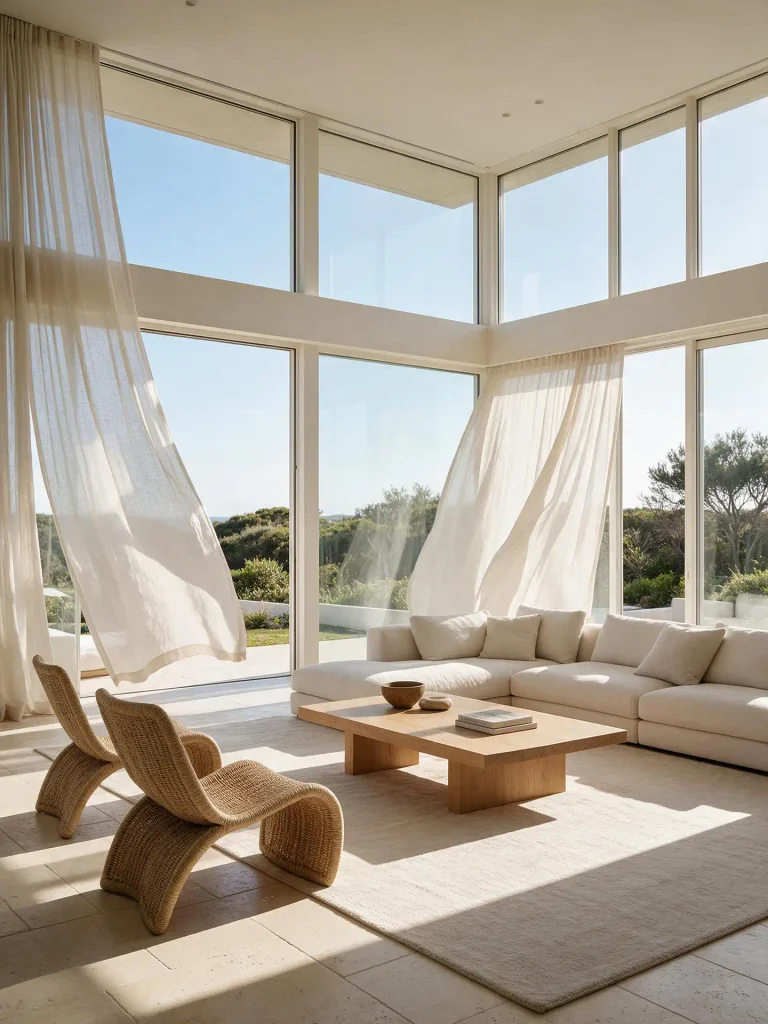
    Natural light is one of the most important elements of contemporary coastal design. Large windows can make even a neutral interior visually dynamic by introducing changing daylight, exterior greenery, sky, and water views. Keep window treatments lightweight using sheer linen or cotton curtains that soften direct sunlight without making the room feel enclosed. Where privacy permits, leaving portions of the glazing uncovered creates an especially clean architectural appearance.

    Arrange furniture to respect the windows rather than blocking them with oversized cabinets or tall-backed pieces. Low sofas and lounge chairs maintain uninterrupted views and allow daylight to travel deeper into the room. Pale walls, limestone surfaces, light timber, and neutral rugs help reflect natural illumination. During the evening, warm lamps and discreet architectural lighting can replace sunlight without changing the relaxed atmosphere. Designing around windows produces a coastal living room that feels connected to its environment throughout the day.

    22. Contemporary Coastal Living Room With Indoor Plants
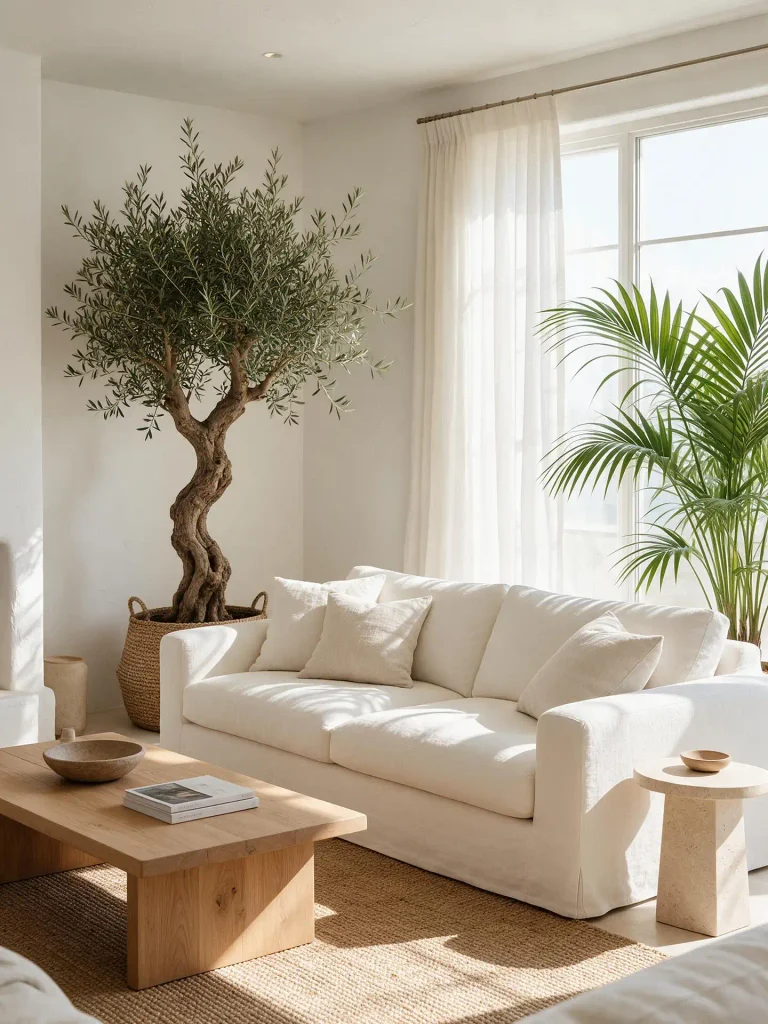
    Indoor plants can strengthen the connection between contemporary coastal interiors and the natural landscape. Instead of creating a dense tropical environment, select several sculptural plants that complement the architecture. An olive tree, ficus, kentia palm, or other suitable indoor greenery can fill an empty corner and introduce height. Place plants in simple stone, ceramic, or woven planters that coordinate with the neutral materials throughout the room.

    Green foliage looks particularly striking against warm white plaster walls and pale wood furniture. Pair plants with a cream sofa, natural rug, linen curtains, and stone coffee table to build an organic material palette. Consider plant placement carefully so foliage receives appropriate light and does not interrupt pathways. Botanical elements provide color without relying on conventional coastal blue, making them ideal for homeowners seeking a modern interpretation of seaside style. The finished room feels fresh, relaxed, and naturally layered.

    23. Contemporary Coastal Living Room With Linen Sofa
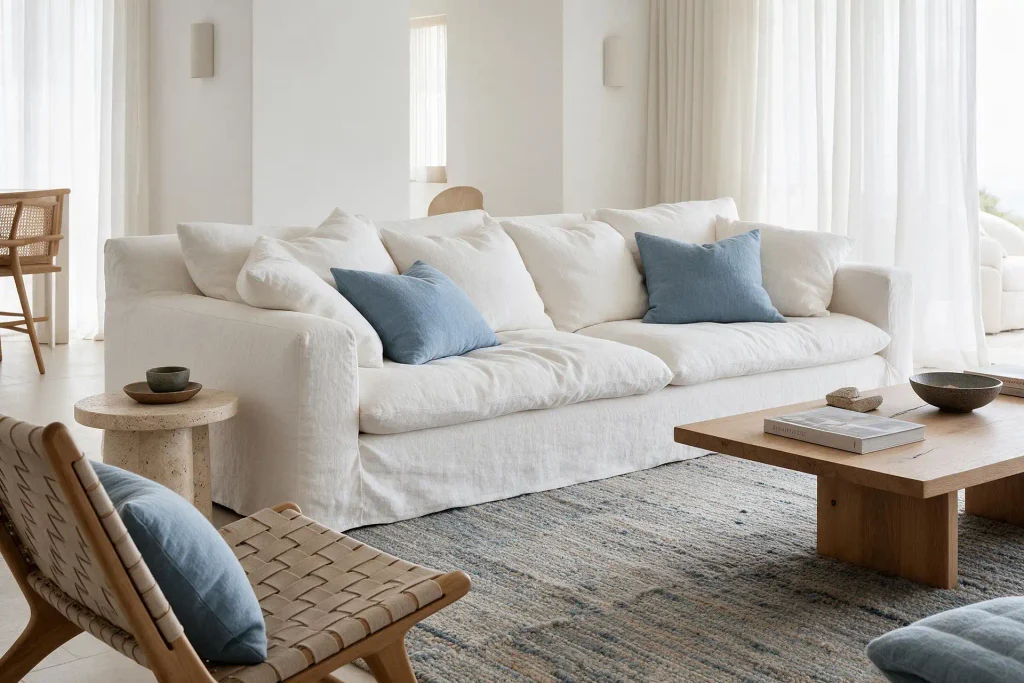
    A linen sofa is particularly well suited to coastal living because its natural texture looks relaxed without appearing careless. Choose ivory, oatmeal, warm white, or pale stone upholstery to create a versatile foundation for seasonal accessories. Deep seating and generous cushions reinforce the comfortable character of a beach house, while a clean-lined frame maintains a contemporary silhouette. Performance fabrics with a linen-like appearance can be a practical alternative for households concerned about durability and maintenance.

    Build the surrounding design with materials that complement linen’s subtle texture. Natural oak, woven fibers, travertine, ceramic, and wool create a layered yet cohesive environment. Add only a few cushions in muted ocean blue, sage, stripe, or sandy beige rather than covering the sofa completely. A lightweight throw introduces additional softness. With its combination of elegance and informality, a neutral linen sofa can anchor virtually any contemporary coastal color palette and remain adaptable as trends evolve.

    24. Contemporary Coastal Living Room With Boucle Chairs
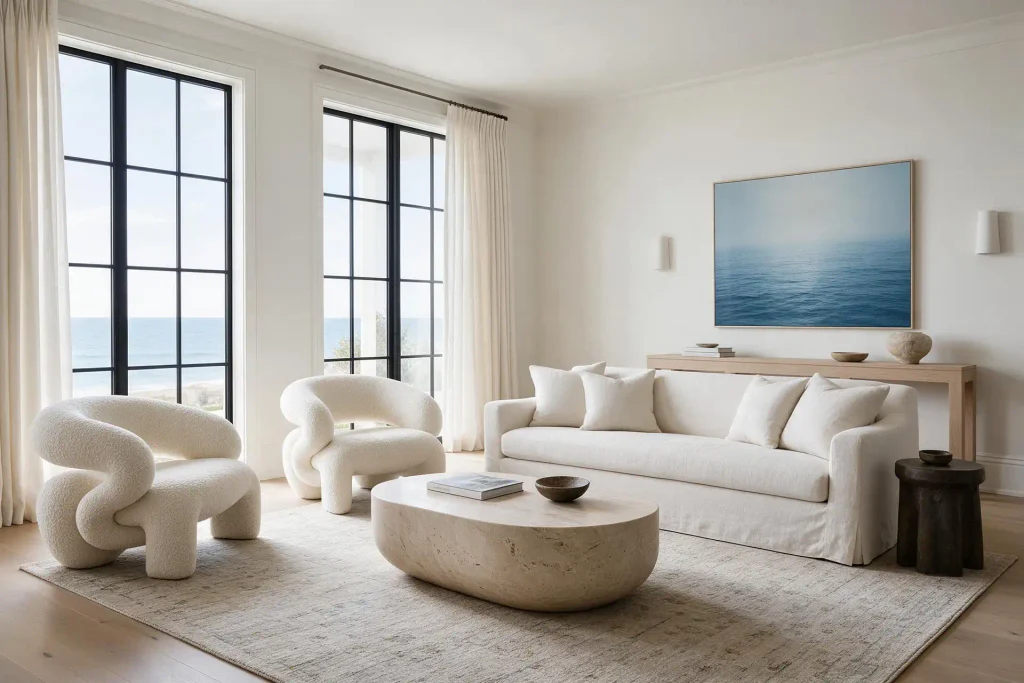
    Boucle chairs introduce softness and sculptural character to a modern coastal seating arrangement. Their tactile surface contrasts beautifully with smooth stone, woven fibers, and natural timber. Choose cream, ivory, oatmeal, or pale beige upholstery and consider rounded silhouettes that soften the straight architectural lines often found in contemporary homes. Position two matching chairs opposite a sofa to create a balanced conversation area, or use one statement chair in a smaller room.

    Because boucle already provides substantial texture, surrounding materials can remain relatively simple. Pair the chairs with a linen sofa, travertine coffee table, pale oak console, and understated rug. Natural daylight highlights the fabric’s dimensional surface, making the room feel warmer and more layered. Add muted coastal colors through artwork or small accessories rather than competing patterns. This combination brings current furniture design into the coastal aesthetic while preserving the serene, comfortable qualities that make seaside-inspired living rooms appealing.

    25. Contemporary Coastal Living Room With Statement Lighting
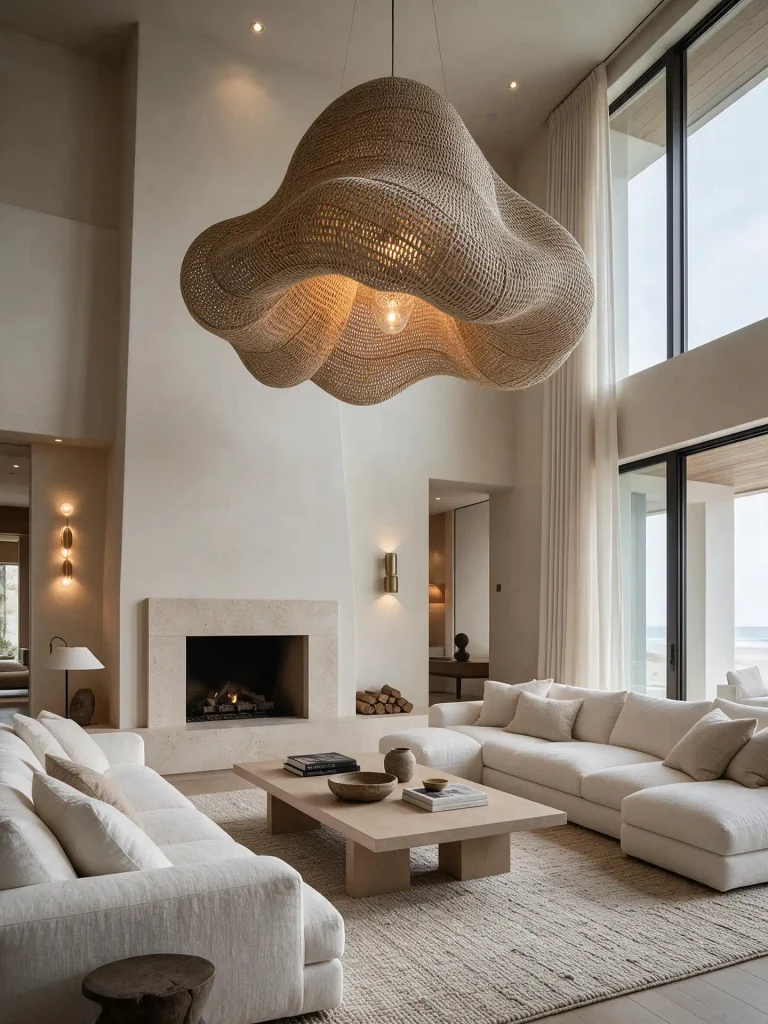
    Statement lighting can add personality to a restrained contemporary coastal interior without introducing unnecessary decorative clutter. Oversized woven pendants, sculptural plaster fixtures, linen shades, and modern chandeliers made from natural materials can create a strong focal point. Scale is important: in a spacious living room with high ceilings, a fixture that appears large when viewed independently may feel perfectly proportioned within the architecture.

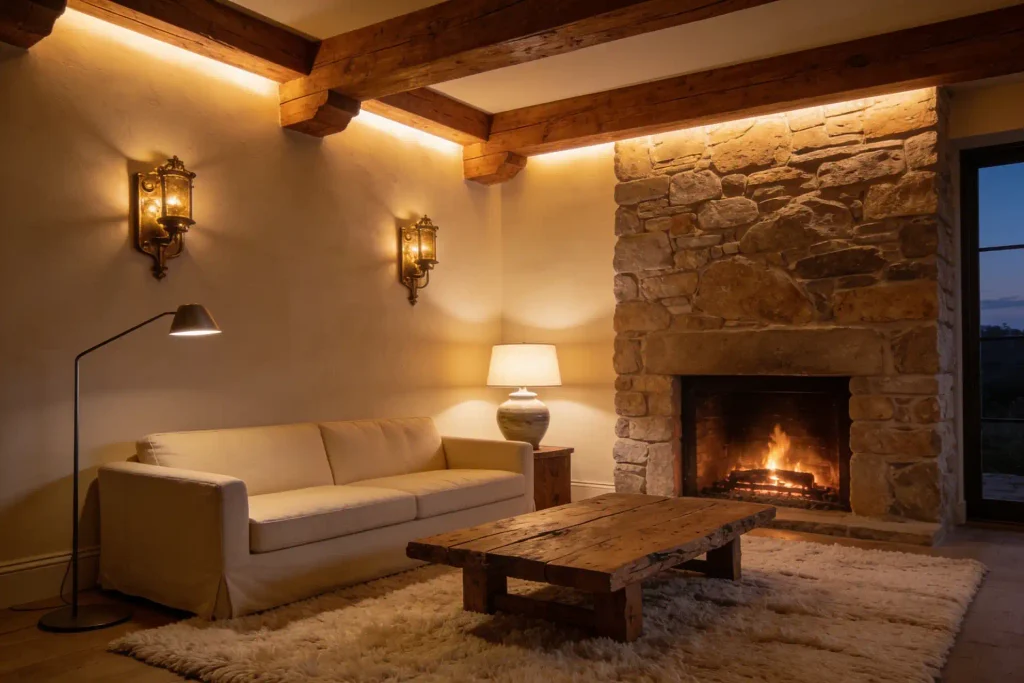
    Coordinate statement lighting with smaller sources throughout the room. Floor lamps beside reading chairs, table lamps on consoles, and discreet wall sconces create layers of illumination for evenings. Warm light temperatures generally complement natural wood, linen, and sandy color palettes more successfully than harsh cool lighting. Keep the furniture relatively understated when the overhead fixture is dramatic. This approach allows lighting to function as both practical illumination and sculptural art while maintaining the relaxed sophistication of contemporary coastal design.

    26. Contemporary Coastal Living Room With Coastal Artwork
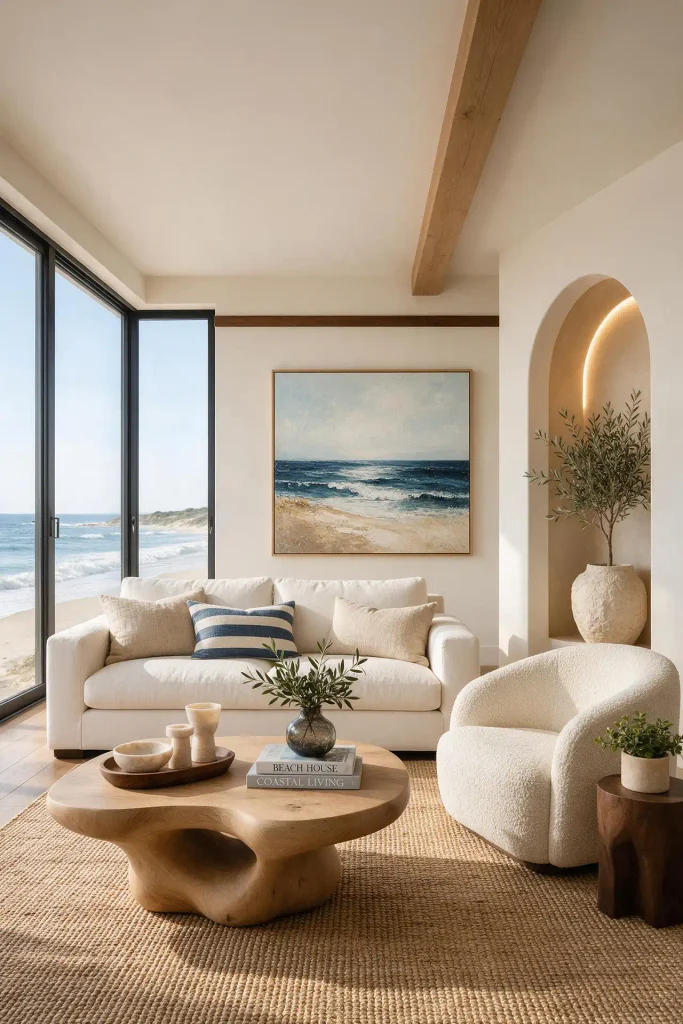
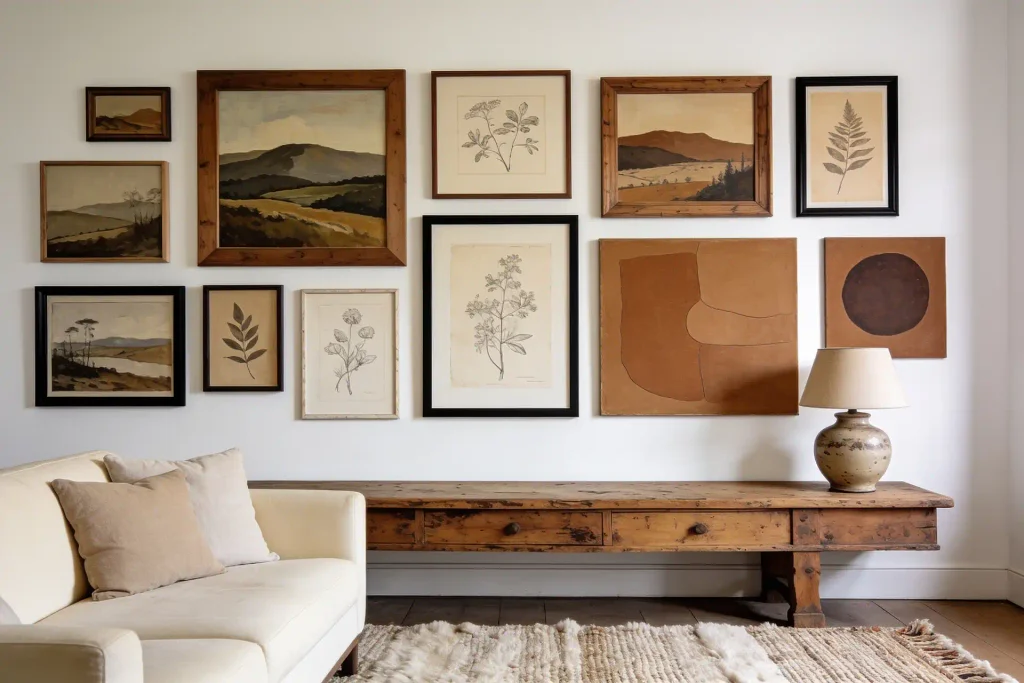
    Artwork offers an opportunity to reference the coast without turning the room into a themed environment. Choose oversized abstract pieces inspired by water, sky, dunes, or shoreline colors rather than literal signs and predictable nautical imagery. Soft blue, gray, beige, white, and muted green artwork can establish the room’s palette while adding personality above a neutral sofa. One substantial artwork generally creates a more contemporary statement than numerous small pieces.

    Frames should complement the architecture and furniture. Pale oak, white, or thin black frames work well depending on the room’s overall palette. Consider textured paintings, minimalist photography, or abstract landscape compositions that evoke rather than explicitly illustrate the coast. Repeat one or two colors from the artwork through cushions or ceramics for subtle cohesion. By treating coastal artwork as a sophisticated visual reference rather than thematic decoration, the room remains timeless and appropriate even if other furnishings change later.

    27. Open-Concept Contemporary Coastal Living Room

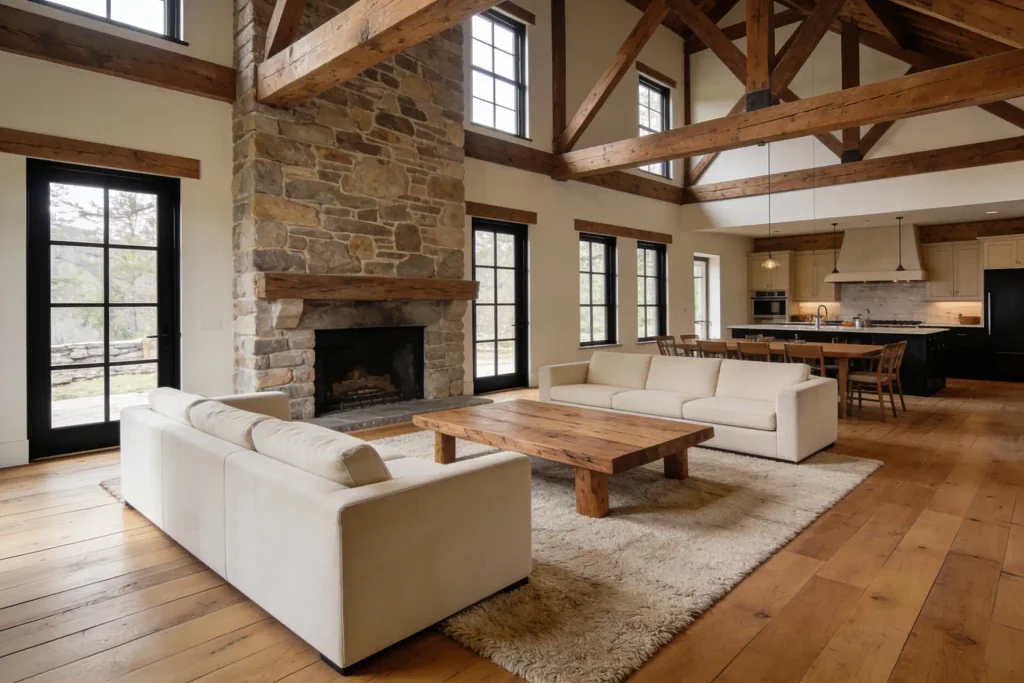
    An open-concept coastal living room should feel visually connected to adjacent dining and kitchen areas while still functioning as a distinct zone. Use a large rug to define the seating area and orient the sofa strategically to establish boundaries without constructing walls. Repeating natural oak, warm white, stone, and muted blue throughout neighboring spaces creates continuity. Keep furniture heights relatively low so sightlines remain open across the broader interior.

    Consistency does not require every element to match. For example, oak kitchen cabinetry can relate to a living room coffee table while dining chairs introduce woven texture seen elsewhere in the seating area. Pendant lights can share similar organic materials without being identical. Maintain generous circulation routes between zones, particularly toward exterior doors and terraces. An integrated approach allows a contemporary coastal home to feel expansive, social, and filled with light while each functional area retains its own visual identity.

    Image Prompt: Expansive open-concept contemporary coastal living room, ivory sectional defining seating zone, natural oak coffee table, woven chairs, adjacent modern coastal dining area and pale oak kitchen, warm white architecture, limestone surfaces, large neutral rug, enormous sliding glass doors, bright airy beach house floor plan, sophisticated photorealistic interior photography, no people, 1024 × 683 pixels, vertical composition.

    28. Contemporary Coastal Living Room With Sliding Glass Doors

    Large sliding glass doors can create a seamless transition between a coastal living room and an outdoor terrace, patio, or garden. Choose slim frames where architecture permits to maximize the visual connection with the exterior. Inside, arrange furniture so circulation toward the doors remains unobstructed. A low sectional, streamlined chairs, and an appropriately scaled coffee table maintain an open feeling while providing comfortable everyday seating.

    Repeating similar colors and materials outdoors can strengthen indoor-outdoor continuity. Pale stone flooring, natural timber, woven furniture, and cream upholstery can appear on both sides of the glazing while remaining suitable for their respective environments. Lightweight curtains soften the glass when necessary without permanently hiding the view. When doors are opened, the living room effectively expands into the outdoor space, creating the effortless relationship with nature that sits at the heart of contemporary coastal architecture.

    Image Prompt: Airy contemporary coastal living room with sliding glass doors, enormous open glass doors connecting interior to coastal terrace, low ivory linen sectional, natural oak coffee table, woven lounge chairs, pale limestone flooring continuing outdoors, neutral rug, linen curtains, ocean vegetation and sunlight, luxurious indoor-outdoor modern beach house, photorealistic, no people, 1024 × 683 pixels, vertical composition.

    29. Moody Contemporary Coastal Living Room

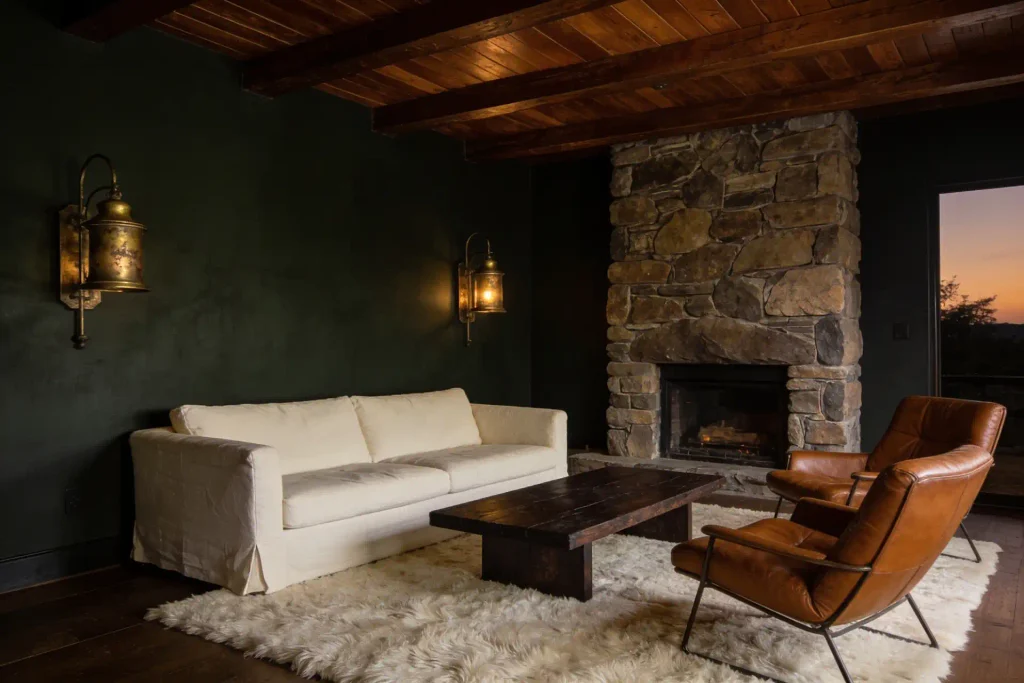
    Contemporary coastal rooms do not always need to be bright white. A moodier palette can create a sophisticated interpretation using slate blue, charcoal, deep ocean green, weathered gray, and dark timber balanced by lighter upholstery. Consider painting one architectural wall a muted blue-gray or selecting darker built-in cabinetry. Cream sofas and warm beige textiles provide contrast, preventing the space from becoming excessively dark.

    Lighting becomes especially important with deeper colors. Large windows can create dramatic contrast during daylight, while warm sconces and lamps establish intimacy at night. Introduce aged brass, walnut, dark oak, and textured stone for additional richness. Coastal artwork can reference stormy seas or atmospheric horizons rather than sunny beaches. This design direction is particularly effective for contemporary homes where owners want the tranquility of coastal style combined with a more dramatic, grown-up visual identity.

    Image Prompt: Dramatic moody contemporary coastal living room, deep slate blue textured walls, luxurious cream linen sofa, dark walnut coffee table, aged brass wall lights, charcoal and sand cushions, textured neutral rug, large window overlooking atmospheric ocean, sophisticated modern coastal decor, warm cinematic lighting, premium photorealistic interior photography, no people, 1024 × 683 pixels, vertical composition.

    30. Warm Contemporary Coastal Living Room

    A warm contemporary coastal living room replaces cool whites with cream, ivory, camel, sand, honey oak, and sun-baked beige. This palette works especially well for homeowners who love coastal interiors but want a welcoming atmosphere throughout the year. Start with creamy walls and a light neutral sofa, then introduce warm timber furniture and caramel or tan accents. Soft natural daylight enhances these colors without sacrificing the airy character associated with beach houses.

    Texture helps distinguish the various warm neutrals. Combine linen upholstery, a wool rug, woven rattan, rough ceramics, honed stone, and visible timber grain to produce depth. Muted terracotta can appear sparingly through cushions or decorative pottery, referencing sun-warmed coastal landscapes. Avoid overly yellow lighting or excessive brown furniture; the room should remain fresh and luminous. The result is a comfortable contemporary coastal environment that feels equally appropriate during summer evenings and cooler seasons.

    Image Prompt: Cozy warm contemporary coastal living room, creamy linen sofa, honey-toned oak coffee table, camel accent chair, warm beige plaster walls, ivory wool rug, woven rattan details, subtle terracotta ceramics, linen curtains, golden natural sunlight, sophisticated inviting modern beach house interior, photorealistic editorial photography, no people, 1024 × 683 pixels, vertical composition.

    31. Contemporary Coastal Living Room With TV

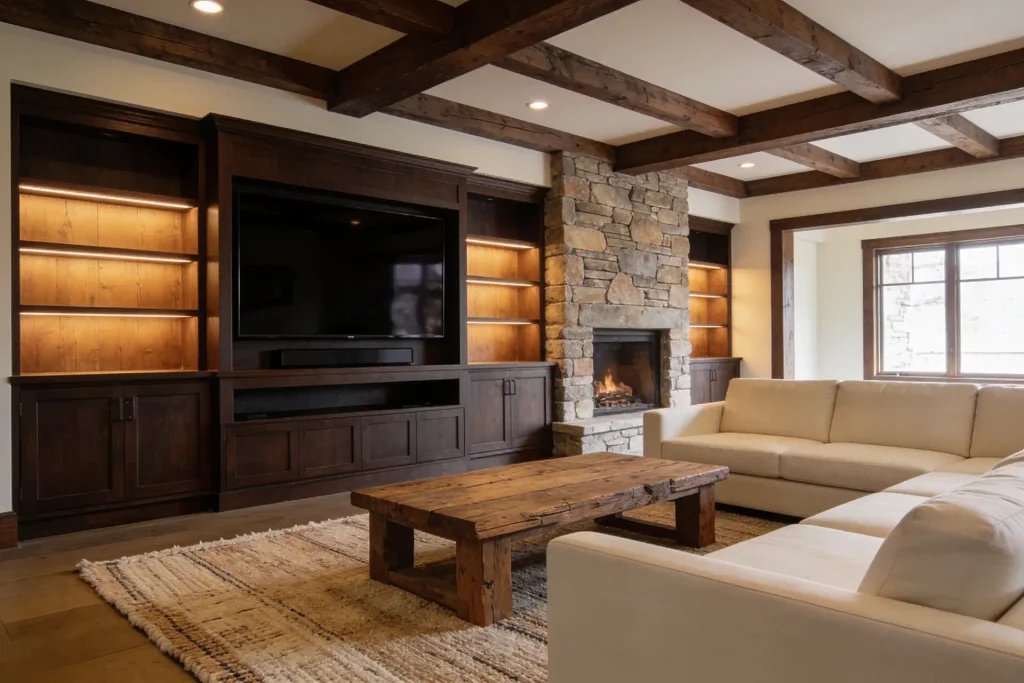
    A television can coexist with sophisticated coastal design when it is integrated thoughtfully. Instead of allowing a large black screen to dominate the room, incorporate it into pale oak cabinetry, warm white built-ins, or a restrained media wall. Keep cables and electronics concealed wherever practical. A low-profile console creates storage while maintaining the horizontal lines commonly associated with contemporary interiors.

    Arrange seating for comfortable television viewing without sacrificing conversation or exterior views. A sectional may face the media wall while movable lounge chairs angle toward both the sofa and windows. Natural timber cabinetry, linen upholstery, woven accessories, and a textured rug soften the technology. Decorative objects around the television should remain minimal so the wall does not become visually busy. A carefully integrated media area allows the coastal living room to remain beautiful while accommodating the practical requirements of everyday family life.

    Image Prompt: Functional luxury contemporary coastal living room with TV, large television seamlessly integrated into pale natural oak media wall, low cabinetry, oversized ivory linen sectional, sculptural wood coffee table, woven lounge chair, neutral wool rug, warm white walls, large coastal windows, concealed electronics, sophisticated modern beach house family room, photorealistic, no people, 1024 × 683 pixels, vertical composition.

    32. High-End Contemporary Coastal Living Room

    A high-end contemporary coastal living room brings together architecture, craftsmanship, comfort, and natural materials in a cohesive composition. Start with a carefully considered layout that prioritizes natural light, exterior views, and comfortable conversation. Large custom sofas, sculptural lounge chairs, oversized rugs, and artisan furniture establish scale. Use limestone, travertine, oak, linen, wool, and handwoven fibers to build a sophisticated material palette rooted in the colors and textures of the coastline.

    Luxury should appear through details rather than unnecessary ornament. Floor-to-ceiling glazing, custom millwork, concealed storage, carefully integrated lighting, and beautifully finished natural surfaces can make the room feel exceptional without becoming ostentatious. Choose artwork and decorative objects individually rather than filling surfaces simply for decoration. Warm neutral colors provide longevity while muted ocean shades can introduce restrained coastal identity. The final room should feel effortless: refined enough for an architectural magazine yet comfortable enough for relaxed everyday living.

    Image Prompt: Spectacular high-end contemporary coastal living room, custom oversized ivory linen sofas, sculptural cream boucle chairs, monumental natural travertine coffee table, white oak architectural millwork, limestone flooring, enormous floor-to-ceiling ocean windows, sheer linen curtains, handcrafted ceramics, luxury statement lighting, layered neutral textiles, sophisticated modern beach residence, ultra-photorealistic editorial interior photography, no people, 1024 × 683 pixels, vertical composition.

    Final Thoughts

    The best contemporary coastal living room ideas are defined by atmosphere rather than obvious seaside decorations. Natural daylight, comfortable furniture, linen and woven textiles, pale timber, stone, organic shapes, and a calm color palette can communicate coastal living more effectively than anchors, shells, or heavily themed accessories. Combining these natural elements with clean architectural lines creates a room that feels modern while preserving the warmth and relaxation people associate with coastal homes.

    When designing your own modern coastal living room, focus first on light, layout, material quality, and comfortable furniture. Then introduce subtle references to the landscape through sandy neutrals, ocean-inspired blues, sage greens, natural oak, rattan, jute, limestone, travertine, and organic artwork. Whether your home is a compact apartment, contemporary beach house, coastal farmhouse, or luxury residence, this balanced approach can create a timeless interior that remains fresh well beyond short-lived decorating trends.

  • Christmas Tree Trends 2026: 35 Beautiful Decorating Ideas for the Holiday Season

    Christmas Tree Trends 2026: 35 Beautiful Decorating Ideas for the Holiday Season

    Christmas tree trends 2026 are bringing warmth, personality, nostalgia, and expressive color back into holiday decorating. Instead of following one rigid Christmas aesthetic, homeowners are creating trees that tell stories through meaningful ornaments, layered ribbons, rich colors, natural materials, vintage details, and statement decorations. Traditional red and green remain important, but deeper burgundy, chocolate brown, jewel tones, champagne gold, forest green, and unexpected playful colors are expanding the Christmas palette.

    Another defining feature of 2026 Christmas decor is the balance between old and new. Vintage-inspired ornaments can sit beside sculptural modern baubles, while classic plaid ribbon can be combined with metallic finishes and contemporary lighting. Woodland Christmas themes, oversized bows, nostalgic ornaments, warm metallics, dramatic dark trees, natural decorations, and maximalist styling are all influencing the season.

    1. Nostalgic Christmas Trees

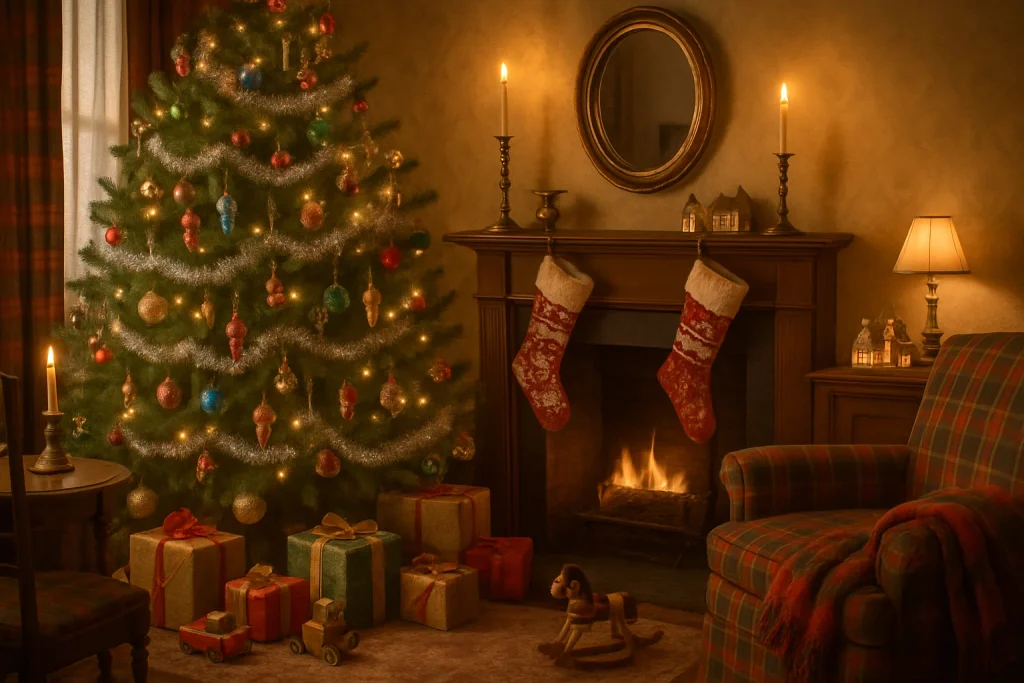
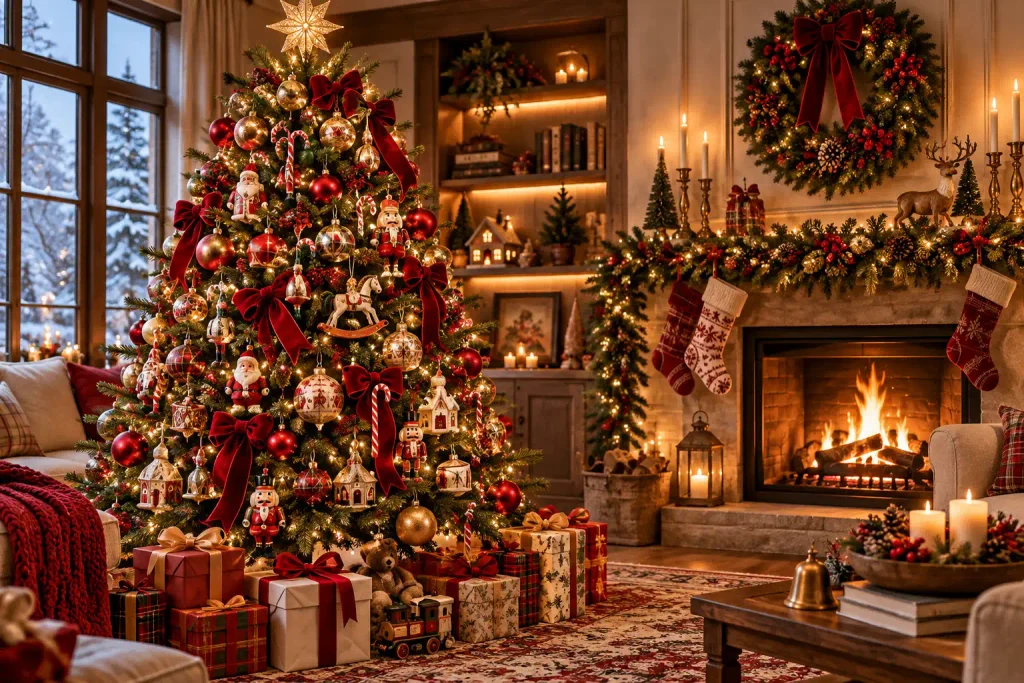
    Nostalgia is one of the most important Christmas tree trends for 2026, bringing back the comforting appearance of holiday celebrations from decades past. Rather than decorating every branch with identical ornaments, this style combines vintage glass baubles, traditional Santas, candy canes, bells, miniature houses, wooden decorations, handmade ornaments, and sentimental family pieces. Classic red, evergreen, cream, and warm gold create a familiar Christmas color palette, while softly glowing lights give the tree the cozy character associated with childhood holiday memories.

    The beauty of a nostalgic Christmas tree comes from its collected appearance. Decorations do not need to match perfectly because variation creates personality and visual history. Heirloom ornaments can be mixed with newly purchased vintage-inspired pieces, velvet ribbon, strings of beads, traditional stars, and old-fashioned Christmas characters. Instead of looking professionally coordinated, the finished tree should appear as though its decorations were gathered gradually over many Christmas seasons. This approach works especially well in traditional, cottage, farmhouse, rustic, and transitional living rooms.

    2. Jewel-Tone Christmas Trees

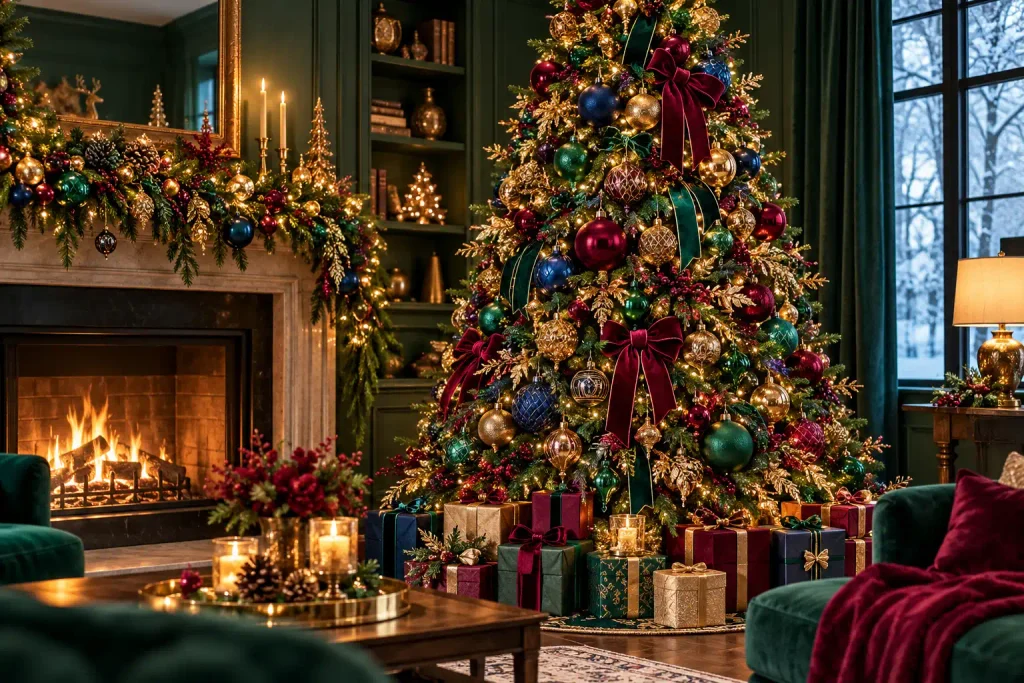
    Deep jewel tones bring sophisticated color to Christmas trees in 2026. Emerald green, sapphire blue, ruby red, garnet, amethyst purple, and deep teal can be layered throughout evergreen branches to produce a dramatic yet elegant holiday display. These saturated shades work particularly well with velvet ribbon, reflective glass ornaments, metallic accessories, and warm white Christmas lights. Unlike pale minimalist palettes, jewel tones create depth and make the Christmas tree feel luxurious even when the overall ornament collection remains relatively simple.

    For a cohesive jewel-tone Christmas tree, repeat several dominant colors from the top of the tree to its lower branches rather than concentrating each shade in one area. Mix matte ornaments with transparent glass, velvet, metallic finishes, and faceted decorative pieces to prevent the darker palette from appearing flat. Champagne gold, antique brass, or warm bronze can provide highlights between emerald, burgundy, sapphire, and plum ornaments. The result is a richly layered tree suited to elegant living rooms, formal interiors, and sophisticated Christmas decorating schemes.

    3. Oversized Bow Christmas Trees

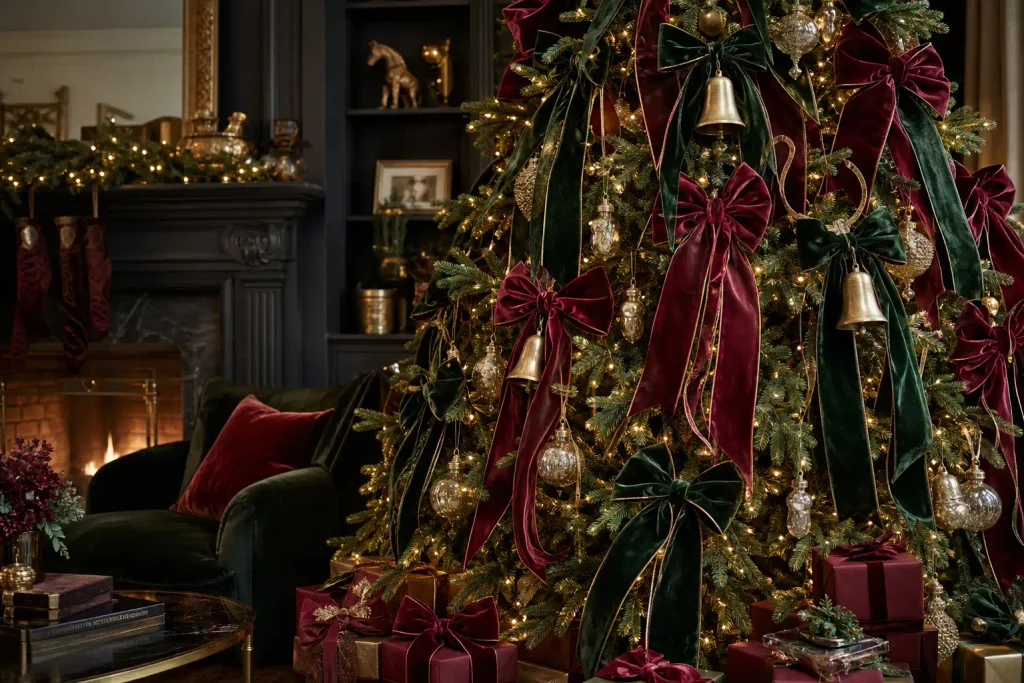
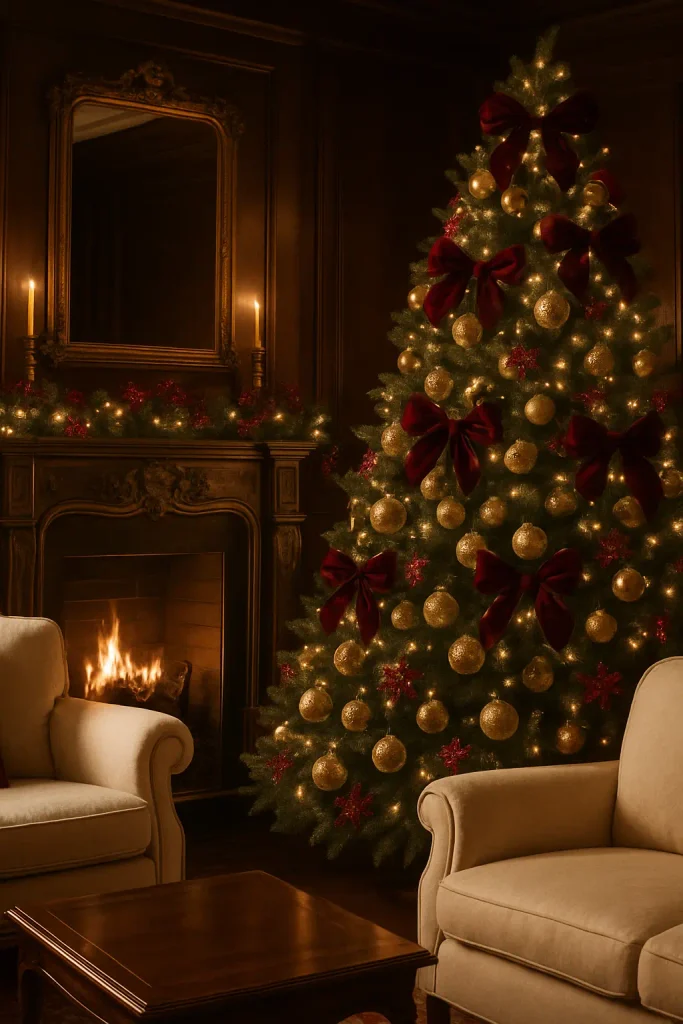
    Oversized bows continue to transform Christmas trees into dramatic decorative statements. In 2026, bows can function as tree toppers, branch decorations, or flowing focal points incorporated into ribbon arrangements. Current seasonal coverage is already highlighting large plaid and satin bows as major statement pieces. Instead of relying exclusively on traditional stars or angels, an enormous velvet, satin, plaid, or patterned bow can instantly establish the entire decorating theme.

    Smaller coordinating bows can then be distributed throughout the branches to connect the topper with the rest of the Christmas tree. Burgundy velvet creates a sophisticated heritage effect, while red satin feels traditional and playful. Plaid bows complement nostalgic Christmas decorating, and pale blue or champagne ribbon can create a softer contemporary interpretation. Keep some surrounding ornaments understated when using an exceptionally large topper so the bow remains visually dominant. Long ribbon tails cascading through the branches can further emphasize the tree’s height.

    4. Woodland Christmas Trees

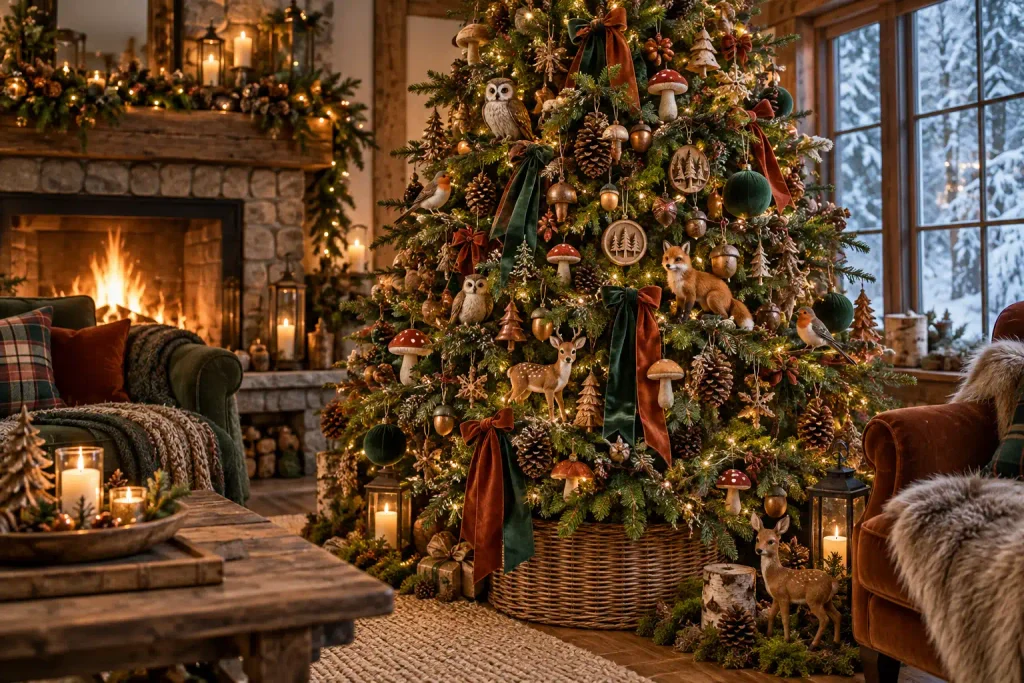
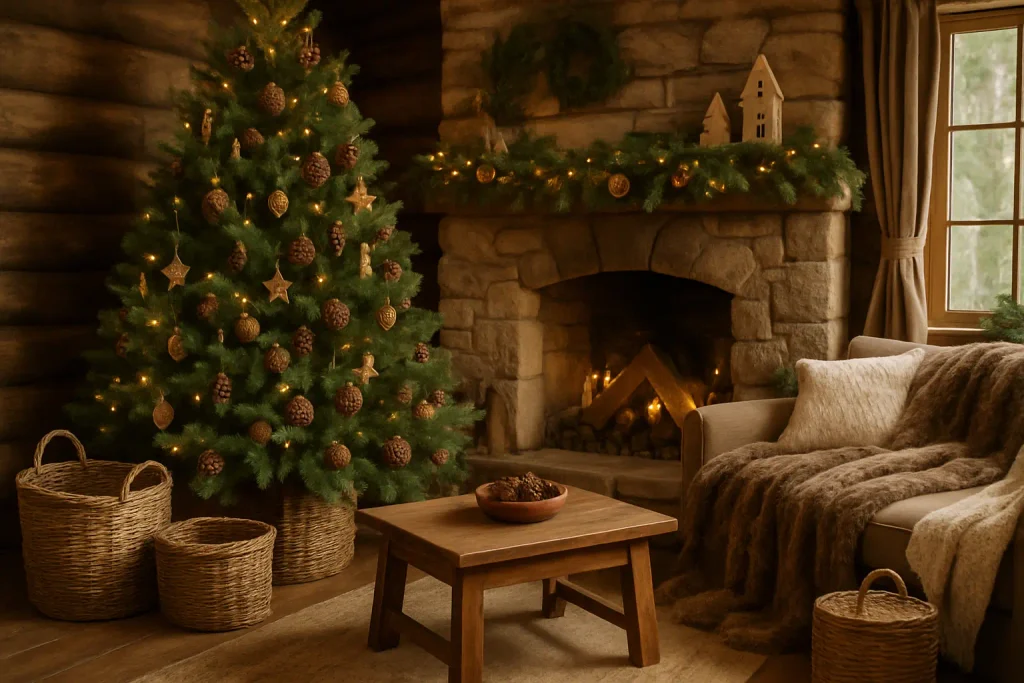
    The woodland Christmas tree brings forests, wildlife, and storybook details indoors. Mushrooms, pinecones, acorns, owls, foxes, deer, birds, wooden ornaments, felt animals, and miniature forest decorations are among the motifs associated with the 2026 woodland direction. Forest green naturally provides the foundation, while moss, rust, brown, cream, burgundy, mushroom beige, and subtle gold establish a warm earthy palette.

    Texture is essential when creating this look. Combine real or realistic pinecones with wooden ornaments, felt decorations, velvet mushrooms, dried botanicals, berries, twigs, and natural-looking garlands. Woodland animals should appear tucked between branches rather than simply hanging from their tips, creating the illusion of a miniature enchanted forest within the tree. Warm white lights work particularly well because they illuminate natural materials without overpowering their earthy colors. A woven basket or rustic tree collar completes the organic woodland aesthetic.
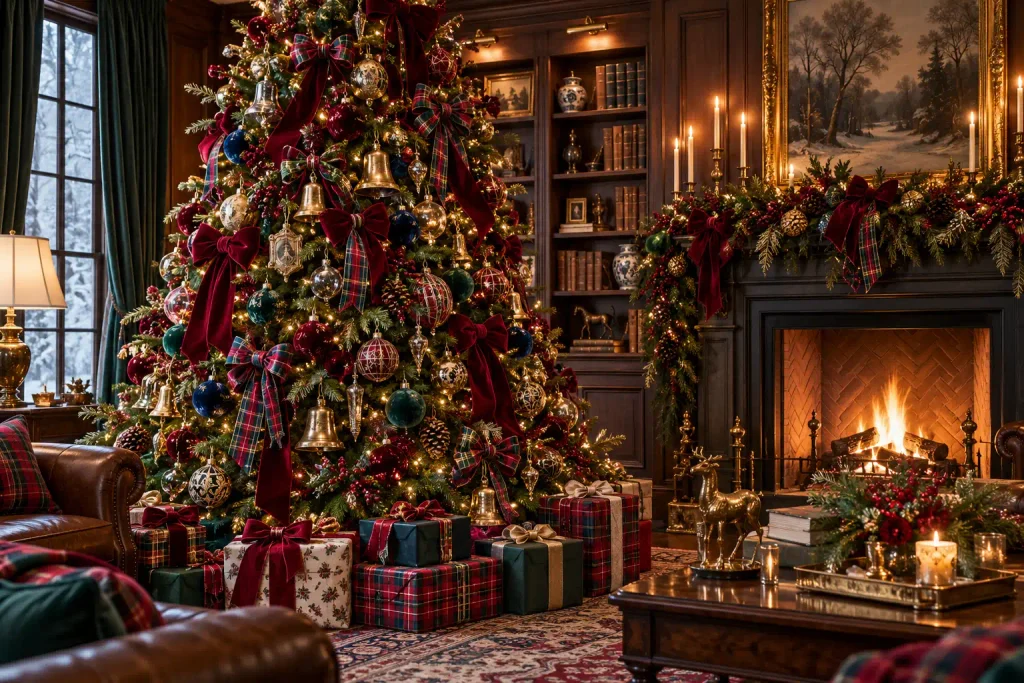
    5. Heritage Tartan Christmas Trees

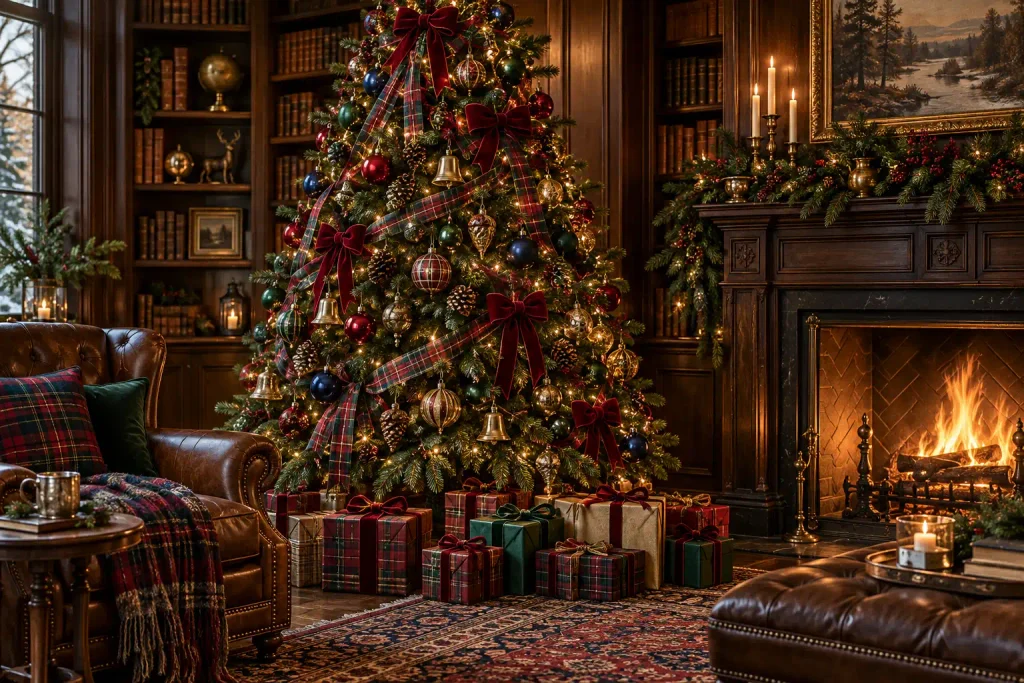
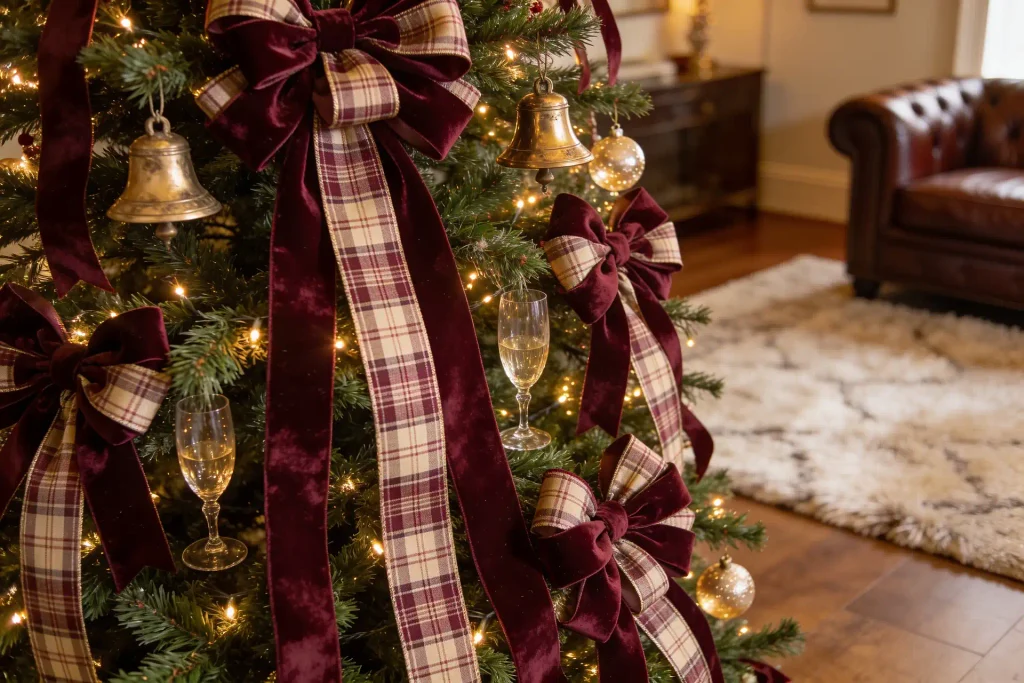
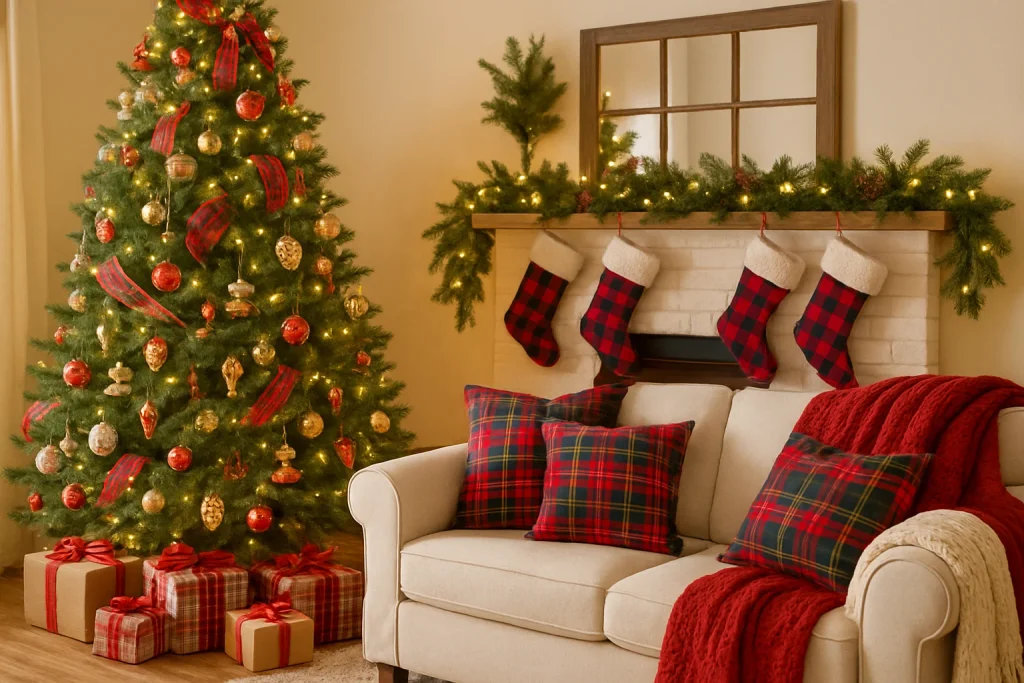
    Tartan is returning as part of the broader revival of heritage Christmas decorating. Current 2026 trend coverage highlights traditional patterns and tartan alongside deeper berry and burgundy colors. A tartan Christmas tree typically combines forest green, deep red, navy, burgundy, and warm metallic accents. Plaid ribbon woven between branches immediately introduces pattern while maintaining the familiar character of a traditional Christmas tree.

    For a polished heritage tree, layer tartan ribbon with red velvet bows, antique-style bells, brass ornaments, pinecones, wooden decorations, and deep green baubles. Rather than covering every branch in plaid, allow sections of natural greenery to remain visible so the pattern has room to breathe. Leather-look accessories, miniature drums, equestrian-inspired ornaments, and traditional gift wrapping can extend the theme. This rich, tailored approach works beautifully in rooms featuring dark wood furniture, fireplaces, bookshelves, leather seating, or classic architectural details.

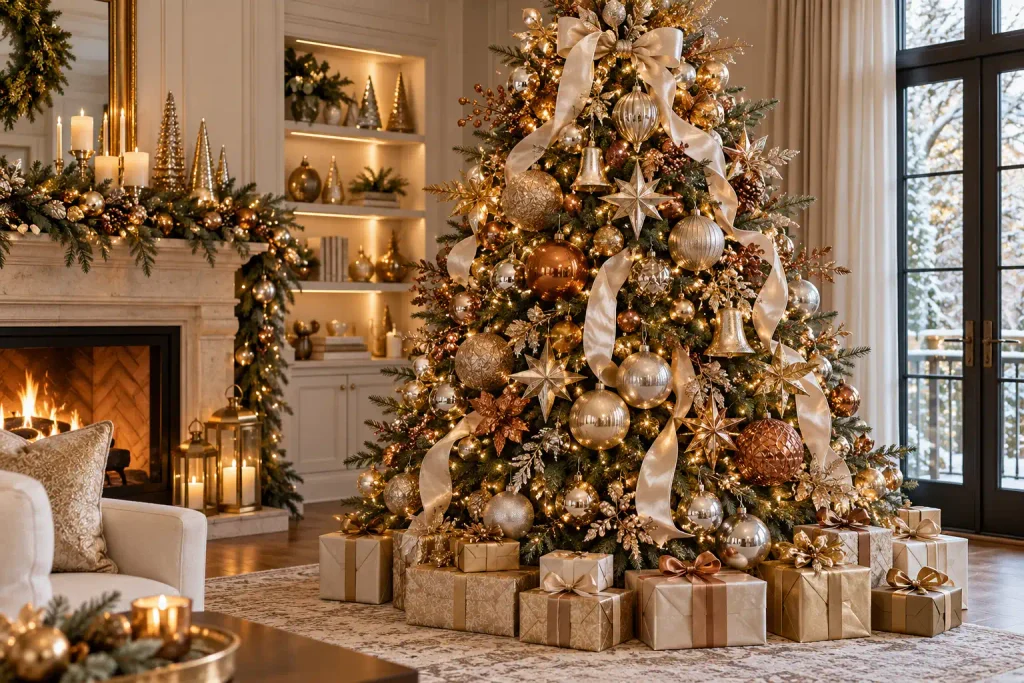
    6. Gold Metallic Christmas Trees

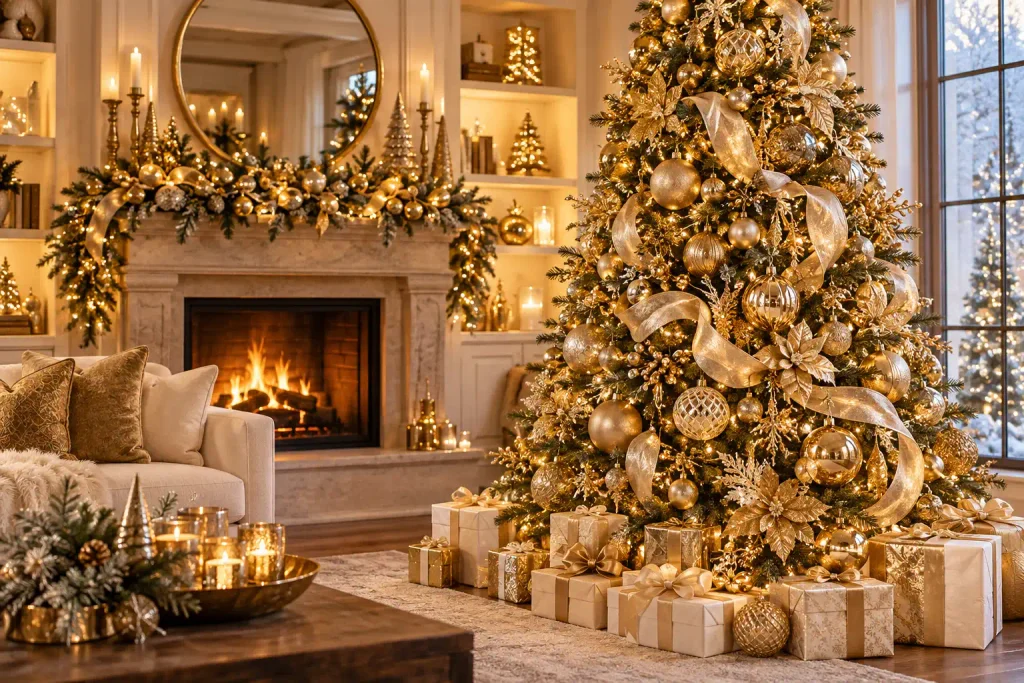
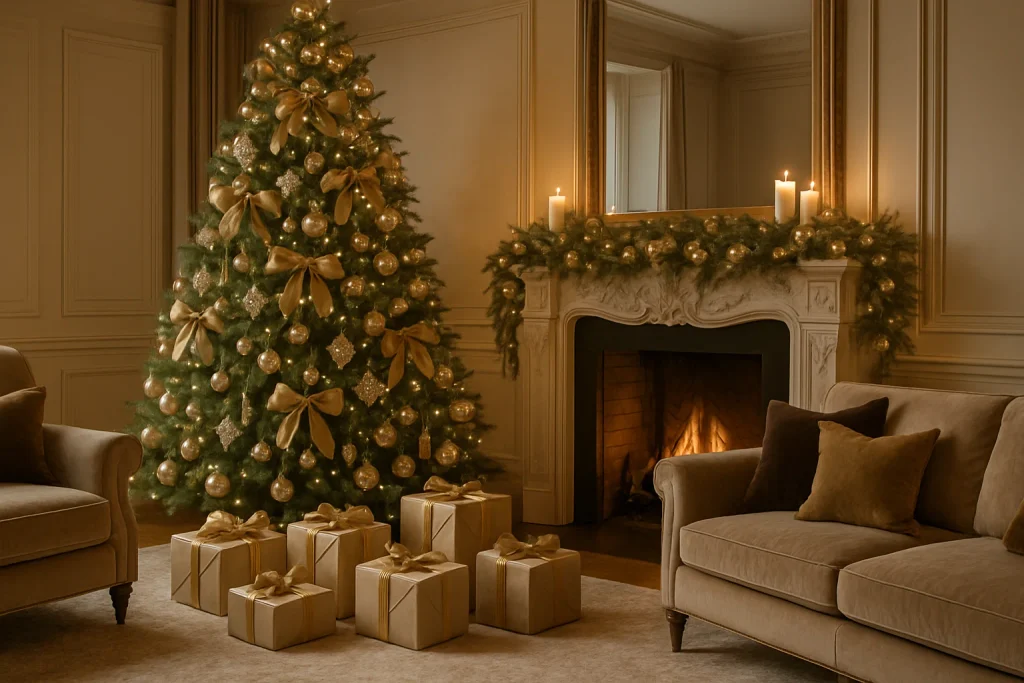
    Gold remains an enduring Christmas decorating color, but the 2026 interpretation emphasizes layers of different warm metallic finishes rather than a single uniform shade. Champagne, antique gold, brushed brass, bronze, and soft reflective finishes can coexist across one tree. Current trend reporting also points toward refined metallic palettes and warmer luxury styling. Mixing finishes produces dimension while avoiding an overly coordinated showroom appearance.

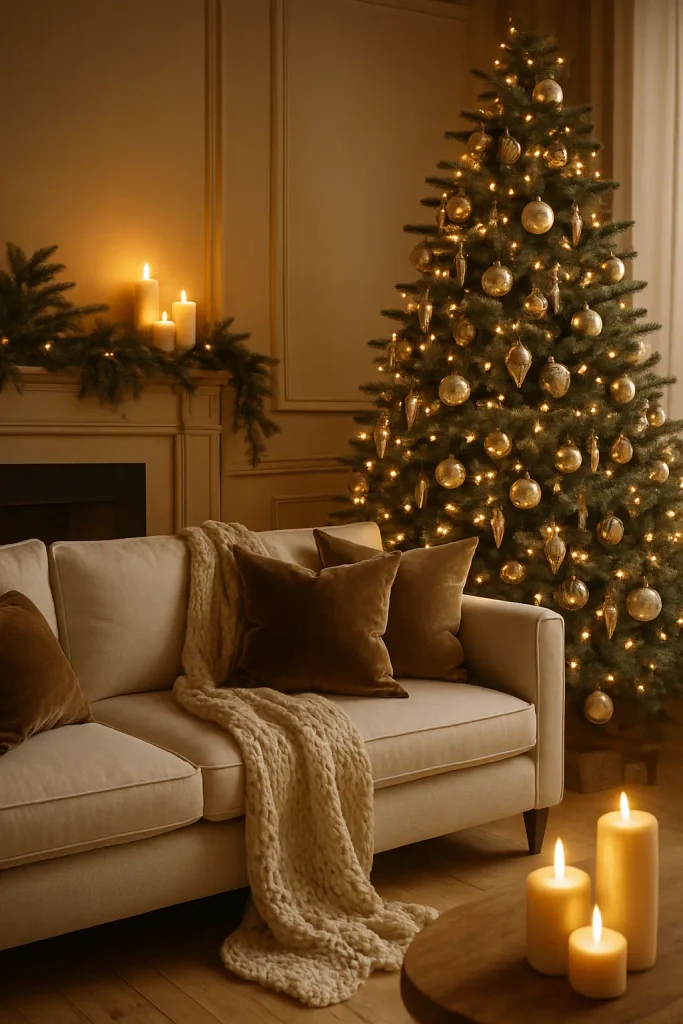
    Begin with warm white lights and use champagne ribbon or delicate metallic garland to establish movement through the branches. Add matte gold baubles, reflective glass ornaments, antique brass bells, metallic leaves, stars, and sculptural decorations in varying sizes. Transparent ornaments can provide visual breathing space between heavier metallic pieces. A gold Christmas tree does not require gold branches; rich natural evergreen provides the ideal contrast. Neutral gift wrapping in ivory, cream, kraft paper, or champagne tones can complete the sophisticated look.

    7. Christmas Maximalism

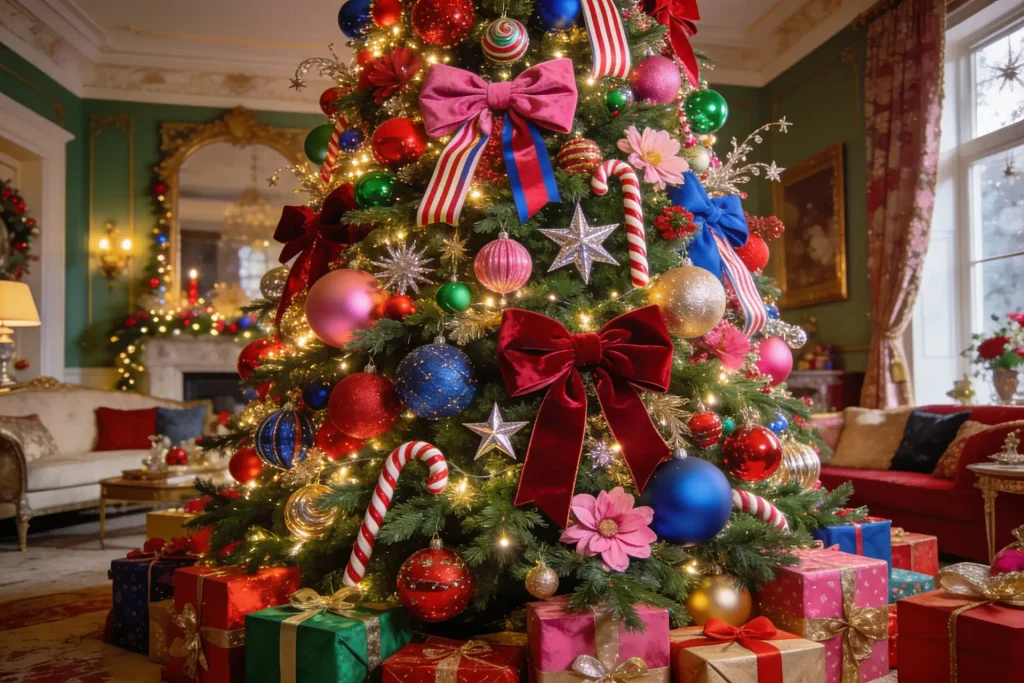
    Christmas maximalism celebrates abundance rather than restraint. Colorful ornaments, ribbons, bows, novelty decorations, garlands, lights, oversized baubles, collectible pieces, and unexpected decorative objects can all appear on one tree. The approach reflects the broader 2026 shift toward personality and expressive festive decorating rather than a single prescribed aesthetic. The secret is controlled repetition: repeated colors and materials create enough visual rhythm to prevent the abundance from feeling accidental.

    Begin with two or three recurring colors and then introduce contrasting shades in smaller quantities. Use ornaments of different scales, placing oversized pieces deeper inside the tree and smaller decorations toward branch tips. Ribbon, picks, flowers, candy-inspired pieces, metallic stars, novelty characters, and sentimental ornaments can fill gaps. Even maximalist trees benefit from structure, so repeat important elements vertically and around the circumference. The finished Christmas tree should feel exuberant, joyful, personal, and intentionally layered rather than simply overcrowded.

    8. Burgundy Christmas Trees

    Burgundy and deep berry shades offer a darker, richer alternative to bright traditional Christmas red. Berry and burgundy tones are appearing prominently in current 2026 Christmas trend coverage, particularly alongside nostalgic and heritage decorating. Burgundy velvet ribbon against evergreen branches creates immediate depth, while wine-colored baubles and dark berries provide sophisticated variations within the same color family.

    Pair burgundy with antique gold for an elegant traditional tree or with chocolate brown and natural wood for something more organic. Champagne accents soften the palette, while deep forest green strengthens its moody character. Texture is particularly important with dark colors, so combine velvet, glass, matte ornaments, metallic bells, satin ribbon, and berry sprays. Warm white lights should be tucked deep within the branches, allowing their glow to emerge between darker decorations and preventing the tree from feeling visually heavy.

    9. Chocolate Brown Christmas Trees

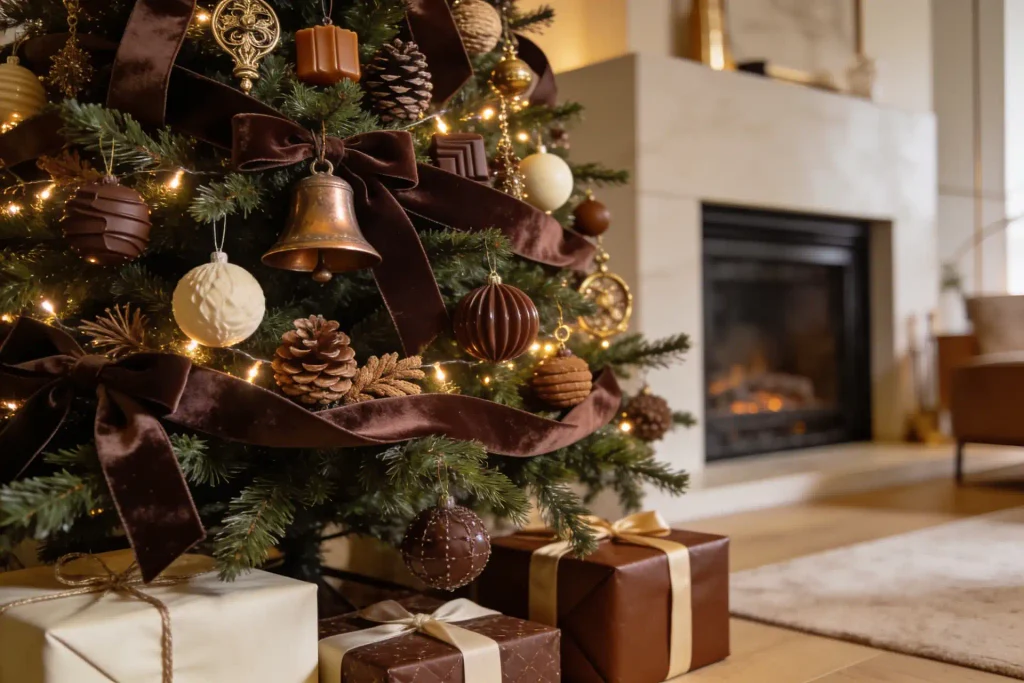
    Chocolate brown introduces an earthy, comforting richness to Christmas decorating. Combined with evergreen, caramel, bronze, cream, and warm gold, brown can make a Christmas tree feel cozy without relying heavily on traditional bright red. The color works particularly well with velvet, wood, pinecones, leather-look ornaments, dried botanicals, bronze bells, and natural ribbon. Warm lighting brings out subtle differences between espresso, cocoa, chestnut, cinnamon, and caramel shades.

    To keep the tree festive rather than overly neutral, combine brown decorations with reflective glass or metallic accents. Bronze baubles and antique gold bells add sparkle, while ivory ornaments brighten darker sections of greenery. Chocolate velvet ribbon can be layered with narrow cream or plaid ribbon for contrast. Natural pinecones reinforce the earthy direction and can be repeated in surrounding garlands or wreaths. The palette is especially effective in rustic modern, organic modern, lodge, farmhouse, and warm minimalist interiors.

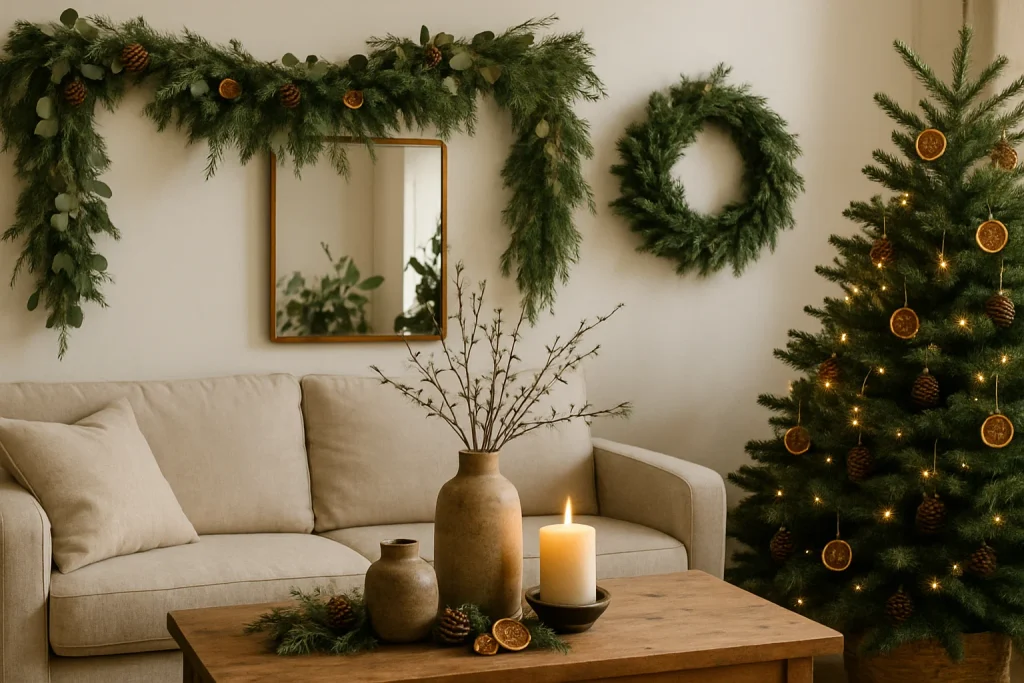
    10. Natural and Organic Christmas Trees

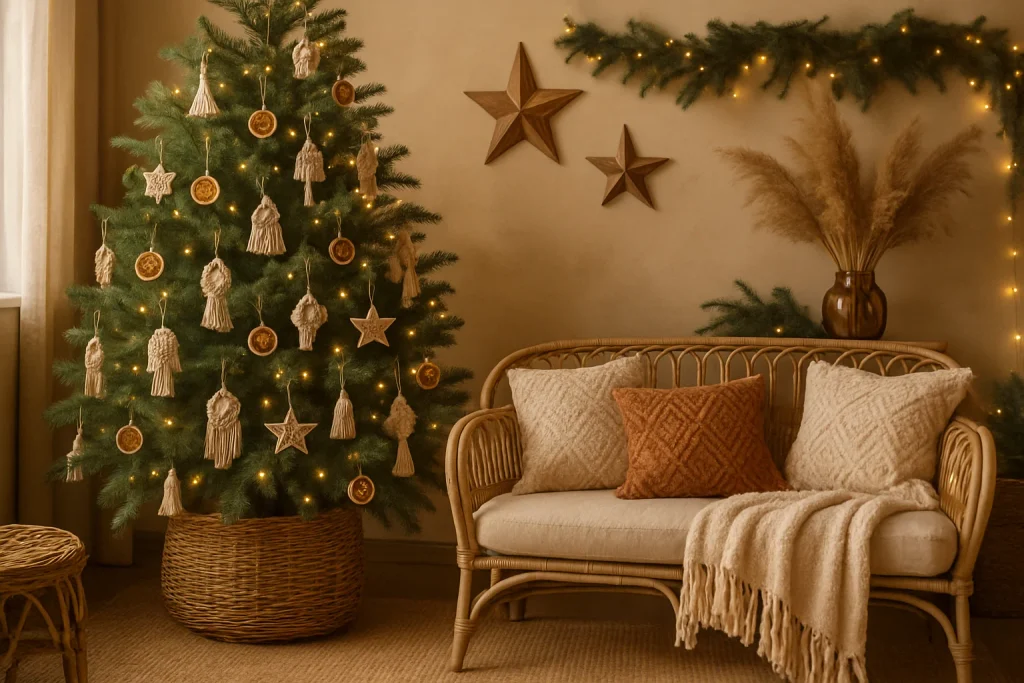
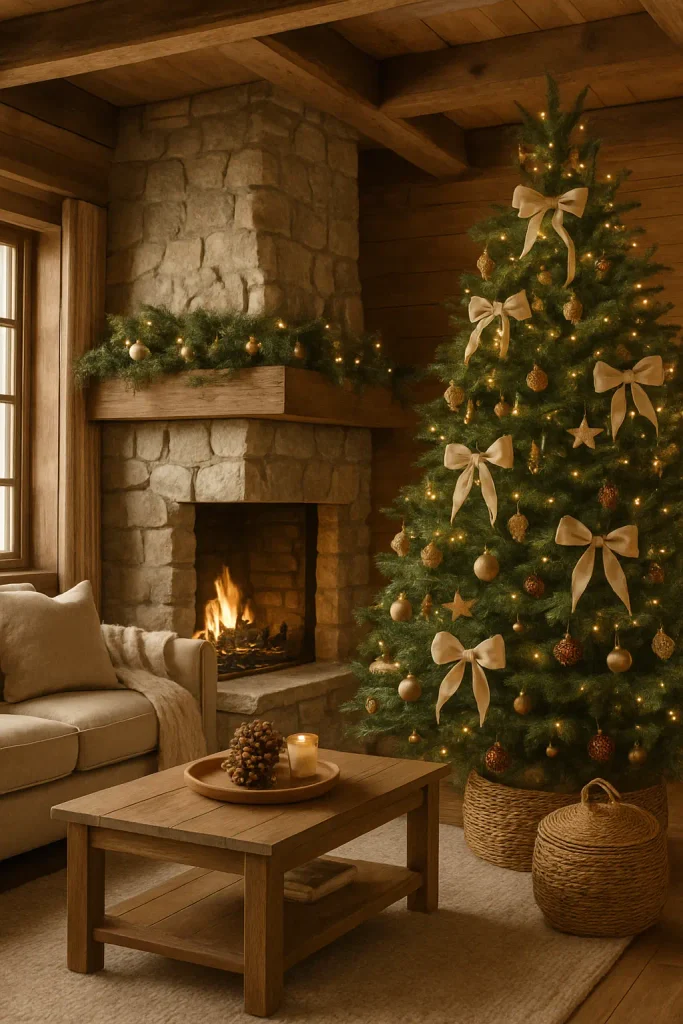
    Natural Christmas decorating continues to provide an alternative to heavily glittered holiday interiors. Pinecones, dried orange slices, wooden stars, paper ornaments, berries, seed pods, twigs, woven decorations, raffia bows, and natural fibers can transform an evergreen tree into a warm organic centerpiece. Contemporary holiday coverage continues to feature natural materials as an important way to create warmth and texture.

    The strongest natural Christmas trees combine different textures instead of depending entirely on one material. Smooth wooden ornaments can sit beside rough pinecones, translucent dried citrus, handmade paper stars, linen bows, and softly reflective glass baubles. Warm white lights add enough sparkle to preserve the festive mood without overwhelming the organic palette. A woven tree collar, kraft-paper presents, linen ribbon, and fresh greenery can extend the theme around the base. The result feels relaxed, tactile, timeless, and closely connected to winter nature.

    11. Scandi Chic Christmas Trees

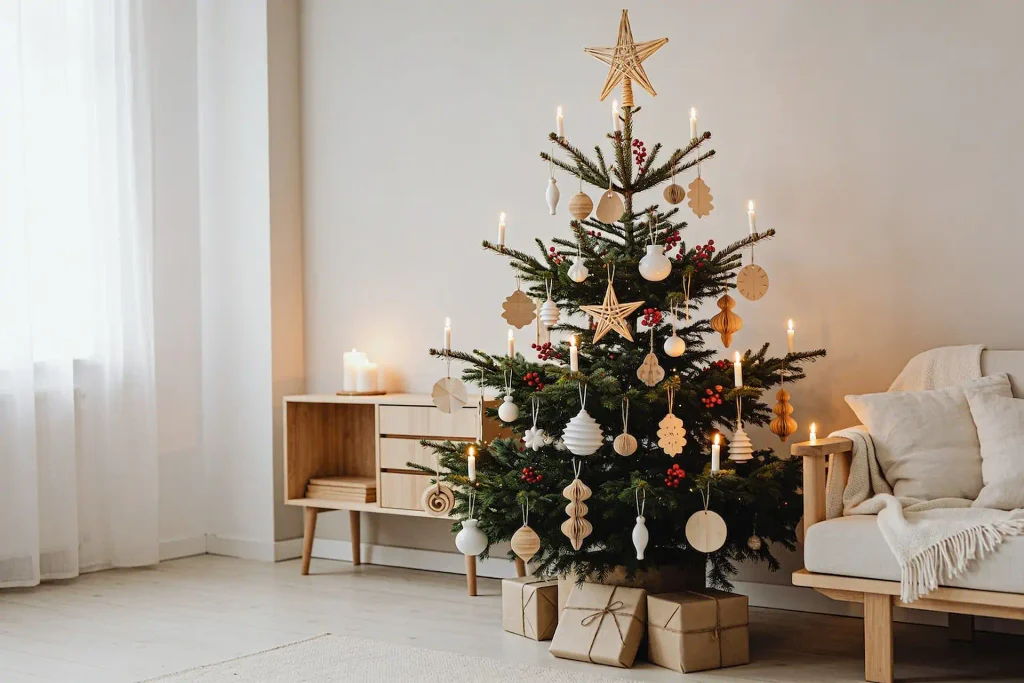
    Scandinavian Christmas decorating remains appealing because it prioritizes natural greenery, craftsmanship, calm colors, and visual simplicity. For 2026, the Scandi tree can feel warmer and more personal through handmade ornaments, wooden decorations, paper stars, woven pieces, red accents, and softly glowing lights. Current 2026 trend coverage includes understated Nordic styling among the season’s notable directions.

    Choose an airy evergreen tree with enough spacing between branches to display individual ornaments clearly. Decorate with pale wood, white ceramic pieces, straw stars, small red baubles, paper ornaments, miniature houses, and restrained ribbon. Instead of covering every branch, create intentional spaces where the natural tree remains visible. Candle-like LED lights or delicate warm fairy lights provide the ideal glow. A simple woven basket, wooden tree stand, or neutral fabric skirt maintains the uncluttered Scandinavian aesthetic while wrapped gifts in plain paper reinforce its handmade character.

    12. Dramatic Black Christmas Trees

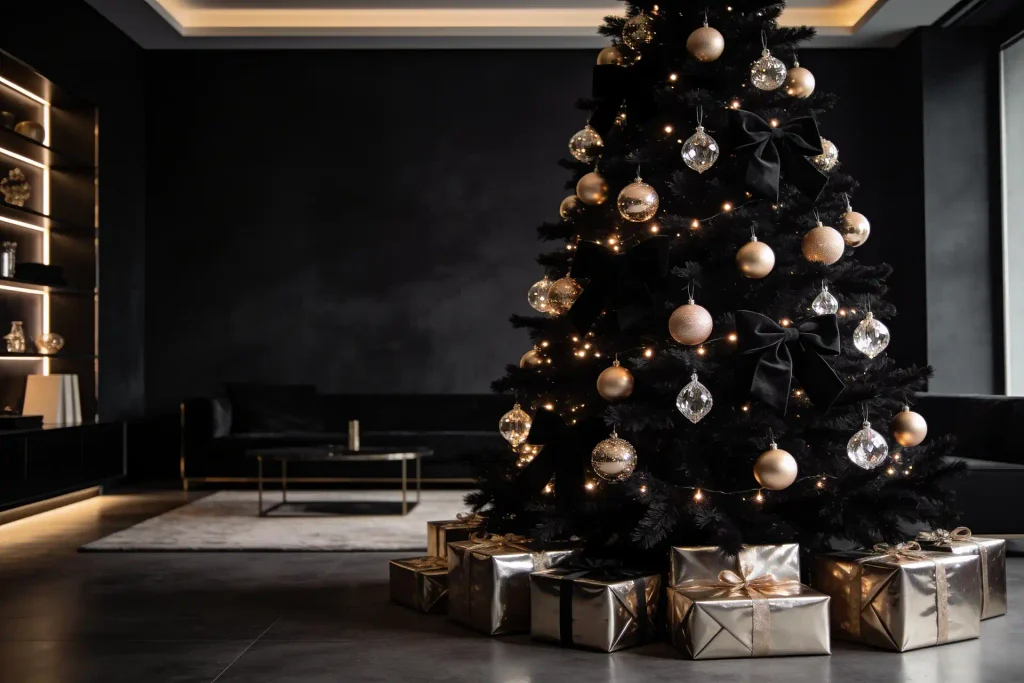
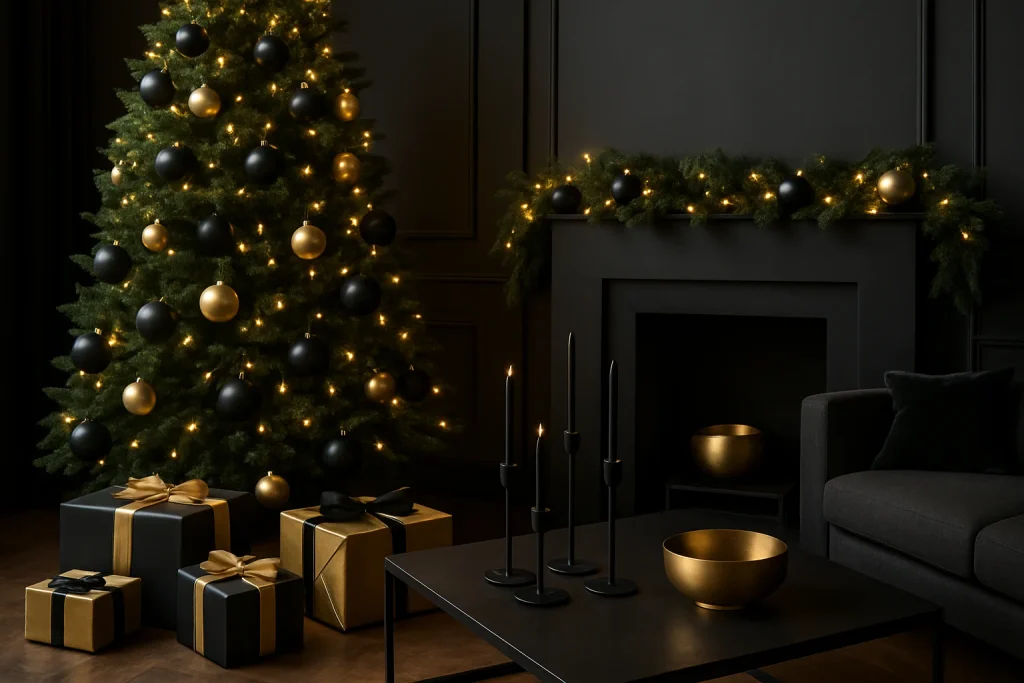
    Black Christmas trees offer one of the season’s most dramatic alternatives to conventional evergreen. The dark branches create a graphic background that makes metallic, glass, pearl, white, jewel-tone, or brightly colored decorations stand out. Black trees also appear in current 2026 trend coverage as part of a broader appetite for distinctive and theatrical Christmas decorating.

    A black Christmas tree can move in several directions depending on the ornaments. Champagne and gold create glamorous sophistication; silver and crystal produce a cool contemporary look; while jewel tones generate dramatic maximalism. Warm white lights soften black branches and keep the overall display welcoming. For a modern monochrome interpretation, combine matte black ornaments with clear glass, white ribbon, and silver accents. Because the tree itself makes such a strong statement, a relatively controlled ornament palette can still produce significant visual impact.

    13. Sculptural Ornament Christmas Trees

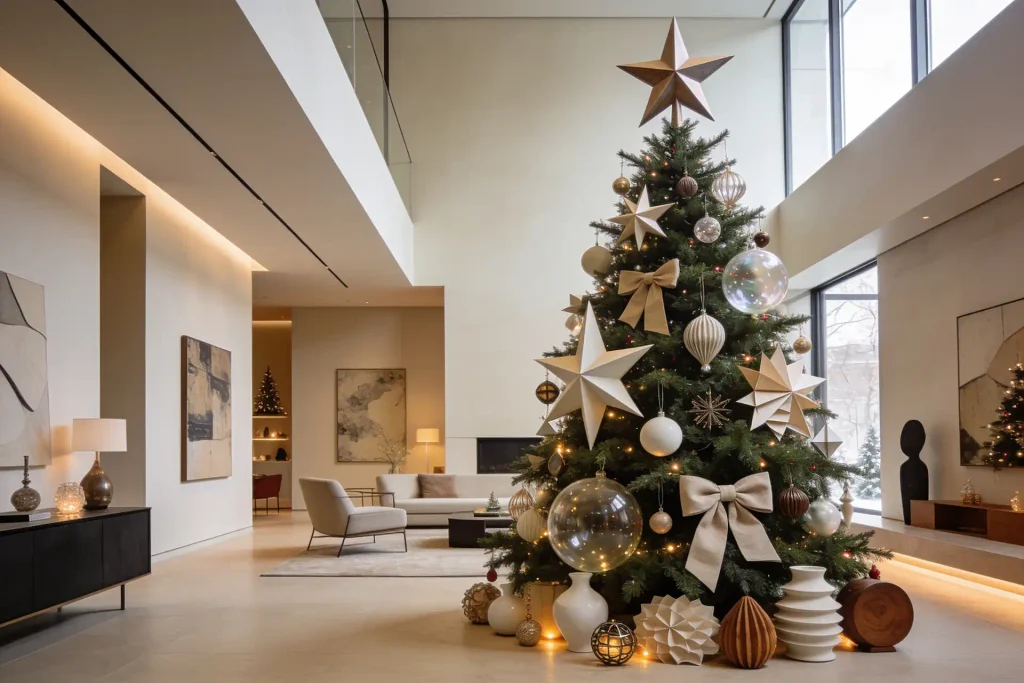
    Christmas ornaments are becoming decorative objects in their own right. Sculptural stars, geometric forms, unusual glass shapes, ceramics, fabric ornaments, dimensional paper decorations, oversized bows, and handcrafted pieces can turn the tree into a curated display. Current 2026 trend coverage specifically highlights unusual shapes, interesting materials, and statement decorations as part of this sculptural direction.

    Rather than buying dozens of identical baubles, choose a smaller collection of distinctive decorations and combine them with understated filler ornaments. Scale is important: oversized sculptural pieces establish focal points, medium decorations connect those focal points, and small ornaments fill visual gaps. Mixing ceramic, glass, paper, fabric, wood, and metal creates tactile richness. Keep the lighting relatively delicate so it illuminates the ornament collection instead of competing with it. This approach works particularly well in contemporary, architectural, and design-focused homes.

    14. Colorful Playful Christmas Trees

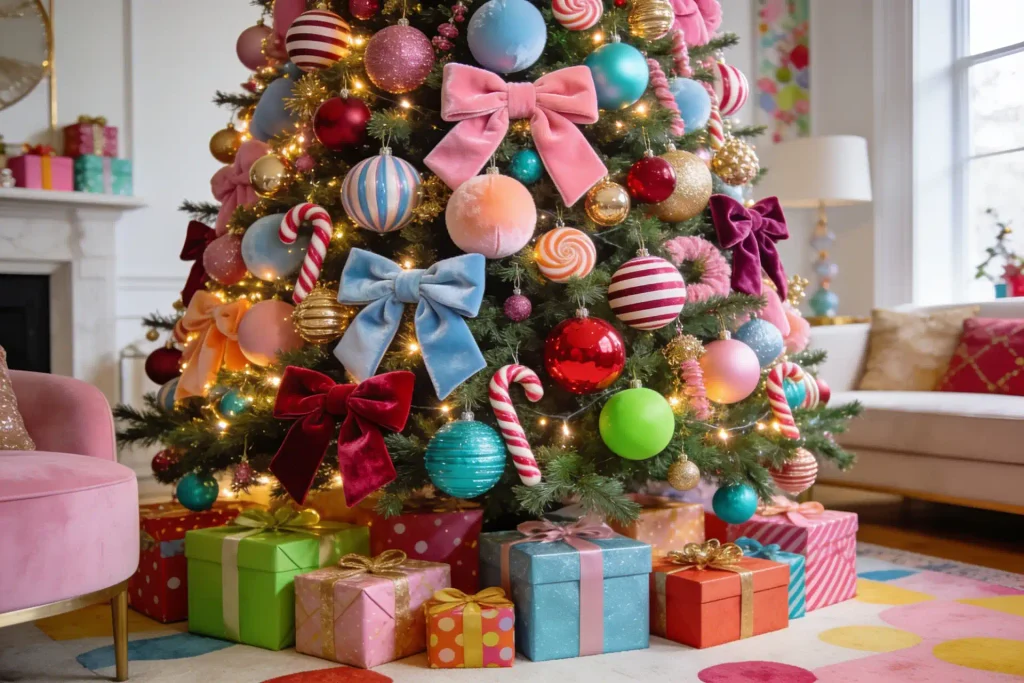
    Christmas 2026 is giving decorators more freedom to move beyond strict red-and-green schemes. Pink, sky blue, peach, orange, lavender, cherry red, lime, turquoise, and gold can combine in playful trees filled with cheerful decorations. Current trend reporting describes colorful, personality-driven decorating as part of the broader move toward more expressive Christmas trees.

    To make a multicolor Christmas tree look intentional, repeat each major color several times throughout the branches. Candy-inspired ornaments, striped baubles, glass fruits, colorful bows, stars, novelty shapes, and oversized decorations can build the playful theme. White or warm fairy lights provide a neutral base that allows brighter shades to dominate. A colorful tree is particularly effective in neutral rooms because the surrounding space gives its palette room to shine. Coordinated gift wrapping can carry the same cheerful colors around the base.

    15. Ribbon-Layered Christmas Trees

    Ribbon is becoming more than a finishing accessory; it can provide the structure of the entire Christmas tree design. Wide wired ribbon can cascade vertically, disappear into branches, reappear lower down, and establish movement from the topper to the tree skirt. Oversized bows and dramatic ribbon treatments are prominent across current 2026 seasonal coverage.

    Mixing ribbon widths and textures produces a particularly luxurious result. Velvet can be combined with satin, plaid, embroidered ribbon, sheer fabric, or metallic-edged styles. Instead of wrapping ribbon tightly around the outside of the tree, tuck sections deep into the branches to create soft loops and dimensional folds. Repeat the ribbon at balanced intervals before adding baubles and smaller ornaments. This technique visually connects separate decorations and can make even a relatively modest ornament collection appear fuller and professionally styled.
    16. Vintage Glass Ornament Trees

    Vintage-inspired glass ornaments are ideal for creating a Christmas tree that feels collected rather than newly purchased as a complete matching set. Reflective baubles, mercury-style glass, finials, teardrops, bells, birds, stars, and hand-painted shapes introduce subtle irregularity and old-fashioned sparkle. Nostalgic decorating and vintage character are recurring themes in current seasonal coverage.

    Combine vintage-style ornaments in multiple shapes rather than purchasing only round baubles. Deep red, emerald, silver, champagne, pink, cobalt, and antique gold can coexist when their aged glass finishes provide a common visual language. Tinsel or delicate bead garlands can reinforce the retro character, while warm lights reflect beautifully through transparent and mirrored surfaces. Add sentimental family ornaments wherever possible. Their imperfections and personal stories help create the layered, emotionally meaningful Christmas aesthetic that makes vintage decorating so distinctive.

    17. Oversized Ornament Christmas Trees

    Oversized ornaments create immediate impact and make a Christmas tree appear professionally layered. Large baubles can occupy deeper spaces between branches where small decorations would disappear, helping the tree look fuller while establishing strong focal points. Oversized decorations are also part of the broader 2026 preference for statement pieces and expressive tree styling.

    Begin with the largest ornaments before adding ribbon or smaller baubles. Place them around the tree at varying heights and depths rather than hanging all of them from outer branch tips. Medium-sized ornaments can then bridge the visual gaps between the oversized pieces and smaller decorations. Giant stars, bells, bows, flowers, or decorative spheres can be mixed with classic baubles for additional variety. The technique works with almost any palette, from traditional red and gold to contemporary jewel tones or playful multicolor schemes.

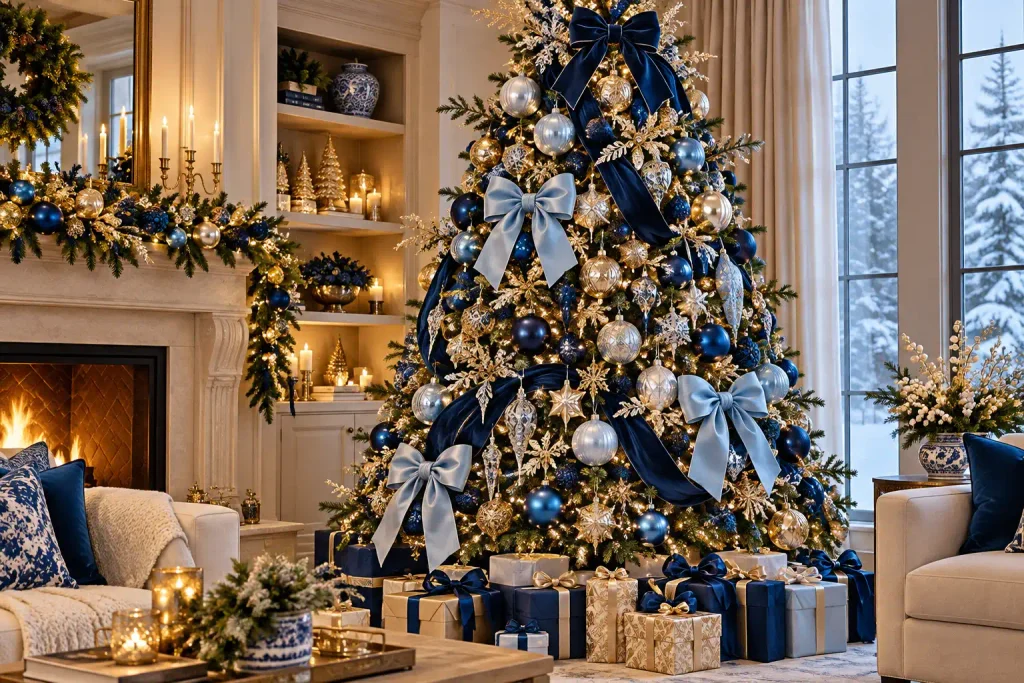
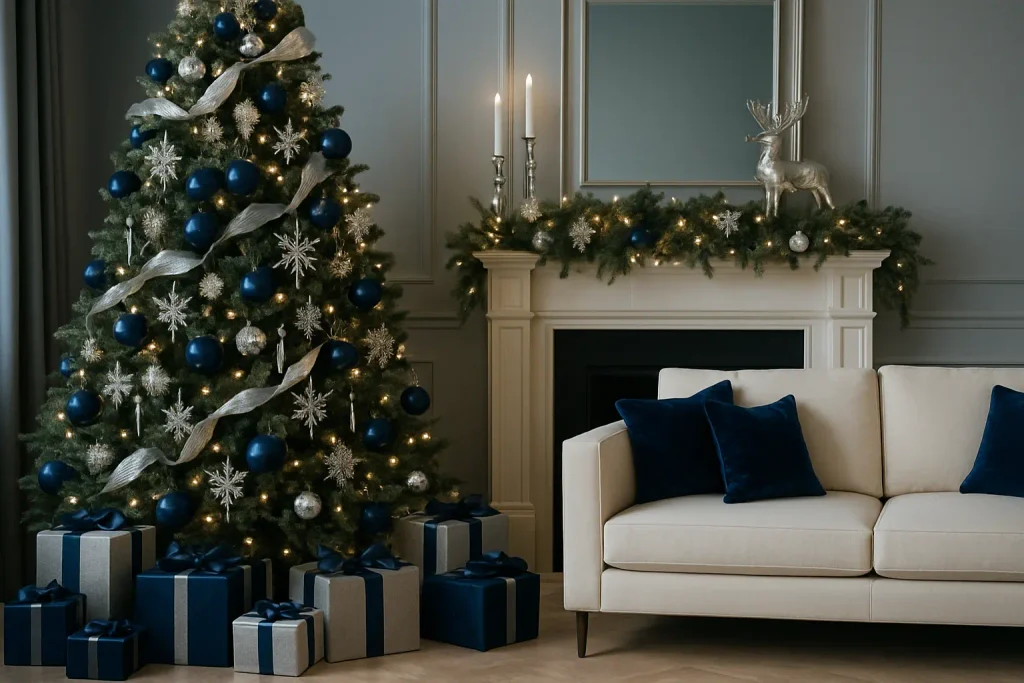
    18. Blue Christmas Trees

    Blue is becoming increasingly versatile in contemporary Christmas decorating. Deep navy creates a sophisticated backdrop for silver and champagne, while powder blue produces an airy winter aesthetic. Sapphire fits naturally into jewel-tone schemes, and unexpected pale blue can introduce a playful twist to traditional red, green, and cream. Current 2026 holiday coverage is already exploring blue as an unexpected seasonal color, including statement tree accessories.

    For an elegant blue Christmas tree, keep the evergreen branches natural and layer several shades rather than relying on one exact blue. Navy velvet ribbon, sapphire glass ornaments, pale blue satin bows, transparent icicle decorations, and champagne metallics create tonal complexity. Silver can make the palette cooler and more wintry, while antique gold creates warmth. A blue scheme works especially well against warm neutral walls, allowing the unusual Christmas color to become the focal point without making the room feel cold.

    19. Mixed Metallic Christmas Trees

    Mixed metallics allow decorators to combine gold, silver, bronze, champagne, copper, and antique brass rather than committing to one finish. The variation creates more visual depth because each material reflects Christmas lights differently. Current 2026 coverage points toward layered metallic finishes and refined luminous palettes rather than flat, uniform sparkle.

    Use one dominant metallic shade and introduce the others as supporting accents. Champagne gold can establish the foundation, for example, while antique silver adds contrast and bronze provides warmth. Combine glossy baubles with brushed metal, glittered stars, bells, reflective glass, metallic leaves, and beaded garlands. Warm lights help connect gold and bronze to cooler silver accents. Neutral velvet ribbon in ivory, taupe, or deep brown can prevent the metallic surfaces from becoming visually overwhelming and give the tree a sophisticated, balanced finish.
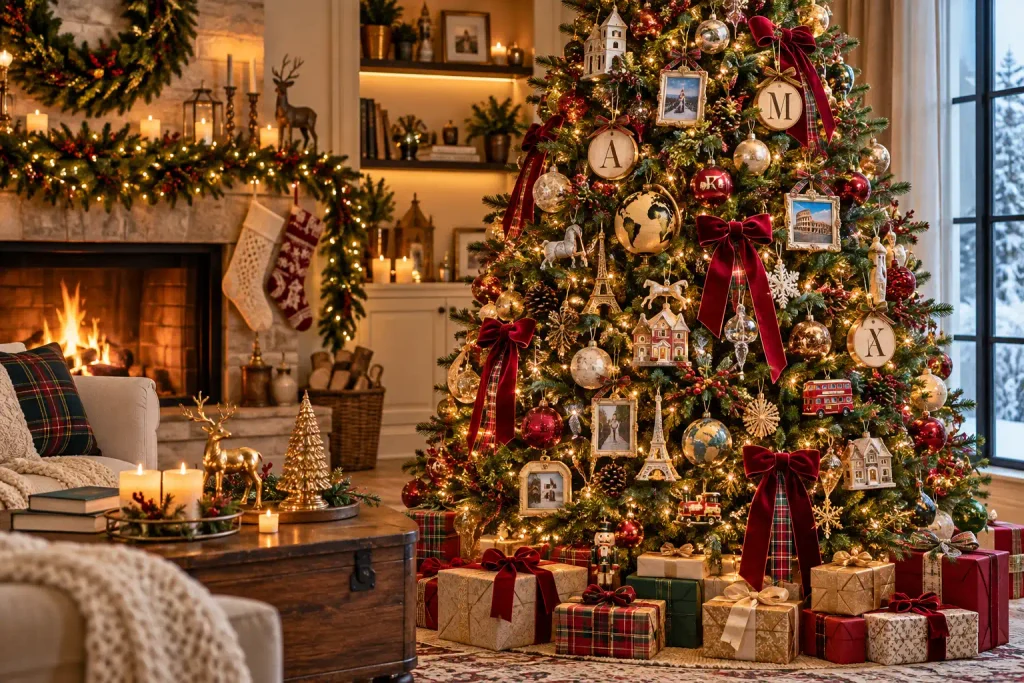
    20. Personalized Storytelling Christmas Trees

    Perhaps the most meaningful direction within Christmas tree trends 2026 is decorating around personal stories instead of following a perfectly matched retail theme. Travel souvenirs, handmade children’s ornaments, family heirlooms, photographs, initials, meaningful objects, vintage pieces, and decorations collected over many years can share the same branches. This approach reflects the broader shift toward personality, nostalgia, and trees that feel individually curated rather than universally prescribed.

    A storytelling Christmas tree still benefits from visual structure. Use consistent lighting, ribbon, or a repeated color to connect ornaments that otherwise have very different appearances. Neutral glass baubles can fill empty areas without competing with meaningful decorations. Position important ornaments where they can be easily seen and leave enough breathing room around especially detailed pieces. Instead of replacing an entire ornament collection whenever trends change, this approach allows families to add a few contemporary decorations each year while preserving the pieces that make Christmas personal.

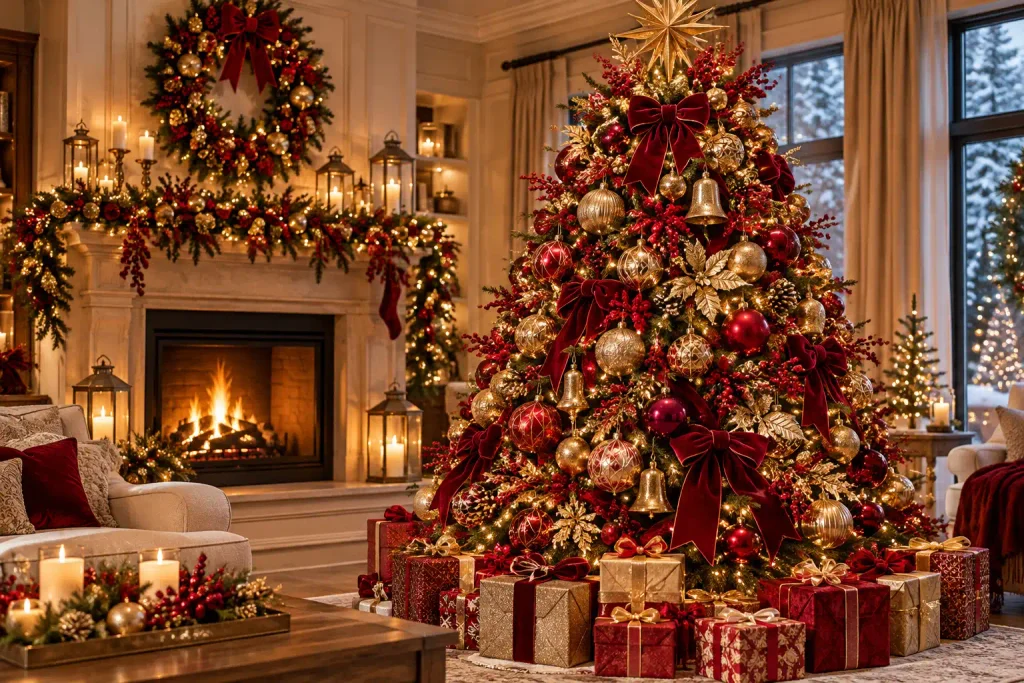
    21. Red and Gold Christmas Tree

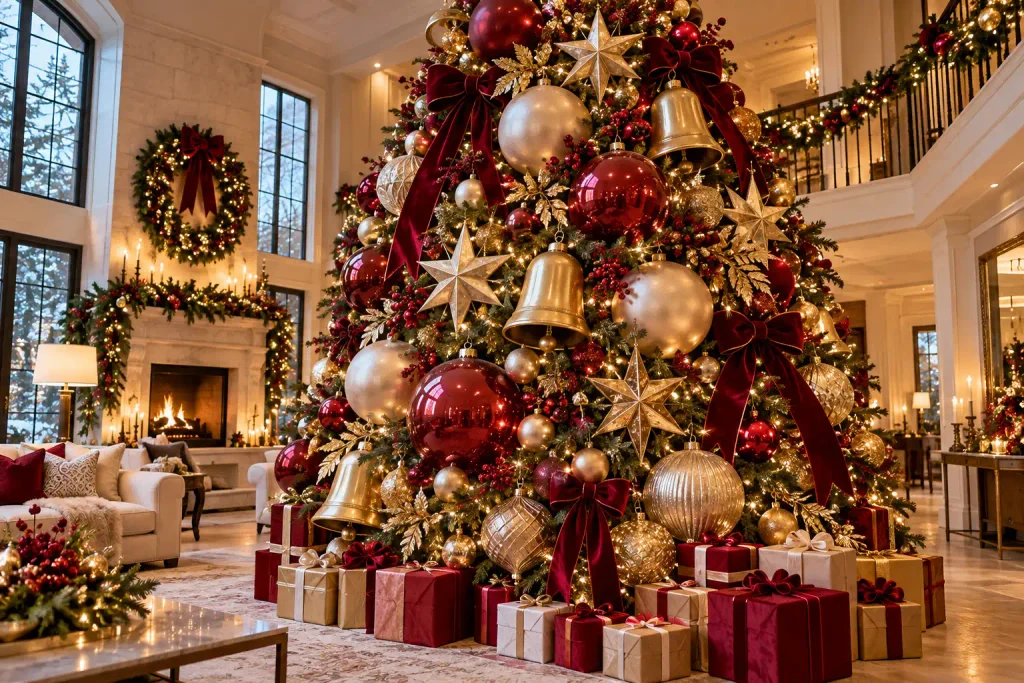
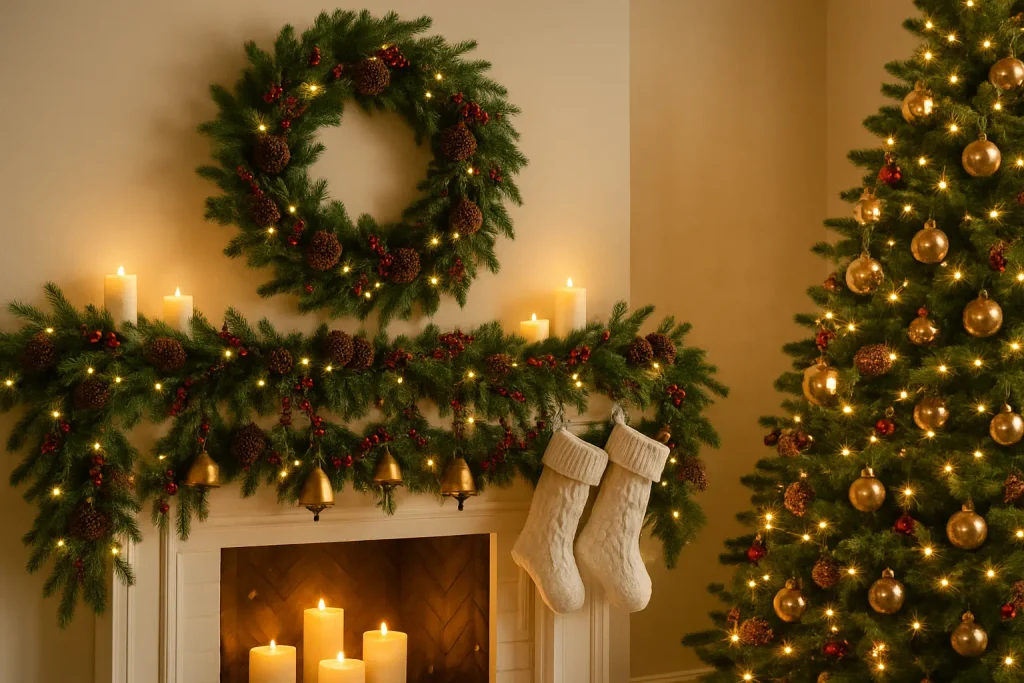
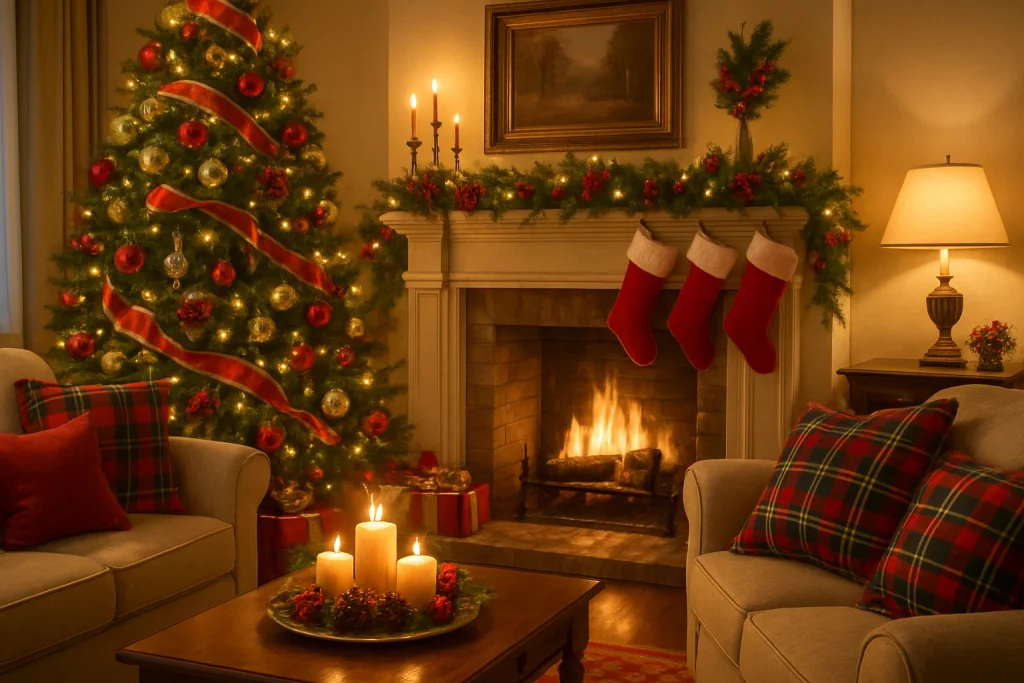
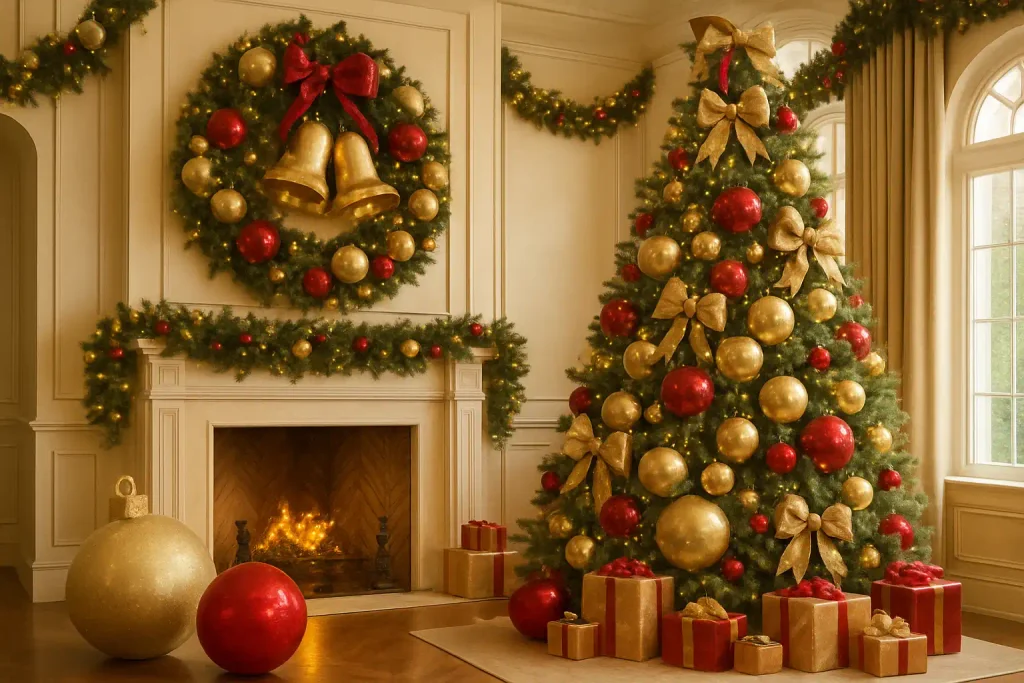
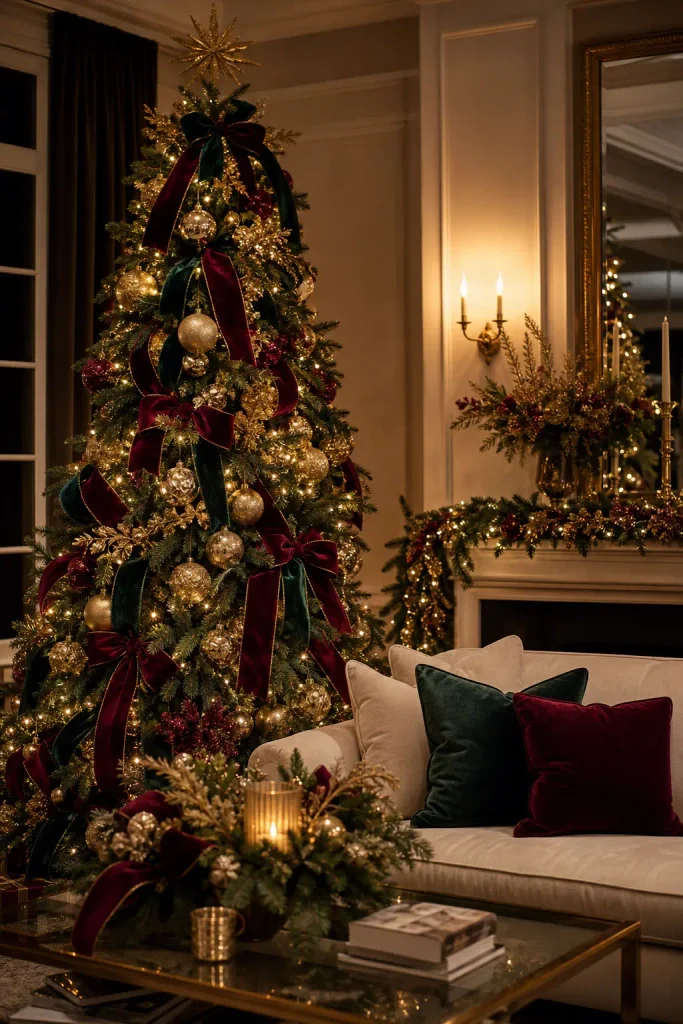
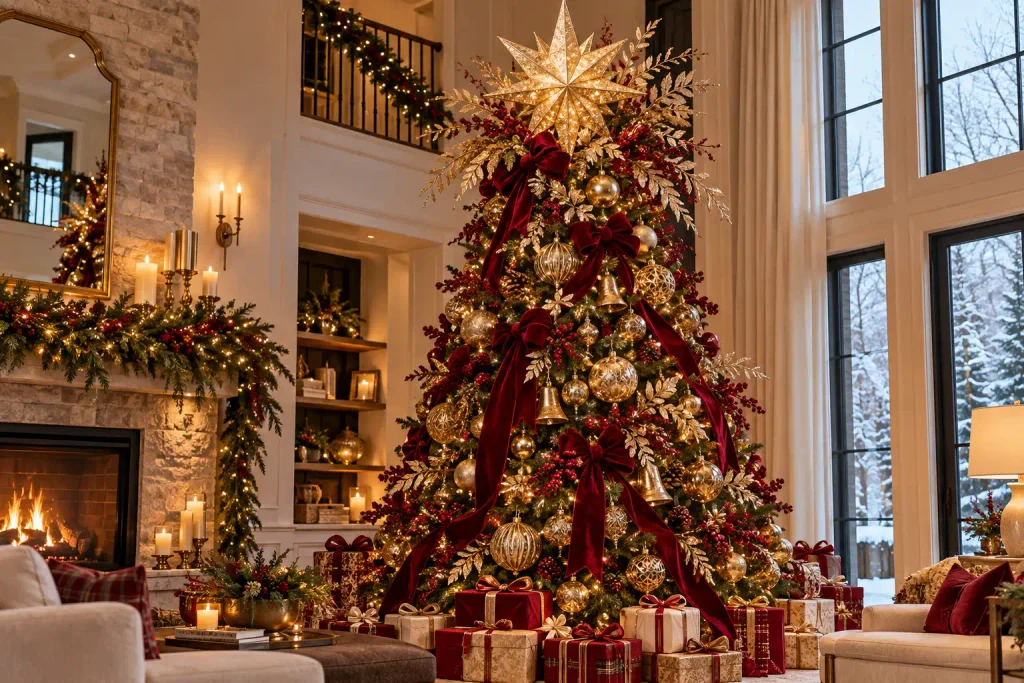
    The red and gold Christmas tree remains a timeless holiday favorite, but Christmas tree trends 2026 give this traditional combination a richer and more luxurious appearance. Instead of relying on bright primary red, decorators can layer ruby, cranberry, burgundy, and classic Christmas red across the branches. Champagne gold, antique brass, and softly reflective metallic ornaments introduce warmth and dimension. Wide velvet ribbon, oversized baubles, gold bells, berries, and traditional ornaments can create a full, sophisticated tree while preserving the familiar festive character associated with Christmas.

    To achieve a professionally decorated appearance, begin with warm white lights positioned deep inside the tree before adding wide red or burgundy ribbon. Distribute large gold and red ornaments throughout the interior branches and gradually introduce smaller decorations toward the outer edges. Gold leaves, metallic stars, bells, berry sprays, and velvet bows can fill remaining spaces. A coordinated gold star or oversized red bow works beautifully as a topper, while presents wrapped in red, cream, green, and metallic paper complete this elegant Christmas tree trend.

    22. Velvet Christmas Tree

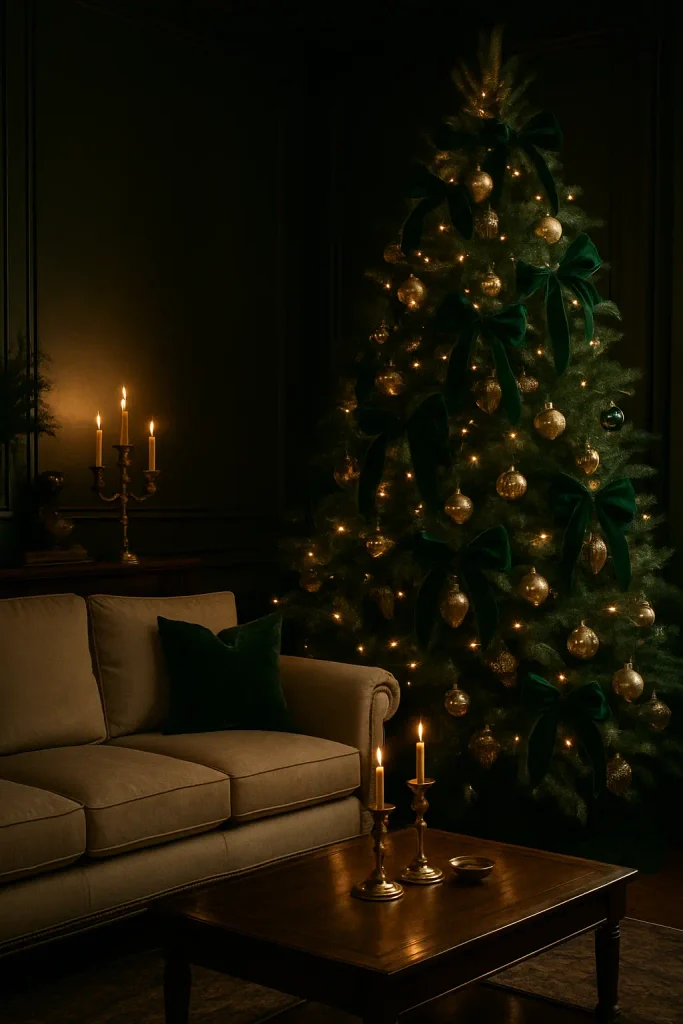
    Velvet is becoming one of the defining materials for sophisticated Christmas decorating because its soft surface introduces depth without requiring excessive glitter. A velvet-focused Christmas tree can incorporate burgundy, forest green, chocolate brown, navy, dusty rose, or champagne ribbons alongside matching bows and fabric ornaments. The texture absorbs and reflects light differently from glass baubles, helping create a layered visual experience. Against natural evergreen branches, velvet also provides a luxurious contrast that works particularly well with traditional, heritage, organic modern, and upscale contemporary Christmas interiors.

    Instead of wrapping one continuous ribbon tightly around the tree, use sections of wired velvet ribbon to form loose vertical folds between branches. Large velvet bows can establish focal points, while smaller bows provide repetition throughout the tree. Combine these soft elements with reflective glass ornaments, antique brass bells, metallic stars, and warm fairy lights to create contrast. Burgundy velvet produces a dramatic traditional aesthetic, whereas cream or taupe velvet creates a softer neutral Christmas tree. Deep green velvet can deliver an elegant tonal appearance against natural evergreen foliage.

    23. Snowy Flocked Christmas Tree

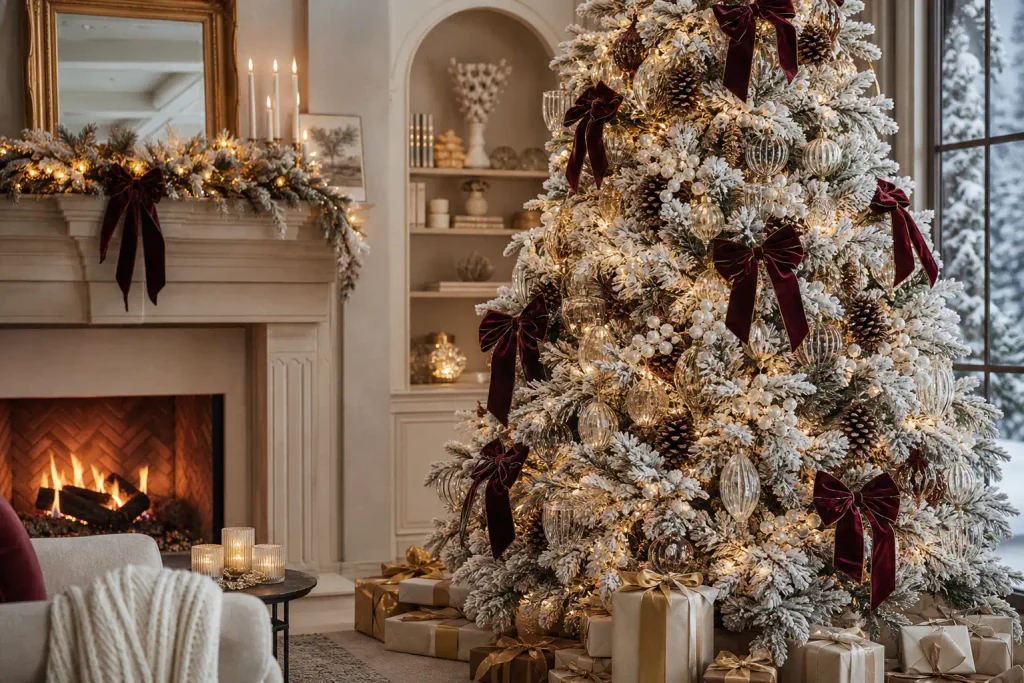
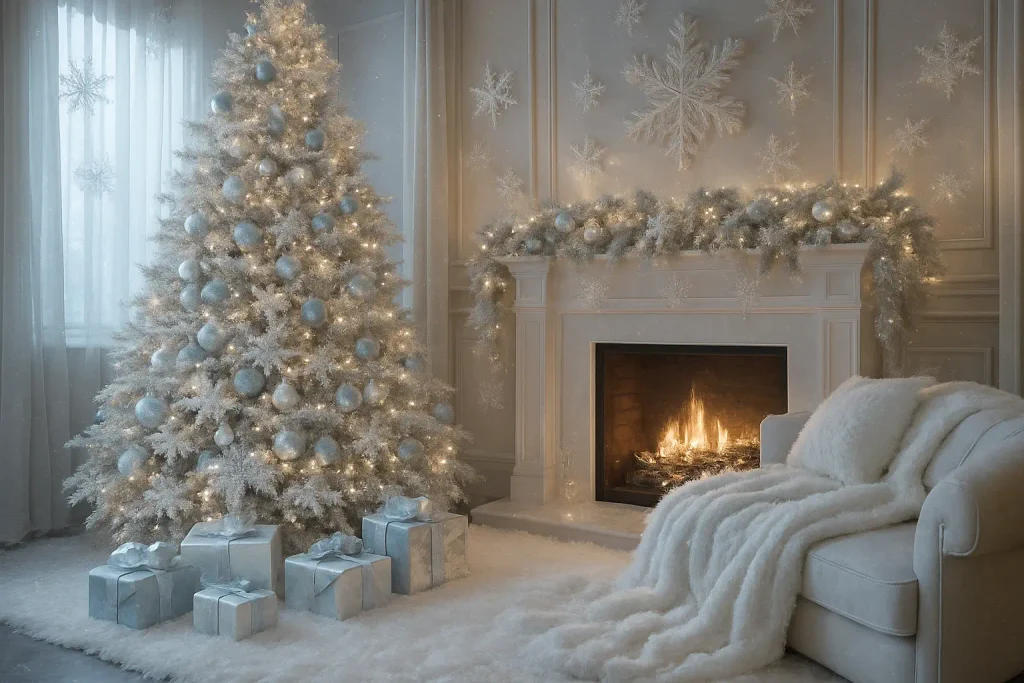
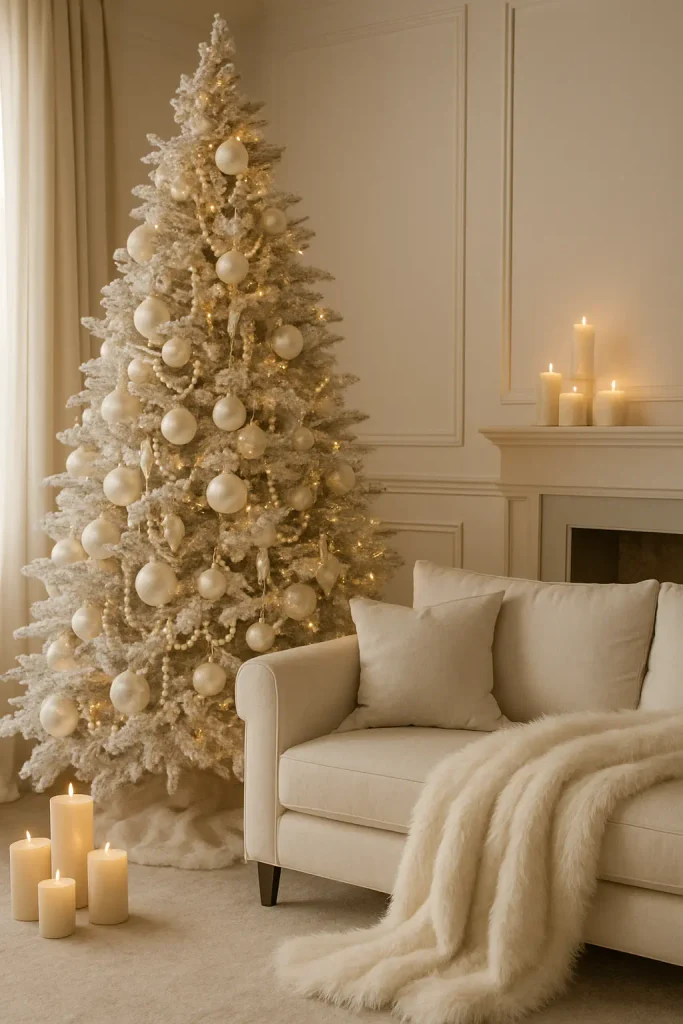
    Flocked Christmas trees remain popular for homeowners who want to recreate the peaceful appearance of snow-covered winter forests indoors. For Christmas 2026, flocked trees can move beyond the familiar all-white decorating scheme by incorporating burgundy, champagne, chocolate brown, blue, woodland ornaments, or vintage glass decorations. Artificial snow already creates significant texture, so even a relatively simple collection of ornaments can appear luxurious. Warm white lights glowing behind snow-covered branches produce a particularly atmospheric effect during evenings and make the tree feel naturally illuminated.

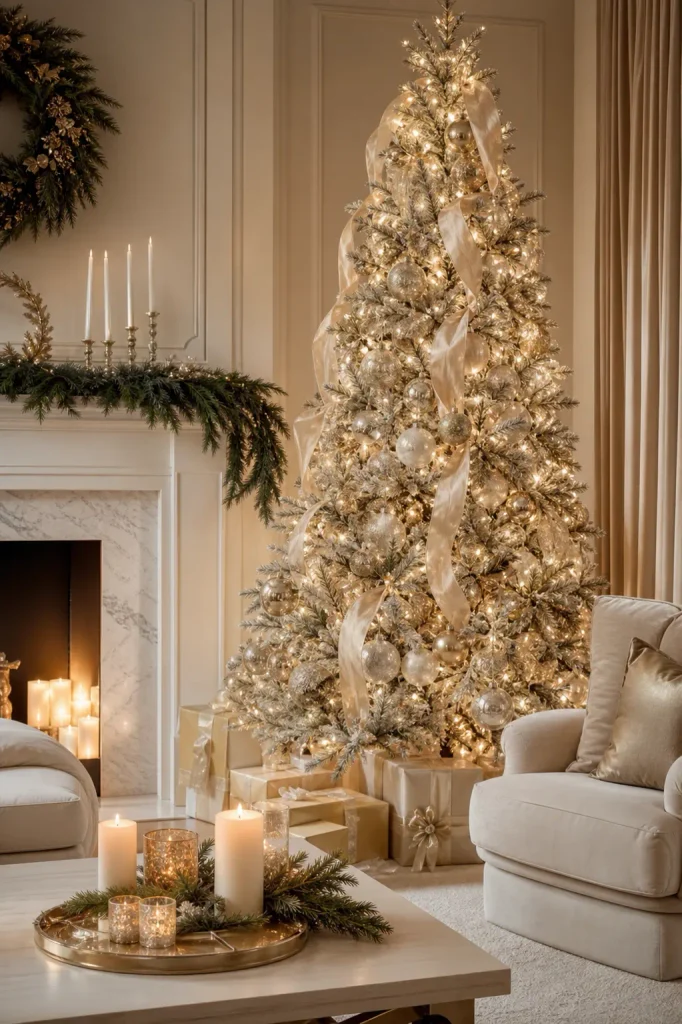
    For a refined snowy Christmas tree, avoid completely covering the flocking with decorations. Allow visible sections of white branches to provide breathing space between ornaments. Champagne and transparent glass decorations create an elegant winter theme, while red berries and burgundy bows offer traditional contrast. Wooden ornaments and pinecones can turn a flocked tree into a snowy woodland display. A white, cream, or woven tree skirt maintains the winter aesthetic around the base, while gift wrapping in kraft paper, velvet ribbon, or neutral colors completes the sophisticated seasonal arrangement.

    24. White and Champagne Christmas Tree

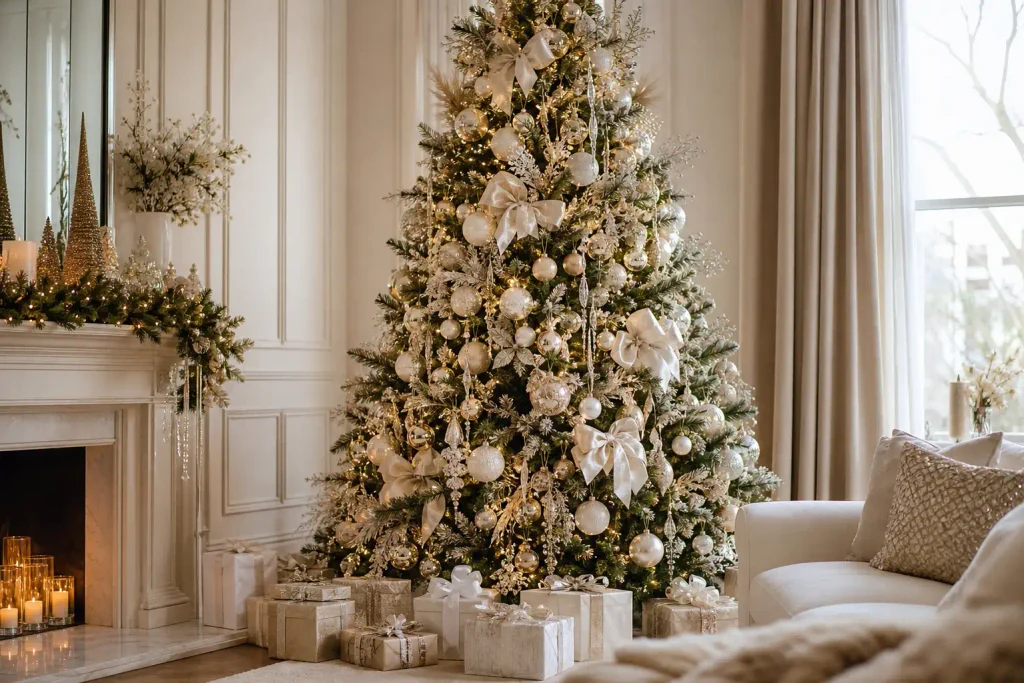
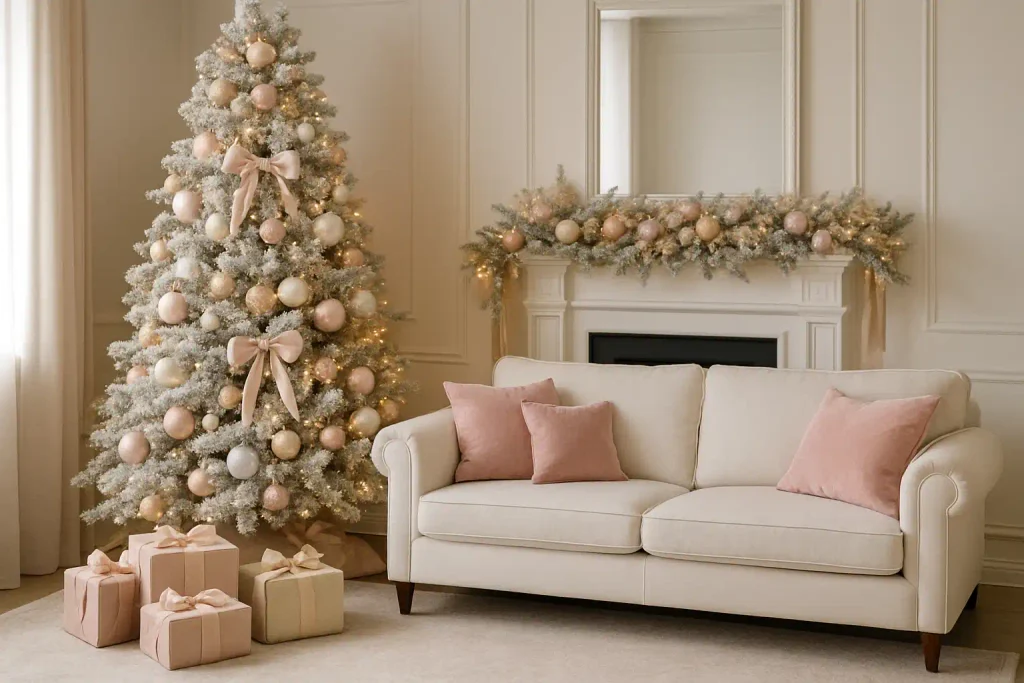
    A white and champagne Christmas tree creates an elegant holiday atmosphere without depending on bold traditional colors. Champagne sits between gold, beige, and silver, making it especially versatile for sophisticated neutral interiors. Combine pearl-white ornaments, champagne baubles, frosted glass, satin ribbon, metallic leaves, and translucent decorations to create subtle variation. The palette works beautifully on both traditional green trees and snowy flocked trees, while warm white lights enhance its softness and keep the finished display from feeling cold or overly formal.

    Texture is essential when decorating with a restricted neutral palette. Use matte white baubles beside glossy champagne ornaments, translucent glass icicles, pearl garlands, satin bows, metallic leaves, and softly glittered stars. Oversized ornaments can provide depth without introducing additional colors. Ivory velvet ribbon adds another luxurious material while preserving the monochromatic appearance. Beneath the tree, cream gift boxes, champagne ribbon, white wrapping paper, and subtle metallic details extend the palette. This tree works particularly well in contemporary, transitional, modern classic, and luxury interiors.

    25. Candy-Inspired Christmas Tree

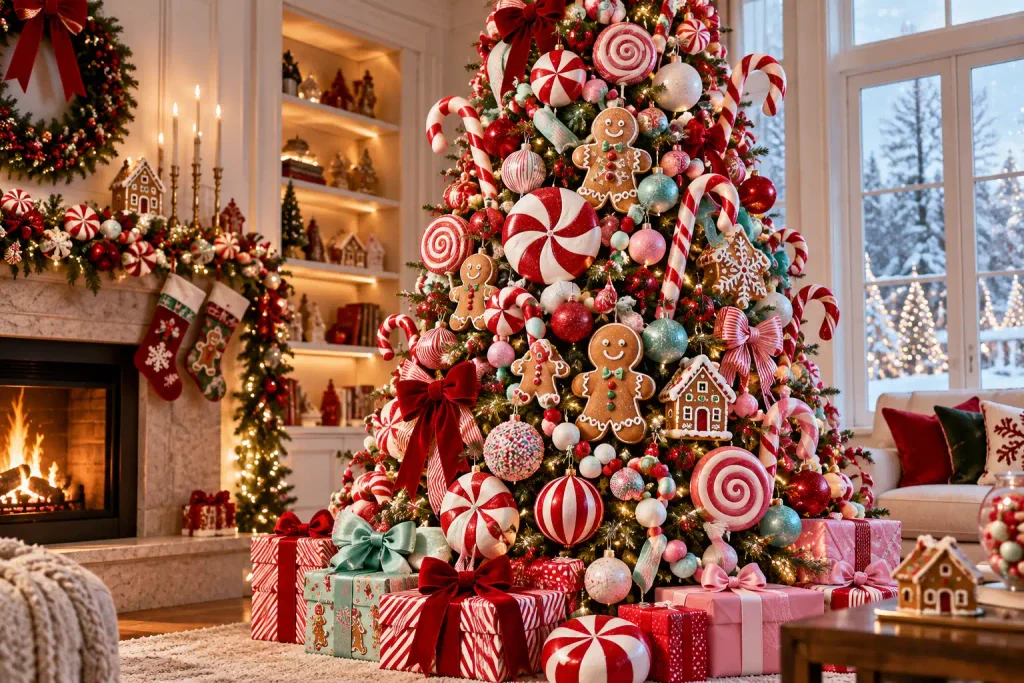
    Candy-inspired Christmas trees bring playful color and nostalgic sweetness into holiday decorating. Peppermint swirls, candy canes, striped baubles, gingerbread ornaments, gumdrop colors, lollipops, cookies, cupcakes, and miniature candy houses can transform an ordinary evergreen into a whimsical Christmas centerpiece. Red and white provide the classic foundation, but pink, mint, turquoise, lime, and pastel accents can make the theme feel more contemporary. Oversized candy decorations are particularly effective because their recognizable shapes remain visible even on heavily decorated trees.

    A successful candy Christmas tree should look abundant without losing visual structure. Start with striped red-and-white ribbon before adding large peppermint ornaments and oversized candy canes. Smaller gingerbread figures, colorful baubles, sweets, bows, and miniature bakery ornaments can then fill spaces between the larger pieces. Warm white lights create a cozy glow, while colorful lights produce a more playful interpretation. Consider coordinating nearby stockings, gift wrapping, garlands, and decorative gingerbread houses with the tree so the candy theme becomes part of the entire Christmas room.

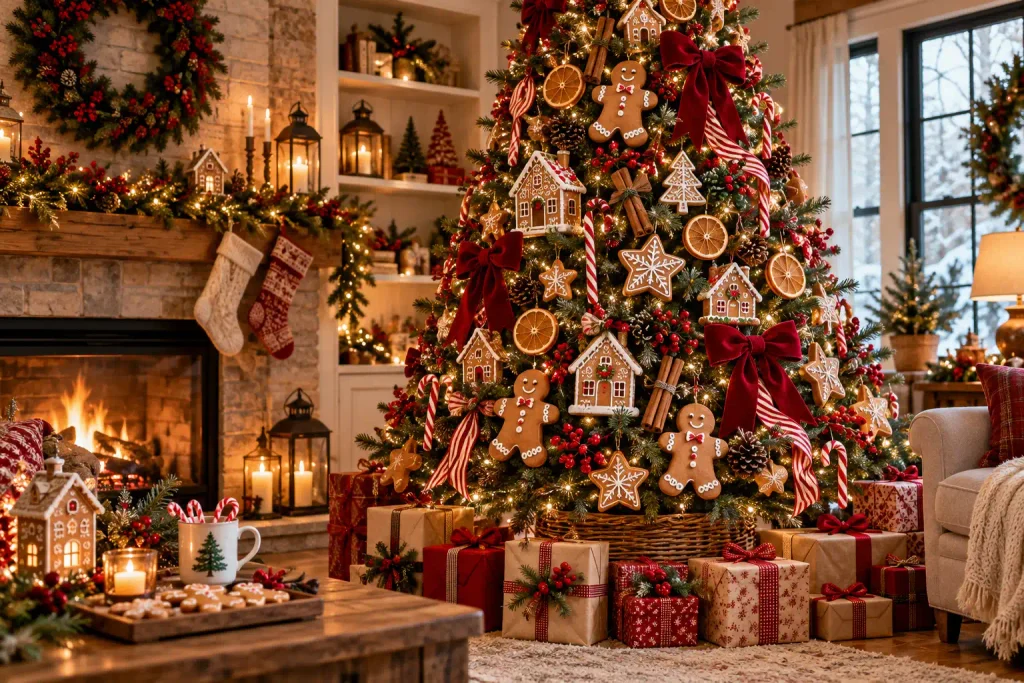
    26. Gingerbread Christmas Tree

    The gingerbread Christmas tree combines nostalgic baking traditions with warm, earthy Christmas colors. Gingerbread people, miniature houses, cookie stars, candy ornaments, cinnamon sticks, wooden decorations, red bows, and dried oranges can create a tree inspired by a traditional holiday kitchen. Brown and caramel tones naturally complement evergreen branches, while cream icing details and red accents prevent the palette from becoming too subdued. The result feels especially inviting in farmhouse, cottage, rustic, traditional, and family-focused Christmas interiors.

    For a dimensional gingerbread tree, mix realistic cookie-inspired ornaments with wood, felt, ribbon, and glass. Miniature gingerbread houses can be positioned deeper between branches, while cookie stars and gingerbread characters hang toward the outer edges. Red-and-white striped ribbon introduces a candy-shop element, whereas natural linen ribbon produces a more rustic appearance. Add warm white lights to imitate the glow of a cozy bakery window. Kraft-paper gifts, red twine, cinnamon bundles, and cookie-themed gift tags can extend the gingerbread aesthetic beneath the tree.

    27. Old Money Christmas Tree

    The old money Christmas aesthetic favors heritage details, understated luxury, traditional craftsmanship, and decorations that appear collected over generations. Deep green, burgundy, navy, antique gold, oxblood, cream, and dark wood tones establish the palette. Instead of excessive glitter, an old money Christmas tree can feature velvet ribbon, tartan bows, brass bells, vintage glass ornaments, equestrian details, miniature instruments, traditional stars, and heirloom-style decorations. The finished tree should feel refined and established rather than obviously coordinated around a temporary seasonal trend.

    Surroundings play an important role in reinforcing this aesthetic. A tree positioned beside dark wood bookshelves, an antique-style fireplace, leather furniture, framed artwork, or traditional architectural molding immediately feels more convincing. Decorate with restraint but use high-quality-looking materials, repeating burgundy velvet and antique brass throughout the branches. Plaid-wrapped gifts, satin ribbon, leather-look tags, and classic typography can extend the heritage atmosphere beneath the tree. Warm candle-like lighting completes the timeless, sophisticated holiday environment.

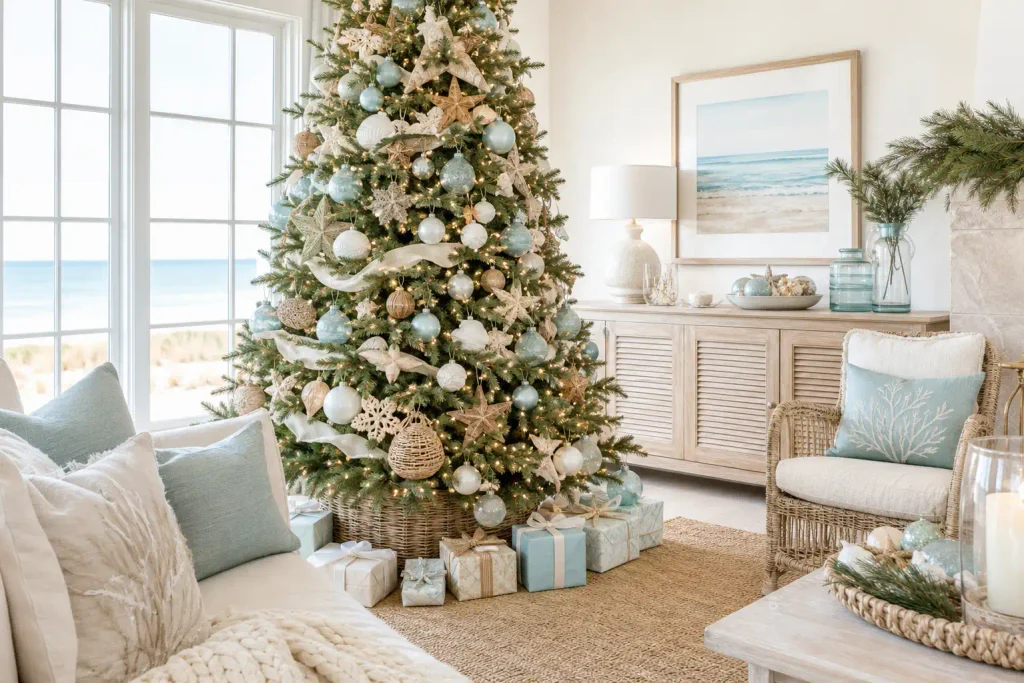
    28. Coastal Christmas Tree

    Coastal Christmas decorating introduces relaxed seaside colors and organic materials into the holiday season. Rather than creating an obvious beach-themed novelty tree, a sophisticated coastal Christmas tree uses sandy beige, soft white, muted blue, sea-glass green, pale wood, woven fibers, and subtle nautical references. Glass ornaments resembling sea glass can provide sparkle, while shells, natural rope, driftwood-inspired stars, woven decorations, and linen ribbon establish texture. The result is fresh and bright while still feeling unmistakably festive.

    Keep the palette relatively restrained so the coastal theme remains elegant. Start with warm or soft white lights before adding pale blue and frosted glass baubles. Linen ribbon can cascade through the branches while natural wooden stars and woven ornaments create organic contrast. A few carefully selected shell or coastal ornaments can communicate the theme without overwhelming the tree. Use a woven basket tree collar and gifts wrapped in cream, kraft, and dusty blue paper. This approach is particularly suitable for beach houses and light-filled coastal interiors.

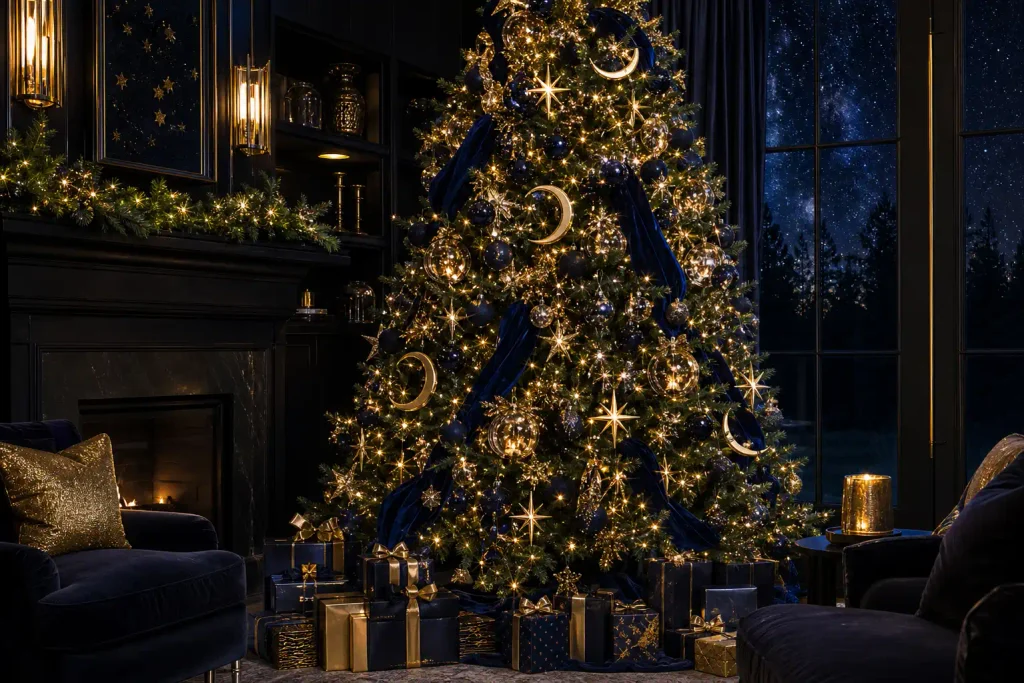
    29. Celestial Christmas Tree

    Celestial Christmas trees draw inspiration from stars, moons, constellations, planets, and the night sky. Deep navy, midnight blue, black, silver, champagne, and gold create a dramatic foundation, while star-shaped ornaments and delicate metallic garlands introduce celestial sparkle. Crystal decorations can resemble ice or distant stars, and warm micro lights scattered throughout dark branches or deep-colored ornaments mimic a glowing night sky. The theme feels magical while remaining sophisticated enough for contemporary holiday interiors.

    Choose one dominant metallic finish to prevent the celestial theme from becoming overly busy. Gold stars against navy ornaments create warmth, while silver stars and clear crystal decorations produce a cooler winter-night effect. Crescent moons, starbursts, mirrored ornaments, and delicate constellation-inspired decorations can provide variety. A dramatic star topper naturally completes the theme. Consider using deep blue velvet ribbon to connect the darker ornaments, while gift wrapping in navy, black, champagne, and metallic paper extends the night-sky palette around the base.

    30. Minimalist Warm Neutral Christmas Tree

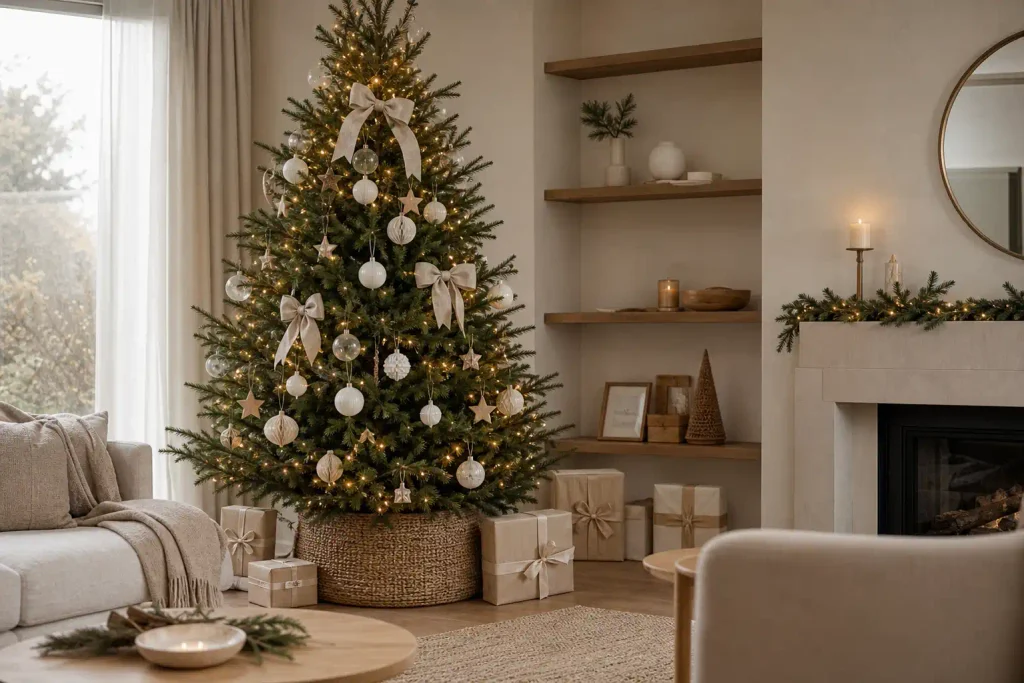
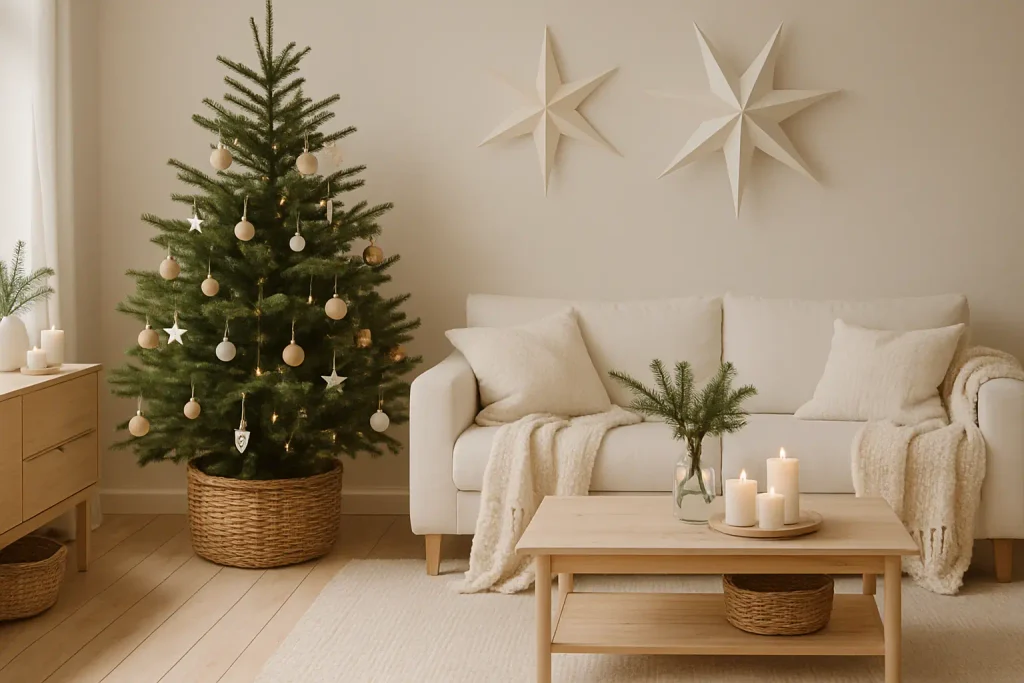
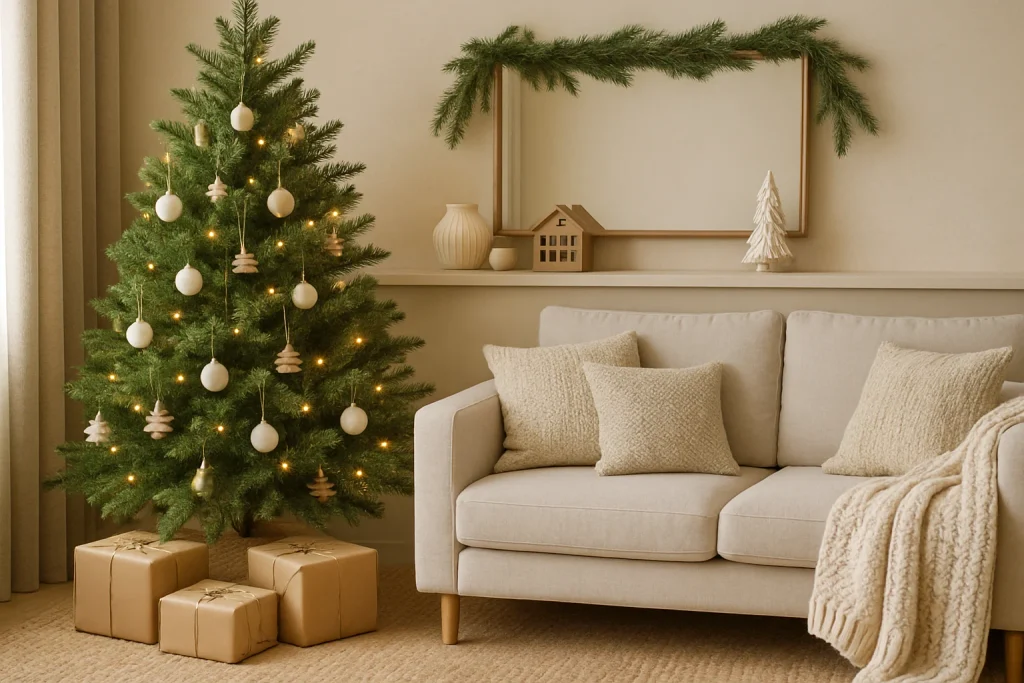
    Minimalist Christmas decorating in 2026 does not have to feel stark or empty. A warmer interpretation uses cream, oatmeal, beige, taupe, natural wood, soft brown, and muted champagne to create a calm holiday centerpiece. Rather than eliminating decorations, the goal is thoughtful editing. Handmade ceramic ornaments, wooden stars, linen bows, paper decorations, frosted glass, and a few metallic accents can provide enough variation to make the tree interesting while preserving visual simplicity and plenty of visible evergreen.

    Lighting becomes especially important on a minimalist Christmas tree because it provides much of the festive atmosphere. Choose small warm white lights and distribute them evenly from the trunk toward the outer branches. Add ornaments with generous spacing rather than clustering them densely. Natural textures such as linen, wood, wool, and paper can replace glitter-heavy finishes. A woven basket or simple fabric tree skirt completes the restrained look. Neutral gift wrapping with linen ribbon and understated tags keeps the entire arrangement cohesive.

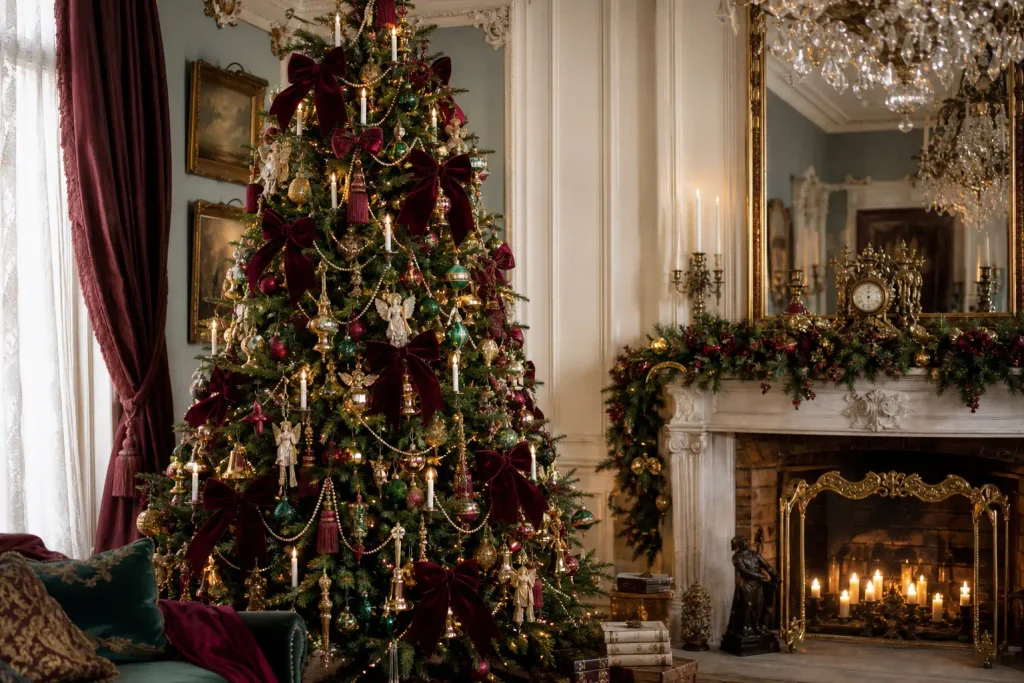
    31. Victorian-Inspired Christmas Tree

    Victorian-inspired Christmas trees bring ornate details, traditional shapes, rich colors, and old-world romance into contemporary holiday interiors. Burgundy, emerald, ruby, antique gold, cream, and deep plum provide a historically inspired palette. Decorative elements can include velvet bows, tassels, glass finials, miniature portraits, angels, bells, beaded garlands, faux candles, flowers, and intricately shaped ornaments. The tree should appear layered and decorative, with each branch revealing another small detail rather than following a modern uniform arrangement.

    To reinterpret Victorian Christmas decorating for 2026, combine historical references with contemporary safety and convenience. Battery-powered candle-style lights can imitate traditional candles without open flames, while modern LED fairy lights add additional warmth. Antique-inspired glass ornaments can be mixed with new velvet bows and brass bells. A richly decorated topper, cascading ribbon, and beaded garlands can emphasize vertical movement. Place the tree in a room with architectural molding, traditional furniture, or a fireplace to reinforce its romantic old-world atmosphere.

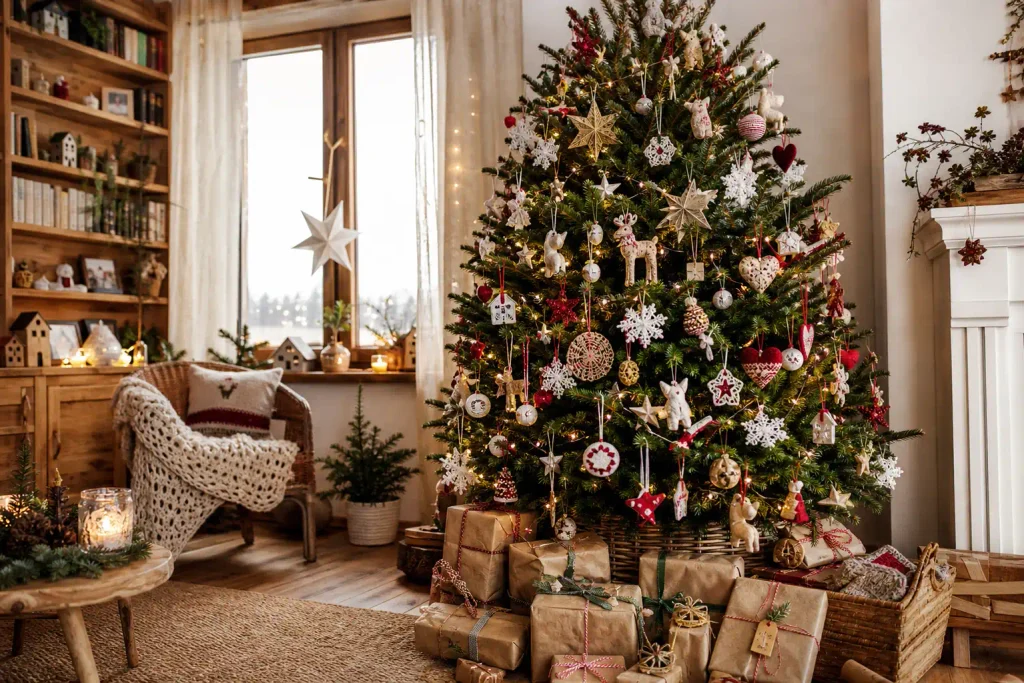
    32. Handmade Craft Christmas Tree

    Handmade decorations give Christmas trees character that mass-produced ornament collections cannot completely reproduce. Paper stars, salt-dough ornaments, knitted decorations, embroidered pieces, felt animals, wooden crafts, hand-painted baubles, crochet snowflakes, fabric hearts, and homemade garlands can transform the tree into a celebration of creativity. Small imperfections become part of the appeal because they reveal that individual pieces were made rather than manufactured. This direction naturally complements the wider interest in personalized and nostalgic Christmas decorating.

    A handmade tree does not need to look rustic unless that is the intended style. Choose a limited color palette to visually connect crafts made from different materials. Cream, red, green, and natural wood create a traditional appearance, while pastel crafts can produce something more playful. Handmade paper chains and popcorn-style garlands can introduce additional nostalgia. Warm lights enhance the tactile materials, while simple kraft-paper gifts reinforce the handcrafted theme. Families can also add new handmade ornaments annually, allowing the tree to develop its own history.

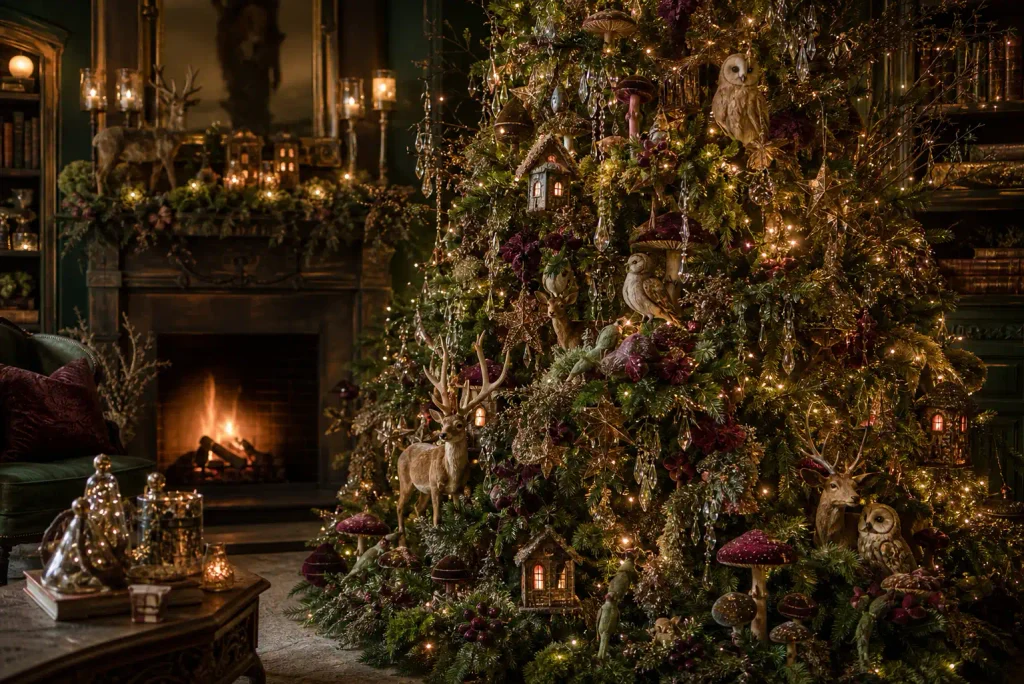
    33. Enchanted Forest Christmas Tree

    The enchanted forest Christmas tree takes woodland decorating into a more magical direction. Instead of focusing entirely on realistic nature, it combines forest elements with fantasy-inspired details such as glittering mushrooms, miniature fairy houses, sparkling branches, woodland creatures, crystal droplets, stars, butterflies, and tiny lights. Forest green, moss, burgundy, bronze, gold, and muted jewel tones create an immersive palette. The finished tree can resemble a mysterious winter forest illuminated by thousands of miniature points of light.

    Depth is crucial for creating the illusion. Position miniature houses, animals, mushrooms, and moss-like decorative pieces deeper inside the branches so viewers discover them gradually. Longer branches, fern-like picks, berries, and botanical sprays can extend beyond the natural tree silhouette. Add delicate micro lights throughout the interior before decorating the outer branches. Crystal droplets and subtle metallic ornaments provide magical reflections without overwhelming the organic elements. A natural tree collar, moss-inspired base, or woodland gift wrapping completes the storybook presentation.

    34. Retro 1970s Christmas Tree

    A 1970s-inspired Christmas tree brings warm nostalgic colors and playful vintage shapes back into holiday decorating. Burnt orange, avocado green, mustard, chocolate brown, red, amber, and gold can create a distinctly retro palette. Shiny ornaments, mushroom motifs, vintage-style glass baubles, handmade decorations, wooden pieces, tinsel, and colorful lights can reinforce the period influence. Rather than reproducing a historical tree exactly, the 2026 version can borrow recognizable retro elements and combine them with contemporary styling.

    Balance is essential because several strong retro colors can quickly dominate a room. Allow the natural evergreen branches to provide a consistent background and repeat each accent color across multiple sections of the tree. Amber glass, orange velvet ribbon, gold tinsel, wooden ornaments, and avocado-green baubles work particularly well together. Vintage-inspired gift wrap can extend the look beneath the branches. In a mid-century modern interior with walnut furniture and warm lighting, this tree can feel intentionally nostalgic rather than dated.

    35. Statement Tree Topper Christmas Tree

    The Christmas tree topper is becoming a major part of the overall design rather than a small decoration added at the end. Oversized bows, dramatic stars, sprays of branches, bells, sculptural ornaments, celestial arrangements, and cascading ribbon can extend beyond the upper branches and establish a strong focal point. A statement topper is particularly useful for tall Christmas trees because it visually completes the tree and draws attention upward, emphasizing ceiling height and creating a more dramatic holiday centerpiece.

    Choose the topper early in the decorating process so the rest of the tree can support its scale, color, and material. An enormous burgundy velvet bow can inspire matching ribbon and smaller bows throughout the branches, while a sculptural gold star can lead to metallic ornaments and celestial details. Botanical toppers can incorporate berries, branches, leaves, and flowers that reappear lower down. Keep nearby decorations slightly smaller so they do not compete with the topper. The result should create a clear visual hierarchy from top to bottom.

    Christmas Tree Trends 2026: What Is Changing?

    Christmas tree decorating in 2026 is becoming increasingly personal, layered, tactile, and expressive. Instead of purchasing one matching ornament collection and repeating it uniformly across every branch, decorators can combine vintage decorations, handmade pieces, luxurious ribbons, natural materials, oversized ornaments, sculptural shapes, and sentimental items. Nostalgic Christmas aesthetics can coexist with contemporary design, while traditional red and green can be expanded through burgundy, chocolate brown, jewel tones, champagne, blue, and playful multicolor combinations.

    Texture is equally important. Velvet, glass, wood, paper, ceramic, metal, linen, wool, pinecones, dried botanicals, and woven fibers can all appear within a single Christmas scheme. The result is a tree that feels dimensional when viewed both from across the room and at close range. Whether the chosen direction is maximalist, woodland, old money, Scandinavian, Victorian, neutral, colorful, or vintage-inspired, thoughtful repetition of colors and materials helps turn individual decorations into one cohesive Christmas display.

    How to Choose a Christmas Tree Theme for 2026

    Start by considering the colors and materials already present in your living room rather than choosing a trend solely because it looks attractive online. Warm neutral rooms naturally complement burgundy, brown, champagne, woodland, and organic Christmas trees. Traditional interiors can support heritage tartan, Victorian, nostalgic, and red-and-gold decorating, while contemporary spaces provide an effective backdrop for sculptural ornaments, black Christmas trees, jewel tones, mixed metallics, or minimalist neutral arrangements.

    You can also combine compatible Christmas tree trends rather than following one idea exactly. A woodland tree can incorporate velvet ribbon, a nostalgic tree can include oversized bows, and a Scandinavian tree can contain handmade decorations. Burgundy works naturally with old money and heritage themes, while jewel tones complement maximalism and metallic ornaments. The goal is to identify a consistent visual language—usually through color, material, or motif—and repeat it throughout the branches so different decorations still appear connected.

    Final Thoughts

    The biggest lesson from Christmas tree trends 2026 is that personality matters more than achieving a perfectly matched showroom tree. Nostalgic ornaments, woodland characters, tartan ribbon, vintage glass, oversized bows, velvet textures, sculptural decorations, warm metallics, handmade crafts, dramatic toppers, jewel tones, and playful colors give homeowners countless ways to reinterpret Christmas decorating. A successful tree can be luxurious, traditional, colorful, organic, minimal, whimsical, or intentionally maximalist while still feeling relevant to the season.

    Rather than replacing an entire ornament collection every year, use trends to refresh what you already own. A new ribbon color, several oversized ornaments, a dramatic topper, a handful of vintage-inspired decorations, or a different metallic finish can completely change the appearance of an existing tree. Combining meaningful ornaments with carefully chosen new pieces also creates a Christmas tree that feels both current and personal—an approach that can continue evolving long after the 2026 holiday season.

  • 35 Modern Rustic Living Room Ideas for a Warm, Stylish Home

    35 Modern Rustic Living Room Ideas for a Warm, Stylish Home

    A modern rustic living room combines the warmth and character of rustic interiors with the clean lines, comfortable furniture, and uncluttered appearance of contemporary design. Instead of making a room look like an old-fashioned cabin or traditional farmhouse, modern rustic decorating balances natural materials such as reclaimed wood, stone, linen, wool, leather, and exposed timber with streamlined sofas, subtle lighting, neutral colors, and carefully selected accessories. The result is a living space that feels inviting, sophisticated, organic, and genuinely comfortable.

    One of the biggest advantages of modern rustic interior design is its flexibility. You can introduce rustic character through a stone fireplace, exposed ceiling beams, a reclaimed wood coffee table, woven textiles, vintage-inspired decor, or simply a warm earthy color palette. At the same time, modern furniture and minimalist styling prevent those natural materials from overwhelming the room. Whether you are decorating a farmhouse, apartment, suburban house, mountain retreat, or open-concept home, these modern rustic living room ideas offer plenty of inspiration.

    1. Modern Rustic Living Room With a Stone Fireplace

    A natural stone fireplace can become the architectural centerpiece of a modern rustic living room, instantly introducing texture, depth, and an organic connection to the outdoors. Choose limestone, fieldstone, stacked stone, or another material with subtle variations rather than an overly uniform manufactured finish. Extending the stone from floor to ceiling creates a dramatic focal point, particularly in a room with vaulted ceilings. Keep the mantel simple with reclaimed timber or a clean floating wood shelf so the natural stone remains the dominant feature without making the room feel excessively traditional.

    Surround the fireplace with contemporary seating in warm neutrals such as oatmeal, ivory, taupe, camel, or soft gray. A streamlined linen sofa can provide a sophisticated contrast to rugged masonry, while a solid wood coffee table reinforces the rustic character. Add a wool area rug, ceramic vessels, woven baskets, and understated black or aged-brass lighting. Keeping accessories limited allows the fireplace materials to speak for themselves while preserving the clean, relaxed aesthetic that distinguishes modern rustic design from heavier lodge-style interiors.

    2. Modern Rustic Living Room With Exposed Wood Beams

    Exposed wooden ceiling beams are one of the most recognizable features of a rustic interior, but they can look remarkably contemporary when paired with restrained furnishings and a light color palette. Natural oak, reclaimed timber, or softly weathered beams introduce architectural character overhead while giving a modern living room warmth that painted drywall alone cannot provide. If your home already has structural beams, consider highlighting rather than concealing them. In newer properties, decorative beams can create a similar visual effect, especially across vaulted or high ceilings where their scale feels appropriately substantial.

    Balance dark or richly grained beams with soft white, warm beige, greige, or limewashed walls to keep the room bright. Choose low-profile furniture with uncomplicated silhouettes instead of heavily carved farmhouse pieces. A cream sectional, sculptural lounge chair, natural wood console, and understated coffee table can establish the modern side of the design. Linen curtains, handwoven rugs, ceramic accessories, and subtle greenery soften the composition further. The contrast between architectural timber and streamlined contemporary furniture produces the layered, collected character associated with sophisticated modern rustic homes.

    3. Neutral Modern Rustic Living Room

    A neutral color palette provides an ideal foundation for a modern rustic living room because it allows natural textures to become the primary source of visual interest. Rather than relying exclusively on stark white, layer warm ivory, oatmeal, mushroom, sand, taupe, camel, and muted brown. These earthy shades complement wood and stone while making a living space feel comfortable and sophisticated. The secret is creating enough tonal variation that the room feels dimensional. Walls, upholstery, rugs, curtains, and decorative objects can remain neutral while still displaying distinctly different textures and finishes.

    Start with a comfortable beige or cream sofa and build outward using tactile materials. A chunky wool rug, linen curtains, boucle accent chair, weathered wood coffee table, woven basket, and ceramic table lamp can create considerable richness without introducing bold color. Black metal details may be used sparingly to establish contrast and sharpen the overall composition. Incorporating several wood tones also prevents the room from appearing overly coordinated. This layered neutral approach creates a timeless atmosphere that feels equally appropriate in contemporary houses, renovated farmhouses, and relaxed country-inspired interiors.

    4. Modern Rustic Farmhouse Living Room

    A modern rustic farmhouse living room should reference traditional rural architecture without filling every surface with farmhouse-themed decorations. Focus first on authentic-looking materials: wide-plank oak flooring, exposed timber, painted wall paneling, natural stone, linen, cotton, and aged metal. Architectural details such as a simple fireplace mantel or understated built-in cabinetry can provide farmhouse character while contemporary furniture keeps the space relevant. Avoid excessive distressed finishes and decorative signs; a smaller number of substantial, well-chosen pieces generally creates a more convincing and sophisticated farmhouse aesthetic.

    Choose a generous slipcovered sofa, comfortable armchairs, and a substantial wood coffee table to encourage everyday relaxation. Vintage elements can then be introduced selectively through an antique stool, aged pottery, old wooden bowl, framed landscape artwork, or woven basket. Contemporary lighting is particularly useful for updating the look: sculptural pendants or minimal black sconces can sit beautifully beside rustic materials. Combining old and new elements in this restrained manner creates a farmhouse living room that feels established and welcoming rather than overly themed or artificially aged.

    5. Small Modern Rustic Living Room

    A small modern rustic living room benefits from carefully selected furniture and a restrained material palette. Instead of filling the room with bulky farmhouse furniture, choose compact pieces with visible legs and simple silhouettes. A small linen sofa, narrow reclaimed wood coffee table, and one comfortable accent chair may provide everything required for an intimate seating area. Light walls and natural wood can maintain warmth without visually reducing the space. Using the same flooring throughout adjacent rooms can also improve visual continuity and make a compact living area appear considerably larger.

    Vertical surfaces provide additional opportunities for rustic character without consuming valuable floor space. Consider floating wood shelves, a compact stone fireplace surround, textured plaster, framed landscape artwork, or a wall-mounted sconce. Storage baskets can slide beneath consoles while an ottoman may double as extra seating. Keep window treatments light and maximize daylight wherever possible. A few carefully chosen organic materials will usually have more impact than numerous small decorations, allowing a compact modern rustic room to remain comfortable, functional, visually open, and intentionally designed.

    6. Modern Rustic Living Room With Reclaimed Wood

    Reclaimed wood brings history and individuality into modern rustic interiors because its knots, saw marks, weathering, and tonal variations are difficult to reproduce perfectly with new materials. Introduce it through a coffee table, fireplace mantel, console, shelving, wall treatment, or ceiling beams. Because reclaimed timber already carries considerable visual texture, it works particularly well beside smooth modern materials such as plaster, glass, linen, steel, and polished concrete. This contrast allows weathered wood to feel deliberate and architectural rather than making the entire living room appear old-fashioned.

    Avoid matching every wooden element in the room. Instead, combine reclaimed timber with cleaner oak, walnut, or ash pieces so the interior appears collected gradually. A substantial reclaimed coffee table can sit in front of a streamlined cream sofa, while a contemporary floor lamp adds a crisp vertical line nearby. Natural textiles including wool, linen, jute, and cotton reinforce the organic aesthetic. By giving aged wood enough visual space and limiting unnecessary rustic ornaments, you can make its authentic imperfections one of the strongest design features in the room.

    7. Modern Rustic Living Room With a Sectional Sofa

    A sectional sofa can make a modern rustic living room exceptionally comfortable, especially in an open-concept home where seating helps define the lounge area. Choose upholstery in warm beige, cream, oatmeal, or muted gray and look for a design with broad cushions and relatively clean lines. Oversized sectionals already have considerable visual weight, so surrounding furniture should remain comparatively simple. A rustic oak coffee table or large upholstered ottoman can anchor the arrangement, while a generously sized rug connects all seating elements into one cohesive conversation zone.

    Texture is especially important when a large sofa dominates the room. Break up broad expanses of neutral upholstery with linen cushions, knitted throws, wool blankets, and subtle earth-tone patterns. Place a natural wood console behind the sectional if the sofa floats within an open floor plan. A stone fireplace, exposed beams, or large windows can provide architectural interest beyond the seating itself. Instead of decorating with many small objects, select larger ceramics, baskets, branches, or sculptural lighting that visually correspond to the scale of the sectional.

    8. Modern Rustic Living Room With Leather Furniture

    Leather introduces warmth, patina, and an earthy color that works naturally within rustic decorating. A cognac or saddle-brown leather sofa can provide a rich focal point against warm white or soft greige walls. For a subtler interpretation, use leather on one or two lounge chairs instead of the main sofa. Look for matte or gently aged leather rather than highly glossy finishes, as natural-looking surfaces pair more convincingly with timber, stone, wool, and linen. Over time, quality leather develops additional character, making it particularly suitable for relaxed rustic environments.

    Balance leather’s visual weight with lighter materials so the room does not become excessively dark. Pair a brown leather sofa with an ivory wool rug, cream linen curtains, pale oak tables, and off-white cushions. Black steel or aged brass lighting can add contemporary definition, while pottery and woven accessories soften harder surfaces. Green plants also work beautifully beside warm brown leather. This material combination creates a room that feels grounded and masculine enough for rustic architecture while remaining bright, refined, and appropriate for modern family living.

    9. Black and White Modern Rustic Living Room

    Black and white can give rustic interiors a sharper contemporary identity while natural wood prevents the palette from feeling cold. Begin with warm white walls and introduce matte black through window frames, fireplace doors, lighting, side tables, or hardware. These dark accents establish strong architectural lines without requiring a large amount of color. Natural oak, walnut, reclaimed timber, stone, and woven fibers then bridge the contrast between black and white, producing an interior that feels both graphic and comfortably organic.

    Keep the distribution of black controlled rather than using it equally across every surface. A white or cream sofa may sit on a textured beige rug, with black-framed windows and a slim black floor lamp providing definition. A rustic wood coffee table becomes especially noticeable against this restrained palette. Soft textiles, pottery, baskets, and greenery help reduce visual severity. The result is a modern rustic room with contemporary structure, farmhouse warmth, and enough contrast to make architectural details and natural textures stand out clearly.

    10. Modern Rustic Living Room With a Wood Accent Wall

    A wood accent wall can add immediate warmth to a living room while creating a natural backdrop for contemporary furniture. Instead of highly distressed boards associated with older rustic trends, consider wide oak planks, vertical timber slats, reclaimed wood with subtle weathering, or clean tongue-and-groove paneling. Maintaining relatively consistent tones makes the installation feel architectural and sophisticated. Position the accent wall behind a sofa, fireplace, television, or built-in storage area where it can establish a clear focal point without surrounding the entire room in wood.

    When a feature wall has strong grain and texture, keep neighboring surfaces simple. Warm white plaster, pale stone flooring, cream upholstery, and understated textiles provide visual relief. Consider incorporating concealed lighting or minimal wall sconces to emphasize the wood’s texture during the evening. Furniture does not need to match the wall exactly; mixing walnut, oak, or painted pieces can create greater depth. This approach captures the tactile appeal of a cabin while preserving the clean composition and thoughtful restraint expected from modern interior design.

    11. Cozy Modern Rustic Living Room

    Creating a cozy modern rustic living room depends more on texture, lighting, and furniture arrangement than on filling the room with decorations. Begin with seating that encourages relaxation: a deep sofa, upholstered armchairs, and perhaps an ottoman positioned around a fireplace or central coffee table. Use layered textiles such as wool throws, linen cushions, soft rugs, and natural woven fabrics to introduce tactile comfort. Warm neutral colors create continuity, while natural timber and stone ensure the room retains the organic character associated with rustic interiors.

    Lighting should be layered instead of relying solely on bright ceiling fixtures. Combine warm table lamps, floor lamps, sconces, fireplace light, and subtle architectural lighting to create different moods throughout the day. Curtains can soften windows while reducing the visual hardness of walls and glazing. Add personal but restrained decorative elements such as books, handcrafted pottery, baskets, or framed artwork. A cozy modern rustic interior should feel genuinely livable, with enough imperfection and softness to invite daily use while still maintaining an intentional and visually balanced appearance.

    12. Luxury Modern Rustic Living Room

    Luxury modern rustic design focuses on craftsmanship, material quality, architectural scale, and thoughtful restraint rather than excessive decoration. A dramatic stone fireplace, wide-plank oak flooring, custom millwork, substantial timber beams, and expansive windows can create a premium foundation. Furniture should feel equally considered, with deep upholstered seating, handcrafted tables, natural stone surfaces, and sculptural lighting. Instead of covering every wall with rustic finishes, allow a few exceptional materials to become focal points while maintaining generous areas of visual calm.

    A sophisticated palette of ivory, warm beige, walnut, charcoal, and muted earth tones works particularly well in luxurious rustic interiors. Consider travertine, limestone, boucle, mohair, wool, leather, linen, and solid wood to establish layered tactile richness. Oversized artwork or a large handmade ceramic vessel can provide more impact than numerous small accessories. The most successful luxury rustic rooms combine impressive architecture with genuine comfort, resulting in spaces that feel polished and expensive without sacrificing the warmth, authenticity, and relaxed character of natural materials.

    13. Modern Rustic Living Room With Vaulted Ceilings

    Vaulted ceilings create an opportunity to emphasize scale while showcasing some of the most appealing characteristics of modern rustic architecture. Exposed timber trusses or beams can draw attention upward, particularly when contrasted with warm white ceiling surfaces. A floor-to-ceiling stone fireplace can visually connect the floor with the roofline and provide an appropriate focal point for such a tall room. Large windows are equally valuable because they introduce daylight and outdoor views, reinforcing the connection to nature that sits at the heart of rustic interior design.

    Furniture should have sufficient scale to avoid appearing lost beneath a high ceiling. Choose a substantial sectional, broad lounge chairs, an oversized coffee table, and a large area rug rather than numerous small pieces. Pendant lights or chandeliers can occupy some of the vertical volume and make the seating area feel more intimate. Keep accessories relatively restrained and repeat key materials throughout the space. Timber, stone, linen, leather, and wool can create continuity between dramatic architecture and the comfortable human-scale furnishings below.

    14. Modern Rustic Living Room With Large Windows

    Large windows are particularly effective in modern rustic interiors because outdoor scenery becomes part of the decorative composition. Black-framed glazing can introduce crisp contemporary lines while views of trees, gardens, mountains, or open countryside strengthen the room’s natural character. Keep window treatments understated with linen curtains, woven shades, or completely unobstructed glazing where privacy allows. Position seating so occupants can enjoy both the exterior view and an interior focal point such as a fireplace, creating a comfortable relationship between architecture and landscape.

    Echo the outdoor environment through interior materials rather than using literal nature-themed decorations. Oak furniture, natural stone, wool textiles, earthy ceramics, and muted green or brown accents can establish subtle visual continuity. Avoid placing excessively tall furniture directly in front of windows, as preserving daylight and sightlines will make the living room feel more spacious. When sunlight changes throughout the day, textured surfaces such as plaster, timber, and linen gain additional depth, giving the modern rustic room a dynamic yet peaceful atmosphere.

    15. Dark Modern Rustic Living Room

    A dark modern rustic living room can feel intimate and sophisticated when deep colors are balanced with natural textures and strategic lighting. Consider charcoal, deep olive, chocolate brown, smoky gray, or nearly black walls instead of relying solely on pale farmhouse neutrals. Dark plaster or painted paneling creates a cocooning backdrop for warm wood, leather, stone, and lighter upholstery. This palette works particularly well in rooms with generous windows or strong architectural lighting, where darker surfaces can create drama without making the space feel confined.

    Introduce contrast through an oatmeal sofa, ivory rug, pale cushions, or natural linen curtains. Walnut furniture and cognac leather blend beautifully with charcoal or olive walls, while aged brass lighting adds warmth. A stone fireplace can become especially dramatic against a darker surrounding wall. Use several pools of warm light rather than one harsh overhead fixture. With thoughtful layering, a moody rustic living room feels elegant and atmospheric while maintaining the tactile, comfortable qualities that make rustic spaces appealing in the first place.

    16. Modern Rustic Living Room With a TV

    A television can coexist with rustic materials without becoming the dominant feature of the room. Consider integrating the screen into custom wood cabinetry, mounting it against dark paneling, or positioning it beside rather than directly above the fireplace. A dark television visually recedes more successfully when the surrounding wall uses charcoal paint, stone, timber, or another deeper finish. Concealed cables and carefully planned storage are essential because modern rustic design works best when contemporary technology appears intentional rather than creating visual clutter.

    Build the seating arrangement around comfortable everyday viewing while maintaining conversation-friendly proportions. A sectional or sofa can face the television, with lounge chairs positioned at an angle and a generous coffee table in the center. Closed cabinets can hide gaming systems, routers, remotes, and other electronics. Introduce rustic character elsewhere through exposed beams, oak furniture, woven baskets, linen upholstery, and stone details. The goal is not to disguise modern technology completely but to integrate it into a warm, architecturally cohesive living environment.

    17. Modern Rustic Living Room With Built-In Shelves

    Built-in shelves can provide storage, architectural interest, and an ideal place to display meaningful rustic accessories. Consider warm white cabinetry with natural wood shelving, full timber built-ins, or dark painted units for greater contrast. Shelves placed around a fireplace create a balanced focal wall, while cabinetry along an otherwise unused wall can improve functionality. Keep the design relatively clean, using simple door profiles and minimal hardware so the storage system feels contemporary even when constructed from traditional materials.

    Shelf styling should leave plenty of breathing room. Combine books with handmade pottery, wooden objects, framed artwork, small baskets, and occasional greenery rather than filling every available space. Vary object heights and orientations to avoid repetitive arrangements. Closed lower cabinets are valuable for hiding less attractive household items, allowing open shelving to remain visually calm. When styled thoughtfully, built-ins bridge the practical requirements of everyday living with the collected, handcrafted atmosphere that gives a modern rustic living room its warmth and personality.

    18. Modern Rustic Living Room With Natural Stone

    Natural stone can be used beyond the fireplace to bring substantial texture and permanence into a rustic contemporary interior. Limestone walls, travertine tables, slate flooring, stone benches, or masonry columns create a direct connection with the landscape and contrast beautifully with softer upholstery. Choose stone with visible tonal variation and natural imperfections, as these characteristics provide much of its appeal. Using the same or closely related stone in several architectural details can establish continuity without making the room feel excessively decorative.

    Because stone is visually and physically hard, balance it with soft materials. Linen sofas, wool rugs, upholstered chairs, curtains, and cushions can make a stone-rich living room feel comfortable. Warm wood is another essential companion, particularly oak or walnut with visible grain. Use subtle lighting to wash across textured masonry and emphasize shadows during the evening. By pairing ancient-feeling stone with clean furniture profiles and modern glazing, you can create a living room that feels timeless, grounded, and distinctly contemporary at the same time.

    19. Modern Rustic Living Room With Earthy Colors

    Earthy colors reinforce the natural foundation of modern rustic interiors while introducing more personality than an entirely neutral scheme. Muted olive, terracotta, clay, rust, ochre, camel, moss, and warm brown can all complement timber and stone. Use these shades in controlled amounts through cushions, upholstery, artwork, throws, or an accent wall. Because the colors are inspired by landscapes and natural materials, they generally coordinate easily and feel less trend-dependent than highly saturated synthetic tones.

    Begin with a warm neutral foundation and select two or three earthy accents rather than introducing every color at once. A cream sofa can be layered with rust and olive cushions, while a camel leather chair provides a richer mid-tone. Terracotta pottery and landscape artwork can repeat those shades subtly elsewhere. Natural oak, limestone, and woven textiles help unify the palette. The resulting room feels warm, relaxed, and visually interesting without losing the understated sophistication that makes contemporary rustic design so versatile.

    20. Modern Rustic Living Room With Green Accents

    Green is an especially natural choice for rustic living rooms because it echoes foliage and landscapes while pairing effortlessly with brown wood and neutral textiles. Muted shades such as sage, moss, olive, eucalyptus, and forest green tend to work better than very bright greens. Introduce the color through an accent chair, cushions, artwork, curtains, or painted cabinetry. A deeper olive wall can also provide a sophisticated background for pale upholstery and oak furniture, particularly in rooms receiving plenty of natural light.

    Indoor plants offer another way to introduce green while strengthening the connection between interior and exterior environments. Choose a few substantial plants or simple branches instead of scattering many tiny pots around the room. Ceramic planters, woven baskets, and stone vessels complement rustic materials particularly well. Keep the rest of the palette grounded in cream, beige, timber, and natural stone. Green accents then appear intentional and refreshing while preserving the calm, organic quality that defines a successful modern rustic living space.

    21. Modern Rustic Living Room With a Gallery Wall

    A gallery wall can introduce personality into a modern rustic room while preventing neutral interiors from feeling anonymous. Choose artwork that shares a subtle connection through color, subject, or framing rather than purchasing a perfectly matched set. Landscapes, botanical studies, vintage sketches, abstract earth-tone paintings, and black-and-white photography can all work effectively. Wood, black metal, and antique brass frames provide variation while still coordinating with rustic materials throughout the room.

    Arrange the gallery above a sofa or console where it can function as a clear visual feature. For a more contemporary appearance, maintain relatively consistent spacing even when frame sizes differ. A vintage wood console below the artwork can hold a lamp, ceramic vessel, or stack of books without becoming overcrowded. Keep nearby upholstery simple so the wall receives appropriate attention. This blend of curated artwork and natural furnishings makes a modern rustic living room feel personal, collected, and developed over time rather than styled entirely from one collection.

    22. Modern Rustic Living Room With Minimalist Decor

    Modern rustic minimalism demonstrates that warmth does not require an abundance of furniture or accessories. Start with a limited number of high-quality pieces made from tactile natural materials. A linen sofa, solid oak coffee table, wool rug, stone side table, and one sculptural floor lamp may be enough to establish a complete seating area. Warm plaster walls and wood flooring can provide additional texture without decorative clutter. Every visible item should contribute either function, craftsmanship, or meaningful visual interest.

    Negative space is particularly important in this interpretation of rustic style. Allow sections of wall and floor to remain open rather than filling them automatically. Choose one large ceramic vessel instead of several small ornaments, and consider a single oversized artwork rather than a crowded gallery. Soft neutral colors help maintain visual continuity, while irregular wood grain and handmade surfaces keep minimalism from becoming sterile. The finished living room feels peaceful, architectural, and natural—a refined combination of rustic authenticity and contemporary simplicity.

    23. Modern Rustic Living Room With Vintage Decor

    Vintage objects can add authenticity and narrative to a modern rustic living room, especially when they are integrated alongside contemporary furniture. Instead of filling the space with antiques, choose a handful of pieces with distinctive materials or craftsmanship. An aged wood stool, antique chest, vintage landscape painting, old ceramic jug, or timeworn side table can provide enough patina to make a newly decorated room feel established. Signs of wear can be attractive when balanced by clean upholstery and carefully maintained architectural surfaces.

    Mixing eras is more compelling than attempting to recreate a historically accurate farmhouse. A contemporary linen sofa might sit beside an antique side table, while modern lighting illuminates an old painting above a simple stone fireplace. Repeating similar tones—such as warm brown, cream, black, and muted green—helps diverse pieces coexist naturally. Vintage accessories should feel useful or meaningful rather than included purely as rustic props. This selective approach creates a living room with depth, personality, and the impression of objects collected gradually over many years.

    24. Modern Rustic Living Room With Boho Elements

    Bohemian influences can make a modern rustic living room feel relaxed and artistic without overwhelming its natural foundation. Incorporate woven textiles, patterned cushions, handmade ceramics, vintage rugs, rattan details, and subtle global-inspired accessories alongside clean-lined furniture. The key is moderation. Rather than layering every surface with patterns, select one expressive rug or a few cushions and allow surrounding materials to remain quiet. Warm wood, plaster, stone, and linen provide a grounded backdrop for these more decorative elements.

    Plants work especially well in rustic-boho interiors, as do natural fibers such as jute, wool, cotton, and cane. A low oak coffee table, cream sofa, woven lounge chair, and faded vintage-style rug can establish a comfortable central arrangement. Add a handcrafted pendant or sculptural lamp for personality. Keep the color palette earthy—terracotta, rust, beige, olive, and muted black—to maintain cohesion. This approach delivers the relaxed individuality of bohemian design while retaining the structure and sophistication of a modern rustic living room.

    25. Modern Rustic Living Room With Industrial Details

    Industrial details provide a striking counterpoint to warm rustic materials. Black steel window frames, metal shelving, iron lighting, concrete surfaces, and exposed structural elements can introduce an urban edge without sacrificing comfort. The most effective rooms use industrial materials selectively rather than recreating a warehouse interior. Pair metal with oak, leather, wool, and natural stone so harder surfaces remain balanced by warmth. A black steel fireplace surround, for example, can look particularly sophisticated against reclaimed timber and creamy plaster walls.

    Furniture can reinforce this combination through simple silhouettes and durable materials. A cognac leather sofa, chunky timber coffee table, wool rug, and black metal floor lamp create a strong foundation. Concrete or stone side tables can add another mineral texture. Avoid overly decorative industrial objects such as unnecessary gears or imitation factory signs; authentic material contrast is more convincing. The finished room should feel architectural and robust yet comfortable enough for everyday living, combining contemporary loft influences with the tactile richness of rustic design.

    26. Modern Rustic Living Room With Scandinavian Influence

    Scandinavian and modern rustic styles share an appreciation for natural materials, comfortable spaces, craftsmanship, and functional simplicity, making them easy to combine. Use pale oak, warm white walls, light neutral upholstery, and clean-lined furniture as the foundation. Rustic character can come from visible timber grain, handmade ceramics, woven wool, a simple stone fireplace, or softly weathered accents. Maintaining abundant natural light helps the room preserve the airy quality associated with Nordic interiors while natural textures prevent it from feeling stark.

    Comfort should remain central to the design. Layer a pale sofa with wool cushions and a soft throw, place a substantial rug beneath the seating area, and introduce warm pools of light through simple floor and table lamps. Avoid excessive decorative objects and instead display a few functional or handcrafted pieces. Black accents may be added sparingly for definition. The result is a calm modern rustic living room that combines Scandinavian clarity with the warmth and tactile imperfections of country-inspired materials.

    27. Modern Rustic Living Room With Coastal Influence

    A coastal interpretation of modern rustic style uses lighter natural materials and subtle references to seaside landscapes rather than obvious nautical decorations. Begin with warm white walls, pale oak, sandy beige textiles, woven fibers, and softly textured stone. Muted blue-gray or sea-glass accents can introduce color without dominating the room. Linen curtains and slipcovered furniture reinforce the casual atmosphere, while rustic timber pieces provide enough weight to keep the space from appearing like a conventional beach-themed interior.

    Focus on organic textures associated with relaxed coastal environments. Jute rugs, woven baskets, weathered wood, linen upholstery, and handmade pottery all work naturally together. Large windows and abundant daylight are particularly valuable, so avoid heavy window treatments whenever practical. Decorative objects might include abstract coastal artwork or simple branches rather than anchors, shells, and themed signs. Combining restrained coastal colors with rustic materials creates a bright, comfortable living room that feels appropriate for both seaside houses and inland homes seeking a lighter organic aesthetic.

    28. Modern Rustic Living Room With Open-Concept Layout

    In an open-concept home, modern rustic materials can create continuity between the living room, dining area, and kitchen. Repeating oak, stone, black metal, warm white walls, and related textiles throughout the shared space helps individual zones feel connected. Use furniture placement and area rugs to define the living room rather than relying on walls. A sectional or sofa can establish a visual boundary, while a large coffee table and rug clearly identify the central seating area without interrupting circulation.

    Architectural elements can further unify the open plan. Exposed beams may span multiple zones, while the same wide-plank wood flooring can continue from living space into dining and kitchen areas. Keep the color palette consistent but allow each zone to have a distinct focal point. The living room might feature a stone fireplace, for example, while the kitchen emphasizes a timber island. Thoughtful repetition creates cohesion while varied textures prevent the large shared space from becoming monotonous or overly coordinated.

    29. Modern Rustic Living Room With Warm Lighting

    Lighting can dramatically influence whether a modern rustic living room feels genuinely welcoming. Instead of relying on a single overhead fixture, build several layers using ceiling lights, pendants, sconces, floor lamps, table lamps, and fireplace illumination. Warm-toned light enhances the grain of timber, variations in stone, and tactile qualities of linen and wool. Architectural lighting can also highlight ceiling beams, textured plaster, shelving, or masonry, giving natural materials greater depth after daylight disappears.

    Fixtures themselves provide another opportunity to balance modern and rustic influences. Simple black metal pendants, aged brass sconces, ceramic lamps, or sculptural contemporary fixtures can work alongside reclaimed timber without becoming overly decorative. Place lighting at different heights to produce a comfortable evening atmosphere and make large rooms feel more intimate. Candles can add another subtle layer when appropriate. Carefully designed illumination ensures that a rustic living room remains visually rich and functional from bright daytime hours through relaxed evenings.

    30. Modern Rustic Living Room With Textured Walls

    Textured walls can introduce subtle rustic character without relying on obvious decorative features. Limewash, Roman clay, mineral paint, natural plaster, or softly troweled finishes create tonal variation that responds beautifully to changing daylight. Warm beige, ivory, greige, clay, and muted taupe are particularly suitable for modern rustic interiors. Unlike flat painted drywall, these surfaces have gentle movement and imperfections, making even an otherwise minimalist living room feel more tactile, handcrafted, and connected to natural materials.

    Pair textured walls with furniture that does not compete for attention. A simple linen sofa, oak coffee table, wool rug, and sculptural lounge chair allow plaster variations to remain visible. Natural stone and timber can add complementary textures, while contemporary lighting emphasizes wall depth in the evening. Keep artwork relatively limited if the finish itself is expressive. This approach is especially effective for homeowners who want rustic warmth without installing reclaimed boards, heavy paneling, or other more visually dominant architectural treatments.

    31. Modern Rustic Living Room With a Statement Coffee Table

    A statement coffee table can become the visual anchor of a modern rustic seating arrangement. Look for solid oak, reclaimed timber, live-edge wood, travertine, limestone, or another natural material with enough texture to stand out. The table should feel substantial but proportionate to the surrounding sofa and chairs. Simple forms generally work best because natural grain, knots, weathering, or stone variation already provide significant detail. In a neutral room, a handcrafted coffee table can function almost like sculpture while remaining completely practical.

    Keep tabletop styling restrained so the material remains visible. A small stack of books, ceramic bowl, or low vase with branches may be sufficient. Position the table on a generously sized wool or woven rug and surround it with comfortable seating in quieter fabrics. Repeating the coffee table’s material elsewhere in small amounts—for example through shelving or a mantel—can create subtle cohesion. This strategy gives a modern rustic living room a strong central feature without relying on bold colors or excessive decorative accessories.

    32. Modern Rustic Living Room With Layered Natural Textures

    Layering natural textures is one of the most effective ways to create a modern rustic living room that feels rich without becoming visually busy. Combine materials with clearly different tactile qualities: smooth limestone, rough reclaimed timber, soft linen, chunky wool, woven jute, matte ceramics, supple leather, and hand-finished plaster. Keeping these materials within a cohesive earthy palette allows their textures to provide interest rather than relying on bright patterns. This technique is particularly effective in neutral interiors where small variations in surface and tone become much more noticeable.

    Start with larger foundational materials and progressively add softer layers. Wood flooring and plaster walls can establish the architectural backdrop, followed by a linen sofa, wool rug, timber table, and upholstered chairs. Finish with woven cushions, a leather accent, ceramic vessels, and natural branches. Avoid making every object heavily textured; smoother elements are necessary to give rougher materials contrast. The finished room should feel comfortable, tactile, organic, and sophisticated—qualities that capture the essence of contemporary modern rustic interior design.

    33. Modern Rustic Living Room With Fireplace and TV Wall

    Combining a fireplace and television on one feature wall can create a clean, functional focal point when both elements are carefully integrated. Use natural stone, warm timber, dark plaster, or a combination of these materials to visually connect the fireplace and screen. Instead of placing a small television awkwardly above an oversized mantel, plan the proportions as one architectural composition. Built-in cabinetry can conceal cables and equipment, while open niches provide limited space for firewood, pottery, or books without creating unnecessary clutter.

    Balance the technology-heavy wall with comfortable natural furnishings throughout the rest of the room. A large linen sectional, solid wood coffee table, textured wool rug, and leather or boucle chairs can soften the composition. Warm architectural lighting helps highlight stone and timber while reducing the television’s prominence when it is switched off. Maintaining clean lines around the media area is particularly important, allowing modern functionality and rustic materials to coexist naturally within a sophisticated everyday family living room.

    34. Modern Rustic Mountain Living Room

    A mountain-inspired modern rustic living room can celebrate dramatic landscapes and substantial natural materials while avoiding the heaviness of a traditional lodge. Large windows should frame outdoor views wherever possible, while timber beams and natural stone reference the surrounding environment. Choose contemporary sofas and lounge chairs in cream, taupe, or warm gray to lighten the architecture. A monumental fireplace can provide an appropriately strong focal point, especially in a double-height room with vaulted ceilings and expansive glazing.

    Introduce deeper accents through walnut, aged leather, charcoal metal, and textured wool. Rather than decorating extensively with literal mountain motifs, let authentic materials and views establish the sense of place. A large timber coffee table, handmade ceramics, woven throws, and understated landscape artwork are usually sufficient. Modern lighting and simplified furniture profiles keep the room sophisticated. This balance creates a luxurious mountain living room that feels deeply connected to nature while remaining cleaner and more contemporary than a conventional log-cabin interior.

    35. Modern Rustic Living Room With Organic Modern Style

    Organic modern design and modern rustic decorating overlap naturally because both prioritize earthy palettes, tactile surfaces, and a strong relationship with nature. To combine them successfully, use rustic architectural materials such as oak, limestone, and plaster while choosing softer, sculptural contemporary furniture. Rounded sofas, curved lounge chairs, irregular stone tables, and handcrafted ceramics can reduce the straight lines commonly associated with farmhouse interiors. The result feels warm and grounded but distinctly current, making it an excellent direction for updated rustic homes.

    Keep the color palette calm and nature-inspired with ivory, sand, mushroom, warm brown, and muted green. Instead of adding many decorative pieces, focus on interesting shapes and authentic materials. A large indoor tree can introduce height and organic movement, while simple branches in a ceramic vessel provide understated decoration. Soft daylight, linen curtains, wool rugs, and subtle architectural lighting complete the environment. This approach creates a serene modern rustic living room that feels luxurious through texture, proportion, craftsmanship, and material quality rather than ornamentation.

    Conclusion

    A successful modern rustic living room is ultimately about balance. Rustic materials such as reclaimed wood, exposed beams, limestone, leather, wool, and handcrafted ceramics provide warmth and character, while contemporary furniture, clean architectural lines, controlled color palettes, and thoughtful lighting prevent the room from feeling dated. You do not need every traditional rustic element in a single space. Choosing two or three strong natural materials and allowing them to become genuine focal points often creates a more sophisticated result.

    Whether your ideal space includes a stone fireplace, neutral sectional, vaulted timber ceiling, vintage furniture, textured plaster walls, earthy colors, or expansive windows, the strongest modern rustic living room ideas share a sense of comfort and authenticity. Prioritize natural textures, practical furniture, quality craftsmanship, and a connection to the outdoors. With those principles in place, you can create a warm and timeless living room that combines contemporary elegance with the relaxed appeal of rustic interior design.

  • 35 Bed Without Headboard Ideas for a Stylish Bedroom

    35 Bed Without Headboard Ideas for a Stylish Bedroom

    A bed without headboard can look just as stylish, comfortable, and complete as a traditional bed with an upholstered, wooden, or metal headboard. In fact, skipping the headboard gives you more freedom to experiment with bedroom wall decor, paint colors, artwork, architectural details, lighting, pillows, and natural materials. This approach is especially useful in minimalist bedrooms, small spaces, rental apartments, modern homes, and rooms where you want the bed to have a lighter visual footprint.

    The key to decorating a bed with no headboard is making the space behind the mattress appear intentional. Instead of leaving an awkward blank wall, you can use paint, wall molding, wood panels, wallpaper, oversized artwork, shelves, textiles, pillows, or even carefully placed lighting to establish a focal point. These 35 bed without headboard ideas include minimalist, modern, cozy, bohemian, farmhouse, Scandinavian, contemporary, and luxury solutions for creating a beautiful bedroom without relying on a conventional headboard.

    1. Minimalist Bed Without Headboard

    A minimalist bedroom is an ideal place for a bed without headboard because the absence of bulky furniture reinforces the clean, uncluttered aesthetic. Choose a simple low-profile platform bed and position it against a warm white, cream, or soft beige wall. Crisp cotton sheets, a linen duvet, two large sleeping pillows, and a small number of decorative cushions can provide enough visual structure. Leaving some negative space above the mattress also allows the room to feel calmer, brighter, and more spacious.

    Keep the furniture surrounding the bed equally restrained. Natural oak nightstands, simple ceramic lamps, linen curtains, and a neutral wool rug can add warmth without introducing unnecessary decoration. Focus on high-quality materials and subtle variations in texture rather than numerous accessories. In a minimalist bedroom without a headboard, the simplicity of the bed becomes part of the design rather than something that needs to be hidden, creating a sophisticated sleeping environment influenced by contemporary and Scandinavian interiors.

    2. Large Artwork Above a Bed Without Headboard

    Oversized artwork can visually replace a traditional headboard while giving the bedroom considerably more personality. Select one large framed painting, canvas, photograph, or abstract print and position it centrally above the mattress. The artwork should be substantial enough to relate visually to the width of the bed instead of appearing like a small decoration floating on an empty wall. Neutral abstract paintings, landscapes, botanical artwork, and contemporary textured canvases are particularly versatile choices for a bed with no headboard.

    Create a connection between the artwork and the rest of the bedroom by repeating several of its colors through pillows, blankets, rugs, or bedside accessories. For instance, a canvas containing beige, olive, brown, and cream can coordinate beautifully with natural wood furniture and neutral linen bedding. Matching nightstands on either side of the bed can further establish symmetry. The result is a strong focal point that makes the headboard-free arrangement appear completely deliberate rather than unfinished.

    3. Accent Wall Behind the Bed

    Painting an accent wall is one of the simplest ways to define a bed without a headboard. Choose a shade that contrasts gently with the surrounding walls, such as sage green, dusty blue, muted terracotta, warm taupe, charcoal, or deep navy. The color establishes a clear sleeping zone and makes the wall itself function as a decorative backdrop. Because paint adds virtually no physical depth, this technique is particularly useful for smaller bedrooms where every inch of floor space matters.

    Coordinate the bedding with your chosen wall color rather than matching everything exactly. A deep green wall, for example, can look beautiful behind ivory bedding, walnut bedside tables, brass lighting, and olive decorative cushions. Pale walls can instead be complemented by deeper bedding colors for contrast. A carefully selected bedroom accent wall behind a bed with no headboard provides much of the visual impact associated with a large headboard while maintaining an open and streamlined bedroom layout.

    4. Wall Molding Behind the Bed

    Decorative wall molding provides architectural character that can make a simple bed without headboard look surprisingly luxurious. Picture-frame molding, rectangular panel molding, or classic wall trim creates depth and visual structure without placing additional furniture behind the mattress. Painting both the molding and wall in the same warm neutral shade produces a refined built-in appearance. Greige, cream, dusty green, taupe, and soft gray are especially effective in modern classic and transitional bedrooms.

    Center the bed within the wall panels so the molding naturally frames the sleeping area. Symmetrical nightstands and wall sconces can further strengthen the composition, while plush bedding softens the architectural lines. This technique works particularly well for king and queen beds because the molding can extend beyond the mattress and visually enlarge the sleeping zone. The finished bedroom feels polished and carefully designed despite having no traditional headboard attached to the bed.

    5. Use Oversized Pillows Instead of a Headboard

    Large pillows offer a comfortable and renter-friendly headboard alternative that requires almost no installation. Start with oversized European square pillows resting against the wall, then layer standard sleeping pillows and smaller decorative cushions in front. The resulting arrangement creates height and softness behind the mattress while making the bed appear inviting. Linen, boucle, cotton, velvet, and knitted fabrics can be mixed carefully to introduce depth without relying on complicated patterns.

    This approach is particularly effective with a divan or platform bed without headboard, because the abundance of textiles balances the simplicity of the bed frame. Use approximately the same color family across the pillows while varying their tones and textures. Cream, beige, taupe, caramel, and muted brown create an especially cozy palette. A folded throw at the foot of the bed completes the layered look and makes the bedroom feel comfortable, finished, and intentionally designed.

    6. Wood Slat Wall Behind the Bed

    Vertical wood slats provide an architectural backdrop that can visually substitute for a traditional headboard. Natural oak, walnut, or light timber slats introduce warmth and texture while their vertical lines draw attention upward, potentially making the ceiling appear taller. The slats can cover only the width of the mattress or continue across the entire bedroom wall. Either approach creates a strong focal point behind a modern bed without headboard.

    Combine the timber wall with understated bedding to prevent competing textures from overwhelming the room. Cream linen, warm white cotton, and muted beige textiles complement natural wood beautifully. Floating nightstands, pendant lights, and subtle integrated LED illumination can further enhance the contemporary atmosphere. Because the decorative treatment belongs to the wall rather than the bed itself, the mattress and frame can remain streamlined while the room still achieves the visual presence normally associated with a substantial headboard.

    7. Gallery Wall Above the Bed

    A curated gallery wall transforms the empty space above a bed with no headboard into an expressive bedroom feature. Combine framed photography, abstract prints, illustrations, landscapes, or botanical artwork in a carefully balanced composition. Matching frames can create a clean contemporary appearance, while a thoughtful combination of wooden and metal frames works well in eclectic interiors. Map the arrangement before hanging the pieces so the entire collection remains visually connected to the mattress below.

    Colors appearing within the artwork can be repeated through cushions, blankets, lamps, or a bedroom rug to unify the design. Maintain relatively consistent spacing between frames so the display feels curated instead of chaotic. This solution is particularly appealing for homeowners who like changing their decor because individual pieces can easily be replaced over time. A gallery wall therefore creates a flexible and personal alternative to a headboard without changing the actual bed frame.

    8. Boho Bed Without Headboard

    Bohemian bedrooms naturally accommodate beds without headboards because the style depends more on textiles, natural materials, and collected decorations than formal furniture. Position a low wooden bed against a warm neutral wall and introduce woven baskets, indoor plants, textured cushions, chunky blankets, and an earthy rug. Shades of terracotta, rust, cream, tan, olive, and muted mustard create a relaxed palette that brings warmth to the sleeping area.

    Decorate the wall with woven baskets, handmade fiber art, or a large macrame hanging rather than a conventional headboard. Rattan bedside furniture and ceramic lighting can add further organic texture. Unlike highly symmetrical traditional bedrooms, a boho bedroom without a headboard can embrace slightly irregular styling while still maintaining visual balance. The combination of tactile materials and earthy colors ensures that the room feels richly decorated even though the bed itself remains simple.

    9. Scandinavian Bed Without Headboard

    Scandinavian bedroom design emphasizes simplicity, functionality, light colors, and natural materials, making it particularly compatible with a bed without a headboard. Choose a simple pale wood platform frame and layer it with white, oatmeal, light gray, and beige textiles. Instead of decorating every part of the wall, maintain generous negative space around the bed. The uncluttered arrangement creates the peaceful visual atmosphere associated with Nordic interiors.

    Introduce warmth through light oak furniture, wool blankets, linen bedding, subtle artwork, and soft ambient lighting. A small framed print or understated wall lamp may be all that is required above or beside the bed. Avoid excessive ornamentation and concentrate on comfortable textures and functional furniture. This approach makes the lack of a headboard appear intentional while creating a calm, bright bedroom suitable for both compact apartments and larger contemporary homes.

    10. Wallpaper Behind a Bed Without Headboard

    Wallpaper can transform the entire wall behind a bed into a dramatic decorative feature. Botanical prints, subtle geometric patterns, grasscloth textures, watercolor designs, and vintage-inspired motifs can establish a strong visual identity without adding furniture. For a relaxing bedroom, choose patterns with restrained colors and enough negative space to avoid making the room feel busy. The wallpaper effectively creates a large decorative background around a bed with no headboard.

    Keep bedding relatively simple when using patterned wallpaper. Solid cream, white, beige, or colors pulled directly from the wallpaper can prevent the room from feeling visually overloaded. Matching bedside tables and understated lamps provide additional structure. In rental properties, removable peel-and-stick wallpaper may offer a less permanent alternative. Whether subtle or dramatic, a wallpaper feature wall can make the absence of a conventional headboard almost unnoticeable.

    11. Floating Shelf Above the Bed

    A long floating shelf can establish a horizontal visual line behind a bed without headboard, helping the mattress feel grounded against the wall. Choose a natural wood shelf for warm interiors or a painted shelf that blends with the wall for a more subtle effect. Decorate it sparingly with framed prints, small ceramic pieces, trailing greenery, or other lightweight accessories. The shelf should complement the bed rather than becoming overcrowded with miscellaneous objects.

    Repeating materials between the shelf and bedside furniture can help create cohesion. An oak shelf paired with oak nightstands, for example, gives the entire sleeping area a coordinated appearance. Keep decorative objects balanced and leave some empty shelf space to preserve visual calm. When appropriately positioned and securely installed, this treatment can provide both decorative character and useful display space while replacing the visual structure normally supplied by a headboard.

    12. Floor-to-Ceiling Curtains Behind the Bed

    Curtains are not limited to windows. Installing soft floor-to-ceiling fabric behind a bed without headboard can create a luxurious, cocoon-like backdrop. Linen, velvet, or other substantial drapery introduces softness and vertical movement while disguising a plain wall. Neutral colors such as ivory, oatmeal, beige, mushroom, and warm gray maintain a restful atmosphere, while deeper shades can produce a more dramatic hotel-inspired bedroom.

    The curtain treatment can span the entire wall or simply frame the width of the sleeping area. Pair it with plush bedding, substantial pillows, and soft bedside lighting to enhance the layered appearance. Because fabric absorbs some visual harshness from hard surfaces, it can make the room feel warmer and more intimate. This unconventional headboard alternative works particularly well in spacious bedrooms where full-height drapery can become a dramatic architectural feature.

    13. Painted Arch Behind the Bed

    A painted arch provides a creative and affordable way to frame a bed with no headboard. Paint a large rounded shape beginning behind the mattress and extending upward several feet. Earthy terracotta, muted olive, dusty rose, beige, warm brown, or soft blue can work beautifully depending on the bedroom palette. The curved shape visually separates the bed from the surrounding wall while adding character without taking up physical space.

    For a cohesive design, keep the rest of the bedroom relatively understated. Simple bedding, compact nightstands, and restrained wall accessories allow the painted arch to remain the focal point. This solution is particularly effective for apartments, guest bedrooms, and budget-friendly bedroom makeovers because it requires relatively little material. The final result looks custom and contemporary even when the actual bed frame is extremely simple.

    14. Exposed Brick Wall Behind the Bed

    An exposed brick wall offers enough natural texture and architectural character that a headboard can become unnecessary. Positioning a simple platform bed against warm red brick, whitewashed brick, or aged reclaimed masonry creates immediate visual depth. Crisp bedding contrasts particularly well with the irregular texture of brick, allowing the bed without headboard to remain visually distinct while the wall provides the room’s strongest decorative element.

    Industrial bedrooms can combine exposed brick with black metal lighting and dark wood furniture, while softer interiors can balance it with linen bedding, woven rugs, and warm wooden nightstands. Keeping other wall decorations minimal allows the masonry to remain prominent. This approach works especially well in loft apartments, renovated older homes, and bedrooms where original architectural features deserve to become part of the design instead of being concealed behind furniture.
    15. Farmhouse Bed Without Headboard

    A farmhouse bedroom can feel warm and complete without relying on a conventional headboard. Use a simple wooden platform or divan bed with white cotton bedding, striped or checked pillows, a chunky knitted throw, and warm neutral layers. Behind the mattress, painted shiplap or vertical tongue-and-groove paneling can create enough architectural detail to anchor the bed while reinforcing the relaxed country-inspired aesthetic.
    Add vintage-style bedside tables, ceramic lamps, woven baskets, natural greenery, and a textured area rug to establish the farmhouse character. Warm whites, beige, faded gray, and natural timber tones keep the bedroom bright while preventing it from feeling overly rustic. The emphasis should remain on comfortable materials and understated craftsmanship. A farmhouse bed without headboard can therefore feel both traditional and refreshed without requiring an oversized piece of furniture behind the mattress.

    16. Modern Luxury Bed Without Headboard

    A luxury bedroom does not necessarily require a large upholstered headboard. Instead, create visual richness through premium bedding, architectural wall treatments, sophisticated lighting, and carefully selected furniture. A low king-size platform bed can sit against a textured plaster, stone-look, or paneled feature wall. High-thread-count bedding, layered neutral textiles, and generously sized pillows create the softness normally associated with upholstered furniture.

    Add floating nightstands, sculptural pendant lights, concealed LED illumination, and a substantial rug to establish a polished hotel-inspired atmosphere. Maintain a controlled palette of ivory, taupe, beige, walnut, and subtle metallic finishes. In a luxury bedroom without headboard, quality and proportion matter more than decorative excess. The wall and lighting become the primary visual frame for the bed, resulting in an elegant contemporary interior that feels custom designed.

    17. Small Bedroom Without a Headboard

    Removing the headboard can be particularly beneficial in a small bedroom because it eliminates additional visual and physical bulk. Choose a slim bed frame and push it neatly against the main wall, preserving as much circulation space as possible. Light bedding and pale wall colors can make the room appear more open, while compact bedside tables provide essential storage without crowding the mattress. Wall-mounted lights are another useful space-saving alternative to large table lamps.

    Use vertical wall decor to draw the eye upward rather than filling the room with extra furniture. One framed print, a painted shape, or a narrow section of wallpaper can define the bed without making the wall feel crowded. Under-bed storage can further maximize functionality. A carefully planned small bedroom with no headboard demonstrates that limited square footage does not prevent the room from feeling comfortable, stylish, and intentionally decorated.

    18. Textured Plaster Wall Behind the Bed

    Limewash, Venetian plaster, Roman clay, and other textured wall finishes can create subtle movement behind a bed without headboard. Unlike flat paint, these surfaces contain tonal variation that changes with daylight, giving the wall depth without requiring additional decoration. Warm beige, stone, mushroom, clay, and soft gray finishes are especially effective in organic modern bedrooms where natural textures take priority over elaborate ornamentation.

    Pair the textured wall with linen bedding, natural timber furniture, ceramic lighting, and a wool rug. The restrained combination creates a tactile but peaceful sleeping environment. Rather than hanging multiple decorative pieces above the bed, allow the handcrafted appearance of the wall to become the focal point. This approach is particularly effective for homeowners seeking an understated, high-end interior where the absence of a headboard contributes to the architectural simplicity.

    19. Tapestry Behind the Bed

    A textile wall hanging can introduce softness, color, and pattern behind a bed with no headboard. Choose a large woven tapestry that relates proportionally to the mattress and hang it centrally above the bed. Vintage textiles, abstract woven designs, botanical motifs, and neutral fiber art can all work depending on the bedroom style. Because fabric naturally creates warmth, this solution is especially effective in rooms that otherwise contain many hard architectural surfaces.

    Coordinate the tapestry with bedding without reproducing every color exactly. Pull one or two shades from the textile and repeat them in cushions or a throw blanket. Natural wooden furniture and warm ambient lighting complement woven artwork particularly well. Unlike a heavy conventional headboard, a tapestry provides visual presence without significant depth, making it a useful option for renters and bedrooms where flexible decoration is important.

    20. Statement Wall Sconces Around the Bed

    Lighting can become the primary decorative feature surrounding a bed without headboard. Install matching wall sconces on either side of the mattress to create symmetry and frame the sleeping area. Sculptural brass, matte black, ceramic, or glass fixtures can add character while freeing the bedside tables from bulky lamps. Warm light also creates an inviting atmosphere that makes the bed feel more intimate during the evening.

    Keep the central wall relatively simple so the lighting arrangement remains prominent. A neutral wall, sophisticated bedding, and streamlined nightstands can provide an elegant backdrop. Adjustable sconces are particularly useful for nighttime reading, combining practical illumination with decoration. When the placement is carefully considered, bedside lighting establishes enough visual structure to make the absence of a headboard appear intentional and contemporary.

    21. Coastal Bed Without Headboard

    A coastal bedroom can embrace a headboard-free bed by emphasizing light colors, relaxed textiles, and natural textures. Begin with white or sandy beige bedding on a simple wooden frame. Soft blue, sea-glass green, and muted gray accents can introduce subtle coastal color without turning the room into a themed space. A woven rug, linen curtains, and pale timber furniture reinforce the breezy atmosphere.

    Instead of a traditional headboard, consider understated coastal artwork or natural wall texture behind the mattress. The goal is to maintain openness and allow sunlight to play a major role in the design. Avoid excessive nautical accessories and focus instead on materials associated with relaxed seaside interiors. A coastal bed without headboard should feel fresh, airy, and comfortable rather than heavily decorated.

    22. Japandi Bed Without Headboard

    Japandi interiors combine Japanese simplicity with Scandinavian warmth, making a low bed without headboard an excellent choice. Select a low timber platform bed and surround it with warm neutral colors, natural wood, handmade ceramics, and simple textiles. Keep the wall above the mattress largely undecorated or use one restrained piece of artwork. This creates the calm sense of space associated with both Japanese and Nordic design philosophies.

    Texture becomes particularly important when the color palette is minimal. Linen bedding, a woven rug, light oak or walnut furniture, and softly textured walls can prevent the bedroom from feeling sterile. Choose furnishings with simple silhouettes and prioritize craftsmanship over decorative complexity. The resulting Japandi bedroom without a headboard feels peaceful, balanced, and deliberately understated, making it especially suitable for anyone seeking a restful bedroom atmosphere.

    23. Canopy Bed Without a Headboard

    A canopy frame already provides substantial visual architecture around a bed, which means an additional headboard may be unnecessary. Choose a streamlined four-poster or canopy frame and allow its vertical posts and overhead structure to define the sleeping zone. Modern black metal frames create a contemporary appearance, while natural wood versions can feel warmer and more organic. Keeping the back of the bed open also prevents the canopy from appearing excessively heavy.

    Layer the mattress with comfortable bedding and allow the canopy structure itself to become the main statement. In softer bedrooms, lightweight fabric can be draped sparingly over the upper frame, while modern interiors may look better with the frame completely exposed. This approach creates height and drama without requiring wall-mounted decoration. A canopy bed without headboard can therefore provide a strong focal point while retaining an open feeling behind the mattress.

    24. Bedroom With a Window Behind the Bed

    Sometimes architectural constraints make placing the bed beneath a window the most practical layout. In this situation, eliminating the headboard can prevent the bed from blocking natural light or covering part of the window. A low-profile frame allows the glazing to remain visible while creating an attractive connection between the sleeping area and the room’s architecture. Soft curtains can visually frame both the window and bed.

    Keep bedding below the windowsill whenever possible and use compact bedside furniture to avoid crowding the arrangement. Roman shades, linen curtains, or other simple window treatments can provide privacy while maintaining brightness. This layout works particularly well in smaller rooms where furniture placement options are limited. A bed under a window without a headboard can look purposeful when symmetry, curtain placement, and bedding proportions are carefully considered.

    25. Dark Moody Bedroom Without Headboard

    A dramatic bedroom can use deep wall color to create enough visual presence that a headboard becomes unnecessary. Charcoal, forest green, chocolate brown, navy, and near-black walls provide a striking backdrop for lighter bedding. The contrast naturally frames the mattress and establishes a sophisticated focal point. Warm lighting is important because it prevents the darker palette from making the bedroom feel cold or unwelcoming.

    Layer cream, camel, taupe, and brown textiles to soften the overall composition. Walnut furniture, aged brass fixtures, and textured rugs can add richness without introducing excessive color. Instead of covering the wall with artwork, allow the deep paint color to remain prominent. A dark bedroom with a bed without headboard can feel intimate and luxurious when contrast, texture, and lighting are balanced carefully.

    26. Natural Stone Wall Behind the Bed

    Stone can turn the wall behind a bed into an impressive architectural feature. Limestone, travertine, stacked stone, or realistic stone-look panels introduce natural variation and texture that eliminates the need for a separate headboard. Because stone already has substantial visual weight, use a simple low-profile bed and restrained bedding to prevent the room from becoming overly complicated.

    Warm indirect lighting can emphasize the irregular surface and reveal the stone’s natural tonal variation. Pair the wall with timber furniture, linen bedding, and understated accessories to establish an organic luxury aesthetic. This combination works particularly well in modern villas, rustic contemporary homes, and resort-inspired bedrooms. A bed without headboard against a stone wall creates a strong connection to natural materials while maintaining a sophisticated architectural appearance.

    27. Color-Blocked Wall Behind the Bed

    Color blocking provides a graphic alternative to a physical headboard. Paint a large rectangle, horizontal band, or geometric section directly behind the mattress using a contrasting but harmonious color. Extending the painted area slightly beyond the width of the bed can create the impression of a broad headboard while remaining completely flat against the wall. Warm neutrals, dusty pastels, and earthy tones are particularly versatile.

    Keep surrounding accessories simple enough for the painted feature to remain clear. Bedding can repeat one of the wall colors or provide subtle contrast through cream and neutral layers. This technique offers considerable flexibility because the painted shape can easily be updated when the bedroom style changes. For renters or budget-conscious decorating projects, a painted headboard effect can deliver significant visual impact using relatively few materials.

    28. Rustic Bedroom Without Headboard

    A rustic bedroom can use natural materials and aged surfaces to make a conventional headboard unnecessary. Place a simple bed against a textured plaster, stone, or weathered timber wall and dress it with linen bedding, wool blankets, and earthy cushions. Natural imperfections in the materials provide visual richness, while warm brown, cream, beige, and muted gray colors create a comfortable and grounded atmosphere.

    Reclaimed wood nightstands, woven baskets, vintage-style lighting, and handmade pottery can reinforce the rustic character. Avoid filling every surface with accessories; instead, allow material texture to provide most of the decoration. A rustic bed without headboard works particularly well when the wall behind it has enough visual interest to anchor the mattress naturally. The resulting bedroom feels authentic, relaxed, and connected to natural materials.

    29. Mid-Century Modern Bed Without Headboard

    A mid-century modern bedroom can remain visually strong without a traditional headboard by focusing on distinctive furniture shapes and warm timber. Choose a low bed frame with tapered legs and pair it with walnut nightstands or a streamlined dresser. Warm white walls, mustard, olive, rust, and muted orange accents can reference the period without making the room feel like a historical recreation.

    Hang a large geometric print or period-inspired abstract artwork above the mattress to establish a focal point. Globe lamps, sculptural lighting, and a textured area rug can complete the composition. Maintaining generous negative space keeps the bedroom contemporary. A mid-century bed without headboard allows recognizable furniture and decorative elements to define the style while keeping the sleeping area visually lighter than a conventional high-backed bed.

    30. Industrial Bed Without Headboard

    Industrial bedrooms benefit from exposed architectural materials, making a headboard optional rather than essential. Position a simple low bed against concrete, exposed brick, or dark plaster and combine it with black metal furniture and warm wood accents. The contrast between soft bedding and harder architectural surfaces creates visual depth while maintaining the utilitarian character associated with industrial interior design.

    Use warm lighting to prevent concrete and metal surfaces from feeling excessively cold. Black wall sconces, Edison-inspired fixtures, timber nightstands, and a substantial rug can create balance. Keep bedding relatively simple in gray, white, charcoal, or beige. A bed without headboard in an industrial bedroom allows raw materials to become the focal point, producing an urban loft atmosphere without adding unnecessary decorative furniture.

    31. Romantic Bedroom Without a Headboard

    A romantic bedroom can feel soft and elegant without using an upholstered headboard. Start with luxurious layered bedding in ivory, blush, champagne, or warm cream. Add flowing curtains, delicate bedside lighting, and tactile fabrics such as linen and velvet. Instead of placing a heavy piece of furniture behind the mattress, use subtle decorative molding, floral artwork, or a softly painted wall to establish the sleeping area.

    The key is to create softness throughout the entire room rather than concentrating it in a single headboard. A plush rug, decorative pillows, fresh or realistic botanical arrangements, and warm lamps can contribute to the atmosphere. Keep the palette refined and avoid excessive ornamental details. A romantic bed without headboard can feel graceful and intimate when fabric, lighting, color, and wall treatments work together cohesively.

    32. Kids’ Bed Without Headboard

    A child’s bedroom can use playful wall decoration instead of a bulky headboard. A painted rainbow, mountain silhouette, stars, clouds, simple mural, or removable wall decals can create a cheerful backdrop behind a basic bed frame. Because children’s preferences change quickly, using wall decor allows the room to evolve without replacing expensive bedroom furniture every few years.

    Keep the arrangement practical by combining the bed with washable bedding, accessible storage baskets, and compact bedside furniture. Choose a color palette that feels playful but not visually overwhelming. Soft greens, blues, warm yellows, blush, and natural wood can create a comfortable environment. A kids’ bed without headboard can therefore provide more flexibility for changing themes while keeping the bedroom functional and easy to update.

    33. Guest Bedroom Without Headboard

    A guest bedroom does not require elaborate furniture to feel welcoming. A comfortable bed without headboard can look polished when paired with fresh neutral bedding, supportive pillows, bedside lighting, and convenient nightstands. Instead of purchasing a large decorative headboard, use framed artwork or a subtle accent wall to establish a focal point. This can also make a smaller guest room feel less crowded.

    Focus on details that improve comfort for visitors, including an accessible charging point, reading lamp, spare blanket, and uncluttered surfaces for personal belongings. Warm white, beige, sage, and muted blue are versatile colors that appeal to a broad range of tastes. By emphasizing comfort and practical design, a guest room with no headboard can feel thoughtful and finished without unnecessary furniture.

    34. Floating Platform Bed Without Headboard

    A floating platform bed creates such a distinctive visual effect that a headboard is often unnecessary. The concealed base makes the mattress appear suspended above the floor, giving the room a futuristic and uncluttered character. Integrated LED lighting beneath the platform can enhance the floating illusion during the evening. Keep the wall behind the bed relatively simple so attention remains on the unusual bed construction.

    Combine the floating frame with streamlined nightstands, neutral bedding, and subtle architectural lighting. Textured plaster, microcement, or wood panels can provide enough background detail without competing with the bed. This approach works particularly well in contemporary master bedrooms and modern apartments. A floating bed without headboard emphasizes horizontal lines and open floor space, creating a sophisticated sleeping environment with a strong architectural identity.

    35. Hotel-Inspired Bed Without Headboard

    A hotel-inspired bedroom can achieve a luxurious appearance without a conventional upholstered headboard by concentrating on symmetry, bedding, lighting, and wall finishes. Center a king or queen bed against a refined feature wall and place matching nightstands on either side. Layer crisp white sheets with a plush duvet, substantial sleeping pillows, decorative cushions, and a neatly folded throw. The generous textiles give the mattress the visual presence expected from an upscale bedroom.

    Add coordinated pendant lights or sconces, full-length curtains, a large area rug, and subtle artwork to complete the composition. A textured wall finish or sophisticated molding can provide architectural depth behind the bed. Maintain a controlled palette of ivory, beige, taupe, walnut, and warm metallic details. A hotel-style bed without headboard proves that luxury comes from proportion, materials, lighting, and careful styling rather than from one particular piece of bedroom furniture.

    Final Thoughts on Decorating a Bed Without a Headboard

    A bed without headboard does not have to look incomplete. In many contemporary bedrooms, removing the conventional headboard actually creates more opportunities to experiment with wall treatments, oversized artwork, paint, molding, wallpaper, textiles, lighting, wood panels, and architectural materials. The best solution depends on the size of the room, the style of the bed, the available wall space, and the overall atmosphere you want to create.

    Whether you prefer a minimalist platform bed, cozy bohemian bedroom, luxurious master suite, Scandinavian interior, rustic retreat, or modern hotel-inspired space, there are plenty of attractive headboard alternatives available. Focus on creating visual balance behind the mattress and coordinate your wall treatment with bedding, nightstands, lighting, rugs, and other bedroom decor. With thoughtful styling, a bed with no headboard can become one of the most distinctive features of the entire room.

  • 30 Christmas Mantel Ideas for a Cozy and Festive Fireplace

    30 Christmas Mantel Ideas for a Cozy and Festive Fireplace

    The fireplace mantel naturally becomes one of the most eye-catching areas of a home during the holiday season. With the right combination of Christmas garlands, evergreen branches, stockings, candles, ornaments, wreaths, ribbons, bells, pinecones, and fairy lights, even a simple fireplace can become a beautiful festive focal point. Whether your decorating style is traditional, farmhouse, modern, rustic, minimalist, or luxurious, there are countless Christmas mantel ideas that can complement your existing interior while adding warmth and seasonal character.

    A thoughtfully decorated Christmas fireplace mantel can also help establish the color palette for the entire living room. Classic red and green decorations create nostalgic holiday charm, while white and gold accessories deliver a sophisticated look. Natural greenery, dried oranges, pinecones, and wooden accents suit rustic homes, whereas metallic ornaments and velvet ribbons work beautifully in elegant interiors. The following 30 Christmas mantel decorating ideas explore different styles, colors, textures, and seasonal accessories to help inspire your holiday fireplace.

    1. Classic Red and Green Christmas Mantel

    A traditional red and green Christmas mantel creates an instantly recognizable holiday atmosphere and works beautifully with both brick and stone fireplaces. Begin with a thick evergreen garland made from pine, cedar, fir, or realistic artificial foliage. Layer red berries, pinecones, red velvet ribbon, and warm white fairy lights throughout the greenery. Red and gold Christmas ornaments can be positioned between branches for extra dimension. Hanging traditional stockings underneath the mantel completes the arrangement while connecting the fireplace with other classic Christmas decorations throughout the living room.

    Create a strong focal point above the fireplace by hanging a large evergreen Christmas wreath decorated with a red bow, berries, and subtle gold accents. Brass candleholders or lanterns placed on either side of the mantel can introduce warm metallic tones without distracting from the traditional palette. If a Christmas tree is located nearby, repeat the same red ribbon, ornaments, and warm lights to visually connect both decorating zones. This coordinated approach creates a welcoming, nostalgic Christmas living room centered around a beautifully styled festive fireplace.

    2. White and Gold Christmas Mantel

    White and gold Christmas mantel decor offers a sophisticated alternative to traditional red and green holiday decorating. Start with a realistic evergreen garland and introduce white berries, champagne ornaments, ivory ribbon, golden bells, and warm micro-lights. White Christmas stockings can hang underneath the mantel while gold stocking holders provide subtle metallic contrast. Combining matte, glossy, and glittering ornaments creates visual depth without requiring additional colors. Against a white, stone, or neutral fireplace, this palette produces an especially elegant and polished appearance suitable for modern and transitional homes.

    Continue the luxurious aesthetic above the fireplace with a white-and-gold wreath, decorative mirror, or understated seasonal artwork. Place gold candleholders at different heights along the mantel and use cream or flameless pillar candles to create warm illumination. Small ceramic Christmas trees in ivory and champagne finishes can fill remaining spaces without making the arrangement feel crowded. Coordinated white-and-gold presents near the hearth can extend the palette downward, resulting in a complete Christmas fireplace display that feels sophisticated, warm, and intentionally designed.

    3. Rustic Farmhouse Christmas Mantel

    Farmhouse Christmas mantel decor combines natural greenery, rustic textures, traditional patterns, and comfortable country-home character. Layer pine and cedar branches across a wooden or white fireplace mantel, allowing sections of greenery to cascade naturally over the edges. Incorporate pinecones, wooden bead garlands, rustic bells, dried orange slices, and simple ribbon for additional detail. Knit or plaid Christmas stockings complement this aesthetic particularly well. Rather than creating perfect symmetry, allow greenery and decorative objects to vary slightly so the fireplace feels relaxed and naturally decorated.

    Above the fireplace, consider displaying a simple evergreen wreath, vintage-inspired Christmas sign, wooden star, or antique-style mirror. Lanterns and weathered candleholders can introduce additional warmth around the hearth, while small wooden Christmas trees create height variation along the mantel. A woven basket containing firewood, blankets, or evergreen branches can complete the arrangement nearby. Using wood, linen, wool, pine, and aged metal throughout the display creates a cohesive farmhouse Christmas mantel that feels welcoming rather than overly formal.

    4. Minimalist Christmas Mantel

    A minimalist Christmas mantel proves that holiday decorating does not require excessive ornaments or elaborate accessories. Start with one simple evergreen garland or several loose cedar branches arranged naturally across the mantel. Add a limited number of neutral stockings in cream, beige, or soft gray and introduce warm white micro-lights if additional illumination is desired. Avoid filling every empty space. Allowing portions of the mantel surface and wall to remain visible creates the clean, uncluttered appearance associated with minimalist interior design while still communicating a clear Christmas theme.

    Above the fireplace, a simple wreath containing cedar, eucalyptus, or pine can provide enough seasonal interest without overwhelming the space. A few tapered candles in understated holders can add vertical variation and evening warmth. Choose decorations made from natural materials such as wood, ceramic, linen, and greenery instead of combining numerous metallic finishes or bright colors. The final arrangement should feel calm and intentional, making this one of the most practical Christmas mantel ideas for contemporary homes where simplicity and architectural details are important.

    5. Woodland Christmas Mantel

    Woodland Christmas mantel decorations bring the appearance of a winter forest indoors through natural textures and earthy colors. Begin with abundant pine, cedar, juniper, and eucalyptus greenery, then incorporate pinecones, branches, acorns, berries, wooden ornaments, and miniature woodland animals. Brown, forest green, cream, and muted red create a natural palette that complements stone fireplaces particularly well. Allow the garland to appear slightly irregular rather than perfectly symmetrical, helping the display resemble greenery gathered naturally from a winter landscape.

    Add rustic candle lanterns, small evergreen trees, and wooden decorative pieces around the mantel to reinforce the forest theme. A wreath containing pinecones and natural branches can become the focal point above the fireplace. Faux-fur or knitted stockings provide softness and contrast against the organic materials. If additional color is needed, dried orange slices or subtle red berries can provide warmth without disrupting the woodland palette. This Christmas fireplace style works especially well in cabins, farmhouse interiors, mountain homes, and rustic contemporary living rooms.

    6. Christmas Mantel With Garland and Fairy Lights

    Combining Christmas garland with fairy lights is one of the simplest ways to create a dramatic fireplace display. Choose a full evergreen garland containing pine, cedar, or fir branches and position it securely across the mantel. Weave warm white micro-lights through the greenery rather than laying them only across the surface. This allows illumination to appear from different depths within the foliage. Add pinecones, berries, bells, or a few ornaments depending on your preferred decorating style while keeping the glowing greenery as the primary feature.

    During the evening, the illuminated garland can provide atmospheric lighting even when the main room lights are reduced. Coordinate the color temperature of the fairy lights with nearby Christmas tree lights for a cohesive appearance. Candles or lanterns can add another layer of warm illumination, but keep real flames safely separated from greenery and other combustible materials. Whether the fireplace is traditional or modern, this Christmas mantel idea creates a magical holiday focal point using relatively few decorative elements while still delivering significant visual impact.

    7. Christmas Mantel With Stockings

    Christmas stockings are both decorative and sentimental, making them an essential feature of many holiday fireplaces. Choose stockings that coordinate with the room’s overall style, such as classic red velvet, plaid farmhouse designs, chunky knitted stockings, faux-fur neutrals, or elegant white fabrics. Arrange them evenly beneath the mantel using sturdy stocking holders or securely attached hooks. Above them, add evergreen garland to create visual separation between the stockings and mantel accessories while reinforcing the traditional Christmas fireplace appearance.

    Personalized stockings can make the arrangement feel particularly meaningful for families. Names, initials, embroidered designs, or individual patterns help identify each stocking while contributing to the decoration. Coordinate stocking colors with ornaments, ribbon, cushions, and the nearby Christmas tree rather than treating them as unrelated accessories. Small bells, wooden tags, or greenery sprigs can also be attached carefully to each stocking. This creates a charming Christmas mantel display that combines decorative appeal with one of the holiday season’s most recognizable family traditions.

    8. Scandinavian Christmas Mantel

    Scandinavian Christmas mantel styling emphasizes simplicity, natural materials, soft neutral colors, and cozy hygge-inspired details. Begin with loose evergreen branches or a lightweight cedar garland instead of an extremely full arrangement. Add wooden stars, white ceramic houses, paper ornaments, and warm candles while keeping the overall display restrained. Neutral linen or knitted stockings can hang underneath the mantel. White, cream, natural green, and pale wood tones help maintain the clean Nordic aesthetic while providing enough contrast to make each decorative element visible.

    Lighting plays an important role in Scandinavian Christmas interiors because winter decor is designed to create warmth during darker months. Place simple taper candles, lanterns, or flameless candles across the fireplace while maintaining safe spacing around greenery. A minimalist evergreen wreath or large paper star can decorate the wall above the mantel. Small wooden Christmas trees or ceramic houses create additional seasonal detail without excessive ornamentation. The resulting Christmas mantel feels peaceful, comfortable, and festive while preserving the simplicity associated with Scandinavian home design.

    9. Vintage Christmas Mantel

    Vintage Christmas mantel decor creates a nostalgic atmosphere using traditional ornaments, antique-inspired accessories, and decorations reminiscent of earlier holiday celebrations. Start with evergreen garland containing red berries, pinecones, colorful glass-style ornaments, and classic ribbon. Hang old-fashioned stockings below the mantel and introduce brass bells or antique candleholders for aged metallic warmth. Small nutcrackers, wooden toys, vintage-style Santa figures, or ceramic Christmas decorations can be arranged carefully along the mantel to reinforce the nostalgic theme.

    Consider displaying vintage Christmas cards, framed holiday artwork, or an antique mirror above the fireplace. A collection of ceramic village houses can also transform the mantel into a miniature seasonal scene. Warm lighting is particularly effective because it softens the arrangement and emphasizes brass, glass, and weathered finishes. Avoid making every object look newly coordinated; part of the charm comes from decorations that appear collected across different Christmas seasons. The final mantel should feel personal, nostalgic, layered, and connected to traditional holiday memories.

    10. Modern Black and Gold Christmas Mantel

    Black and gold Christmas mantel decor delivers a dramatic contemporary aesthetic while maintaining the warmth associated with holiday decorating. Use deep evergreen garland as a natural base, then incorporate matte black ornaments, brushed gold bells, metallic baubles, and subtle warm lights. Black stockings with gold details can create an especially sophisticated appearance against a light fireplace. Because the palette is visually strong, use decorations selectively rather than filling every section of the mantel with competing accessories.

    Place modern black candleholders and gold decorative trees at varying heights to create architectural interest. Above the fireplace, a simple wreath with black ribbon or metallic gold accents can reinforce the color palette. Neutral cream or white elements can soften the darker accessories and prevent the display from appearing too heavy. Warm white Christmas lights are particularly important because their golden glow complements the metallic finishes. This modern Christmas mantel idea works beautifully in contemporary living rooms featuring clean lines, neutral furniture, and sophisticated architectural details.

    11. Christmas Mantel With Candles

    Candles can transform an ordinary fireplace mantel into a warm and romantic Christmas focal point. Arrange pillar or taper candles at different heights to create visual movement, using stable holders and keeping real flames safely separated from greenery, ribbons, stockings, and other combustible decorations. Flameless LED candles provide an excellent alternative when safety or maintenance is a concern. Surround the candles with simple evergreen branches, pinecones, ornaments, or berries to establish a recognizable Christmas theme without distracting from the layered illumination.

    Glass hurricane holders can reflect candlelight beautifully while providing additional protection around flames. Brass holders create a traditional appearance, whereas black metal suits modern interiors and glass works well with elegant Christmas decorating. Place candles asymmetrically for a relaxed style or create balanced groupings on either side of a wreath for a formal mantel arrangement. When combined with Christmas tree lights and fireplace glow, candlelight creates a layered evening atmosphere that makes the living room feel especially comfortable and inviting throughout the holiday season.

    12. Snowy Winter Wonderland Christmas Mantel

    A winter wonderland mantel uses frosted greenery, snowy textures, white decorations, and sparkling metallic details to recreate the appearance of a winter landscape. Begin with a flocked evergreen garland and layer white berries, silver ornaments, crystal-style snowflakes, and warm or cool white micro-lights throughout the branches. White stockings with faux-fur details complement the snowy aesthetic, while glass and silver decorations reflect surrounding light and create additional sparkle without introducing strong contrasting colors.

    Decorate the area above the fireplace with a flocked wreath, oversized snowflake, or winter-inspired artwork. Small snowy bottle-brush trees can create a miniature forest across the mantel, while white ceramic houses add architectural detail. Use artificial snow sparingly so the arrangement remains sophisticated rather than messy. Pale blue accents can be introduced for subtle color variation if desired. Together, these elements create a magical Christmas mantel that feels elegant, bright, and distinctly seasonal, particularly when surrounded by neutral or light-colored living room furniture.

    13. Blue and Silver Christmas Mantel

    Blue and silver Christmas mantel decor creates a cool, sophisticated holiday palette suitable for modern, coastal, or elegant interiors. Start with rich evergreen foliage and add navy, royal blue, dusty blue, or icy blue ornaments depending on the surrounding room. Silver bells, metallic baubles, crystal snowflakes, and ribbon provide reflective highlights. Warm white lights prevent the cool palette from becoming visually cold while making metallic surfaces sparkle. Blue velvet or neutral stockings can hang beneath the arrangement for an additional layer of coordinated color.

    Above the mantel, hang a wreath decorated with blue ribbon and silver ornaments or use a decorative mirror that reflects the nearby Christmas tree. Silver candleholders and glass accessories can continue the reflective theme without adding excessive color. Mixing several shades of blue creates more visual depth than using one identical tone throughout the display. When carefully balanced with evergreen foliage and warm lighting, blue and silver Christmas decorations create a fireplace that feels festive, sophisticated, and distinctive without relying on conventional red holiday accessories.

    14. Natural Greenery Christmas Mantel

    Natural greenery creates a timeless Christmas mantel because evergreen foliage provides texture, fragrance, and seasonal color without requiring elaborate ornaments. Combine pine, cedar, fir, eucalyptus, juniper, or magnolia leaves to create a layered garland with varying shapes and shades of green. Allow branches to cascade naturally over one or both ends of the mantel rather than trimming everything into a perfectly straight line. Pinecones and berries can provide additional texture while maintaining the organic appearance of the arrangement.

    A simple evergreen wreath above the fireplace can reinforce the natural theme while keeping the display visually balanced. Introduce wooden candleholders, ceramic accessories, dried citrus, or natural twine if subtle decoration is desired. Neutral stockings in linen, wool, or knitted fabrics complement greenery especially well. Natural Christmas mantel decor works with farmhouse, rustic, Scandinavian, traditional, and modern interiors because greenery can adapt easily to different architectural styles. The result feels fresh, seasonal, and sophisticated without depending heavily on artificial glitter or brightly colored decorations.

    15. Christmas Mantel With Dried Oranges

    Dried orange slices bring warm natural color and traditional seasonal character to Christmas mantel decorations. Thread dried citrus slices into an evergreen garland or combine them with pinecones, cinnamon sticks, berries, and wooden beads. Their amber-orange color contrasts beautifully against deep green pine and cedar branches while complementing warm fireplace light. This decorating approach works particularly well with rustic, farmhouse, Scandinavian, and old-fashioned Christmas interiors because the materials feel handcrafted and connected to traditional winter decorating practices.

    Create a coordinating dried-orange garland across the mantel or attach several citrus slices to an evergreen wreath above the fireplace. Kraft-paper decorations, wooden ornaments, and neutral stockings can continue the natural aesthetic. Warm white lights help illuminate the translucent citrus slices during evening hours, creating subtle golden highlights. If cinnamon and natural evergreen are used nearby, the arrangement may also contribute seasonal fragrance. The finished fireplace feels warm, organic, and nostalgic while offering an attractive alternative to heavily glittered or metallic Christmas decorations.

    16. Plaid Christmas Mantel

    Plaid Christmas decor introduces traditional winter patterns that immediately make a fireplace feel warmer and more festive. Choose red-and-green tartan for a classic look or black-and-white buffalo check for farmhouse styling. Use plaid ribbon throughout an evergreen garland, allowing sections to weave naturally between branches rather than completely covering the foliage. Coordinate the ribbon with plaid stockings and introduce solid-colored ornaments in red, green, gold, or natural wood to prevent the patterned elements from overwhelming the mantel.

    Repeat plaid sparingly elsewhere in the living room through one or two cushions or a folded throw so the fireplace remains connected with surrounding furniture. Above the mantel, use a simple evergreen wreath with a matching plaid bow. Pinecones, berries, wooden decorations, and brass bells complement tartan patterns especially well. Keeping larger elements relatively simple allows the plaid to remain the dominant decorative motif. This Christmas mantel idea creates a cozy traditional appearance that works particularly well in farmhouse, rustic, cottage, and family-focused holiday interiors.

    17. Christmas Mantel With Bells

    Christmas bells add metallic texture and traditional holiday symbolism to fireplace decorating. Hang several brass or antique-style bells from the center of an evergreen garland or position smaller bells throughout pine and cedar branches. Gold bells look particularly attractive against deep green foliage because the contrast allows their shapes to remain visible. Combine them with velvet ribbon, pinecones, berries, and warm lights for a rich layered appearance. Large bells can function as statement decorations, reducing the need for numerous smaller ornaments.

    A cluster of oversized bells hanging beneath an evergreen wreath can create a strong focal point above the fireplace. For farmhouse interiors, choose aged brass finishes and rustic ribbon; for luxury mantels, polished gold bells and velvet bows create a more refined effect. Repeat the metallic finish through candleholders or stocking hooks to establish consistency. Because bells are strongly associated with Christmas imagery, even a relatively simple garland can become distinctly festive when several well-placed bells are incorporated into the arrangement.

    18. Boho Christmas Mantel

    Boho Christmas mantel decor combines natural textures, handmade details, warm neutral colors, and relaxed styling. Use a loose evergreen garland mixed with eucalyptus and dried foliage, then introduce wooden beads, tassels, macramé decorations, dried orange slices, and handmade ornaments. Cream or terracotta stockings can hang beneath the mantel while woven accessories add further texture. Rather than creating perfect symmetry, arrange decorative pieces organically to maintain the casual, artistic character associated with bohemian interiors.

    Above the fireplace, consider a minimalist wreath, woven wall decoration, or handmade macramé Christmas tree. Rattan lanterns, ceramic candleholders, and small wooden trees can decorate the mantel without introducing glossy finishes that might conflict with the natural aesthetic. Pampas grass may be incorporated carefully alongside evergreen branches for additional texture. Warm fairy lights complete the arrangement by creating a comfortable evening glow. This style is particularly effective in living rooms already featuring woven furniture, neutral textiles, houseplants, or earthy interior colors.

    19. Christmas Mantel With a Large Wreath

    A large Christmas wreath positioned above the fireplace creates an immediate focal point and provides a strong foundation for the rest of the mantel arrangement. Choose a wreath proportional to the width of the fireplace so it feels substantial without overwhelming surrounding architecture. Evergreen pine, cedar, fir, eucalyptus, or mixed foliage can create a lush appearance. Decorate the wreath with ribbon, berries, bells, pinecones, or ornaments that match the garland positioned below it.

    Because an oversized wreath already provides significant visual impact, the mantel itself can remain relatively simple. Use coordinating greenery, several candles, and stockings rather than adding numerous unrelated decorative objects. For a traditional display, incorporate red ribbon and berries; for luxury styling, choose velvet ribbon and metallic ornaments; for minimalist decor, leave most of the wreath natural. Repeating one or two materials between the wreath and mantel creates visual continuity and results in a professionally styled Christmas fireplace that feels balanced from top to bottom.

    20. Luxury Velvet Ribbon Christmas Mantel

    Velvet ribbon introduces softness, richness, and sophisticated color to Christmas mantel decorating. Deep burgundy, emerald green, navy blue, champagne, or traditional red velvet can be woven through an evergreen garland and allowed to cascade naturally over the mantel edges. Combine the ribbon with metallic ornaments, gold bells, glass baubles, and warm micro-lights to create a layered luxury display. Because velvet has substantial visual texture, wide ribbon usually creates more impact than numerous smaller decorative pieces.

    Use the same ribbon on a large wreath above the fireplace or attach elegant bows to stockings for a coordinated appearance. Gold or brass candleholders can complement the rich fabric while introducing additional reflective detail. Avoid mixing too many unrelated patterns, as a luxury Christmas mantel benefits from a controlled palette and repeated materials. Coordinating wrapped presents near the fireplace can extend the design into the room. The finished mantel feels polished, dramatic, and appropriate for elegant contemporary or traditional living spaces.

    21. Candy Cane Christmas Mantel

    A candy cane Christmas mantel uses red and white stripes to create a cheerful holiday display with a playful personality. Begin with lush green garland to provide natural contrast, then weave red-and-white striped ribbon through the foliage. Add peppermint-inspired ornaments, red berries, white snowflakes, and warm fairy lights. Red and white stockings beneath the mantel can reinforce the theme, while oversized decorative candy canes provide recognizable seasonal details without requiring excessive amounts of decoration.

    Keep some accessories solid red or white to balance the striped patterns. White ceramic trees, red candleholders, or simple red baubles can fill empty areas without making the display visually chaotic. A coordinating wreath featuring peppermint ornaments or striped ribbon can decorate the wall above the fireplace. This theme works particularly well in family homes, colorful living rooms, and playful Christmas interiors. The combination of traditional Christmas colors with whimsical candy-inspired decorations creates an energetic fireplace display that feels festive and memorable.

    22. Neutral Christmas Mantel

    Neutral Christmas mantel decorating uses cream, beige, taupe, white, natural brown, and muted metallic shades to create a calm seasonal atmosphere. Start with realistic evergreen greenery as the primary source of color, then add cream stockings, wooden ornaments, natural pinecones, beige ribbon, and warm white lights. The restrained palette allows individual textures to become more noticeable, making materials such as linen, wool, ceramic, wood, and greenery particularly important to the overall design.

    Place white ceramic houses, neutral bottle-brush trees, or natural wooden Christmas decorations along the mantel at different heights. A simple green wreath above the fireplace provides contrast against light walls while maintaining the understated aesthetic. Champagne or brushed brass accents can introduce subtle warmth without making the arrangement overly glamorous. This approach works beautifully in modern farmhouse, Scandinavian, minimalist, and contemporary interiors. The result is a peaceful Christmas mantel that feels festive through recognizable seasonal forms rather than bright colors or excessive ornamentation.

    23. Christmas Mantel With Miniature Trees

    Miniature Christmas trees can transform a fireplace mantel into a charming winter landscape. Combine bottle-brush trees, ceramic trees, wooden trees, or small realistic evergreens in varying heights to create visual depth. Arrange them in small groups rather than spacing every tree evenly across the mantel. Evergreen garland can provide a continuous base beneath the collection, while fairy lights woven between the trees create the impression of a miniature illuminated forest during evening hours.

    Select miniature trees that complement the room’s overall Christmas palette. Snow-covered white trees work beautifully with winter wonderland decor, natural wooden trees suit Scandinavian interiors, and metallic gold trees complement luxury Christmas styling. Small ceramic houses can be positioned between the trees to create a miniature village scene. Keep the background relatively simple so the collection remains the main focal point. This decorating approach adds vertical variation and whimsical seasonal detail without requiring large ornaments or elaborate floral arrangements.

    24. Christmas Mantel With Pinecones

    Pinecones are inexpensive, versatile Christmas decorations that naturally complement evergreen foliage. Tuck pinecones of different sizes into cedar and pine garland, allowing some to remain natural while lightly frosted or metallic versions provide additional variety. Combine them with berries, wooden ornaments, dried oranges, or simple ribbon depending on the desired style. Large pinecones can create focal points near the center or ends of the mantel, while smaller ones help fill gaps throughout the greenery.

    Continue the natural theme by incorporating pinecones into the wreath above the fireplace and arranging several loose pieces inside decorative bowls or lanterns near the hearth. Brown, green, cream, and warm metallic colors work particularly well with this material. For a snowy aesthetic, lightly frosted pinecones can coordinate with flocked greenery. For farmhouse decor, natural pinecones paired with burlap or plaid ribbon create rustic charm. Their texture brings depth to a Christmas mantel while maintaining an authentic connection to winter forests.

    25. Elegant Green and Gold Christmas Mantel

    Green and gold create a timeless Christmas combination that feels both traditional and sophisticated. Use abundant natural-looking evergreen foliage as the foundation and introduce gold ornaments, bells, ribbon, candleholders, and metallic decorative trees. Keeping green as the dominant color allows the gold elements to function as highlights rather than overwhelming the display. Warm micro-lights woven through the garland further enhance metallic surfaces and create a luxurious glow around the fireplace during evening hours.

    An evergreen wreath decorated with restrained gold accents can complete the wall above the mantel. Choose cream, green, or velvet stockings rather than adding an unrelated color. Different gold finishes, such as brushed brass, antique gold, and champagne metallic, can create additional depth while remaining within the same palette. This Christmas mantel style complements both traditional and contemporary living rooms because natural greenery softens the glamour of metallic accessories. The result feels elegant, festive, and visually rich without requiring an excessively complicated arrangement.

    26. Christmas Village Mantel

    A miniature Christmas village can turn a fireplace mantel into a detailed seasonal display filled with illuminated houses, trees, and winter scenery. Arrange ceramic or wooden houses at different heights using discreet risers if necessary, then position bottle-brush trees between the buildings. A simple evergreen garland along the mantel edge provides natural texture while helping connect the individual village pieces. Warm micro-lights placed behind or around the houses can create the appearance of a glowing village after sunset.

    Avoid overcrowding the mantel with unrelated decorations because the village itself should remain the main attraction. White, cream, and natural green accessories work particularly well around detailed ceramic houses. Artificial snow can be used sparingly beneath the buildings to reinforce the winter setting, while a simple wreath above the fireplace provides balance without competing with the miniature scene. This Christmas mantel idea is particularly attractive for families who enjoy collecting seasonal village pieces and adding new buildings or accessories each year.

    27. Pink Christmas Mantel

    Pink Christmas mantel decor creates a soft and distinctive holiday display that can range from playful to sophisticated depending on the shades and materials selected. Blush pink, dusty rose, berry, and champagne tones pair beautifully with natural evergreen greenery. Introduce pink ornaments, velvet ribbon, pale stockings, and warm fairy lights throughout the garland. Metallic champagne or gold accents can elevate the palette, while white decorations provide enough contrast to prevent different pink tones from blending together visually.

    A wreath decorated with blush ribbon and champagne ornaments can establish a coordinating focal point above the fireplace. Place pink glass trees, gold candleholders, or white ceramic decorations along the mantel at varying heights. Neutral living rooms are particularly suitable for this style because cream, beige, and white furniture allow the pink Christmas decorations to become noticeable without competing with existing colors. The finished fireplace can feel glamorous and contemporary while retaining traditional Christmas elements such as greenery, stockings, lights, ornaments, and wreaths.

    28. Asymmetrical Christmas Mantel

    An asymmetrical Christmas mantel offers a contemporary alternative to traditional balanced fireplace arrangements. Instead of distributing greenery evenly, concentrate a full garland on one side and allow it to cascade dramatically toward the floor. The opposite side can remain relatively open with several candles, decorative trees, or a smaller arrangement. This contrast creates movement and allows the mantel architecture to remain visible. Evergreen foliage, ornaments, ribbon, berries, and bells can all be incorporated into the fuller section.

    The wall decoration above the fireplace can also sit slightly off-center to reinforce the intentional asymmetry. A wreath positioned closer to the heavier garland side can create a flowing visual line, while a large mirror may remain centered to balance the overall room. Choose a limited color palette so the unconventional arrangement appears deliberate rather than unfinished. Asymmetrical Christmas mantel decor works especially well in contemporary, organic-modern, luxury, and editorial interiors where dramatic styling and negative space are important design elements.

    29. Oversized Garland Christmas Mantel

    An oversized Christmas garland creates maximum visual impact and can transform the fireplace into the dominant holiday feature of the living room. Build substantial volume using layers of pine, cedar, fir, eucalyptus, and other evergreen foliage rather than relying on one thin strand. Allow greenery to cascade over the mantel edges and introduce large ornaments, velvet bows, berries, bells, or pinecones within the branches. Warm micro-lights positioned throughout the garland emphasize its depth and texture after sunset.

    Because the greenery itself is dramatic, keep surrounding decorations controlled. Several elegant stockings, a large wreath, and carefully selected candleholders may be all that is required to complete the arrangement. Match the garland’s accent colors with the nearby Christmas tree so the two major focal points feel connected. Oversized garlands are especially effective on wide fireplaces, tall stone surrounds, and spacious living rooms where smaller decorations might appear insignificant. The result creates the abundant, luxurious appearance associated with professionally decorated Christmas interiors.

    30. Cozy Traditional Christmas Fireplace Mantel

    A cozy Christmas mantel combines traditional seasonal decorations with warm lighting and personal details to create an inviting family-focused fireplace. Begin with evergreen garland layered with pinecones, berries, ornaments, and warm white lights. Hang stockings underneath and add candles, lanterns, or small decorative Christmas trees across the mantel. Traditional red, green, cream, and gold work especially well together because they provide recognizable holiday color while remaining easy to coordinate with Christmas trees, pillows, blankets, and wrapped gifts elsewhere in the room.

    Complete the display with a large wreath or meaningful seasonal artwork above the fireplace. Family stockings, heirloom ornaments, handmade decorations, and favorite Christmas accessories can make the mantel feel more personal than a perfectly coordinated showroom display. Keep the hearth area comfortable with a basket of blankets, decorative firewood, or several wrapped presents while maintaining appropriate clearance around an operating fireplace. Combined with soft lighting and a nearby Christmas tree, the completed mantel becomes a warm visual center for holiday gatherings and winter evenings at home.

    How to Decorate a Christmas Mantel

    Begin your Christmas mantel decorating by selecting one clear color palette and decorating style. Consider the existing fireplace material, wall color, living room furniture, Christmas tree, and surrounding holiday decorations before purchasing additional accessories. Evergreen garland is an excellent starting point because it works with almost every Christmas style, including traditional, farmhouse, Scandinavian, rustic, minimalist, modern, and luxury interiors. Once the greenery is positioned securely, layer larger decorative pieces before filling smaller gaps with ornaments, pinecones, berries, bells, or lights.

    Creating variation in height, depth, and texture makes a mantel appear more professionally styled. Combine taller candles or miniature trees with lower greenery, allow garland to cascade naturally, and use a wreath or artwork to connect the mantel with the wall above it. Repeating colors and materials from the Christmas tree can help create a cohesive living room. Most importantly, keep combustible decorations, stockings, garlands, and other materials at safe distances from active flames and hot fireplace surfaces, following the fireplace manufacturer’s safety requirements.

    What Can You Put on a Christmas Mantel?

    Popular Christmas mantel decorations include evergreen garlands, wreaths, stockings, candles, lanterns, pinecones, bells, ribbons, ornaments, berries, dried oranges, miniature Christmas trees, ceramic houses, wooden decorations, fairy lights, and seasonal artwork. You do not need to use all of these accessories at once. Selecting several elements that complement one another generally creates a stronger design than filling every available space with unrelated Christmas decorations.

    Consider the proportions of your fireplace when selecting accessories. Large mantels can accommodate oversized garlands, statement wreaths, and substantial candleholders, while smaller fireplaces often look better with lightweight greenery and a few carefully selected decorations. Repeating one material or color several times creates rhythm and makes the display appear intentional. Whether your preference is simple natural greenery or elaborate luxury Christmas decor, the mantel should complement the surrounding living room rather than compete with every other holiday focal point.

    Christmas Mantel Decorating Tips

    When experimenting with different Christmas mantel ideas, begin with the largest elements and work toward smaller details. Position the garland, wreath, mirror, or artwork first before adding stockings, candles, ornaments, bells, and decorative trees. Step away from the fireplace periodically to evaluate the arrangement from across the room. This makes it easier to identify areas that appear too crowded, empty, or visually heavy. Layering decorations at different depths also creates dimension that may not be obvious when standing immediately beside the mantel.

    Lighting can significantly influence the final appearance. Warm fairy lights make evergreen garlands appear richer, while candlelight introduces movement and intimacy during evening hours. Battery-operated lights can reduce visible cords and make garland installation easier. If you use a functional fireplace, prioritize safety over appearance by maintaining suitable clearance between heat, flames, greenery, stockings, candles, and other decorative materials. Flameless candles and properly positioned LED lighting can provide a similar atmosphere with fewer concerns around delicate Christmas decorations.

    Final Thoughts

    These 30 Christmas mantel ideas demonstrate how a fireplace can become one of the most beautiful focal points in a holiday home. From classic red and green decorations to white and gold elegance, farmhouse greenery, Scandinavian simplicity, vintage accessories, oversized garlands, dried oranges, bells, candles, miniature villages, and modern black-and-gold styling, there is a Christmas fireplace design suitable for almost every interior aesthetic.

    The most successful Christmas mantel decorations usually share several characteristics: a consistent color palette, varied textures, thoughtfully layered greenery, appropriate lighting, and a clear focal point. Start with the style of your existing room, choose decorations that complement your Christmas tree, and incorporate personal holiday details wherever possible. Whether you prefer an elaborate festive fireplace or a simple evergreen garland with stockings, your mantel can become a warm and memorable centerpiece for the Christmas season.

  • 30 Christmas Decor Ideas for Living Room to Create a Cozy Holiday Home

    30 Christmas Decor Ideas for Living Room to Create a Cozy Holiday Home

    The living room is often the heart of Christmas celebrations. It is where families gather around the Christmas tree, exchange gifts, welcome guests, watch holiday movies, and enjoy cozy winter evenings together. Choosing the right Christmas decor ideas for living room spaces can transform an ordinary interior into a warm, festive retreat filled with seasonal charm. From traditional red and green decorations to sophisticated neutral palettes, there are countless ways to create a Christmas living room that complements your personal interior style.

    The best holiday decorating approach combines visual beauty with comfort. Christmas trees, fireplace mantels, garlands, wreaths, stockings, fairy lights, candles, ornaments, throw pillows, blankets, and seasonal centerpieces can work together to establish a cohesive festive atmosphere. Whether your home features modern, farmhouse, rustic, minimalist, Scandinavian, or luxury interiors, these 30 Christmas decor ideas for living room spaces offer inspiration for creating an inviting holiday setting without sacrificing everyday functionality.

    1. Create a Classic Red and Green Christmas Living Room

    A classic red and green color palette remains one of the most timeless Christmas living room decor ideas because these traditional holiday colors immediately create a festive atmosphere. Start with a lush green Christmas tree and decorate it with red baubles, velvet ribbons, candy-cane ornaments, gold bells, pinecones, and warm white string lights. Coordinate the tree with red Christmas stockings, green garlands, decorative cushions, and a seasonal area rug. Natural evergreen branches can also introduce additional texture while making the room feel connected to traditional winter landscapes.

    Continue the color scheme throughout the living room instead of concentrating every decoration around the Christmas tree. Place red plaid throw pillows on a neutral sofa, drape a soft green blanket across an armchair, and decorate coffee tables with red candles surrounded by pine branches and berries. A Christmas wreath featuring evergreen foliage and red ribbon can provide another attractive focal point. Small touches of gold or brass prevent the red and green combination from becoming visually overwhelming while adding warmth and elegance to the overall holiday interior.

    2. Design a Cozy Farmhouse Christmas Living Room

    Farmhouse Christmas decor combines rustic textures, comfortable furnishings, natural greenery, and vintage-inspired holiday accessories. Begin with a traditional Christmas tree decorated with wooden ornaments, burlap ribbon, miniature bells, pinecones, and warm string lights. Wooden furniture, woven baskets, ceramic decorations, and chunky knitted blankets complement this relaxed aesthetic beautifully. Instead of making every element perfectly polished, incorporate decorations with slightly weathered finishes to create the welcoming character associated with farmhouse interiors. Plaid patterns in red, cream, forest green, or neutral tones can reinforce the cozy country-home atmosphere.

    A farmhouse fireplace mantel provides another excellent opportunity for Christmas decorating. Layer eucalyptus, cedar, pine branches, wooden bead garlands, antique-style candleholders, and simple stockings along the mantel. Place a rustic wooden sign or oversized Christmas wreath above the fireplace to establish a central focal point. Around the sofa, introduce linen pillows, chunky throws, lanterns, and woven textures. Wooden crates filled with wrapped presents or miniature evergreen trees can occupy empty corners without making the living room appear cluttered, producing an authentic farmhouse Christmas setting.

    3. Try Elegant White and Gold Christmas Decor

    White and gold Christmas decorations create an elegant living room that feels festive without relying heavily on traditional red. Use a flocked or deep-green Christmas tree as the foundation, then decorate it with white ornaments, champagne baubles, gold ribbon, metallic stars, glass decorations, and warm fairy lights. Mixing matte, glossy, and glitter finishes provides visual depth while maintaining the sophisticated color palette. Cream sofas, neutral walls, and natural wood floors are particularly effective backgrounds because they allow metallic Christmas decorations to stand out without making the space feel excessively ornate.

    Extend white and gold Christmas decor beyond the tree by introducing ivory stockings, golden candleholders, white ceramic houses, metallic tabletop trees, and soft cream textiles. A mantel garland containing greenery, white berries, champagne ribbon, and subtle gold ornaments can connect the fireplace visually with the Christmas tree. For the coffee table, arrange pillar candles on a gold tray with miniature ornaments and pine sprigs. Warm lighting is essential because it enhances the reflective metallic surfaces and gives the entire living room a luxurious yet comfortable Christmas glow.

    4. Embrace Scandinavian Christmas Decor

    Scandinavian Christmas decor emphasizes simplicity, functionality, natural materials, and a calming neutral color palette. Choose a naturally shaped evergreen tree and decorate it sparingly with wooden stars, paper ornaments, white baubles, straw decorations, and warm white lights. Rather than filling every surface with holiday accessories, allow negative space to remain visible. Light-colored wood, white walls, wool textiles, woven baskets, and understated greenery support the Nordic aesthetic while making even a relatively small living room feel open, comfortable, and seasonally appropriate.

    Hygge-inspired comfort is equally important when designing a Scandinavian Christmas living room. Add wool blankets, sheepskin-style rugs, knitted cushions, candles, and soft ambient lighting around seating areas. Simple pine branches displayed in ceramic vases can replace elaborate floral arrangements, while handmade paper stars placed near windows provide subtle festive detail. A restrained mantel arrangement featuring evergreen foliage and neutral stockings completes the look. The result should feel warm and intentionally decorated rather than empty, proving that beautiful Christmas decor does not require excessive ornaments or complicated color combinations.

    5. Decorate the Fireplace Mantel as a Christmas Focal Point

    A fireplace naturally attracts attention, making it one of the most valuable areas for Christmas living room decorating. Start with a full evergreen garland containing pine, cedar, eucalyptus, or realistic artificial foliage. Allow sections of greenery to cascade slightly over the edges for an organic appearance. Add pinecones, berries, ribbon, metallic bells, dried oranges, or subtle ornaments according to your chosen Christmas color scheme. Warm micro-lights woven through the greenery provide a magical glow during evening gatherings and help connect the fireplace with an illuminated Christmas tree nearby.

    Hang personalized Christmas stockings beneath the mantel to introduce both decorative interest and family tradition. Above the fireplace, display a large holiday wreath, framed seasonal artwork, decorative mirror, or collection of understated Christmas accessories. Vary the height of candles and decorative trees along the mantel rather than arranging everything at exactly the same level. If the fireplace is functional, keep combustible decorations safely away from flames and heat. A carefully styled mantel can anchor the entire Christmas living room and make surrounding furniture arrangements feel more intentional.

    6. Create a Winter Wonderland Living Room

    Transforming the living room into a winter wonderland involves layering snowy textures, cool neutrals, shimmering ornaments, and sparkling illumination. A flocked Christmas tree works especially well because its snow-covered branches establish the theme immediately. Decorate it with white, silver, crystal, pearl, and icy blue ornaments, then incorporate snowflake decorations and delicate fairy lights. White faux-fur textiles, frosted garlands, glass accessories, and reflective metallic surfaces can continue the snowy aesthetic throughout the room without requiring artificial snow on every piece of furniture.

    Balance the cooler winter palette with warm lighting so the living room remains inviting. Place soft white blankets across sofas and chairs, introduce plush pillows, and group LED candles around the fireplace or coffee table. Frosted miniature trees can decorate bookshelves and console tables, while hanging snowflakes near windows create visual interest at different heights. Wrapped presents in white, silver, and pale blue paper complete the setting beneath the tree. The finished winter wonderland Christmas living room should appear magical and sophisticated while remaining comfortable enough for everyday family activities.

    7. Add Rustic Woodland Christmas Decorations

    Woodland Christmas decor brings the textures and colors of a winter forest indoors. Use evergreen branches, pinecones, wooden ornaments, acorns, twigs, berries, and animal-inspired decorations to create an earthy seasonal environment. A natural green Christmas tree decorated with wooden stars, miniature woodland creatures, brown ribbon, and warm lights becomes an ideal focal point. Neutral furniture works particularly well with this decorating style because shades of brown, forest green, beige, and cream can develop naturally without competing against bright artificial colors.

    Continue the forest theme with natural materials around the room. Fill wooden bowls with pinecones and ornaments, arrange branches in stoneware vases, and use woven baskets to store blankets or Christmas gifts. A pine garland across the mantel can include dried orange slices and rustic bells for additional detail. Plaid cushions and faux-fur throws introduce warmth while maintaining the outdoor-inspired aesthetic. When thoughtfully arranged, woodland Christmas living room decor feels relaxed, authentic, and cozy, making it especially attractive for cabins, farmhouse homes, and rustic contemporary interiors.

    8. Use Blue and Silver Christmas Decorations

    Blue and silver provide a sophisticated alternative to traditional Christmas colors and work particularly well in modern or contemporary living rooms. Choose navy, royal blue, dusty blue, or icy blue depending on the existing interior palette. Decorate the Christmas tree with blue baubles, silver ornaments, metallic ribbon, crystal snowflakes, and white fairy lights. Reflective silver decorations catch illumination beautifully, while darker blue elements provide contrast and depth. Combining several shades of blue prevents the color scheme from appearing flat and creates a professionally layered holiday display.

    Carry the blue and silver palette into soft furnishings and smaller accessories. Velvet navy cushions, silver candleholders, pale blue blankets, and metallic decorative trees can subtly repeat the tree colors throughout the room. Add a silver-and-blue garland to the fireplace mantel and wrap gifts using coordinating paper and ribbon. White or neutral walls help these cooler tones remain crisp, while warm ambient lamps prevent the overall interior from feeling cold. This Christmas decorating scheme produces an elegant, polished living room with a distinctive winter-inspired character.

    9. Create a Minimalist Christmas Living Room

    Minimalist Christmas decorating focuses on carefully selected seasonal elements rather than filling every available surface. Begin with a simple Christmas tree featuring a limited collection of neutral ornaments and warm white lights. Natural wooden decorations, matte white baubles, and a restrained ribbon can provide enough detail while preserving a clean visual appearance. Keep furniture surfaces mostly clear and use one or two meaningful decorative pieces instead of numerous small accessories. This approach is especially useful for modern homes where clean lines and open spaces are important parts of the interior design.

    A minimalist Christmas living room can still feel warm and celebratory through texture and lighting. Add a simple evergreen wreath, one natural garland, a few candles, and a soft knitted throw. Neutral gift wrapping in kraft paper, cream ribbon, or muted green maintains visual consistency beneath the tree. Instead of introducing multiple Christmas colors, repeat two or three complementary shades throughout the space. By emphasizing quality, proportion, and placement, minimalist holiday decor creates a peaceful seasonal atmosphere that feels intentional rather than unfinished or excessively sparse.

    10. Style a Small Living Room for Christmas

    Decorating a small living room requires choosing Christmas elements that create impact without restricting movement. Consider a slim Christmas tree, tabletop tree, or narrow artificial tree that provides height while occupying less floor space. Keep ornaments proportional and use warm string lights to establish festive character without visual heaviness. Vertical decorations are particularly useful in compact interiors: hanging wreaths, window stars, wall-mounted garlands, and decorations placed on shelves can create a complete holiday atmosphere while preserving valuable surfaces and walking areas.

    Multipurpose Christmas decorations can make compact spaces even more practical. Replace everyday cushions with seasonal pillow covers rather than adding extra accessories, and store blankets inside decorative baskets that contribute to the holiday aesthetic. A small coffee-table centerpiece containing greenery, candles, and ornaments provides festive detail without overwhelming the room. Use mirrors strategically to reflect Christmas lights and make the space appear larger. Keeping a consistent color palette also reduces visual clutter, allowing a small Christmas living room to feel cozy, organized, and beautifully decorated.

    11. Decorate With Natural Greenery

    Fresh or realistic artificial greenery is one of the easiest ways to establish a sophisticated Christmas living room. Pine, cedar, fir, eucalyptus, magnolia leaves, and juniper can be layered into garlands, wreaths, table arrangements, and simple vase displays. Different foliage varieties create texture even when the color palette remains predominantly green. Decorate a Christmas tree using fewer manufactured ornaments and emphasize its natural branches, then repeat similar greenery across the fireplace and windows to establish continuity throughout the room.

    Natural Christmas decor works beautifully with wood, linen, stone, wool, and other organic materials. Add pinecones, dried citrus, cinnamon sticks, berries, or simple ribbon to greenery for subtle seasonal accents. On a coffee table, a ceramic bowl containing pine branches and candles can function as an understated centerpiece. Small evergreen arrangements placed on bookshelves create repetition without excessive clutter. Whether the foliage is fresh or high-quality artificial greenery, concentrating on realistic textures can make Christmas living room decor feel timeless, peaceful, and connected to the winter landscape.

    12. Create a Luxury Christmas Living Room

    Luxury Christmas decor is less about adding as many decorations as possible and more about selecting rich materials, oversized statement pieces, and a coordinated color story. Decorate a full Christmas tree with velvet ribbon, glass ornaments, metallic baubles, crystal details, and abundant warm lighting. Champagne gold, burgundy, emerald green, ivory, and deep navy can all create upscale palettes. Use larger ornaments closer to the interior branches and smaller decorations near the edges to create professional-looking depth and dimension throughout the tree.

    Extend the luxurious aesthetic with velvet pillows, plush throws, elegant candleholders, decorative trays, and sophisticated floral arrangements. A thick mantel garland containing layered greenery, ribbon, ornaments, and subtle lights can become another dramatic feature. Wrap presents in coordinated premium paper so they contribute to the design rather than creating visual clutter beneath the tree. Avoid mixing too many unrelated colors or styles. Repetition of materials and finishes across the living room creates cohesion, giving the entire Christmas interior the polished appearance associated with professionally styled holiday homes.

    13. Add Christmas Throw Pillows and Blankets

    Christmas throw pillows and blankets offer an easy way to decorate a living room without changing furniture or introducing large seasonal installations. Choose pillow covers featuring plaid, snowflakes, Christmas trees, subtle holiday typography, velvet textures, or simple seasonal colors. Mixing solid-colored cushions with one or two patterned designs generally creates a more balanced arrangement than using different Christmas prints everywhere. On neutral sofas, deep green, burgundy, red, cream, and gold cushions can instantly create warmth and connect seating areas with nearby tree decorations.

    Blankets contribute both comfort and visual texture during the winter season. Drape a chunky knitted throw over one corner of the sofa, place a folded plaid blanket across an armchair, or keep additional throws inside a woven basket near the fireplace. Select fabrics that complement the existing room instead of competing with the Christmas tree. Repeating one color from the ornaments in pillows and blankets creates an intentional connection between different decorating zones. This simple strategy can make a living room feel noticeably more festive without requiring extensive holiday decorations.

    14. Create a Vintage Christmas Living Room

    Vintage Christmas decor draws inspiration from nostalgic ornaments, traditional patterns, antique accessories, and holiday memories from earlier decades. Decorate the tree with colorful glass-style baubles, traditional figurines, classic bells, tinsel accents, wooden toys, and warm lights. A collection of ornaments in different shapes and finishes can look especially authentic when it appears accumulated over many Christmas seasons. Plaid fabrics, antique brass candleholders, old-fashioned stockings, and vintage-inspired gift wrapping help reinforce the nostalgic character throughout the living room.

    Decorative details can tell a story rather than simply fill empty spaces. Display vintage-style Christmas cards, ceramic holiday villages, nutcrackers, old books, or miniature wooden toys on shelves and side tables. An antique trunk can hold wrapped gifts or extra blankets, while traditional greenery keeps the room connected to classic holiday imagery. Warm lamps and candlelight are particularly effective because they soften the interior and highlight aged metallic surfaces. The finished space should evoke comforting family traditions while still functioning naturally as an everyday living room.

    15. Decorate With Plaid Christmas Accents

    Plaid is strongly associated with cozy winter interiors and can immediately bring traditional Christmas character into a living room. Introduce tartan or buffalo-check patterns through cushions, throws, ribbons, stockings, and gift wrapping rather than covering every surface. Red and green tartan creates a classic look, while black-and-white buffalo check suits modern farmhouse interiors. A plaid ribbon woven through the Christmas tree can visually connect its ornaments with textiles elsewhere in the room and establish a recognizable holiday theme.

    Balance patterned elements with solid colors to prevent the room from becoming visually busy. If the sofa includes several plaid pillows, choose a plain knitted blanket and simple evergreen garland. Likewise, a heavily patterned tree ribbon pairs well with understated ornaments in red, green, gold, or natural wood. Place plaid stockings beneath a greenery-covered mantel and repeat the pattern subtly on wrapped gifts. This controlled repetition creates cohesion and makes plaid Christmas decor feel sophisticated rather than overwhelming, particularly in farmhouse, rustic, and traditional living rooms.

    16. Create a Neutral Christmas Living Room

    Neutral Christmas decor is ideal for homeowners who prefer understated interiors but still want the living room to feel festive. Build the palette around cream, beige, taupe, soft brown, white, and muted metallic shades. Decorate the Christmas tree with wooden ornaments, champagne baubles, white decorations, natural pinecones, and warm lights. Neutral colors allow textures to become more prominent, so incorporate linen, wool, knitted fabrics, wood, ceramic accessories, and woven materials to prevent the room from appearing flat.

    Keep greenery as a natural contrasting element throughout the room. An evergreen wreath against a light wall, a pine garland across the fireplace, and miniature trees on a console can add enough seasonal color without disrupting the calm palette. Choose kraft paper, cream ribbon, and natural twine for gift wrapping. Candles and warm lamps are especially valuable in neutral Christmas interiors because their golden illumination creates additional depth. The final living room feels peaceful and timeless while still communicating a clear Christmas theme through recognizable seasonal textures and shapes.

    17. Add Magical Christmas Fairy Lights

    Fairy lights can completely transform a living room by introducing warmth, sparkle, and visual depth after sunset. Although Christmas tree lights provide the obvious starting point, additional strands can highlight architectural and decorative features. Weave micro-lights through a fireplace garland, place battery-operated lights inside glass lanterns, or arrange them around a window frame. Warm white bulbs generally create a cozy traditional effect, while cooler white lighting can complement silver, blue, and winter-wonderland Christmas themes.

    The key is creating layers of illumination rather than relying on one extremely bright source. Combine Christmas lights with table lamps, candles, and fireplace glow to produce a comfortable evening atmosphere. Avoid covering every wall with string lights, as selective placement usually looks more refined. A basket containing illuminated branches can brighten an unused corner, while a lighted garland across shelving provides subtle seasonal interest. Thoughtful Christmas lighting makes ornaments sparkle, emphasizes greenery, and creates the intimate ambiance that many people associate with cozy holiday evenings at home.

    18. Decorate Living Room Windows for Christmas

    Windows are often overlooked when decorating a living room, yet they provide valuable vertical space for Christmas displays. Frame windows with simple evergreen garlands, hang lightweight wreaths using elegant ribbons, or display illuminated paper stars to create festive interest from both inside and outside. Small battery-operated fairy lights can outline a window without requiring bulky decorations. When choosing accessories, keep curtains functional and avoid blocking too much natural daylight, particularly in smaller living rooms where bright windows help maintain an open appearance.

    Window decorations should coordinate with the rest of the Christmas living room rather than becoming a separate theme. If the Christmas tree features red velvet ribbon, use the same ribbon for window wreaths. For Scandinavian interiors, paper stars and minimal greenery may be sufficient. Traditional rooms can accommodate fuller garlands, berries, and bows. A few flameless candles placed safely along a wide windowsill can add evening warmth. Decorating windows also helps spread seasonal details throughout the room, preventing all visual attention from being concentrated around the Christmas tree.

    19. Create a Christmas Coffee Table Centerpiece

    A coffee table centerpiece brings Christmas decoration directly into the seating area and can visually connect sofas, chairs, and the Christmas tree. Begin with a decorative tray to contain the arrangement and make it easier to move when additional table space is needed. Combine evergreen sprigs, pinecones, ornaments, candles, wooden beads, or miniature Christmas trees. Vary the height and texture of objects while keeping the centerpiece low enough that it does not interfere with conversation or television viewing.

    Choose centerpiece materials that repeat elements already used elsewhere in the room. Gold candleholders can complement metallic tree ornaments, while natural pinecones can connect a rustic coffee table to an evergreen mantel garland. For minimalist interiors, a simple ceramic bowl filled with ornaments and greenery may be enough. A luxury living room could use glass hurricanes, elegant candles, and champagne decorations. Maintaining negative space around the arrangement keeps the coffee table functional while allowing the centerpiece to serve as an attractive seasonal focal point.

    20. Use Christmas Candles for a Warm Atmosphere

    Candles introduce warmth, movement, and an intimate glow that complements Christmas lights beautifully. Arrange pillar candles in varying heights on a fireplace mantel, coffee table, or console, using stable holders and maintaining appropriate distance from greenery and other flammable decorations. Flameless LED candles offer a practical alternative when children, pets, or delicate decorations are present. Glass hurricane holders can protect flames while reflecting light, and metallic candleholders can introduce additional gold, brass, or silver accents into the Christmas color palette.

    Scent can also contribute to the seasonal experience when used carefully. Fragrances associated with pine, cinnamon, vanilla, orange, cedar, and winter spices can reinforce the atmosphere created by visual decorations. Avoid combining too many strong fragrances in one room, particularly when entertaining guests. Pair candles with natural garlands, pinecones, and understated ornaments to create attractive vignettes. In the evening, reducing harsh overhead lighting and relying on Christmas tree lights, lamps, and candles can make the living room feel significantly warmer, calmer, and more inviting.

    21. Create a Candy Cane Christmas Theme

    A candy cane theme uses crisp red and white decorations to produce a cheerful, playful Christmas living room. Decorate the tree with red-and-white striped ribbon, peppermint-inspired ornaments, oversized candy decorations, red baubles, white snowflakes, and warm lights. Keeping the palette primarily red and white gives the display a recognizable identity without becoming chaotic. White or flocked Christmas trees can make the red accents especially noticeable, while traditional green trees provide a stronger classic holiday contrast.

    Carry the candy cane theme into other areas using striped stockings, red-and-white cushions, coordinated gift wrapping, and peppermint-inspired table accessories. Decorative candy canes can be displayed in glass jars or incorporated into wreaths and garlands. Balance playful pieces with solid-colored textiles so the living room still feels comfortable rather than resembling a retail display. This theme works particularly well for family homes because it combines traditional Christmas colors with whimsical details that create an energetic, joyful setting for gifts, parties, and holiday photographs.

    22. Try Black and Gold Modern Christmas Decor

    Black and gold Christmas decor creates a dramatic contemporary look that differs significantly from traditional holiday palettes. Begin with a green or flocked Christmas tree and combine matte black ornaments with brushed gold baubles, metallic ribbon, and warm lights. Black provides visual definition while gold reflects illumination and prevents the design from feeling too dark. This combination works especially well in modern living rooms containing clean-lined furniture, dark architectural accents, neutral walls, and metallic fixtures.

    Repeat the palette carefully throughout the room. Black candleholders, gold decorative trees, neutral stockings with metallic details, and sophisticated gift wrapping can establish continuity without requiring large quantities of decorations. Natural evergreen foliage is valuable because it introduces organic color and prevents the black-and-gold scheme from appearing overly formal. Cream pillows and soft blankets can further balance darker elements. The finished Christmas living room feels contemporary, luxurious, and distinctive while retaining familiar holiday components such as greenery, ornaments, gifts, garlands, and sparkling lights.

    23. Create a Boho Christmas Living Room

    Bohemian Christmas decor combines relaxed styling, handmade details, warm neutrals, greenery, and tactile natural materials. Decorate the tree with macramé ornaments, wooden stars, tassels, woven decorations, dried citrus, and warm string lights. Use a woven tree collar or natural basket instead of a conventional tree skirt. Earthy colors such as terracotta, cream, olive green, beige, and muted rust can provide seasonal warmth while maintaining the free-spirited character associated with boho interiors.

    Layer textiles generously throughout the seating area using textured cushions, fringed blankets, patterned rugs, and floor pillows. Pampas grass can be mixed carefully with evergreen branches to create distinctive Christmas arrangements, while handmade garlands add personality to shelves and mantels. Rattan lanterns and warm candles contribute atmospheric illumination after sunset. Rather than aiming for perfect symmetry, arrange decorations organically and allow handmade objects to remain slightly individual. This creates a cozy boho Christmas living room that feels personal, relaxed, artistic, and welcoming.

    24. Decorate Bookshelves for Christmas

    Bookshelves provide multiple small surfaces where Christmas decorations can be layered among everyday objects. Instead of removing every book, integrate miniature evergreen trees, ceramic houses, ornaments, candles, bells, and pine branches between existing collections. Small wreaths can be attached to cabinet doors or centered on open shelving for additional seasonal detail. Varying decorative heights creates visual rhythm, while leaving some empty space prevents the shelves from looking overcrowded. A limited color palette helps individual objects appear connected across multiple shelf levels.

    Consider creating several small holiday vignettes rather than treating each shelf independently. A group of ceramic houses can form a miniature Christmas village, while another section may contain books topped with a wooden tree and brass bell. Thin battery-powered fairy lights can be woven carefully through open shelving to add evening sparkle. Repeat materials used on the main Christmas tree, such as gold ornaments or wooden stars, to connect the bookshelf with the wider living room. This technique transforms functional storage into an integrated part of the festive interior.

    25. Create a Traditional Christmas Living Room

    Traditional Christmas decorating celebrates familiar seasonal colors, greenery, ornaments, and family-focused details. A full green Christmas tree decorated with red baubles, gold accents, classic ornaments, ribbons, and warm lights can establish the room’s main focal point. Add a thick evergreen garland across the fireplace mantel and hang coordinated stockings beneath it. Plaid textiles, wooden accessories, brass details, pinecones, and red berries contribute additional warmth without moving away from the timeless holiday aesthetic.

    Symmetry can help traditional Christmas interiors feel organized and welcoming. Place matching decorative trees or candleholders on either side of the fireplace, position wreaths centrally, and repeat the primary colors around the seating area. Wrapped gifts in red, green, gold, and kraft paper can become part of the decoration beneath the tree. Family ornaments and heirloom accessories provide personality that cannot be recreated through newly purchased decorations alone. Together, these elements produce the comfortable, nostalgic Christmas living room atmosphere associated with classic holiday gatherings.

    26. Add Oversized Christmas Ornaments

    Oversized ornaments can create dramatic visual impact, particularly in large living rooms where small decorations may disappear against high ceilings or substantial furniture. Use large baubles, bells, stars, bows, or decorative snowflakes selectively on the Christmas tree and around architectural features. Placing larger ornaments deeper inside a full tree helps fill visible gaps and creates dimension, while statement decorations near the outer branches establish a professionally styled appearance. Keep colors coordinated so scale becomes the primary dramatic element rather than visual clutter.

    Large decorations can also be displayed outside the tree. Place oversized bells along a fireplace garland, arrange large decorative baubles inside a basket, or suspend lightweight ornaments near tall windows when safely supported. One oversized wreath above a fireplace can be more effective than numerous small wall decorations. Balance statement pieces with smaller accessories to maintain proportion. This layered approach is especially effective for luxury, contemporary, and open-plan Christmas living rooms where bold decorations help define the festive zone within a larger architectural space.

    27. Create a Cozy Christmas Reading Corner

    A quiet reading corner can become one of the most inviting areas in a Christmas living room. Position a comfortable armchair near the Christmas tree, fireplace, or window and add a soft knitted blanket, supportive cushion, and small side table. A miniature evergreen tree, subtle wreath, or vase containing winter branches can establish the seasonal theme without occupying much space. Warm task lighting is essential for practical reading, while nearby Christmas lights provide atmospheric sparkle that makes the corner feel especially comfortable during winter evenings.

    Keep decorations around the chair tactile and functional. A woven basket can hold additional blankets, while a small tray on the side table can accommodate a mug, book, and flameless candle. Faux-fur textures, wool fabrics, and warm neutral colors create a sense of physical warmth even before the fireplace is lit. If the main living room uses red, green, gold, or another Christmas palette, repeat one or two of those colors in the reading nook. The result is a cohesive holiday retreat designed for relaxation.

    28. Decorate With Christmas Wreaths Indoors

    Christmas wreaths are not limited to front doors; they can become elegant decorative features throughout the living room. Hang a large evergreen wreath above the fireplace, position smaller wreaths on windows, or attach miniature versions to cabinet doors and shelving. Traditional pine wreaths can be embellished with berries, pinecones, velvet ribbon, bells, or ornaments. For modern interiors, simple eucalyptus or cedar wreaths with minimal decoration offer a cleaner alternative while still providing a recognizable seasonal element.

    Repeat wreath materials found elsewhere in the living room to maintain consistency. A wreath containing gold bells can complement gold Christmas tree ornaments, while red velvet ribbon can match stockings or throw pillows. Avoid filling every wall with wreaths; one strong focal piece supported by smaller accents is generally more effective. When artificial wreaths are used, selecting realistic foliage helps them blend naturally with garlands and the Christmas tree. Indoor wreath decorating adds greenery, texture, and vertical interest without taking up valuable floor or tabletop space.

    29. Create a Pink Christmas Living Room

    Pink Christmas decor offers a playful yet sophisticated alternative to traditional red and green. Depending on the desired style, choose blush, dusty rose, pastel pink, or deeper berry tones. Decorate the Christmas tree with pink baubles, champagne ornaments, velvet ribbons, white snowflakes, and warm fairy lights. Combining pink with cream and gold produces an elegant effect, while pink and silver create a cooler contemporary appearance. A flocked tree can make pastel ornaments particularly noticeable against snowy white branches.

    Repeat pink accents selectively around the room through cushions, candles, stockings, gift ribbon, and small decorative trees. Neutral furniture provides balance and keeps the color from becoming overwhelming. For a glamorous look, introduce glass ornaments and metallic champagne accessories; for a softer style, emphasize knitted textiles and matte decorations. Greenery can still appear through garlands and wreaths, creating a natural contrast with blush tones. The finished pink Christmas living room feels distinctive and festive while remaining polished enough for sophisticated modern interiors.

    30. Create a Warm and Cozy Christmas Living Room

    For many homes, the most successful Christmas decor is not defined by one trend but by the feeling it creates. Build a cozy living room by combining a glowing Christmas tree, comfortable seating, soft blankets, seasonal pillows, natural greenery, candles, and warm layered lighting. Use familiar materials such as wood, wool, velvet, pine, and woven textiles to create depth. Keep the central seating arrangement comfortable and avoid allowing presents or decorations to block pathways, ensuring the room remains practical for family gatherings throughout the holiday season.

    Personal details complete the atmosphere. Display meaningful ornaments, family stockings, favorite Christmas decorations, framed seasonal memories, or handmade pieces alongside newer accessories. Dim harsh overhead lights in the evening and allow lamps, fairy lights, flameless candles, and fireplace illumination to create a relaxing glow. Add a simple coffee-table arrangement and a few evergreen branches to connect different areas of the room. Ultimately, a warm Christmas living room should encourage people to sit down, spend time together, and enjoy the comfortable atmosphere created by thoughtful seasonal decorating.

    How to Choose the Best Christmas Decor for Your Living Room

    The most effective Christmas decor ideas for living room spaces begin with the existing interior rather than ignoring it. Consider the room’s wall colors, furniture, available floor space, natural lighting, fireplace, windows, and architectural features before choosing decorations. Traditional interiors often work naturally with red, green, gold, plaid, and evergreen foliage, while contemporary homes may suit neutral, black-and-gold, blue-and-silver, or minimalist Christmas palettes. Choosing one primary style and repeating several colors or materials throughout the room creates visual consistency.

    You also do not need to follow every Christmas decorating trend simultaneously. A well-decorated living room can be created using a Christmas tree, coordinated ornaments, one mantel or shelf display, comfortable seasonal textiles, and thoughtfully placed lighting. Natural greenery and personal decorations add character, while consistent colors prevent visual clutter. Most importantly, Christmas decor should complement how the room is actually used. Leave comfortable seating, accessible walkways, and functional surfaces so the living room remains welcoming throughout Christmas celebrations.

    Final Thoughts

    These 30 Christmas decor ideas for living room spaces demonstrate how dramatically a room can change through color, greenery, lighting, ornaments, textiles, and thoughtful styling. A traditional red-and-green room can evoke childhood Christmas memories, while Scandinavian, neutral, modern, farmhouse, luxury, woodland, bohemian, or winter-wonderland themes provide completely different interpretations of the holiday season. Even small details such as Christmas pillows, candles, wreaths, coffee-table arrangements, and fairy lights can make a noticeable difference.

    Start with a style that complements your existing home, select a cohesive Christmas color palette, and build the room gradually around one or two major focal points such as the Christmas tree and fireplace. Layer greenery, soft furnishings, ornaments, lighting, and personal holiday details until the space feels festive without becoming overcrowded. Whether you prefer elegant Christmas decorations or a relaxed family-focused interior, the goal is to create a warm living room where Christmas memories can naturally take place.

  • 25 Classy Christmas Decor Ideas That Make Your Home Look Expensive

    25 Classy Christmas Decor Ideas That Make Your Home Look Expensive

    Christmas decorating does not always have to mean bright colors, excessive ornaments, or an overwhelming amount of glitter. Classy Christmas decor focuses on elegance, balance, timeless details, and a warm festive atmosphere. By combining neutral Christmas colors, natural greenery, sophisticated ornaments, soft lighting, and carefully selected accents, you can create a home that feels luxurious without looking overdecorated. Whether you prefer modern Christmas decor, traditional elegance, Scandinavian simplicity, or a cozy luxury aesthetic, the right styling choices can transform your living space into a beautiful holiday retreat.

    From an elegant Christmas tree and refined mantel decorations to luxurious table settings and subtle festive accents, there are countless ways to create a sophisticated Christmas interior. The key is to choose a consistent color palette and repeat complementary textures throughout the room. Shades such as ivory, champagne, gold, silver, deep green, burgundy, and warm white can instantly create a polished holiday look while maintaining a welcoming atmosphere.

    1. Elegant Neutral Christmas Tree

    A neutral Christmas tree is one of the easiest ways to achieve a classy and sophisticated holiday aesthetic. Instead of relying on multiple bright colors, choose a restrained palette of cream, ivory, champagne, warm white, gold, and natural green. Start with high-quality artificial or fresh evergreen branches and add elegant Christmas ornaments in different finishes, such as matte, glossy, metallic, and textured glass. Champagne-colored baubles, delicate ribbons, wooden accents, and warm white Christmas lights can create depth without making the tree appear crowded. A simple ivory or velvet tree skirt can complete the luxurious presentation.

    For a truly refined Christmas tree, consider layering decorations rather than placing every ornament randomly. Begin with warm white lights, followed by wide ribbon or luxurious velvet bows, and then add larger ornaments before filling smaller gaps with delicate baubles. Incorporating natural pinecones, eucalyptus, dried orange slices, or subtle berry branches can introduce organic texture. A sophisticated tree topper, such as a large velvet bow, elegant star, or understated metallic ornament, provides a finished appearance. This approach creates a timeless Christmas centerpiece that works beautifully in modern, traditional, farmhouse, and luxury interiors.

    2. Luxury Gold and White Christmas Decor

    Gold and white are classic choices for creating a luxurious Christmas atmosphere. The combination feels festive while remaining sophisticated and visually clean. Use white or ivory as the dominant background color and introduce gold through ornaments, candle holders, decorative trays, ribbons, garlands, and small tabletop accessories. Brushed gold often creates a softer and more contemporary appearance than highly reflective metallic gold. Pairing these elements with warm white Christmas lights creates a subtle glow that makes the entire room feel inviting. White flowers, frosted greenery, and champagne ornaments can further enhance the elegant holiday aesthetic.

    The beauty of gold and white Christmas decor is its versatility. This palette works beautifully in living rooms, dining areas, entryways, bedrooms, and even small apartments. To prevent the metallic accents from becoming excessive, repeat gold details in small quantities throughout the space instead of concentrating them in one area. A white Christmas tree with gold ornaments, a gold-accented mantel, ivory stockings, and warm candles can create a cohesive design. Add natural wood or greenery for contrast, helping the room maintain warmth while preserving its sophisticated Christmas character.

    3. Sophisticated Christmas Mantel

    A beautifully decorated fireplace mantel can become the focal point of a classy Christmas interior. Instead of filling every inch with decorations, create a balanced arrangement using evergreen garland, elegant candles, refined stockings, and a few statement ornaments. A natural pine or cedar garland provides a beautiful foundation, while brass candle holders and warm white candles introduce a luxurious glow. Neutral stockings made from velvet, linen, or knitted fabric can add softness and texture. Keep the color palette consistent with the rest of your Christmas decorations for a cohesive and intentional appearance.

    For a more elevated mantel arrangement, use the principle of varying heights and textures. Place taller candle holders or decorative trees toward the sides and use smaller ornaments, pinecones, and greenery to fill the middle sections. A large mirror, understated artwork, or elegant wreath above the fireplace can provide visual balance. Avoid overcrowding the mantel because negative space is an important part of sophisticated interior design. The finished arrangement should feel curated rather than excessive, allowing every decorative element to contribute to the overall classy Christmas atmosphere.

    4. Classy Christmas Dining Table

    An elegant Christmas tablescape can make holiday dinners feel much more special without requiring excessive decoration. Begin with a neutral tablecloth, linen runner, or natural wood table as the foundation. Add sophisticated dinnerware in white, cream, or subtle patterns, then introduce gold or silver cutlery for a polished finish. Glassware can add sparkle without overwhelming the arrangement. For the centerpiece, consider a low arrangement of evergreen branches, white flowers, pinecones, candles, and small metallic ornaments. This combination creates a warm and inviting dining experience while maintaining a luxurious Christmas aesthetic.

    The smallest details can make a significant difference in an elegant Christmas table setting. Cloth napkins tied with velvet ribbon, personalized place cards, miniature wreaths, natural greenery, and delicate Christmas ornaments can make each place setting feel intentional. Choose candles with warm, subtle scents such as vanilla, pine, cinnamon, or cedar, while avoiding overly strong fragrances around food. Keep the centerpiece low enough that guests can comfortably talk across the table. A restrained combination of textures, neutral colors, greenery, and soft lighting will create an unforgettable classy Christmas dining atmosphere.

    5. Minimalist Scandinavian Christmas Decor

    Scandinavian Christmas decor is ideal for homeowners who appreciate simplicity, natural materials, and a calm holiday atmosphere. The style typically combines neutral colors, light wood, evergreen branches, soft textiles, candles, and understated ornaments. Instead of using dozens of decorations, select a small number of meaningful pieces and give them enough space to stand out. White, beige, warm gray, natural brown, and muted green create a peaceful color palette that feels sophisticated and timeless. Handmade ceramic ornaments, wooden stars, woven baskets, and simple linen textiles can add authentic Nordic character.

    To make Scandinavian Christmas decor feel more luxurious, focus on quality and texture rather than quantity. A simple evergreen wreath, warm white string lights, knitted throws, linen cushions, and wooden candle holders can transform a room without making it feel cluttered. Natural materials are especially important because they bring warmth to an otherwise minimal space. Add a few carefully selected metallic or glass ornaments if you want a subtle festive sparkle. The result should feel cozy, intentional, and elegant, proving that classy Christmas decorating can be beautiful even when the overall design remains minimal.

    6. Elegant Christmas Bedroom Decor

    Christmas decorating does not have to stop in the living room. An elegant Christmas bedroom can create a peaceful and cozy holiday retreat using subtle festive details. Start with luxurious bedding in cream, white, beige, or soft gray and add seasonal accents through velvet cushions, knitted throws, and a small Christmas wreath. A miniature Christmas tree with warm white lights can provide a beautiful focal point without taking up much space. Natural evergreen branches placed in a ceramic vase or glass bottle can introduce a fresh seasonal element while maintaining a sophisticated bedroom aesthetic.

    Lighting is particularly important when decorating a Christmas bedroom. Warm white lamps, candles, and delicate fairy lights create a softer atmosphere than bright overhead lighting. Choose understated decorations that complement the existing interior rather than competing with it. A velvet ribbon on a bedside wreath, a small bowl of pinecones, elegant ornaments on a tabletop tree, or a festive garland across a headboard can provide just enough Christmas character. The goal is to create a restful, luxurious space where festive details feel natural and sophisticated rather than overly theatrical.

    7. Classy Christmas Entryway

    The entryway is the first part of your home guests see, making it an ideal place to introduce a classy Christmas theme. A simple evergreen wreath on the front door immediately creates a festive impression, while a garland along a console table can extend the seasonal styling indoors. Use a restrained combination of greenery, warm white lights, gold accents, and neutral accessories. A large mirror can make the space feel brighter and more spacious, while a few elegant lanterns or candles can add warmth. The key is to create an inviting first impression without overwhelming the entrance.

    A sophisticated Christmas entryway should feel coordinated with the rest of the home. If your living room uses ivory, gold, and greenery, repeat those same colors near the entrance. Consider placing a decorative bowl filled with pinecones, a small tabletop Christmas tree, or a vase of eucalyptus and evergreen branches on a console. A woven basket can provide storage while adding natural texture. These small details can make an ordinary hallway feel festive and luxurious. The finished space should communicate warmth, elegance, and seasonal charm from the moment guests arrive.

    8. Natural Greenery and Organic Christmas Decor

    Natural Christmas greenery is one of the most timeless ways to decorate a home with elegance. Fresh pine, cedar, eucalyptus, fir branches, rosemary, and magnolia leaves can add color, texture, and a subtle seasonal fragrance. Instead of covering every surface with artificial decorations, use greenery strategically on mantels, stair railings, dining tables, shelves, and entryways. Pair natural branches with neutral ribbons, pinecones, wooden ornaments, and warm white lights for an organic Christmas look. This approach works particularly well with traditional, farmhouse, rustic luxury, and contemporary interiors.

    Organic Christmas decorating also provides an opportunity to combine sustainability with sophisticated design. Reusable baskets, ceramic vases, wooden ornaments, linen ribbons, and natural pinecones can be used year after year. Dried citrus slices and cinnamon sticks can introduce additional texture and a gentle seasonal aroma. When combined with carefully chosen metallic accents, natural greenery can look surprisingly luxurious. The result is a Christmas interior that feels connected to nature while maintaining the polished appearance associated with high-end holiday decorating.

    9. Velvet Christmas Accents

    Velvet is an excellent material for adding richness and sophistication to Christmas decor. Its soft texture and subtle sheen instantly make ordinary holiday decorations feel more luxurious. Velvet ribbons can be wrapped around Christmas trees, tied into oversized bows, or used around wreaths and garlands. Velvet cushions and throws in deep green, burgundy, navy, cream, or champagne can add warmth to sofas and chairs. When combined with metallic ornaments and natural greenery, velvet creates a refined holiday aesthetic that feels luxurious without appearing excessive.

    The secret to using velvet successfully is to treat it as an accent rather than covering the entire room. Choose one or two velvet colors that complement your existing interior and repeat them in different locations. For example, a burgundy velvet ribbon on the Christmas tree can be echoed through a pair of cushions or dining napkins. Similarly, emerald green velvet can work beautifully with gold ornaments and evergreen branches. This repeated use of texture creates visual continuity and makes the entire Christmas decorating scheme feel professionally styled and thoughtfully coordinated.

    10. Modern Black and Gold Christmas Decor

    For a dramatic yet sophisticated Christmas look, consider combining black with gold and warm white accents. Black provides a strong visual foundation, while metallic gold adds festive elegance and warmth. This palette works particularly well in contemporary homes featuring modern furniture, clean architectural lines, dark wood, marble, or minimalist interiors. Black Christmas ornaments, matte black candle holders, gold baubles, and warm white lights can create a striking contrast. To soften the appearance, introduce natural greenery, cream textiles, or light-colored decorative accessories.

    Modern black and gold Christmas decor should be carefully balanced to avoid making the room feel too dark. Warm lighting is especially important because it creates a welcoming glow against darker decorative elements. Use black sparingly through ornaments, ribbons, vases, or candle holders rather than making every surface dark. Gold can be incorporated through subtle details such as ornament finishes, tableware, picture frames, or decorative trays. When paired with greenery and neutral fabrics, this color combination creates a bold but polished Christmas interior with a distinctly contemporary character.

    11. Elegant Christmas Staircase Decor

    A decorated staircase can become one of the most impressive features of a classy Christmas interior. Instead of covering the railing with excessive ornaments, create an elegant garland using fresh or realistic evergreen branches. Add warm white Christmas lights, velvet ribbons, pinecones, and a few champagne or gold ornaments for subtle sparkle. If your staircase has a traditional wooden railing, natural greenery can enhance its architectural character. For a modern staircase, keep the garland streamlined and use minimal decorations to maintain a clean, sophisticated Christmas aesthetic.

    For an especially luxurious appearance, repeat elements from your Christmas tree and mantel along the staircase. Matching velvet ribbon, champagne ornaments, warm white lights, and natural greenery can visually connect different areas of the home. You can also place lanterns at the bottom of the staircase or use small decorative wreaths along the railing. Avoid making the arrangement too dense because an elegant staircase benefits from negative space. The finished design should feel festive and polished while allowing the staircase itself to remain visible.

    12. Champagne Christmas Decor

    Champagne Christmas decor offers a softer alternative to traditional bright gold decorations. Its muted metallic tone works beautifully with ivory, cream, beige, warm white, and natural greenery. Champagne ornaments can be used on a Christmas tree, mantel, dining table, or decorative shelves to create subtle festive sparkle. Combine glossy champagne baubles with matte ornaments, glass pieces, velvet ribbon, and delicate fairy lights to create layers of texture. The result is luxurious without looking overly flashy, making champagne an excellent choice for an elegant and timeless Christmas decorating theme.

    To make champagne Christmas decorations feel cohesive, repeat the color throughout different areas of the home. A champagne ornament on the tree can be echoed through candle holders, tableware, ribbon, or decorative trays. Pairing champagne with ivory creates a soft monochromatic appearance, while adding deep green or burgundy introduces contrast. Natural greenery is particularly effective because its organic texture prevents the metallic accents from feeling cold. With careful placement, champagne Christmas decor can create an atmosphere that feels warm, sophisticated, romantic, and beautifully curated.

    13. Elegant Christmas Wreath Ideas

    A Christmas wreath is a timeless decoration that can instantly elevate a front door, fireplace, wall, window, or interior doorway. For a classy aesthetic, choose a wreath featuring natural evergreen branches, eucalyptus, magnolia leaves, pinecones, dried berries, or subtle white flowers. Instead of using numerous colorful decorations, select one elegant ribbon in velvet, linen, or satin. Neutral wreaths decorated with ivory accents and champagne ornaments are especially versatile and can complement both traditional and contemporary homes.

    For an upscale Christmas look, consider using oversized wreaths as architectural focal points. A large wreath above a fireplace or console table can create a dramatic yet refined statement. You can also place matching smaller wreaths on cabinet doors or interior windows to establish visual repetition. Keep the design consistent with the home’s primary Christmas color palette. Whether you prefer rustic greenery, minimalist Scandinavian styling, or luxurious gold accents, a thoughtfully designed wreath can add seasonal character while preserving an elegant and uncluttered appearance.

    14. Cozy Luxury Christmas Living Room

    A cozy luxury Christmas living room combines comfort with sophisticated holiday styling. Begin with a neutral sofa decorated with plush cream cushions, velvet pillows, and a soft knitted throw. Add an elegant Christmas tree nearby with warm white lights and coordinated ornaments. Natural greenery, candles, decorative books, ceramic vases, and subtle metallic accents can complete the arrangement. The objective is to make the room feel comfortable enough for family gatherings while maintaining the visual polish associated with luxury interior design.

    Lighting plays a major role in creating a cozy luxury Christmas atmosphere. Replace harsh overhead lighting with table lamps, floor lamps, candles, and warm white Christmas lights. Layering different sources of soft illumination creates depth and makes textures such as velvet, wool, wood, and greenery more noticeable. Add a few seasonal details such as pinecones, elegant stockings, or a decorative Christmas tray. By combining warmth, texture, neutral colors, and carefully selected festive accents, you can create a living room that feels both luxurious and genuinely inviting.

    15. Rustic Luxury Christmas Decor

    Rustic luxury Christmas decor combines natural materials with elegant finishes to create a warm and sophisticated holiday environment. Think reclaimed wood, evergreen branches, pinecones, linen, wool, leather, ceramic pieces, and warm metallic accents. A natural Christmas tree decorated with wooden ornaments, cream ribbons, antique-style bells, and subtle gold details can become the centerpiece. The contrast between rough natural textures and refined decorative elements gives the room depth and character while keeping the overall appearance polished.

    The rustic luxury style works particularly well in homes with exposed beams, stone fireplaces, wooden floors, or farmhouse-inspired furniture. However, you do not need a rustic house to use this aesthetic. Add a few natural wood accessories, woven baskets, greenery, and neutral textiles to an otherwise contemporary room. Keep the color palette focused on cream, brown, forest green, warm white, and muted gold. This creates a sophisticated interpretation of traditional Christmas decorating while preserving the cozy character associated with rustic interiors.

    16. White Christmas Decor

    An all-white Christmas theme creates a serene, sophisticated, and almost magical holiday atmosphere. Use ivory, cream, white, and soft beige rather than relying on a single stark shade. A flocked Christmas tree decorated with white ornaments, pearl details, glass icicles, and warm white lights can become a beautiful focal point. Add white candles, snowy branches, soft faux-fur throws, and neutral ceramic accessories throughout the room. Different textures are essential because they prevent a monochromatic space from appearing flat or lifeless.

    White Christmas decor can be adapted to both minimalist and luxurious interiors. For a modern look, keep decorations streamlined and use glass, ceramic, and metallic accents. For a cozy aesthetic, introduce knitted blankets, faux fur, linen, and natural wood. Small touches of champagne gold or silver can add subtle dimension without breaking the monochromatic concept. The overall result is a calm and elegant holiday interior that feels sophisticated, bright, and timeless rather than overly themed.

    17. Moody Green Christmas Decor

    Deep green is one of the most sophisticated colors for Christmas decorating because it naturally connects the interior with traditional evergreen foliage. Use forest green, emerald, pine, and moss tones alongside warm white lighting and understated metallic accents. An evergreen Christmas tree decorated with dark green velvet ribbons, antique gold ornaments, and warm lights can create a rich and dramatic focal point. Deep green cushions, table linens, or decorative objects can reinforce the theme without requiring a complete room makeover.

    Moody green Christmas decor works particularly well in rooms with dark wood, traditional furniture, brass fixtures, or warm neutral walls. To prevent the space from feeling too dark, balance deeper greens with cream upholstery, ivory candles, warm lighting, and reflective glass or metallic details. Natural greenery can provide additional layers of texture, while velvet introduces luxury. The final aesthetic is atmospheric and elegant, making it particularly suitable for sophisticated evening entertaining during the Christmas season.

    18. Elegant Christmas Coffee Table Decor

    A coffee table provides an excellent opportunity to introduce subtle Christmas details without changing the entire room. Start with a beautiful decorative tray and arrange a few carefully selected pieces such as a ceramic vase, evergreen branches, pinecones, candles, and a small Christmas ornament. Coffee table books about interior design, architecture, travel, or art can add an editorial quality. Keep the arrangement low and balanced so it remains functional and does not interfere with conversation or everyday use.

    For a more luxurious coffee table arrangement, combine contrasting materials such as marble, glass, wood, ceramic, and metallic finishes. A brass candle holder next to a natural pine branch can look more sophisticated than a large collection of Christmas figurines. Use repetition by selecting colors already present elsewhere in the room. A small amount of greenery, a few warm lights, and one or two elegant festive accessories are often enough. The result should feel intentional, seasonal, and stylish while preserving the practical purpose of the coffee table.

    19. Elegant Christmas Candle Display

    Candles can instantly transform a Christmas interior by adding warmth, glow, and sophistication. Arrange candles of different heights on a fireplace mantel, dining table, console, or decorative tray. Ivory, cream, and warm white candles work particularly well with evergreen branches and metallic accents. Brass or glass candle holders can add elegance, while natural pinecones and subtle Christmas ornaments introduce seasonal character. Choose a combination of pillar candles, taper candles, and small votives to create layers of light.

    For a classy Christmas atmosphere, avoid placing too many candles in one area. Instead, distribute them strategically throughout the room to create a gentle visual rhythm. Warm candlelight can beautifully complement Christmas tree lights, creating a layered illumination that feels cozy and luxurious. If open flames are unsuitable, high-quality LED candles can provide a similar appearance. Combine candles with greenery, velvet ribbon, glass, and metallic accents to create sophisticated holiday vignettes that look beautiful both during the day and in the evening.

    20. Traditional Red and Gold Christmas Decor

    Red and gold remain timeless Christmas colors, but they can be styled in a sophisticated way rather than appearing overly bright or traditional. Choose deep burgundy, cranberry, wine, or muted red instead of highly saturated scarlet. Pair these shades with antique gold ornaments, warm white lights, velvet ribbons, and natural evergreen branches. A traditional Christmas tree decorated with deep red velvet bows and elegant gold baubles can create a warm and luxurious focal point that feels festive without becoming visually overwhelming.

    The secret to sophisticated red and gold Christmas decor is controlling the proportions. Let greenery and neutral colors provide the foundation while using red and gold as accents. Burgundy velvet cushions, gold candle holders, red berries, and subtle ornaments can connect different areas of the room. This palette is especially effective in traditional dining rooms, formal living rooms, and homes with fireplaces or classic architectural details. When balanced with warm lighting and natural textures, red and gold can create an elegant Christmas atmosphere with timeless seasonal appeal.

    21. Minimalist Christmas Shelf Styling

    Open shelves and built-in bookcases can be decorated for Christmas without becoming cluttered. Start by removing a few existing accessories to create space, then introduce small seasonal elements such as miniature evergreen trees, ceramic houses, candles, pinecones, and understated ornaments. Use neutral colors and natural materials to maintain a sophisticated appearance. Grouping objects in sets of varying heights creates visual interest while allowing the shelves to retain their practical and decorative function.

    Minimalist Christmas shelf styling is particularly effective when the room already contains strong architectural or design features. Rather than filling every shelf with holiday objects, select a few meaningful pieces and leave generous negative space around them. Repeat materials such as wood, ceramic, glass, or greenery to establish consistency. A small amount of warm white lighting can add a magical glow in the evening. The final result should feel festive but restrained, making it ideal for modern, Scandinavian, contemporary, and minimalist homes.

    22. Luxury Christmas Guest Room

    A beautifully decorated guest room can make visitors feel especially welcome during the Christmas season. Use high-quality neutral bedding with a few seasonal accents such as velvet cushions, a knitted throw, a small wreath, or a miniature Christmas tree. Warm white lights can create a soft glow, while a small arrangement of evergreen branches adds natural seasonal texture. Keep the decorations understated so the room remains restful and comfortable rather than turning it into an overly themed holiday space.

    Thoughtful details can elevate a Christmas guest room from simple to luxurious. Place a small festive arrangement on the bedside table, add a seasonal candle, and use elegant neutral textiles that coordinate with the rest of the home. A folded throw at the end of the bed can introduce texture, while a few champagne or silver ornaments provide subtle sparkle. The goal is to create a peaceful holiday retreat that feels intentionally decorated, warm, sophisticated, and welcoming without sacrificing the comfort of the guest.

    23. Sophisticated Christmas Window Decor

    Christmas windows can become beautiful decorative features with only a few carefully selected elements. Hang simple evergreen wreaths, delicate stars, warm white string lights, or elegant ribbon from the window frame. For a more traditional look, add miniature wreaths or greenery to multiple windows for repetition. Sheer curtains can diffuse the light and create a soft evening glow, while natural greenery brings an organic seasonal element. Keep the arrangement balanced so the windows remain functional and natural light is not unnecessarily blocked.

    For a luxurious window display, consider combining greenery with velvet ribbon and subtle metallic ornaments. Champagne or gold accents can catch the light beautifully, while warm white LEDs create a welcoming appearance after sunset. If you have large floor-to-ceiling windows, a single oversized wreath or minimalist garland may be more effective than multiple small decorations. The finished look should complement the architecture and existing interior design, creating a polished Christmas atmosphere from both inside and outside the home.

    24. Luxury Christmas Kitchen Decor

    The kitchen is often the heart of Christmas gatherings, so adding a few sophisticated festive details can make the entire space feel more seasonal. Decorate countertops with small evergreen arrangements, ceramic Christmas trees, elegant candles, wooden boards, and subtle holiday accessories. A simple garland across an island or open shelf can add greenery without interfering with food preparation. Neutral linens, wooden utensils, and warm metallic accents can reinforce the overall Christmas color palette while keeping the kitchen functional.

    For a refined kitchen Christmas aesthetic, focus on details that look natural within the space. A bowl of pinecones, a vase filled with evergreen branches, a small wreath on a cabinet door, or a few warm white lights can create seasonal character without creating clutter. If your kitchen features brass hardware, repeat the same finish through Christmas accessories. White kitchens can benefit from greenery and warm wood, while darker kitchens can be softened with cream textiles and warm lighting. The result is a festive kitchen that feels elegant, practical, and inviting.

    25. Elegant Christmas Outdoor Porch

    An elegant Christmas porch creates a beautiful transition between the outdoors and the festive interior of your home. Begin with evergreen wreaths, potted Christmas trees, natural garlands, and warm white outdoor lights. Add a sophisticated doormat, lanterns, and neutral planters for additional texture. Rather than using numerous brightly colored decorations, choose a restrained palette of evergreen, cream, natural wood, and subtle gold. This creates an inviting entrance that looks polished during the day and magical after sunset.

    For a luxury outdoor Christmas look, symmetry can be particularly effective. Place matching evergreen trees or lanterns on both sides of the front door and add a beautifully proportioned wreath above the entrance. Warm white lighting can outline the doorway or highlight architectural details. Natural materials such as cedar, pine, wood, and woven baskets work beautifully in outdoor settings. By combining symmetry, greenery, warm lighting, and understated festive accents, your porch can become an elegant extension of your home’s classy Christmas decor.

    Final Thoughts

    Creating classy Christmas decor is less about buying more decorations and more about making thoughtful choices. A sophisticated holiday home usually has a clear color palette, coordinated textures, warm lighting, natural greenery, and carefully selected statement pieces. Whether you choose neutral Christmas decorations, gold and white styling, Scandinavian simplicity, velvet accents, or a modern black-and-gold theme, consistency is what makes the finished space look polished.

    The most beautiful Christmas interiors also leave room for personality. Family heirlooms, handmade ornaments, favorite Christmas traditions, natural materials, and meaningful decorative pieces can make an elegant home feel personal rather than staged. By combining timeless Christmas design with your own style, you can create a festive environment that feels warm, luxurious, inviting, and memorable throughout the holiday season.