Garden Decor Ideas: 36 Beautiful Outdoor Looks
A beautiful garden is more than plants in the ground — it is an outdoor room waiting to be…
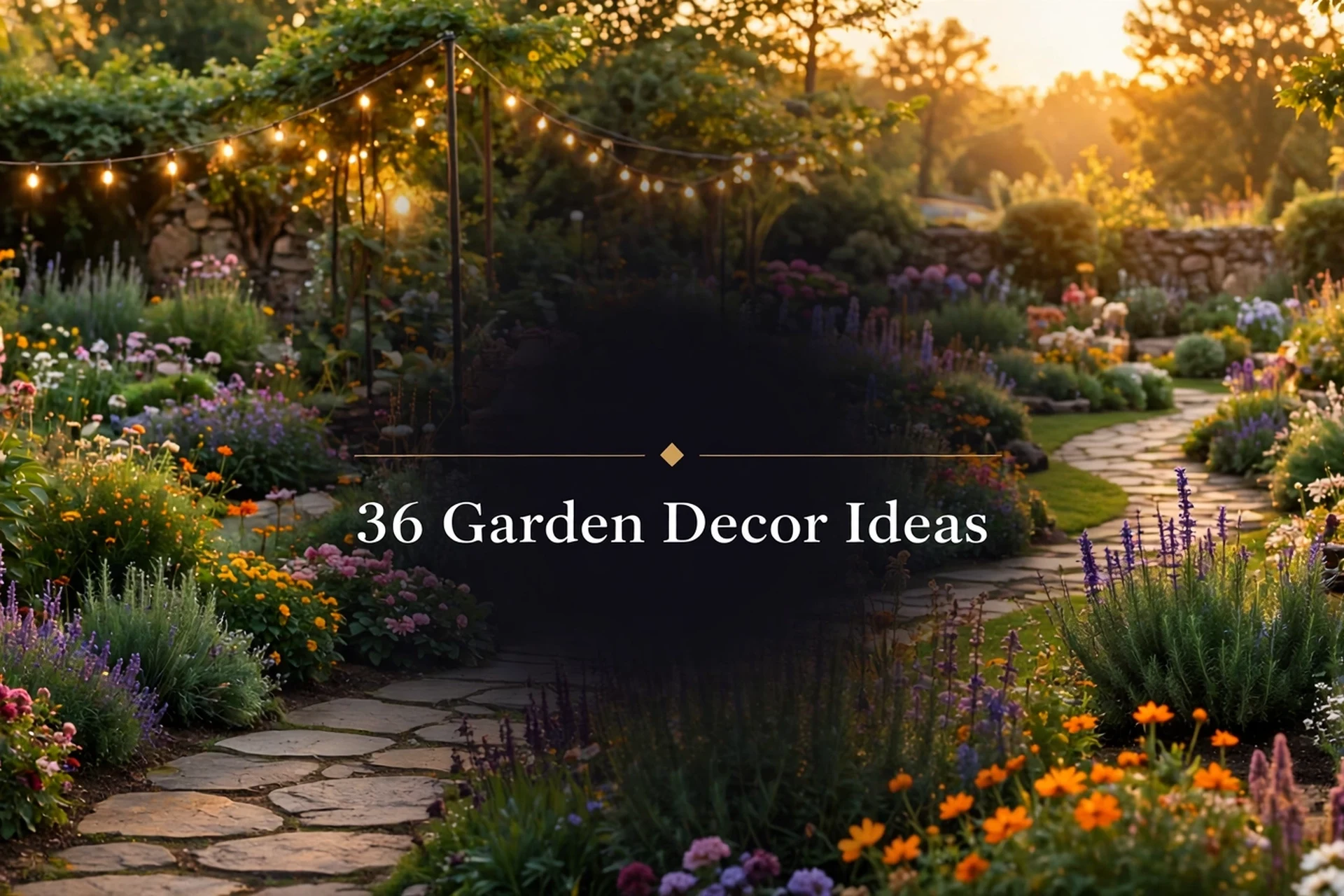
A beautiful garden is more than plants in the ground — it is an outdoor room waiting to be styled. With the right mix of planters, pathways, lighting, furniture, and focal points, even a small backyard can feel like a private retreat. Garden decor is what turns a patch of lawn into a place where you actually want to spend your mornings, your evenings, and every sunny weekend in between.
In this guide you will find 36 garden decor ideas for every outdoor space and budget, from stone pathways and string-light canopies to water features, pergolas, garden furniture, arbors, and seasonal planting displays. Each idea includes practical styling tips so you can create a garden that looks beautiful, feels welcoming, and stays easy to enjoy all year round.
1. Classic Cottage Garden Border
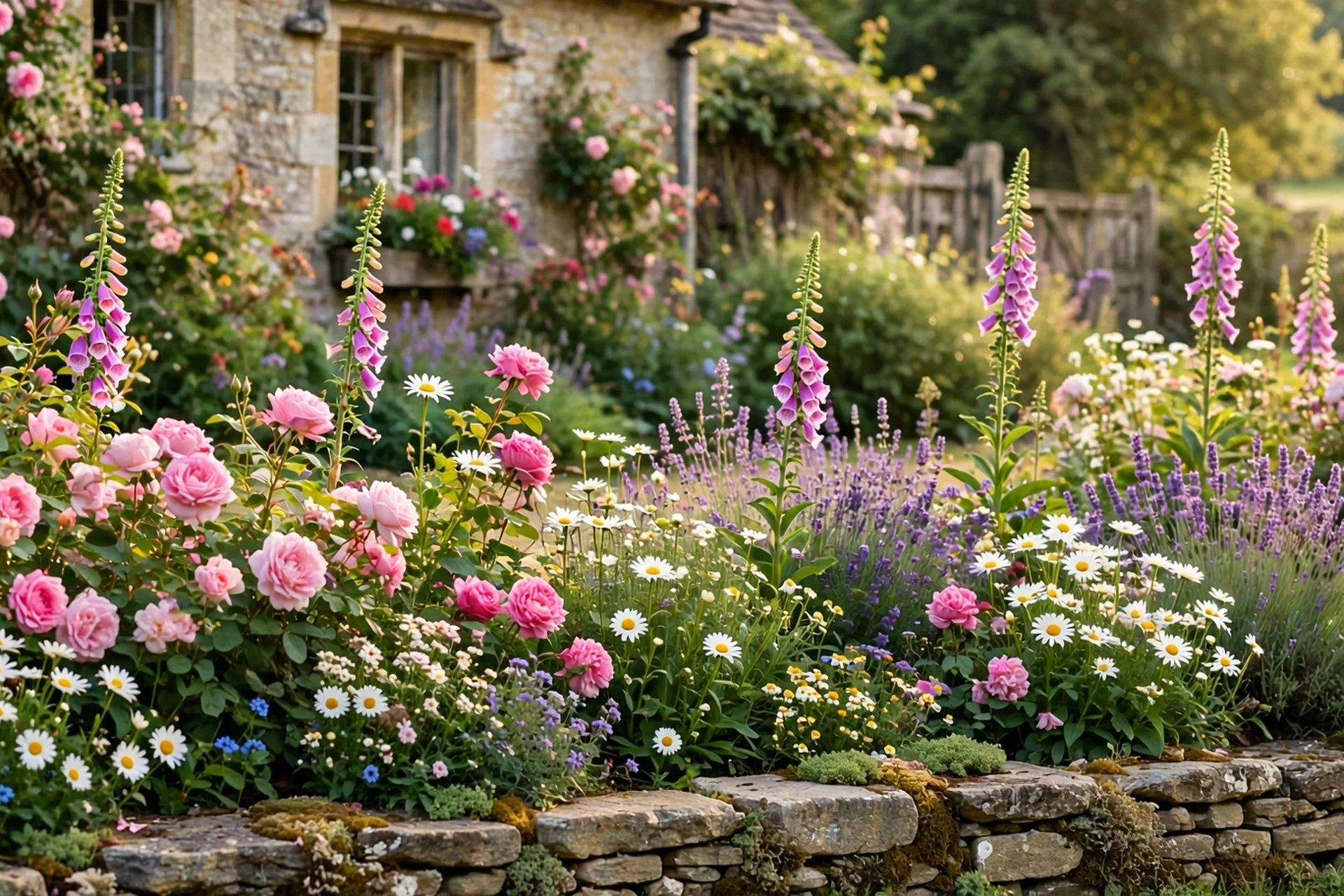
A cottage garden border is the most romantic way to fill a garden edge — a loose, generous mix of roses, lavender, foxgloves, and daisies planted close together so the colors tumble over one another. Plant in drifts rather than straight rows, mixing heights so tall hollyhocks rise at the back and low catmint spills over the front edge. The result looks effortless, even though a little planning goes into choosing plants that flower in sequence from spring to fall.
Keep the border looking full by adding compost each spring and deadheading spent blooms through the summer. A low picket fence or a row of small stones along the front edge keeps the planting tidy without spoiling the relaxed look. Cottage borders suit sunny spots best, and they are wonderfully forgiving — if one plant fails, its neighbors quickly fill the gap.
2. Terracotta Planter Collection
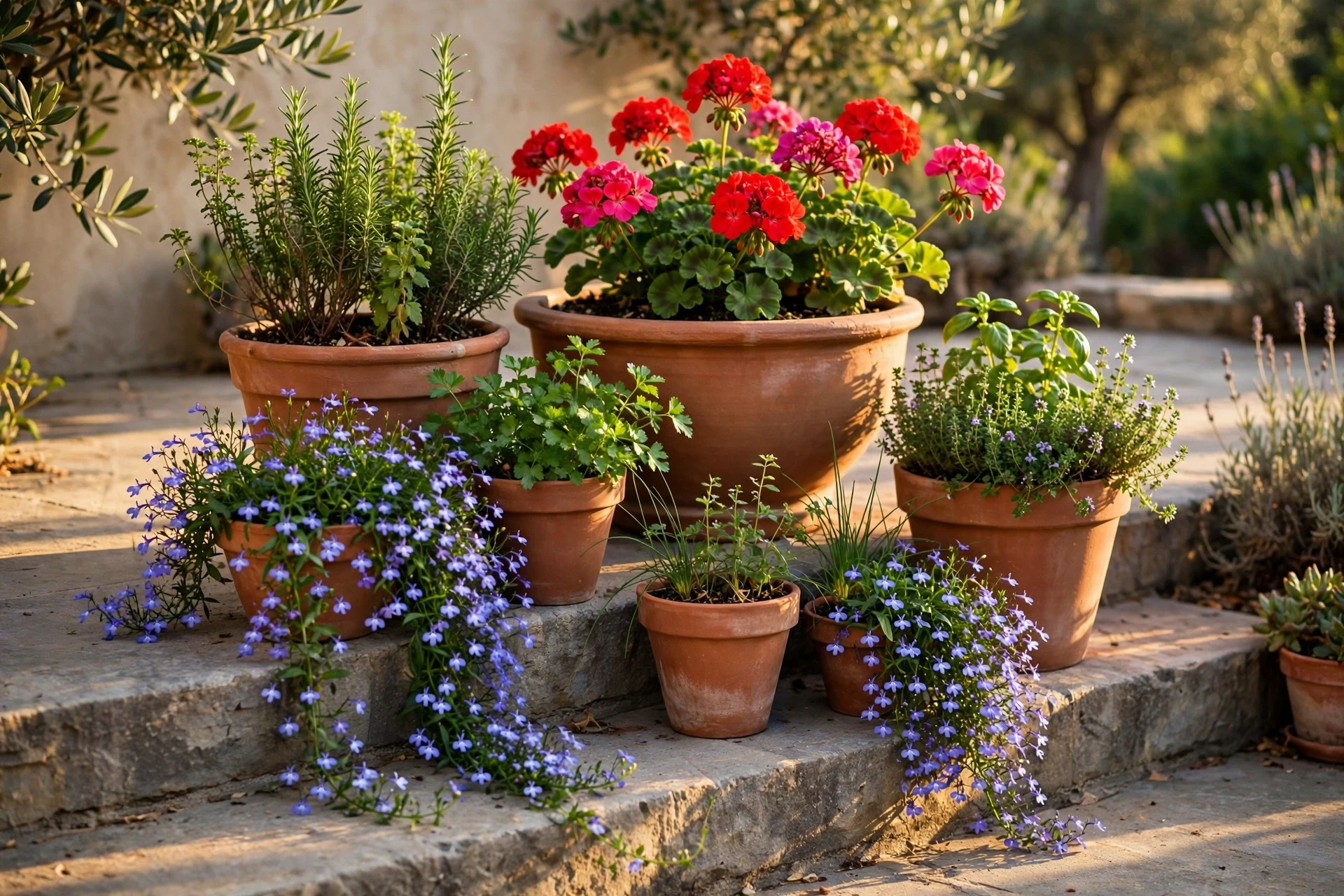
Nothing says garden quite like warm terracotta pots, and a collection of them grouped together makes an instant focal point. Mix sizes and shapes — tall amphora pots, wide low bowls, and classic tapered planters — and fill them with herbs, geraniums, or trailing lobelia. The orange-brown clay looks beautiful against green foliage and weathers gracefully, developing a soft patina over time.
Cluster the pots in odd numbers near a door, on a patio step, or beside a garden bench, raising some on bricks or plant stands for height. Terracotta dries out quickly in hot sun, so water regularly and use a moisture-retaining compost mix. For a cohesive look, stick to one pot color and let the plants provide the variety.
3. Stone Garden Pathway
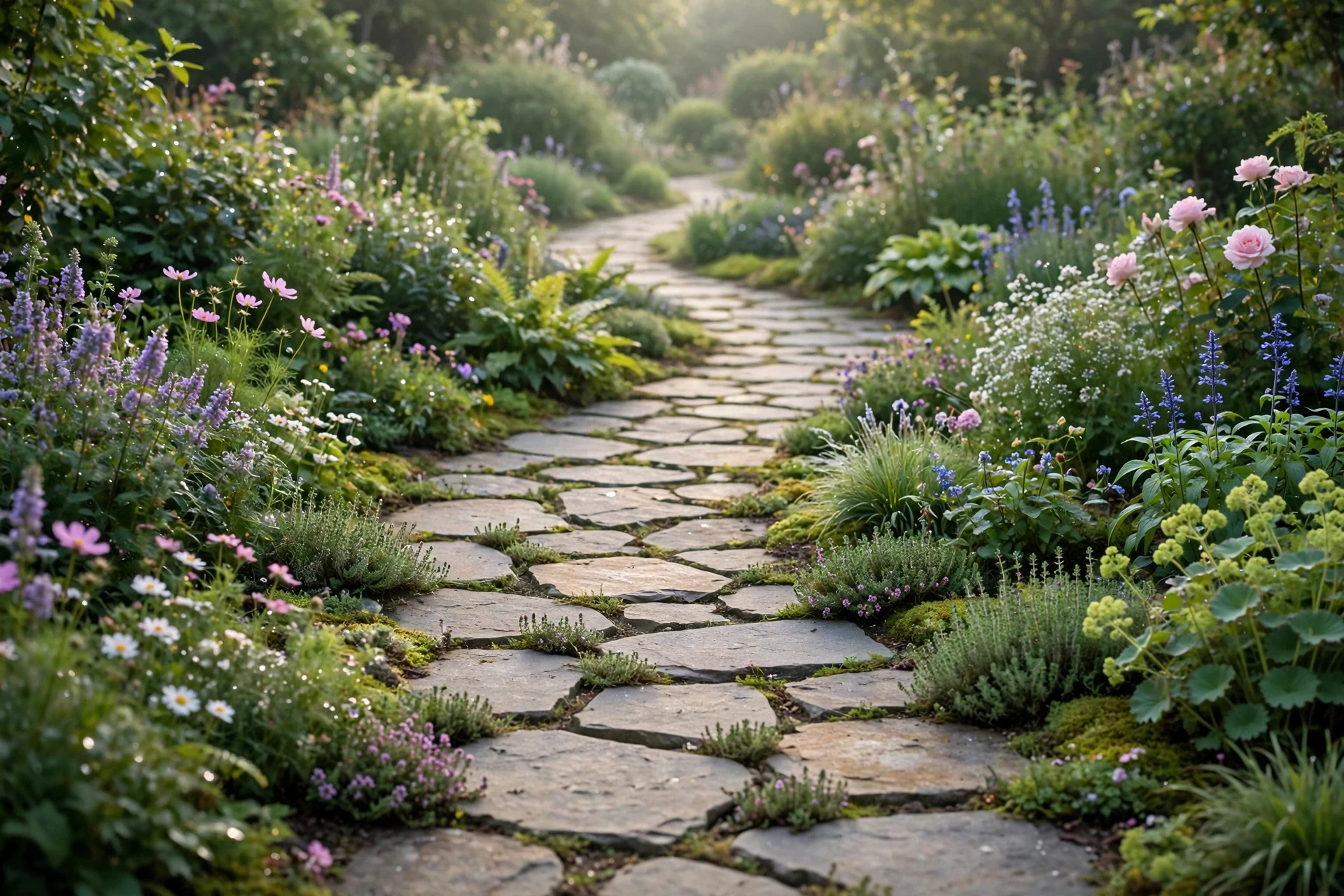
A stone pathway gives a garden structure and invites you to wander through it. Flat stepping stones, irregular flagstones, or neat cut pavers all work beautifully, and the choice sets the tone of the whole garden — rustic stone for a cottage feel, smooth pale pavers for a modern look. Lay the stones with small gaps so low ground cover like creeping thyme can grow between them and soften the edges.
Plan the path to connect the places you actually walk — from the gate to the front door, or from the patio to the vegetable beds — and make it wide enough for two people to stroll side by side. Set the stones on a bed of compacted sand so they sit level and stay put. A well-made stone path lasts for decades and looks better with every passing year.
4. String Light Canopy
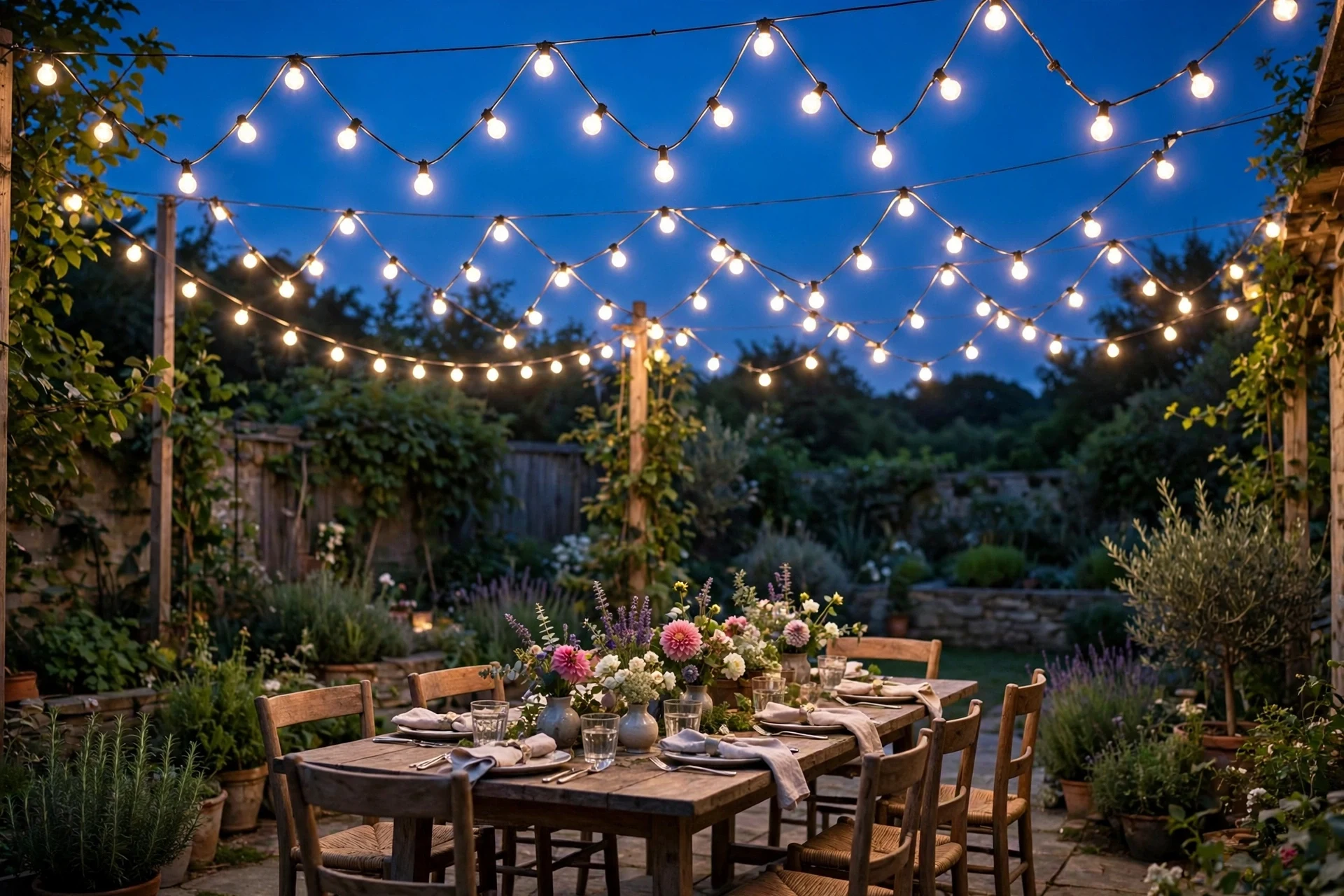
Festoon string lights strung overhead turn an ordinary patio into a magical evening garden. Drape them in a zigzag or a canopy pattern between a pergola, a fence, and a tree, keeping the lines taut and the bulbs evenly spaced. Warm white bulbs give the softest glow, and the lights look lovely even switched off during the day, adding a festive line across the sky.
Choose outdoor-rated lights with shatterproof bulbs and plug them into a weatherproof socket with a timer, so they switch on at dusk without you thinking about it. Hang them high enough to walk under comfortably — at least seven feet — and secure the ends with screw-in hooks rather than nails. String lights are one of the cheapest ways to make a garden feel like a celebration every single evening.
5. Garden Arbor Entrance
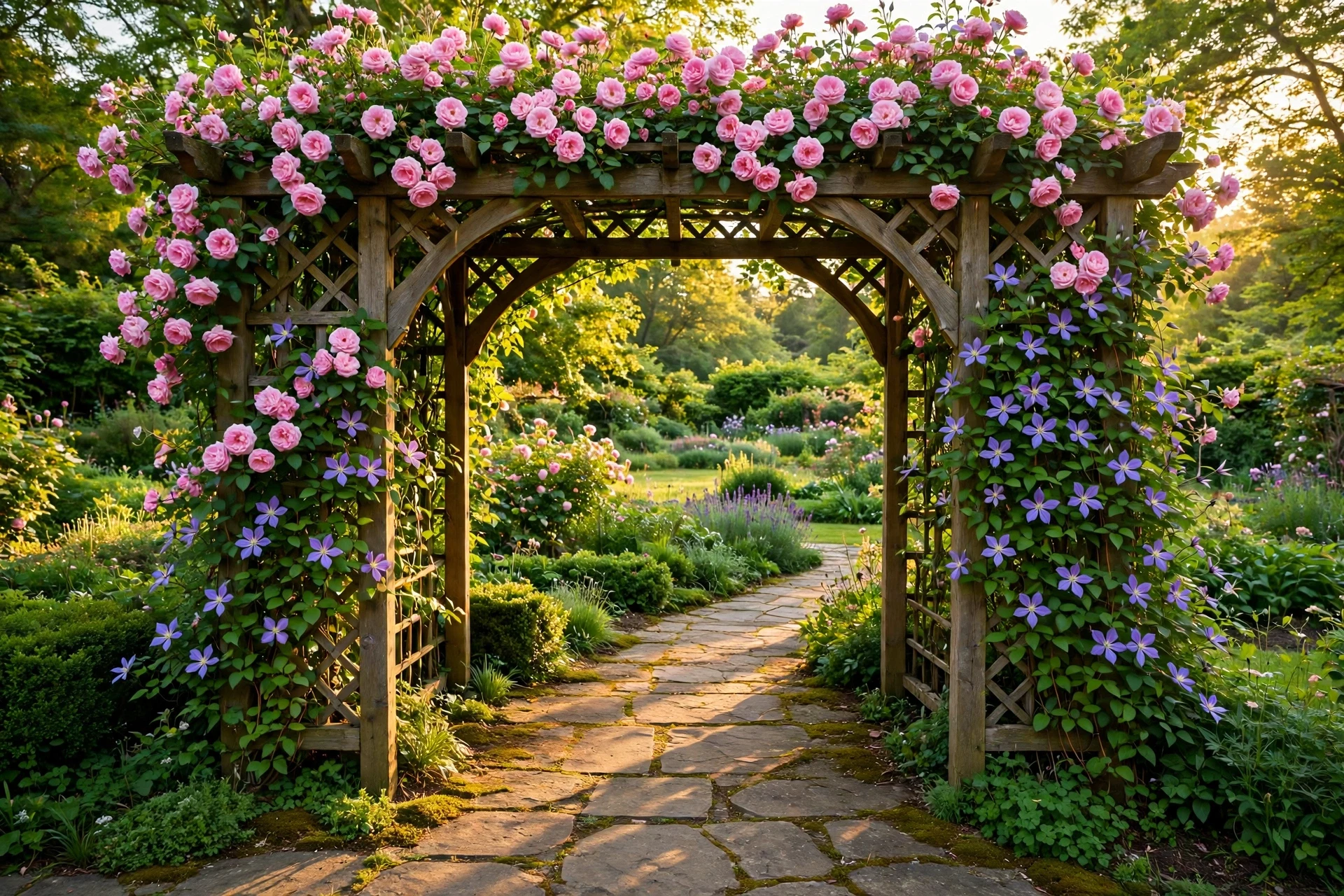
A garden arbor marks the entrance to your outdoor space and turns a simple walk into a moment. A wooden or metal archway over a path, covered in climbing roses, clematis, or wisteria, frames the view beyond and gives the garden a sense of arrival. Even a small arbor over a side gate makes the whole garden feel more intentional and welcoming.
Plant one climber on each side and train the stems along the arch as they grow, tying them in loosely so they do not snap in the wind. Choose a sturdy arbor that can carry the weight of mature plants — thin metal arches can bend under a heavy rose. A climbing rose paired with clematis gives flowers from late spring right through to fall.
6. Rustic Wooden Bench Nook
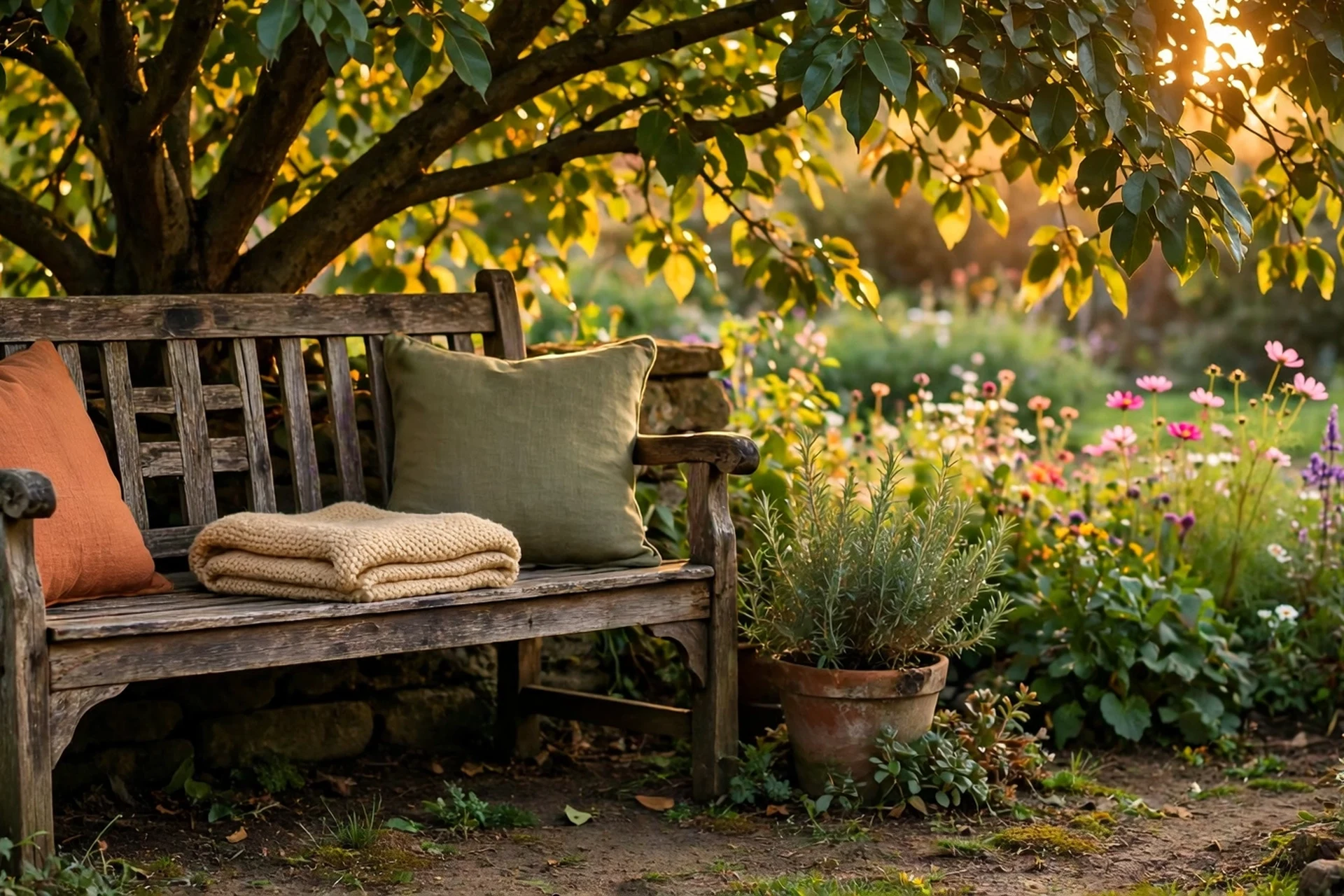
A wooden bench tucked into a quiet corner gives the garden a destination — a place to sit, pause, and enjoy the view you have created. Choose a simple teak or cedar bench and place it where the view is best, perhaps facing a flower bed or under a shady tree. A couple of outdoor cushions and a folded throw make it comfortable enough for a long sit with a book.
Anchor the nook with a few potted plants on either side and a small stone or gravel pad beneath the bench so it stays dry and level. Let a climbing plant grow nearby to give the bench a sense of shelter. A bench nook costs very little but changes how you use the garden — suddenly there is a reason to walk to the far end and stay a while.
7. Solar Lantern Pathway Lighting
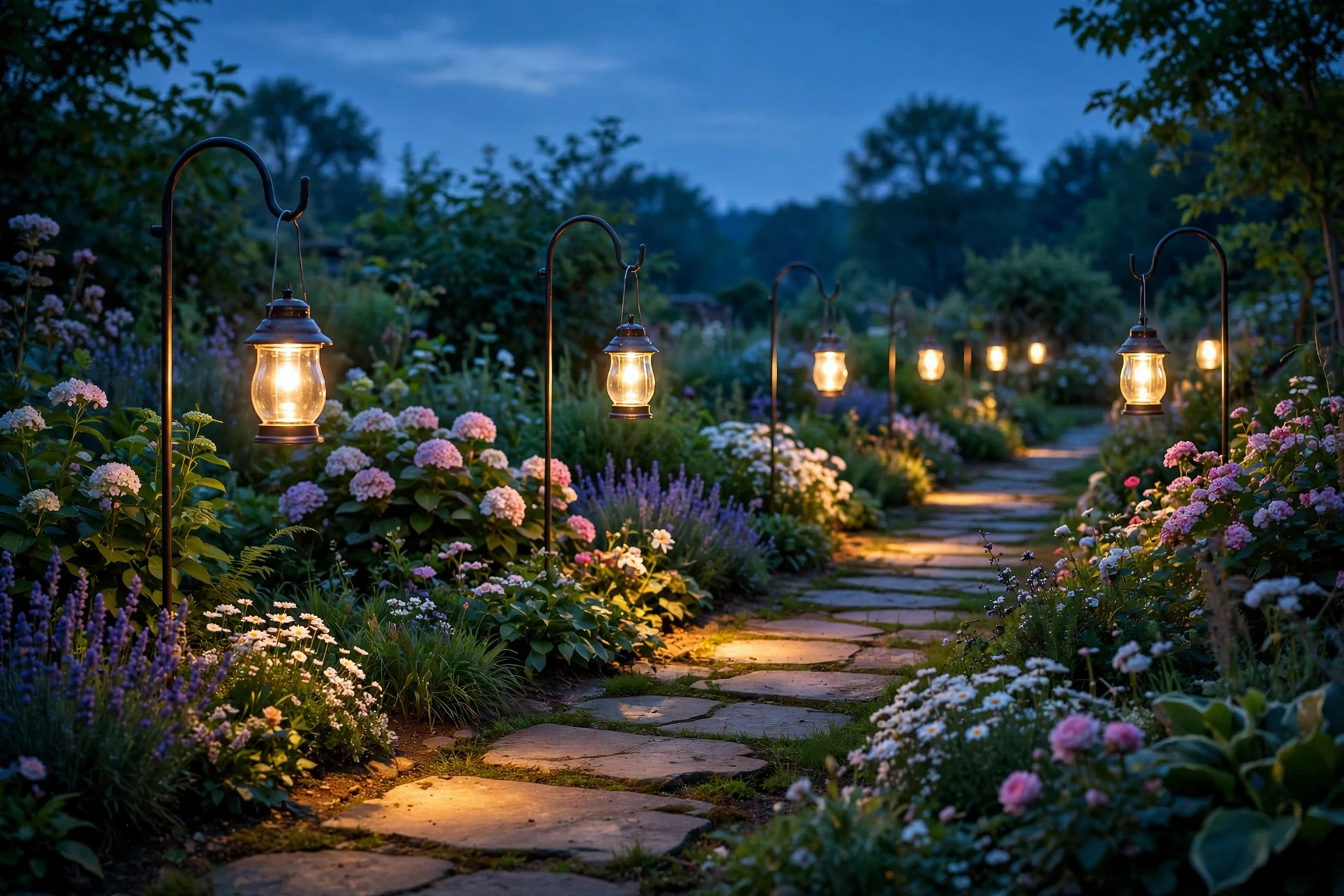
Solar lanterns along a path make a garden safe and beautiful after dark with no wiring at all. Small stake lights tucked beside stepping stones, or glass lanterns hung from shepherd’s hooks, charge by day and glow softly all evening. The gentle pools of light guide you along the path and make the garden feel enchanted after sunset.
Place the lights where they get direct sun during the day so they charge fully, and space them about six feet apart for an even glow. Warm white light looks far more inviting than cool blue, and lanterns with a flickering flame effect add a lovely warmth. Solar lights are easy to move, so you can rearrange them whenever the garden changes.
8. Small Garden Water Fountain
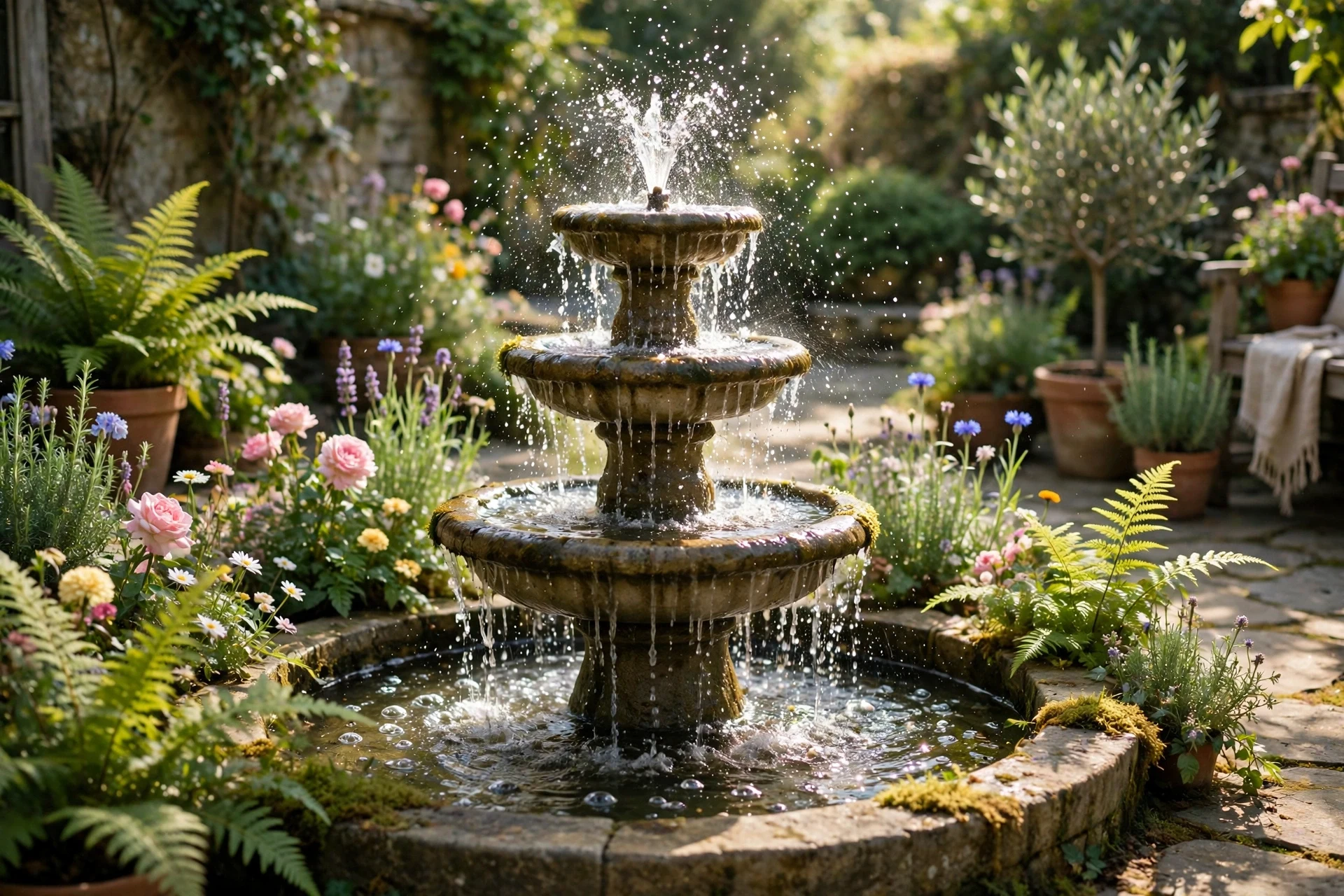
The sound of running water transforms a garden, masking street noise and adding a sense of calm. A small tiered fountain, a bubbling stone, or a wall-mounted spout on a patio all work beautifully, even in a compact garden. Place the fountain where you can hear it from your favorite seat, and where it catches the light so the water sparkles.
Solar-powered fountains are the simplest option — no mains power needed — while a mains pump gives a stronger, steadier flow. Top up the water regularly in hot weather and clean the pump every few weeks to keep it running smoothly. Birds will visit to drink and bathe, which makes a fountain one of the liveliest additions you can make to a garden.
9. Raised Bed Vegetable Garden
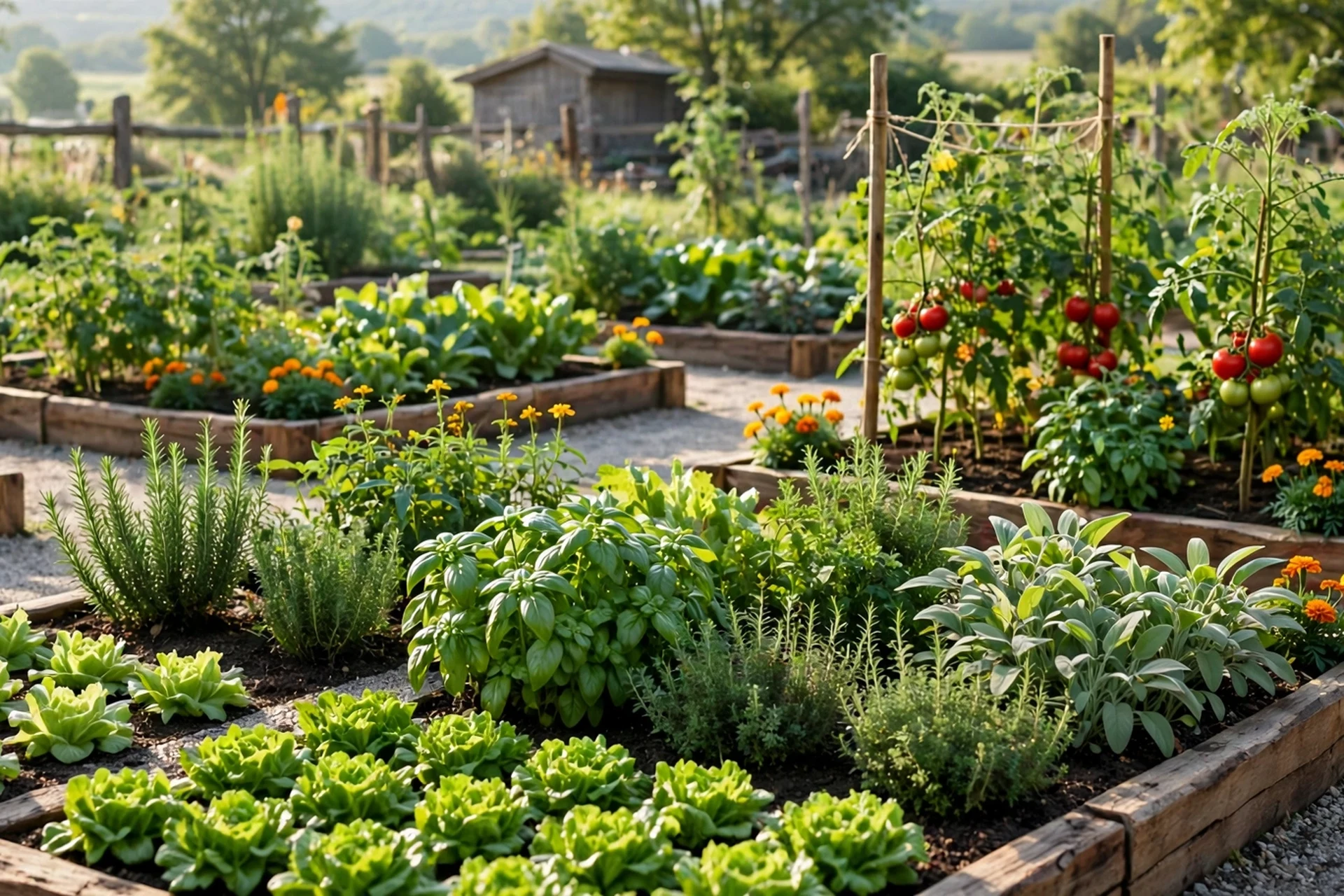
Raised beds turn vegetable growing into garden decor in its own right. Neat timber or stone-edged beds filled with rich soil look tidy and intentional, and rows of lettuce, tomatoes, and herbs are genuinely beautiful when they are well kept. Raised beds also make gardening easier on your back and give you control over the soil, which means better harvests.
Build beds no wider than four feet so you can reach the middle from either side, and leave comfortable paths between them for a wheelbarrow. Mix in flowers like marigolds and nasturtiums among the vegetables — they attract pollinators and look wonderful. A few well-built raised beds give a garden a productive, cared-for feeling all season long.
10. Climbing Rose Trellis
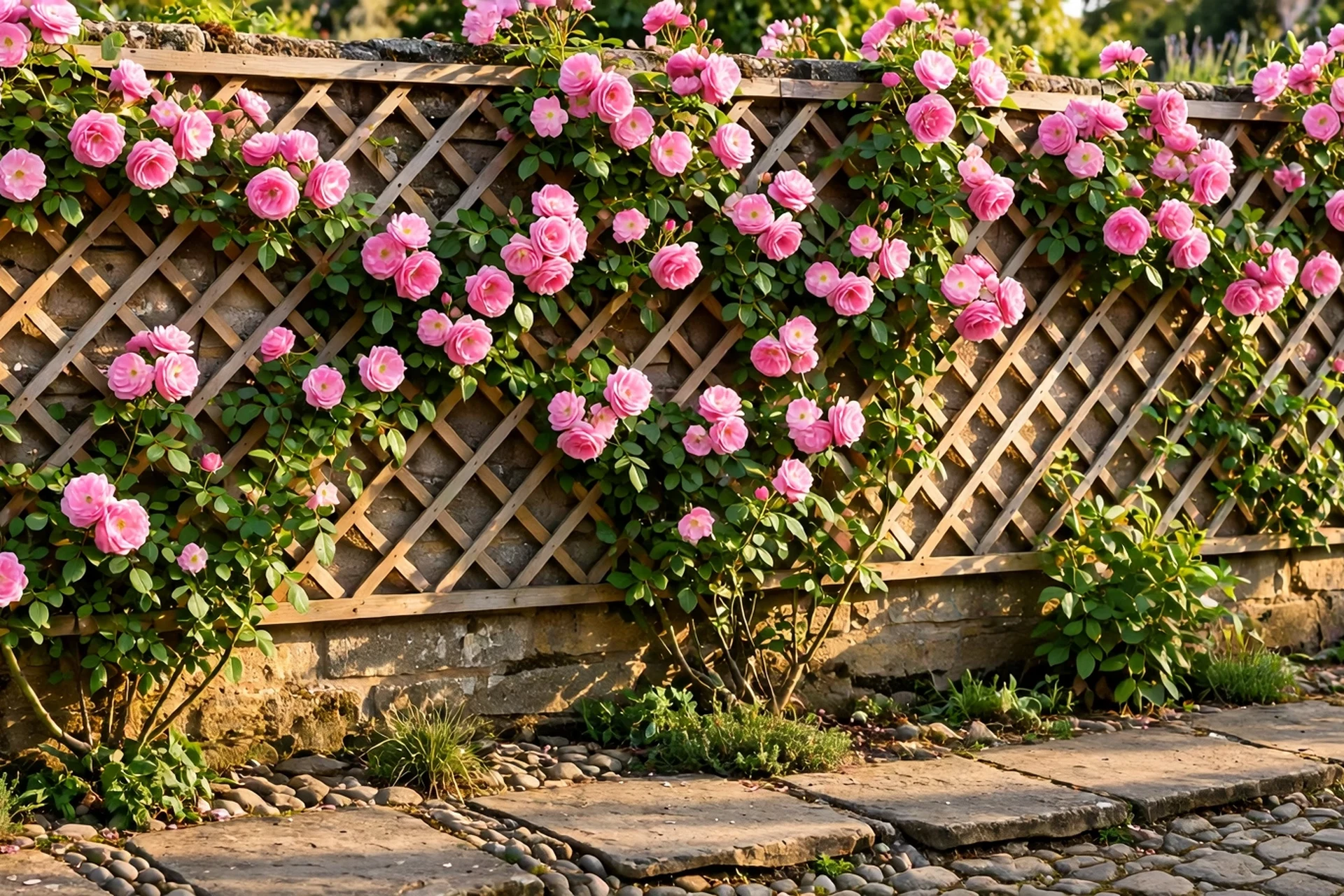
A trellis covered in climbing roses is one of the most romantic sights in any garden. Mount a wooden or metal trellis against a sunny wall or fence, and train a repeat-flowering rose along it so you get blooms from early summer into fall. The vertical flowers add height and color to a plain wall and fill the air with fragrance on warm evenings.
Fix the trellis a few inches away from the wall so air can circulate behind the plant, and tie new growth in horizontally — this encourages more flowering shoots along each stem. Prune lightly in late winter and feed with rose fertilizer in spring. A rose trellis takes a year or two to fill in, but once it does, it becomes the star of the garden.
11. Garden Swing Seat
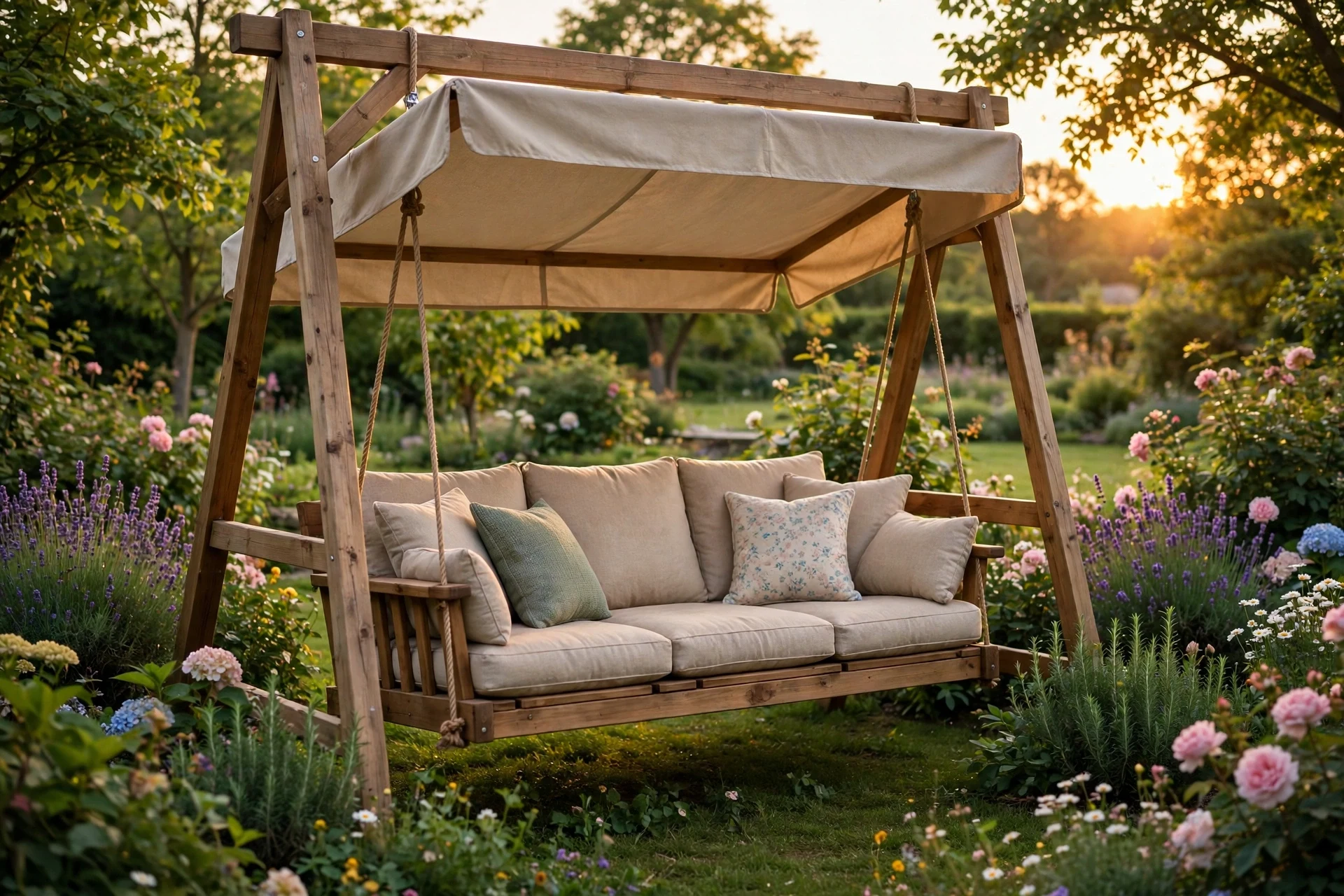
A garden swing seat is pure joy — a gentle rocking motion, a view of the garden, and a seat built for two. A wooden swing with a canopy, hung from a sturdy frame or a strong tree branch, becomes the most popular seat in the garden from the first warm day of spring. Add thick cushions and a throw, and it is comfortable enough for an afternoon nap.
Place the swing where it catches the evening sun and has a pleasant view, and make sure there is clear space behind it to swing freely. Check the chains or ropes regularly and oil the moving parts so the swing stays smooth and silent. A swing seat is a favorite with children and adults alike, and it gives a garden a playful, relaxed heart.
12. Fire Pit Gathering Area
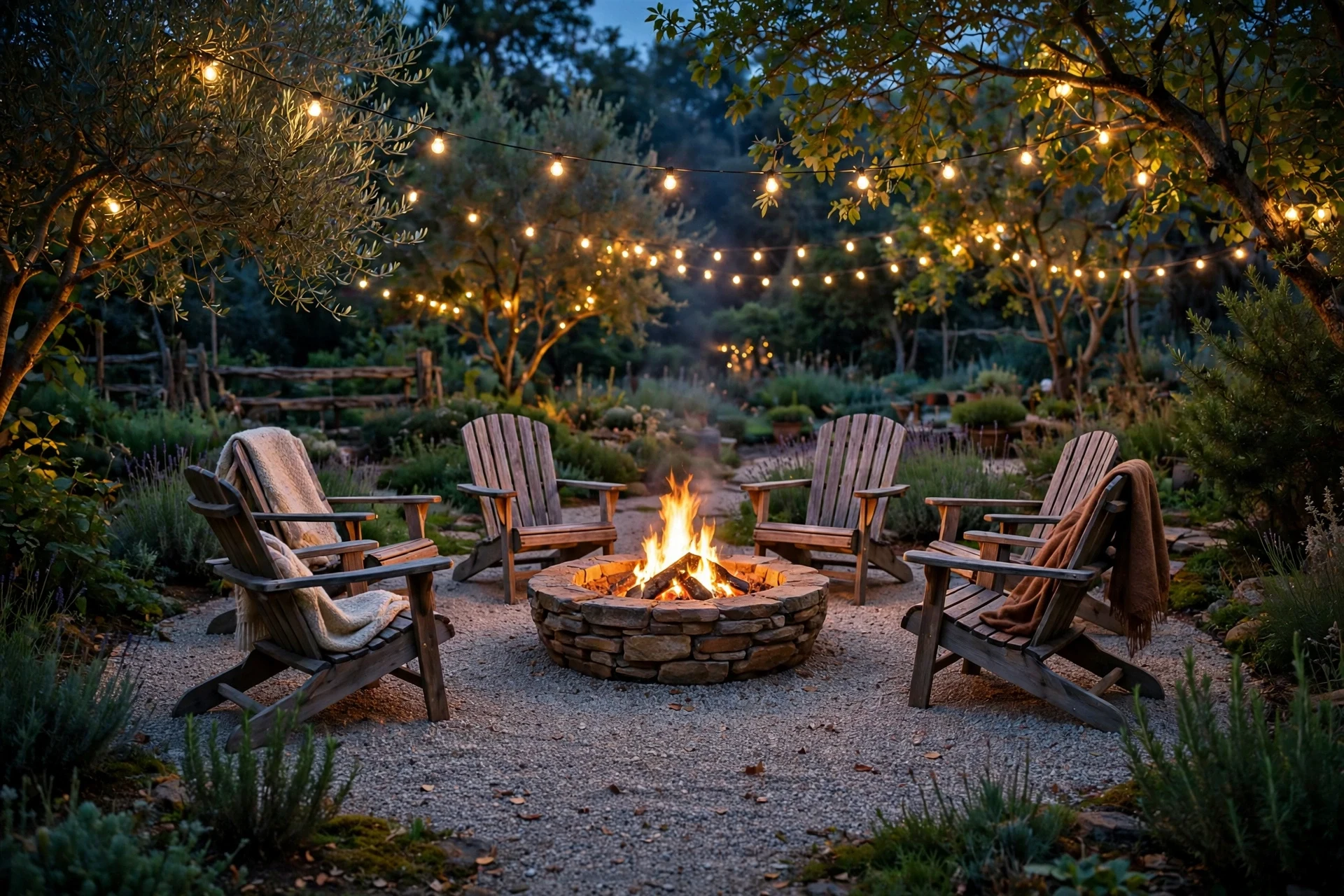
A fire pit turns a garden into a gathering place that works long after the sun goes down. A simple stone or metal fire bowl set on a gravel circle, ringed with chairs or log seats, creates a natural focal point where everyone wants to sit. The firelight, the warmth, and the smell of woodsmoke make even an ordinary evening feel special.
Keep the fire pit at least ten feet from fences, trees, and the house, and set it on a non-flammable surface like gravel or stone pavers. Stack firewood nearby in a neat log store, and keep a bucket of water or sand close by for safety. A fire pit extends the garden season deep into fall and makes the garden the place where friends gather.
13. Decorative Garden Fence
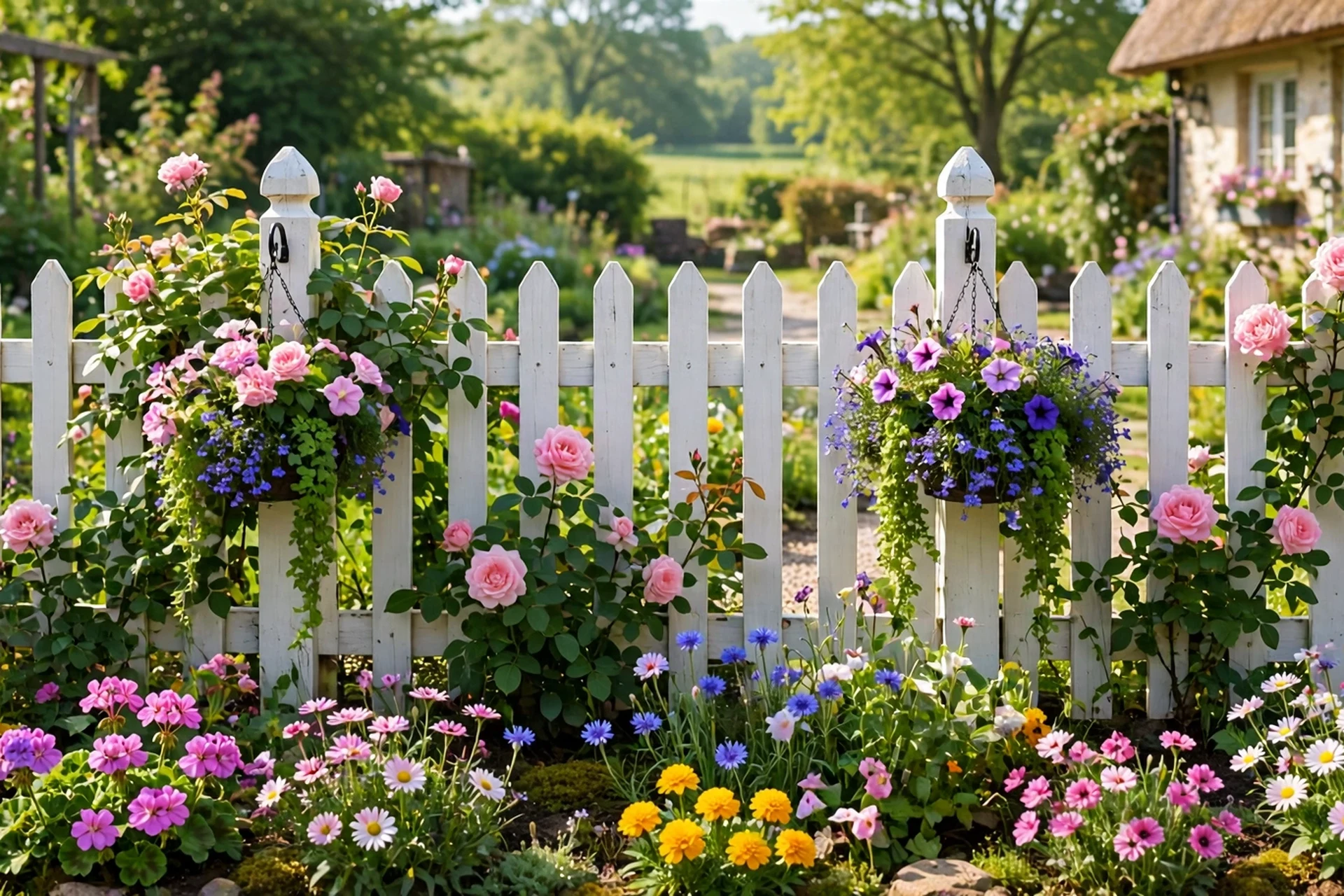
A garden fence does more than mark a boundary — it frames the whole garden like a picture frame. A white picket fence gives a cottage feel, horizontal slats look clean and modern, and a woven willow fence adds a soft, natural texture. Painting or staining the fence a color that suits your planting — sage green, soft grey, or classic white — makes the plants in front of it pop.
Soften a fence by planting climbers along it or hanging baskets and planters from it, turning a plain barrier into a vertical garden. Keep the top line level and the posts plumb, and treat the wood every couple of years to keep it looking good. A well-chosen fence adds privacy, structure, and a finished feeling to the entire outdoor space.
14. Bird Bath Focal Point
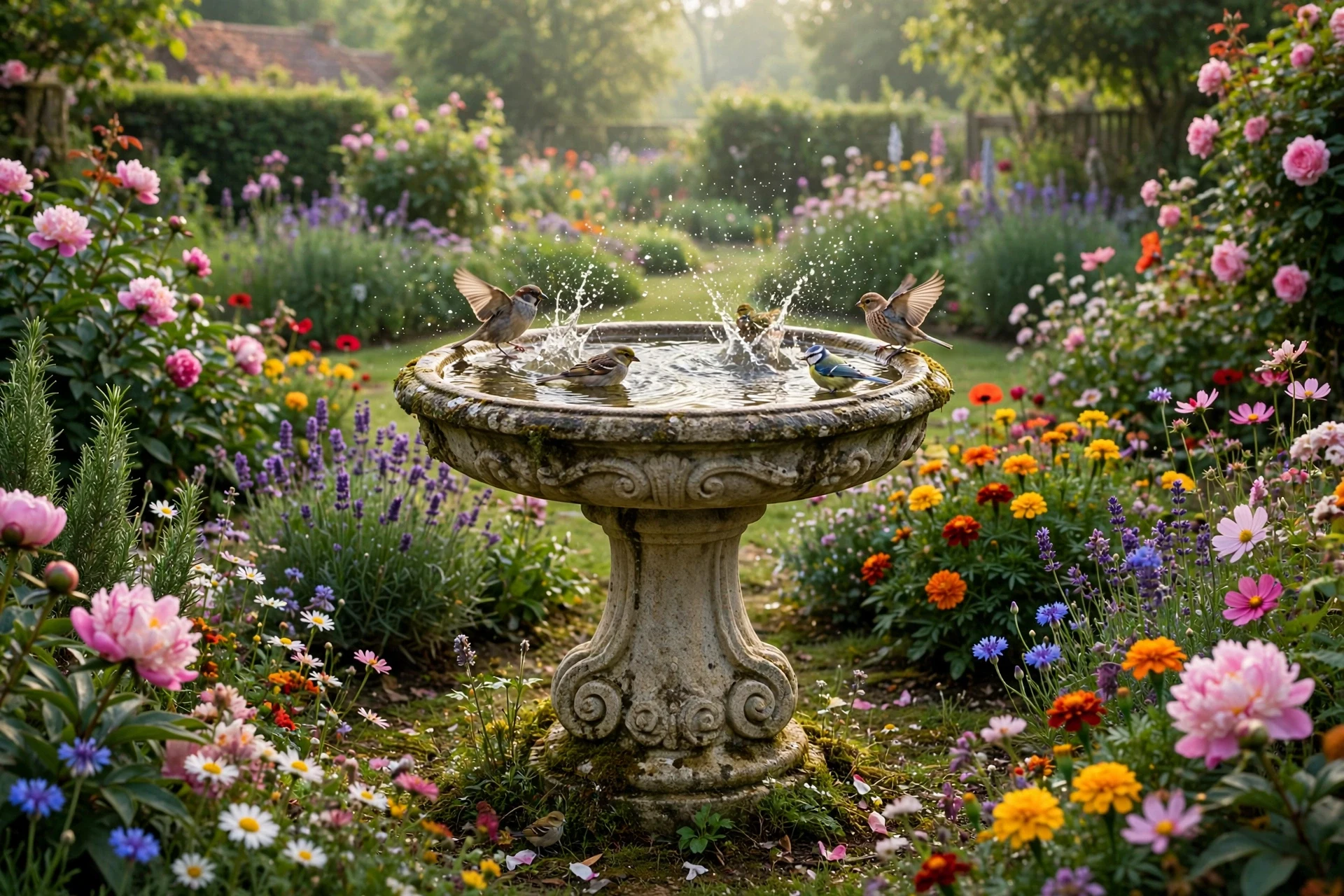
A bird bath is a classic garden centerpiece — a simple stone or ceramic basin on a pedestal that draws birds into the garden and gives the eye somewhere to rest. Place it in an open spot where birds can see approaching cats, and near shrubs where they can dart for cover. On a summer morning, the sight of birds splashing in the bath is one of the garden’s great pleasures.
Keep the water shallow, no more than two inches deep, and change it every couple of days so it stays clean. A stone in the center gives small birds a safe place to perch. In winter, a bird bath still looks beautiful with a dusting of frost, and the birds will thank you for fresh water on cold days.
15. Herb Garden Corner
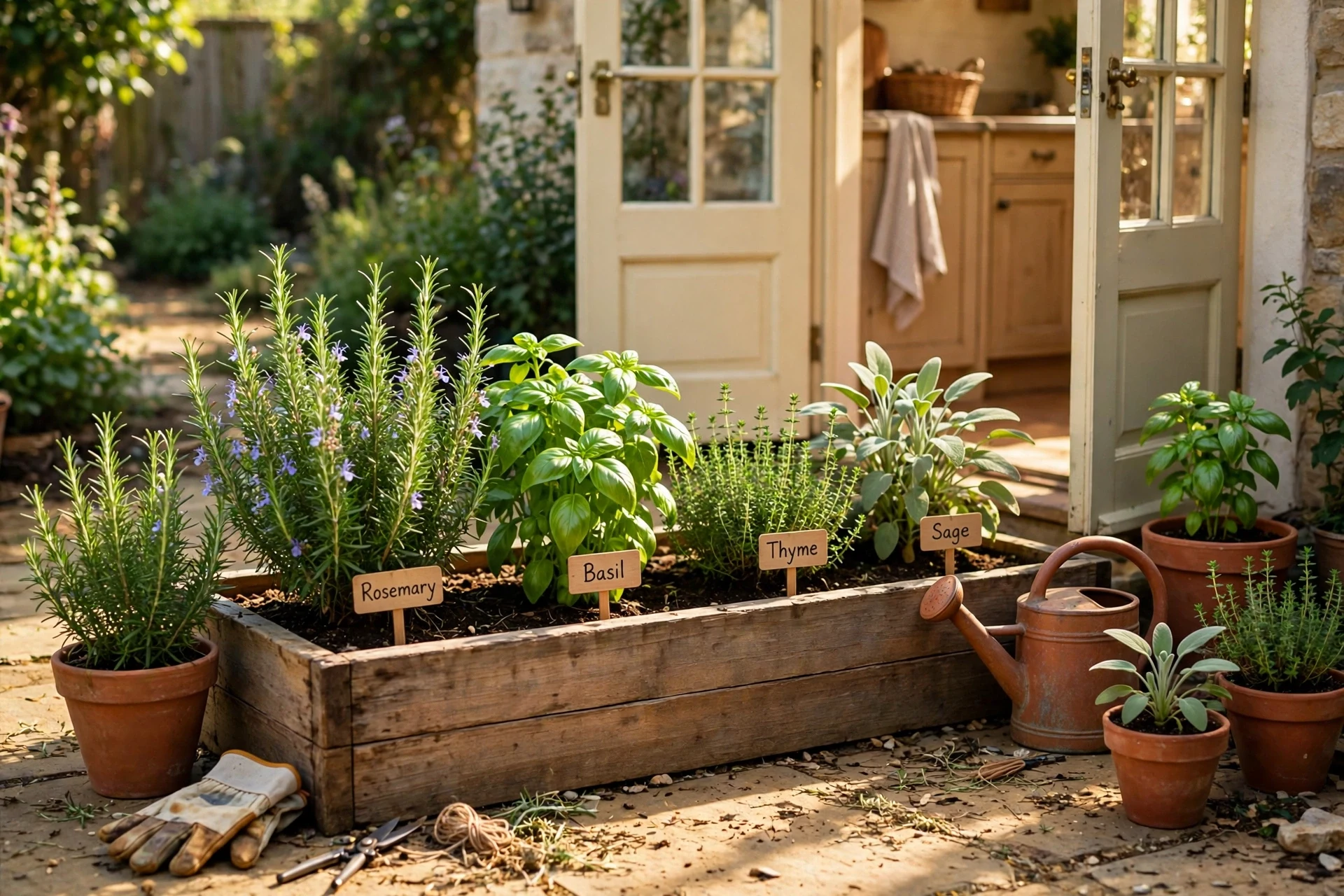
An herb garden corner is both beautiful and useful — a sunny patch filled with rosemary, basil, mint, thyme, and sage that you can snip fresh for cooking. Plant herbs in a dedicated bed near the kitchen door, or in a cluster of pots on the patio, and label each one with a small wooden marker. The scent of herbs on a warm day is one of the garden’s best rewards.
Give mint its own pot, since it spreads aggressively and will take over a bed. Most herbs love sun and well-drained soil, so a raised bed or a sunny border works perfectly. Trim regularly to keep the plants bushy, and dry or freeze the surplus in summer. A herb corner makes the garden feel productive and brings the kitchen outdoors.
16. Outdoor Dining Table Setting
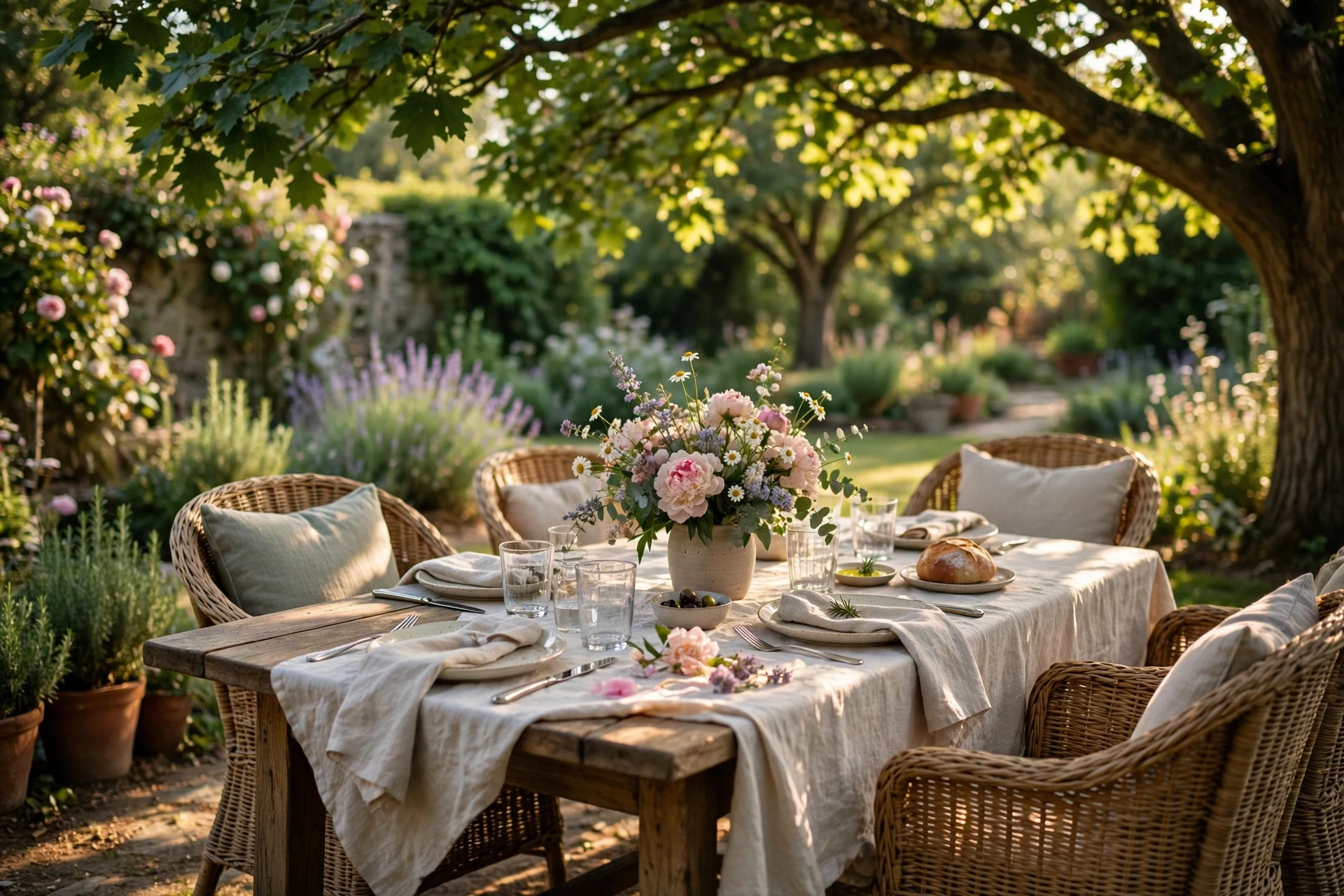
An outdoor dining table turns the garden into an extra room for meals, from slow weekend breakfasts to long summer dinners. A sturdy wooden or metal table with comfortable chairs, set on a patio or a gravel terrace, invites everyone outside. Dress it with a linen tablecloth, a vase of garden flowers, and unbreakable plates and glasses for a setting that looks as good as it feels.
Place the table where it gets shade in the hottest part of the day — under a tree, a pergola, or a large umbrella — and keep a lantern or candles ready for evening meals. Choose furniture that can handle rain, and store cushions in a nearby box when they are not in use. Outdoor dining is one of the simplest ways to get more life out of your garden.
17. Garden Pergola Retreat
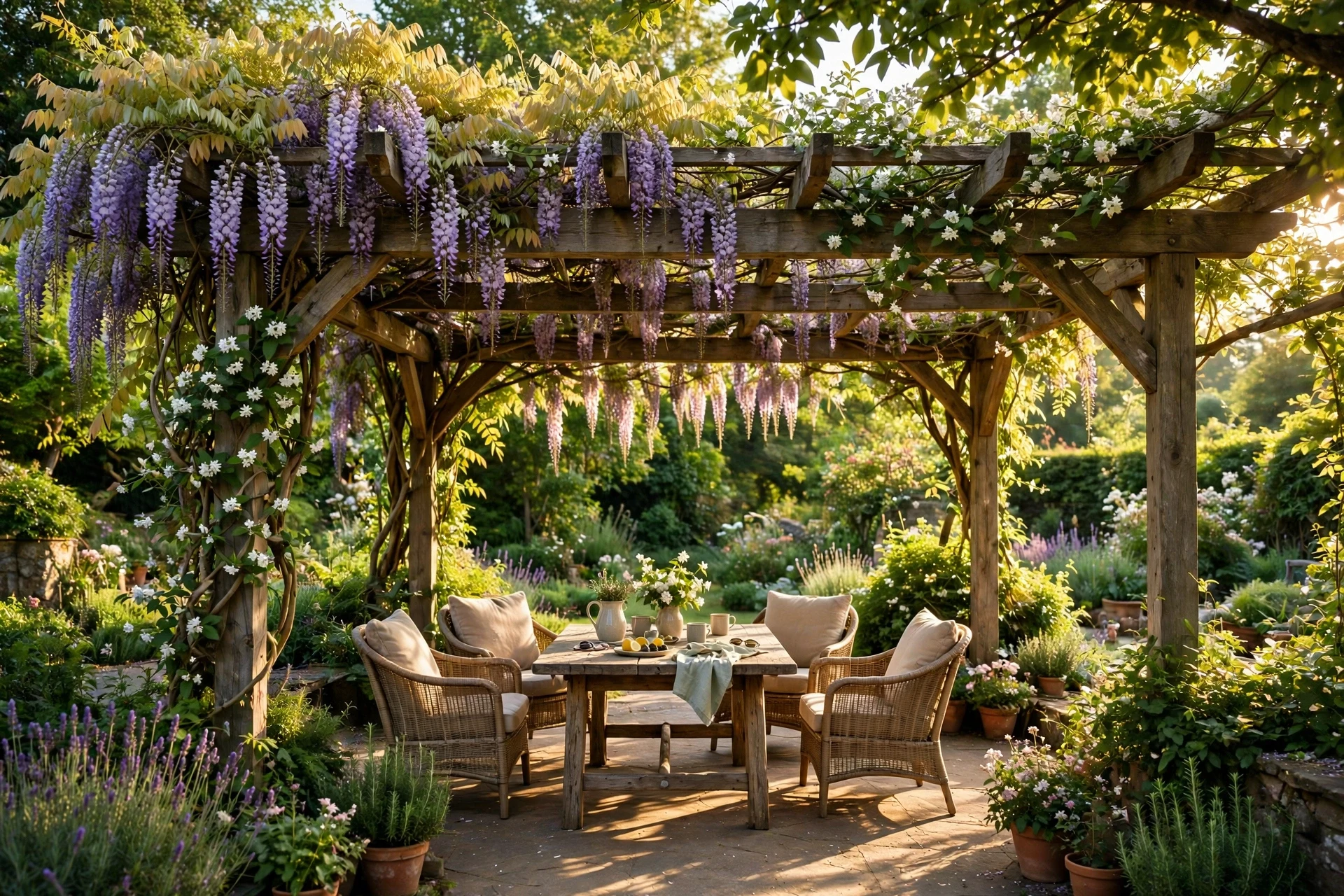
A pergola creates a shaded outdoor room in the middle of the garden — an open framework of beams that filters the sun and supports climbing plants. Set it over a patio or a seating area, and train wisteria, grapevine, or jasmine across the top for dappled shade and fragrance. A pergola gives a garden architecture and a sense of place that flat lawns never can.
Build the pergola from sturdy timber with posts set in concrete so it stands firm for years, and size it generously — a cramped pergola feels awkward, while a roomy one invites long, lazy afternoons. Hang a few lanterns or string lights from the beams for evening use. A pergola retreat is the garden equivalent of a favorite room, only with a better view.
18. Colorful Flower Bed Displays
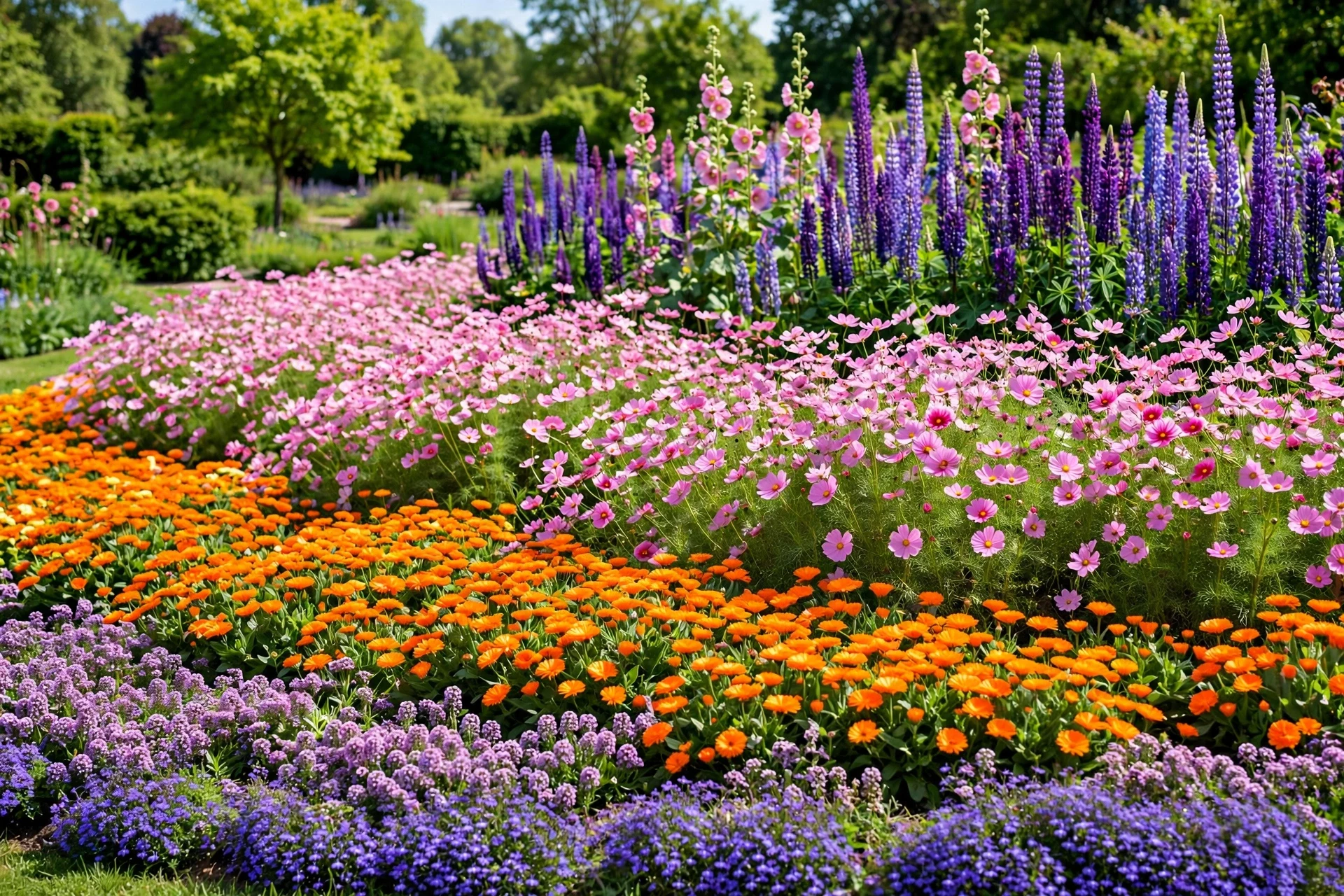
A bold flower bed is the garden’s way of showing off — sweeping drifts of color planted in generous groups so the effect reads from across the yard. Choose a color scheme, such as hot pinks and oranges for a sunny border or cool blues and purples for a shady one, and repeat the same plants in groups of three, five, or seven for a professional look. Tall flowers at the back and low ones at the front create a natural staircase of color.
Plan for succession so something is always in flower — bulbs in spring, perennials in summer, and dahlias and asters in fall. Mulch the bed to keep weeds down and moisture in, and deadhead regularly to keep the display going. A colorful flower bed is the fastest way to make a garden look loved and alive.
19. Garden Statue Accent
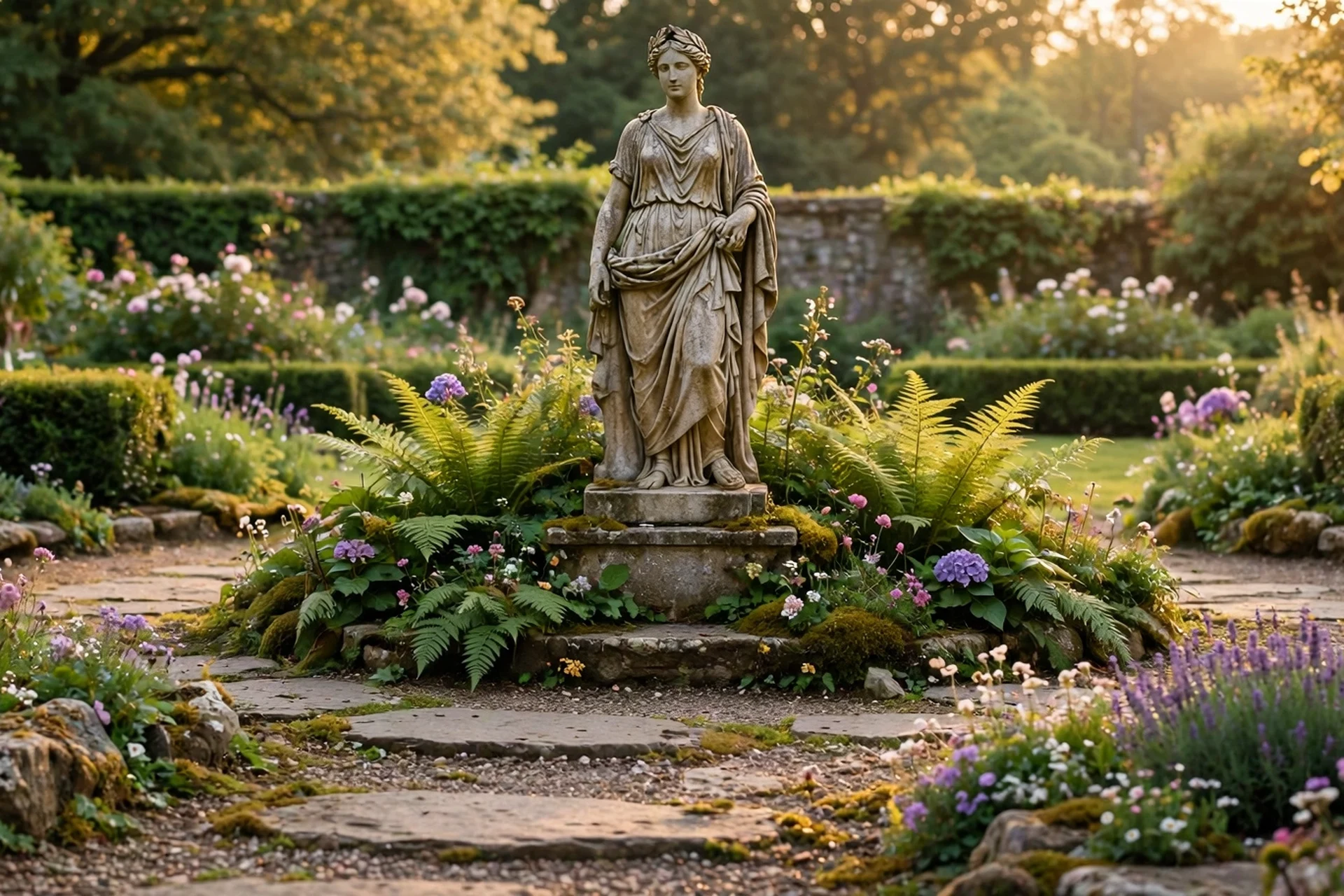
A garden statue adds personality and a focal point — a classical figure, a small animal, a stone urn, or an abstract sculpture placed where the eye naturally lands. The key is scale: a statue should suit its setting, not overwhelm it. A small figure peeking from a flower bed feels charming, while a larger piece at the end of a path draws you forward through the garden.
Choose weatherproof materials like stone, cast iron, or resin, and set the statue on a stable base so it stays upright in wind and rain. Let plants grow around it slightly so it looks settled rather than newly placed. One well-chosen statue is enough — too many compete with each other and with the garden itself.
20. Hammock Between Two Trees
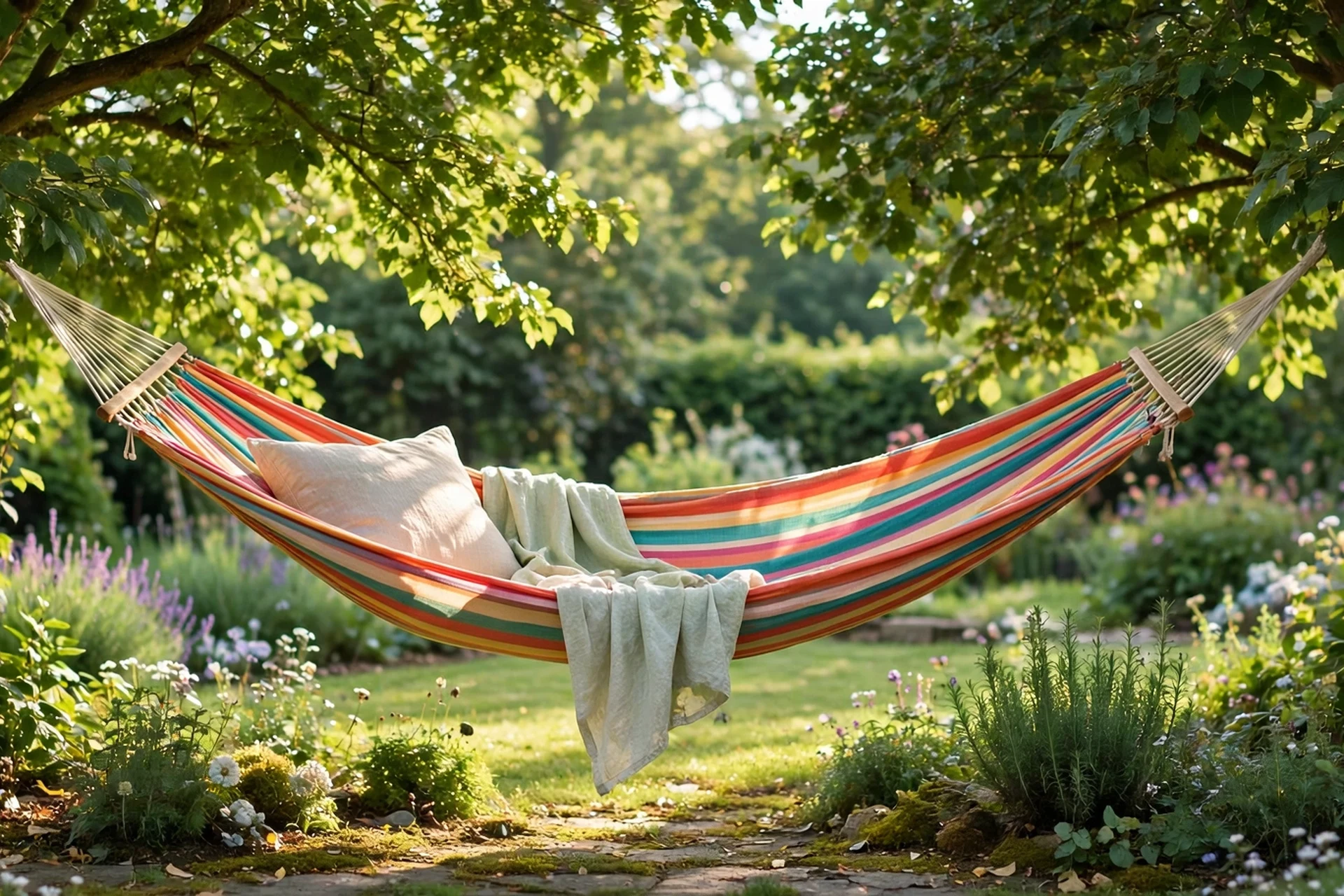
A hammock strung between two sturdy trees is the ultimate garden luxury — a floating bed for reading, napping, or simply watching the clouds. Choose trees at least twelve feet apart with trunks strong enough to hold the weight, and hang the hammock with wide tree straps that protect the bark. A double hammock with room to spread out is far more comfortable than a narrow one.
Hang the hammock with a gentle sag so it cradles you, and keep a small pillow and a light blanket nearby. Take it down in winter or during storms to make it last longer, and store it dry. A hammock turns an ordinary pair of trees into the most relaxing spot in the whole garden.
21. Potted Plant Staircase Display
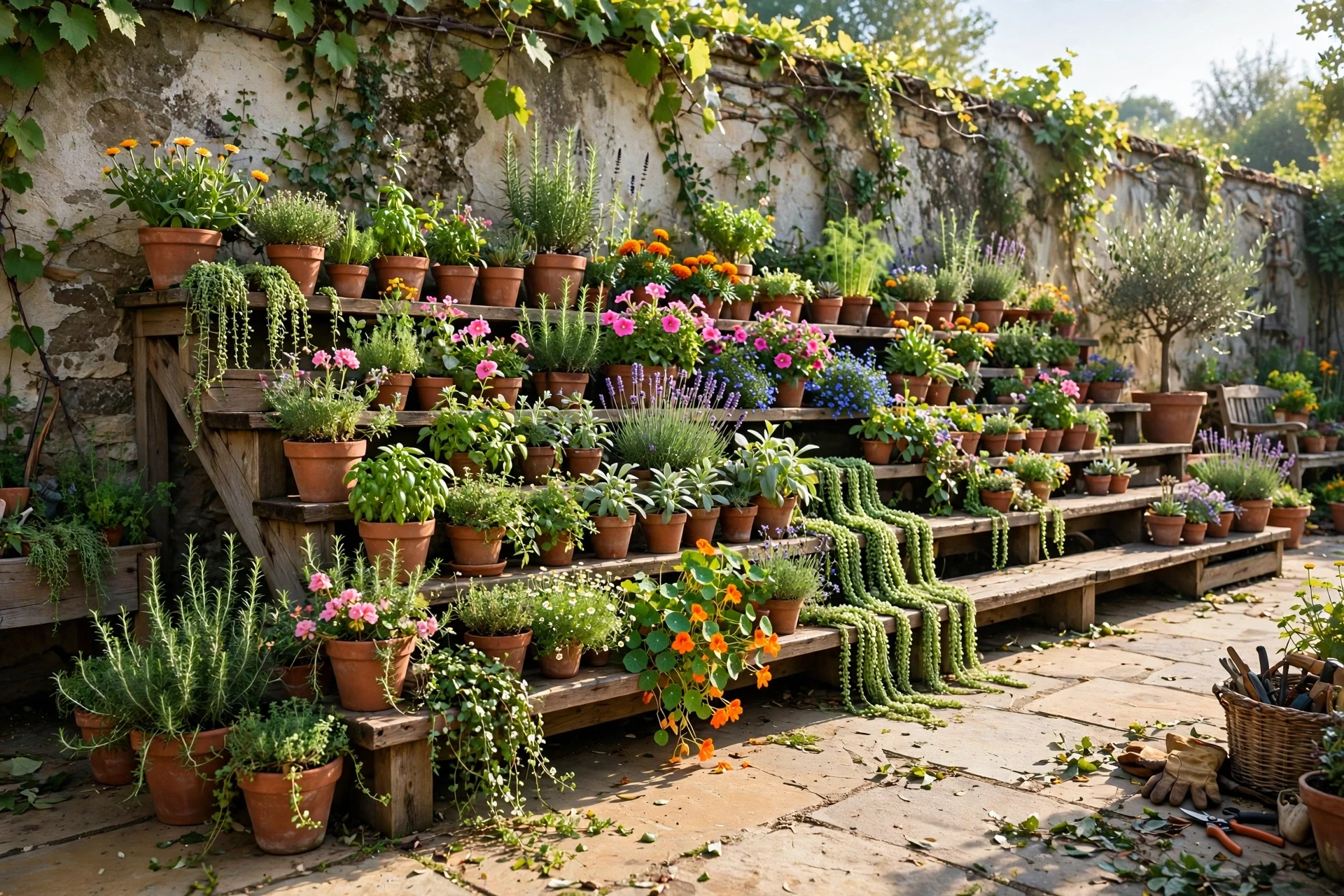
A plant staircase — a tiered stand or a set of steps filled with potted plants — turns a collection of pots into a display. Arrange the pots by height, with tall plants at the top and trailing plants at the bottom, and mix flowers, foliage, and herbs for variety. A staircase display works beautifully against a wall, on a patio, or flanking a front door.
Use matching pots for a tidy look, or mix colors and materials for a more relaxed feel. Water from the top and let the excess drain down, and rotate the plants occasionally so they grow evenly. A plant staircase is a great solution for small gardens and balconies, where it packs a lot of greenery into a small footprint.
22. Garden Pond with Water Lilies
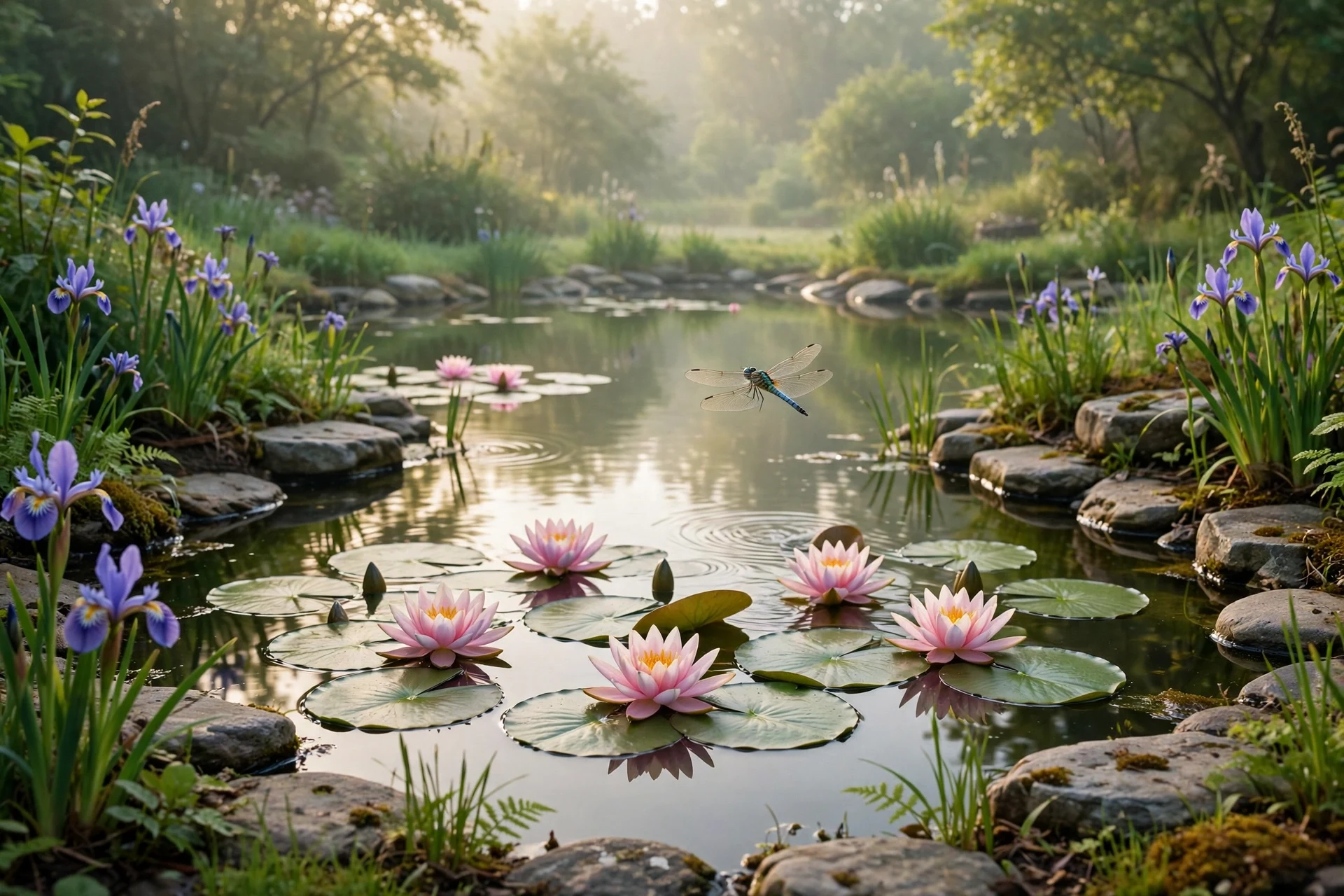
A garden pond brings a whole new world into the garden — water lilies floating on the surface, dragonflies darting above, and the gentle movement of fish below. Even a small pond, just a few feet across, creates a sense of calm and attracts wildlife. Site it in a spot that gets some sun but not all day, so the water stays clear and the lilies flower well.
Edge the pond with flat stones and marginal plants like irises and marsh marigolds so it blends into the garden naturally. Keep a pump or a small fountain running to oxygenate the water, and add a shallow shelf or a ramp so frogs and hedgehogs can climb out safely. A pond is a bigger project, but it becomes the living heart of the garden.
23. Fairy Garden Miniature Scene
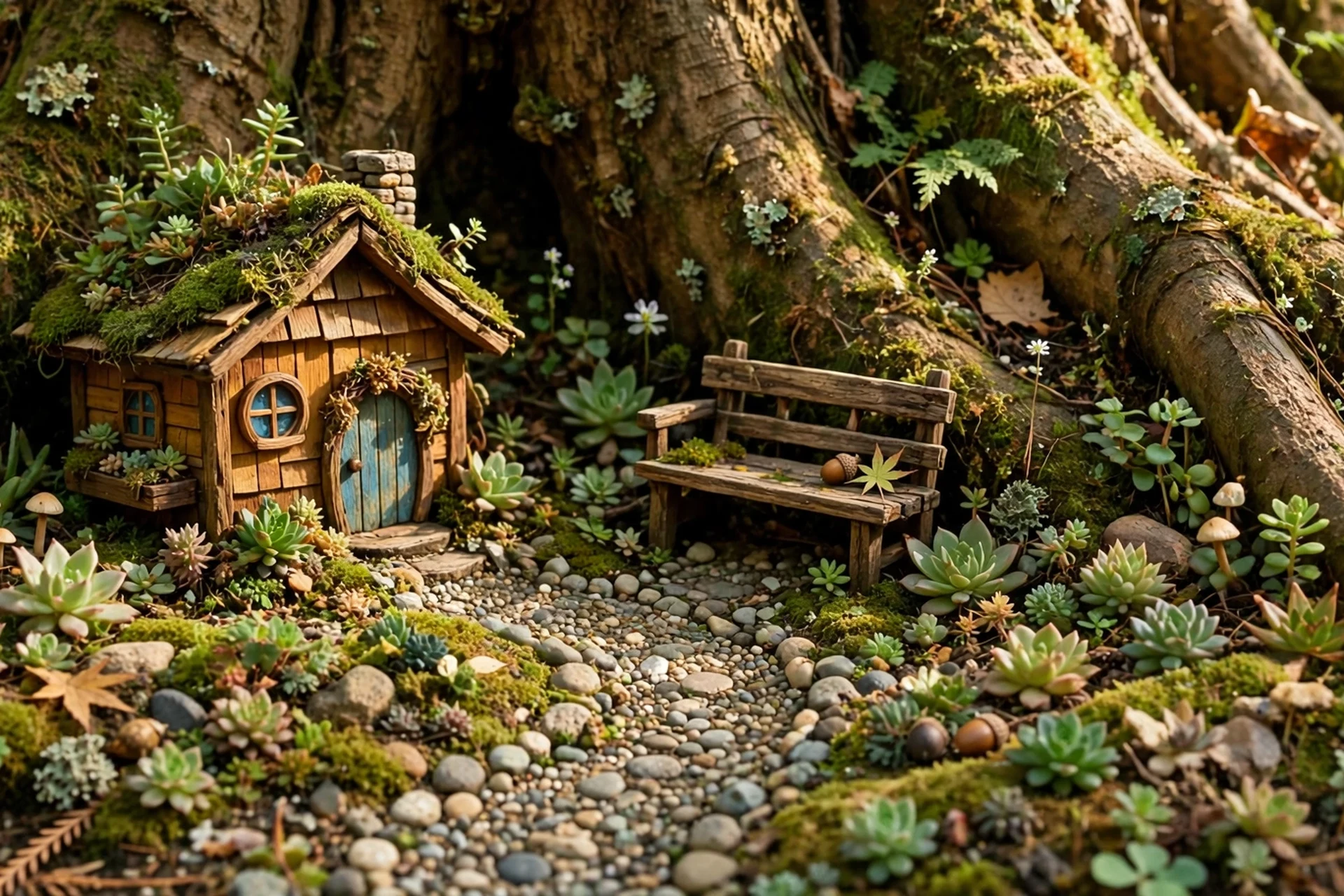
A fairy garden is a miniature world tucked into a corner of the garden — a tiny house, a pebble path, a miniature bench, and small-scale plants like moss, thyme, and miniature succulents arranged in a pot or a sheltered bed. It is a delightful detail that rewards a closer look, and children love discovering the tiny scene hidden among the plants.
Build the scene in a large shallow container or a sheltered spot at the base of a tree, using weatherproof miniature furniture and natural materials like bark, pebbles, and acorn caps. Keep the plants small and trim them regularly so they do not swallow the scene. A fairy garden adds a touch of whimsy that makes a garden feel personal and loved.
24. Gravel Garden with Ornamental Grasses
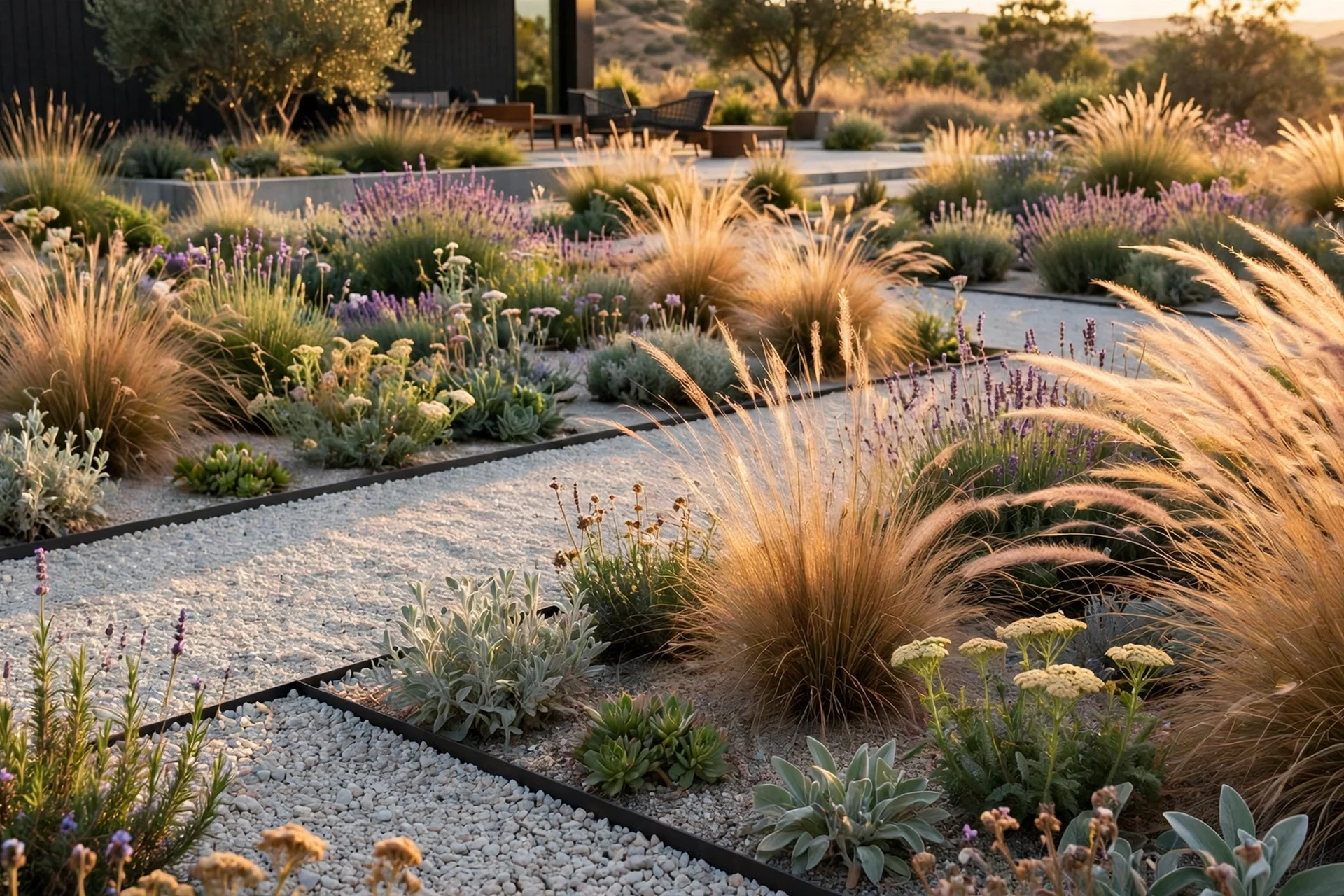
A gravel garden is a low-maintenance, modern way to garden — a bed of gravel planted with ornamental grasses, lavender, and drought-tolerant perennials that thrive with very little water. The grasses sway in the wind, catch the light beautifully, and look good from spring through winter, when their seed heads frost over. Gravel suppresses weeds and keeps the soil warm and dry.
Choose a mix of grass heights and textures — tall miscanthus, feathery stipa, and low blue fescue — and plant in drifts for a natural effect. Lay a weed membrane under the gravel and edge the bed with stone or steel so the gravel stays put. A gravel garden is ideal for sunny, dry spots and for gardeners who want beauty without constant watering.
25. Vintage Garden Tools Display
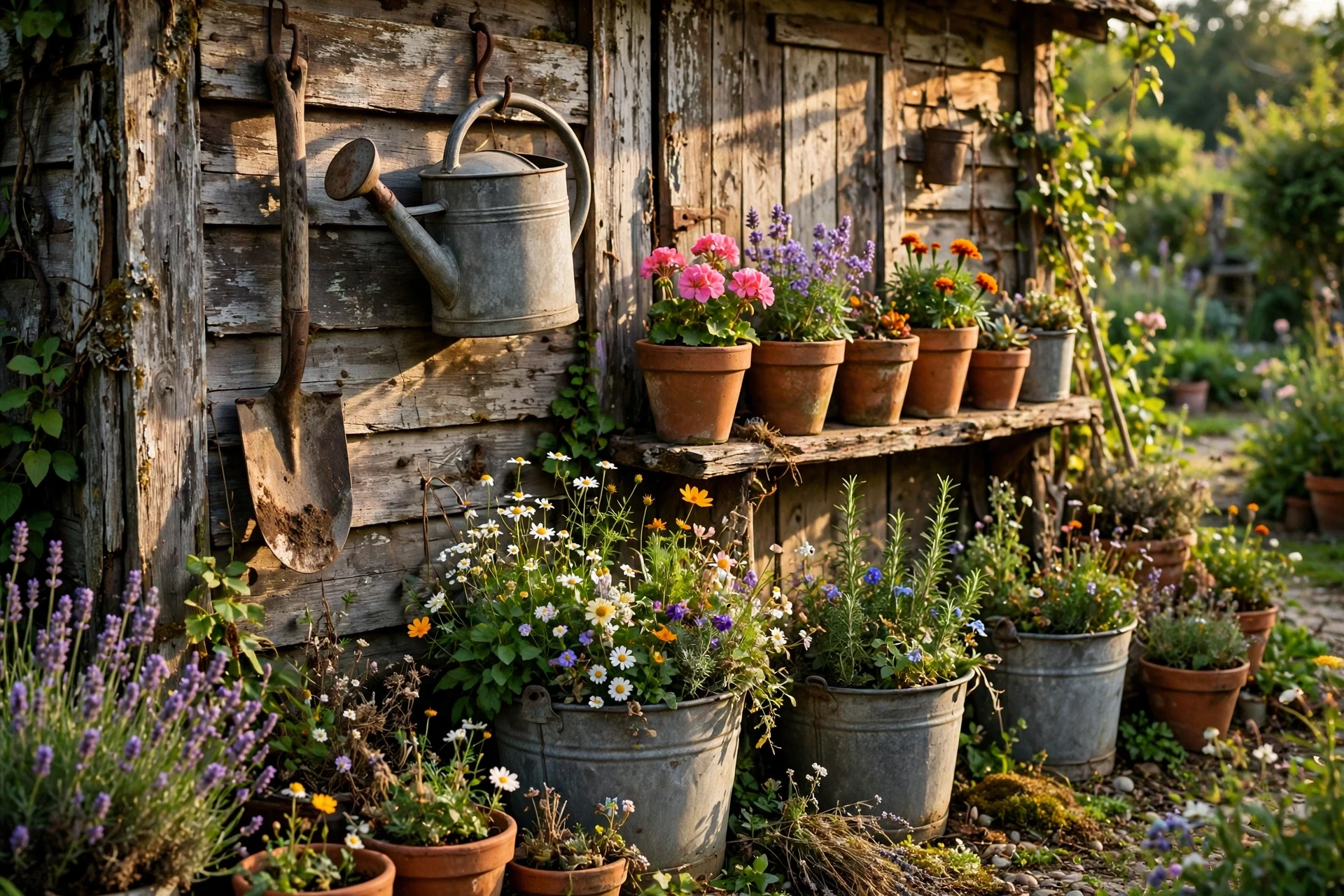
Old garden tools — a weathered spade, a rusty watering can, a wooden-handled fork — make charming garden decor when displayed with intention. Hang them on a shed wall or a fence panel, prop a vintage watering can among the flowers as a planter, or lean a collection of tools in an old wooden crate by the door. The worn wood and aged metal add history and character to the garden.
Look for vintage tools at flea markets and yard sales, and clean off loose rust before displaying them outdoors. Pair them with terracotta pots and old galvanized buckets for a cohesive vintage corner. A tools display is a lovely way to honor the gardening traditions of the past while giving the garden a personal, collected feel.
26. Outdoor Reading Corner
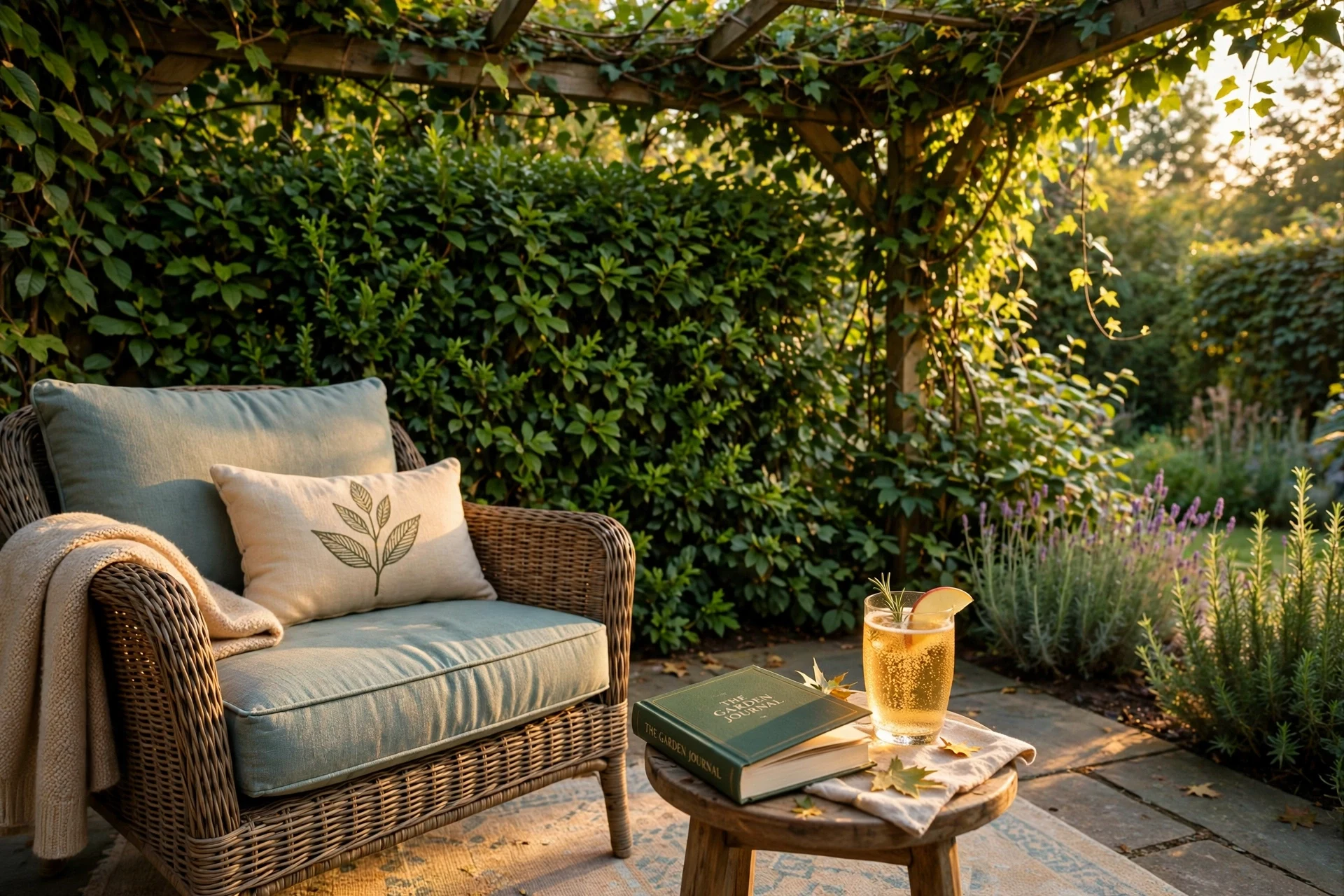
An outdoor reading corner brings the comfort of a favorite chair into the garden. Place a weather-resistant armchair or a cushioned lounger in a sheltered spot — under a tree, beside a hedge, or in a sunny nook — and add a small side table for a drink and your book. A soft outdoor rug underfoot makes the corner feel like a real room, just without walls.
Choose fabrics made for outdoor use so a sudden shower does not ruin the cushions, and keep a basket nearby to stash books and throws when rain comes. A small lantern on the side table extends reading time into the evening. An outdoor reading corner gives you a reason to linger in the garden with a good book every single day.
27. Garden Mirror Illusion
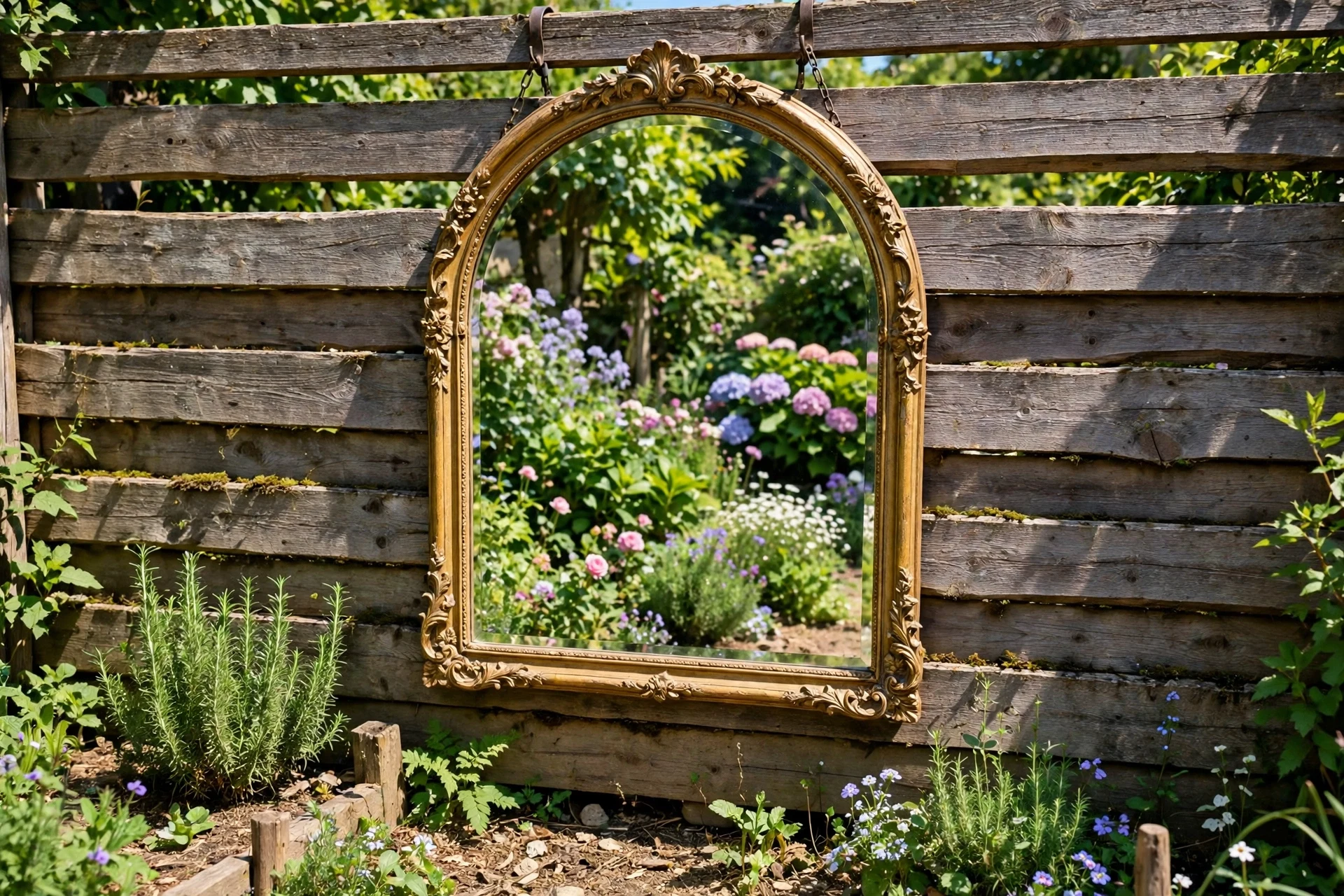
A garden mirror is a clever trick — hung on a fence or a wall, it reflects the plants opposite and makes a small garden feel twice as big. Choose a mirror with a decorative frame, such as an arched window shape or a sunburst design, and angle it to reflect greenery rather than the house. The reflected light brightens shady corners beautifully.
Use a mirror made for outdoor use, or protect a standard one with a weatherproof seal, and secure it firmly so wind cannot knock it down. Clean it regularly so the reflection stays crisp, and place a bird silhouette sticker on the glass to stop birds from flying into it. A garden mirror is one of the smartest tools for making a small space feel generous.
28. Seasonal Flower Pots
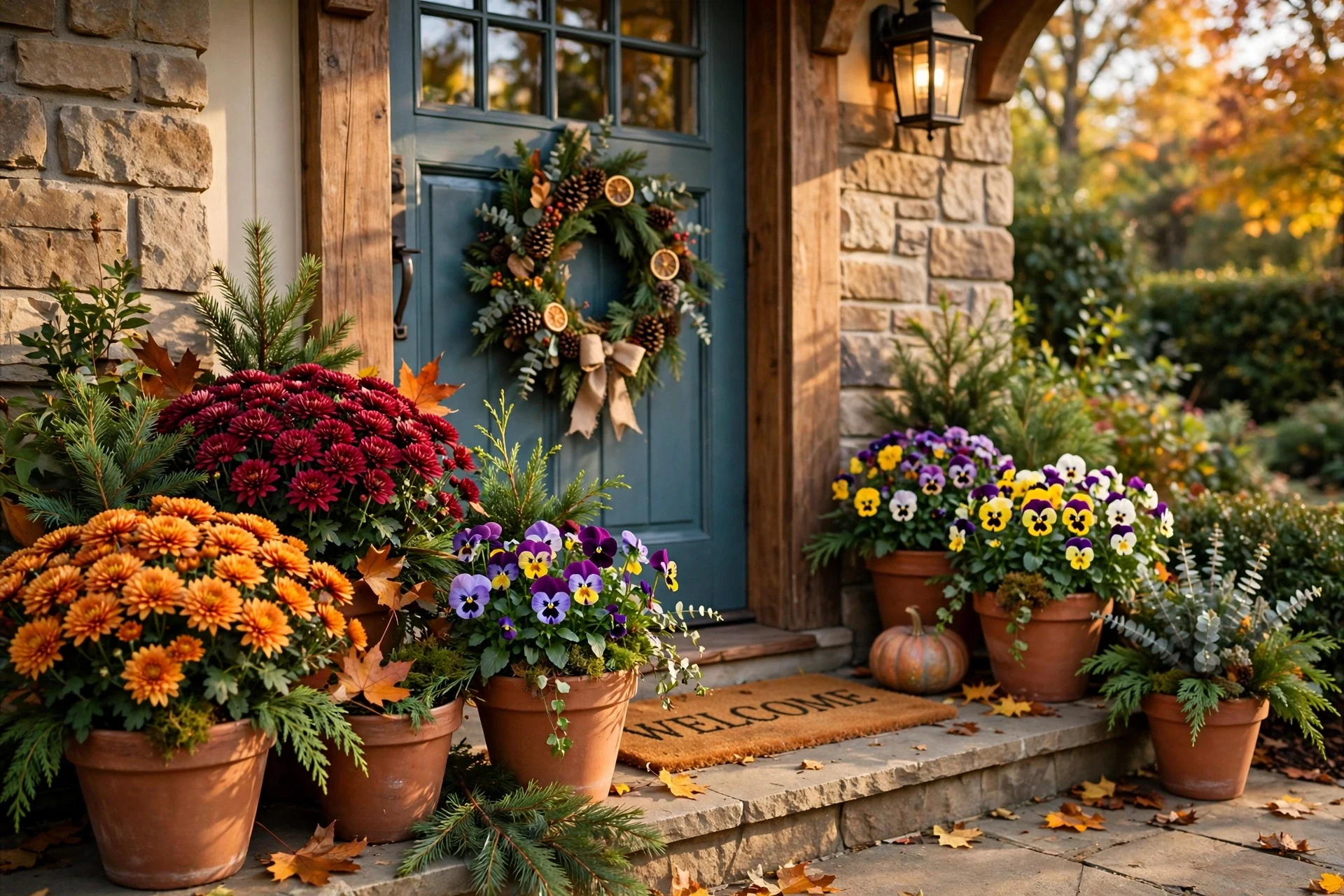
Seasonal flower pots keep the garden looking fresh all year — spring bulbs in pastel shades, summer petunias and geraniums in bold colors, autumn chrysanthemums in warm tones, and winter pansies with evergreen sprigs. Swap the planting in a few key pots four times a year, and the garden always has something new to show. Pots by the front door make the best first impression of all.
Keep a few spare pots ready so you can plant the next season’s display while the current one is still flowering. Use good compost, feed regularly, and deadhead spent blooms to keep the pots looking their best. Seasonal pots are an easy, affordable way to keep the garden colorful in every month of the year.
29. Moss Garden and Shade Corner
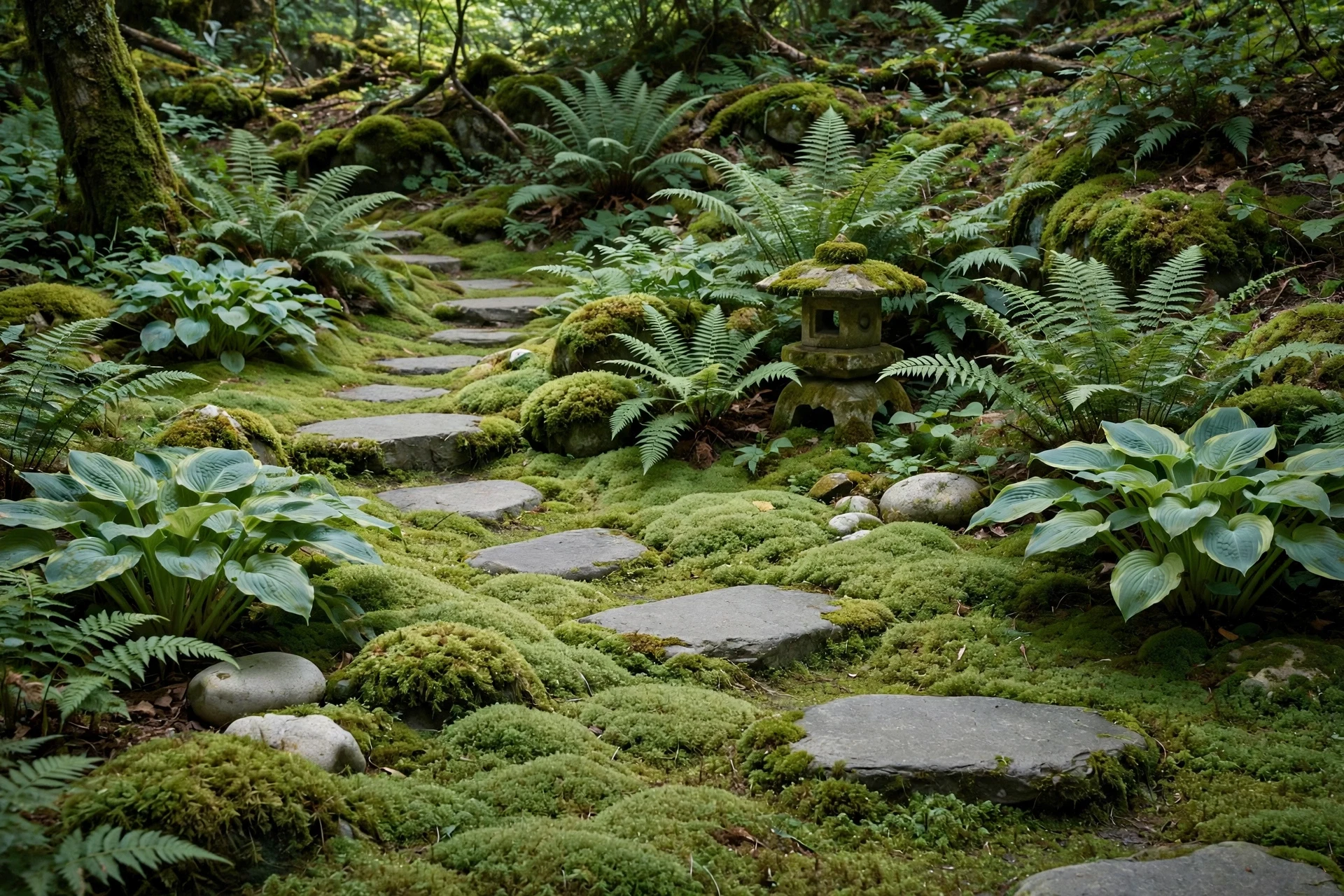
A shady corner that refuses to grow grass can become a moss garden — a soft, green carpet of moss, ferns, and hostas that thrives where other plants struggle. Moss needs no mowing, no feeding, and very little care once established, and its velvety texture looks wonderful beside smooth stones and a small stone lantern. A moss garden feels like a quiet woodland retreat.
Encourage moss by keeping the area moist and shaded, and clear fallen leaves regularly so they do not smother it. Add ferns, astilbe, and hostas for height and variety, and a few flat stepping stones so you can walk through without treading on the moss. A shade corner planted this way turns the garden’s hardest spot into one of its most peaceful.
30. Garden Gazebo Hideaway
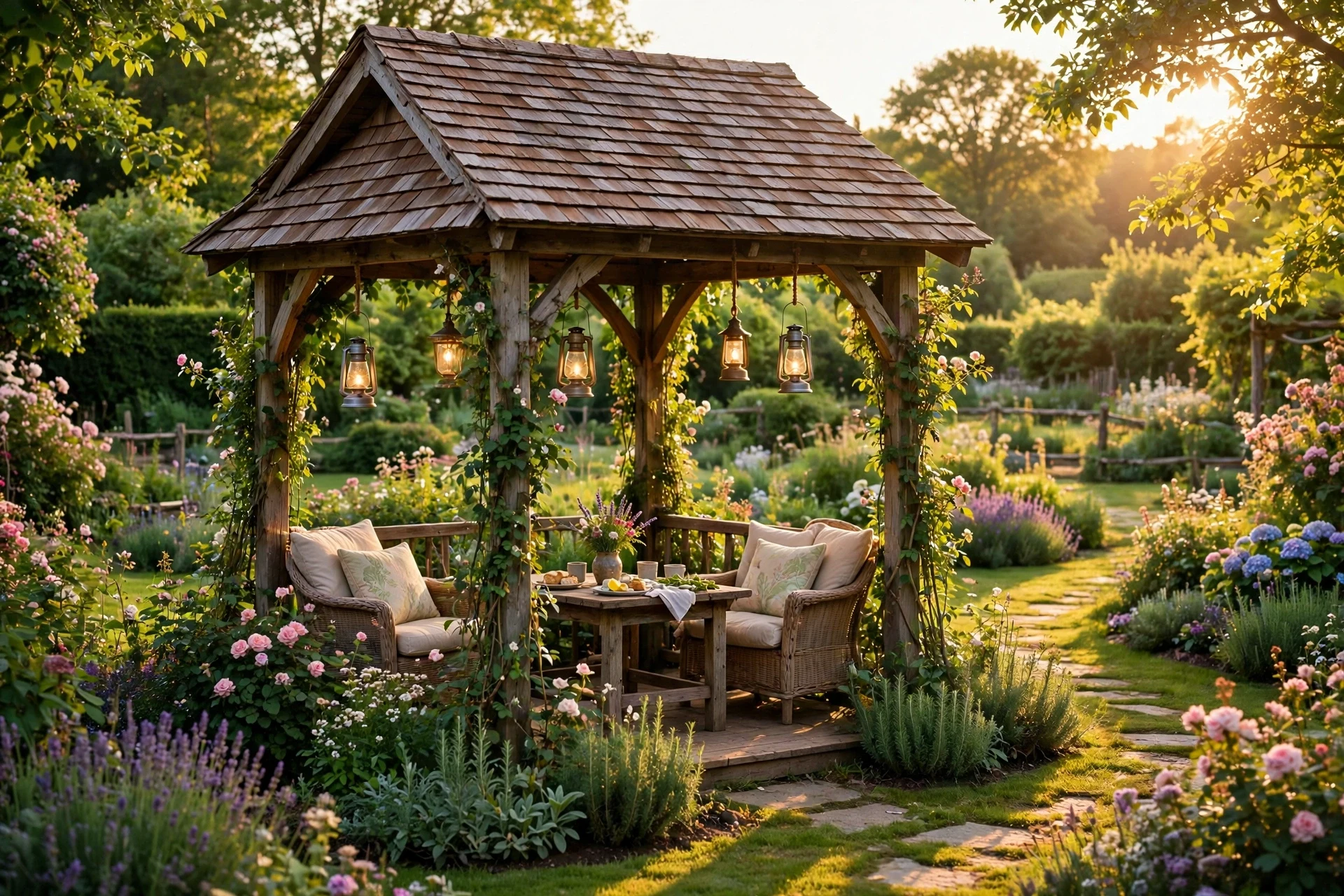
A gazebo is a garden hideaway with a roof — a sheltered spot for afternoon tea, a rainy-day read, or a dinner party that does not depend on the weather. Choose a wooden gazebo with a shingled roof and open sides, and furnish it with a small table, comfortable chairs, and soft outdoor cushions. Climbing plants around the posts make it feel like part of the garden rather than a structure imposed on it.
Site the gazebo on a level, well-drained spot with a view of the garden, and set it on a stone or deck base. Add a lantern or two for evening use, and a curtain or two if you want privacy or shelter from the wind. A gazebo is a bigger investment, but it turns the garden into a true all-weather retreat.
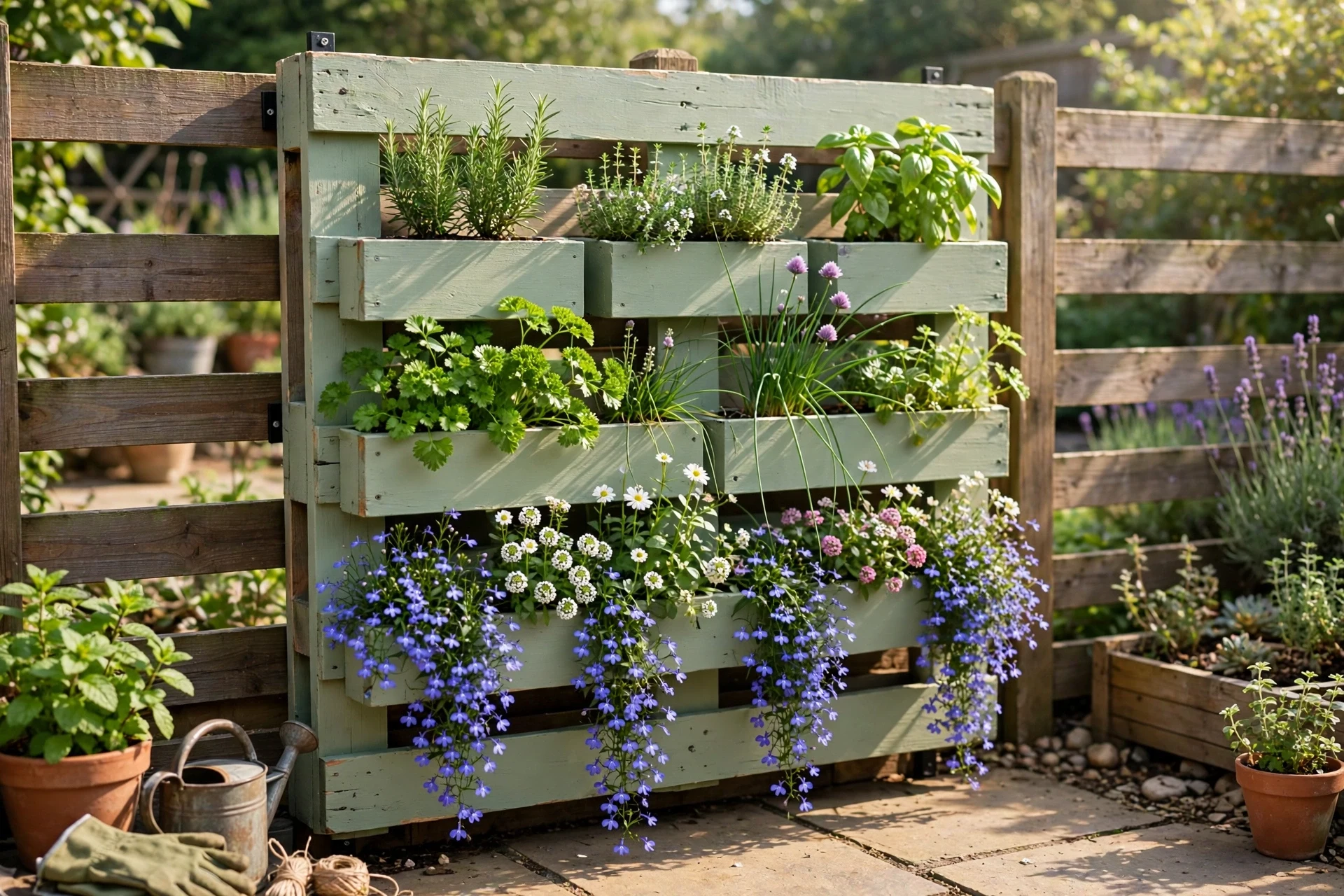
31. DIY Pallet Planter Wall
A pallet planter wall turns a plain fence into a vertical garden — an old wooden pallet stood upright, lined and filled with herbs, flowers, and trailing plants. It costs almost nothing to build, takes up no ground space, and looks wonderful on a patio or a small balcony. Paint the pallet a soft color to match the garden, or leave the wood natural for a rustic look.
Line the back and bottom of each slat with landscape fabric to hold the soil, fill with compost, and plant small plugs of herbs, lettuce, or trailing lobelia. Water regularly, since pallet planters dry out quickly, and fix the pallet firmly to a wall or posts so it cannot topple. A pallet wall is a perfect weekend project with a big visual payoff.
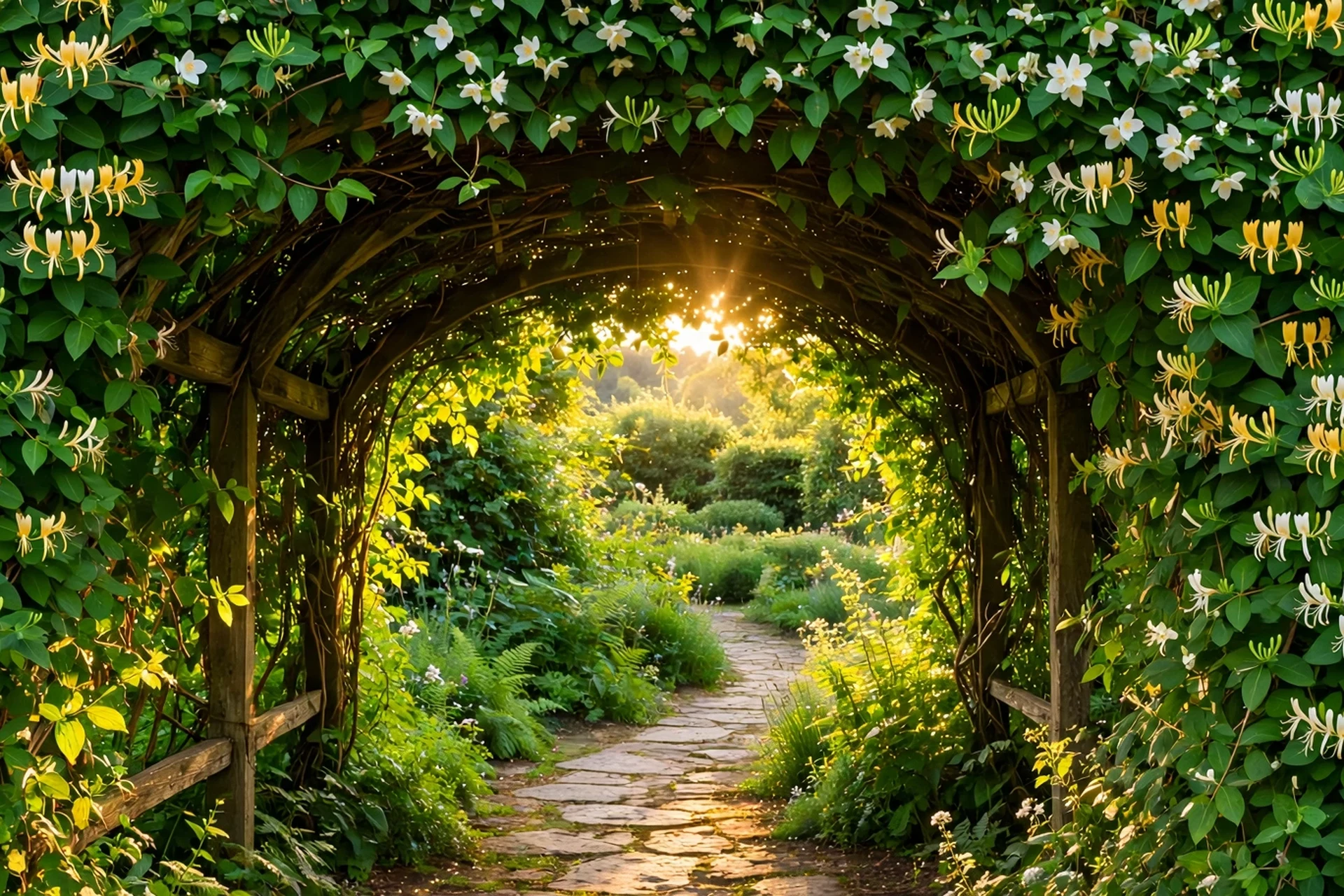
32. Garden Arch with Climbing Vines
A garden arch draped in climbing vines creates a green doorway between one part of the garden and the next. A simple metal or wooden arch over a path, planted with jasmine, honeysuckle, or grapevine, becomes a fragrant tunnel in summer and a sculptural frame in winter. Walking through a vine-covered arch feels like entering a secret garden.
Plant one vine on each side of the arch and guide the stems along the frame as they grow, tying them in gently. Honeysuckle and jasmine add evening fragrance, while grapevine gives shade and, in late summer, fruit. Prune the vines in late winter to keep the arch open and walkable, and the arch will reward you every year.
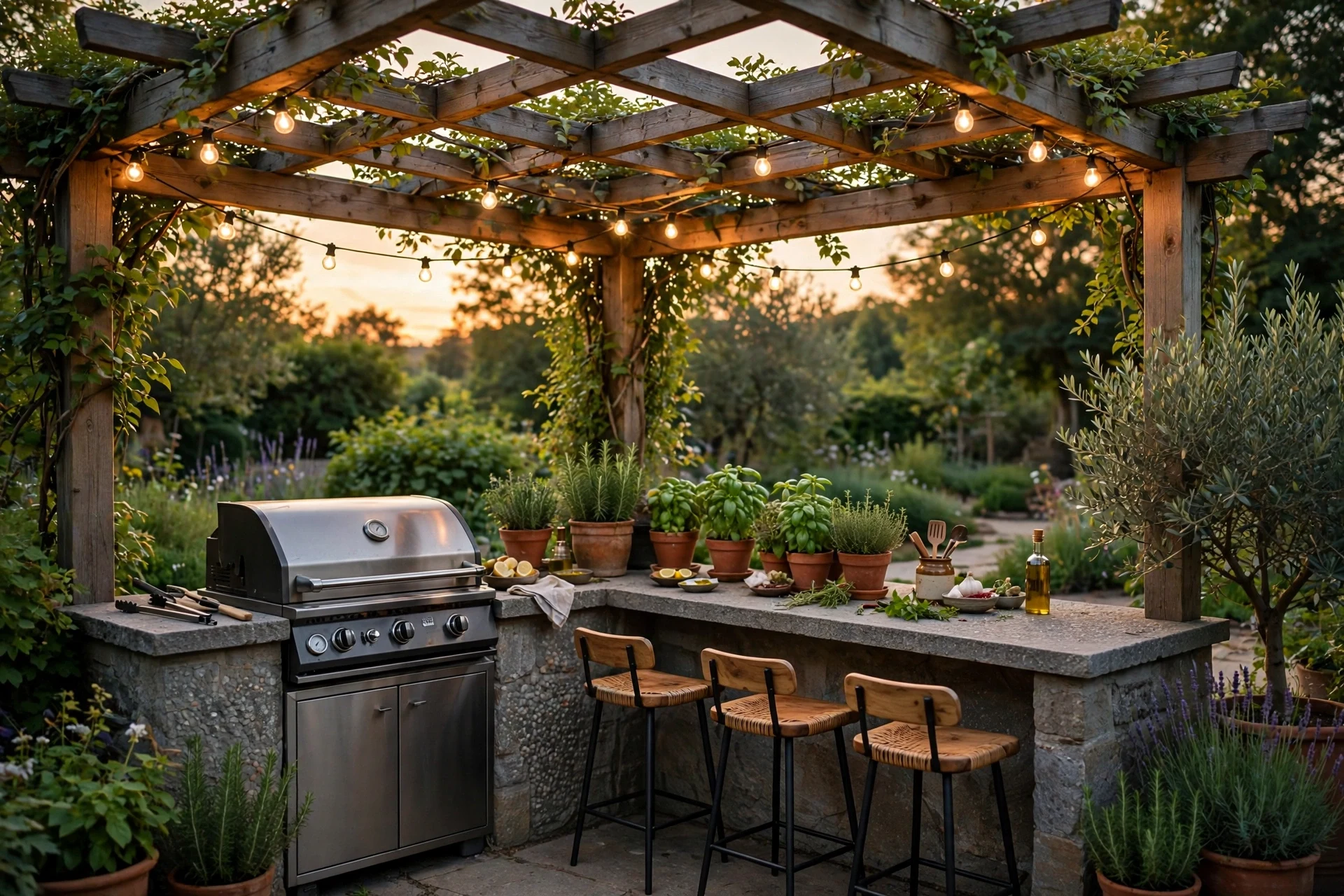
33. Outdoor Kitchen Corner
An outdoor kitchen corner brings cooking into the garden — a compact setup with a grill, a worktop, and a small sink or prep table, all under a canopy or a pergola roof. Even a simple arrangement, a good grill beside a wooden counter with storage underneath, turns summer evenings into outdoor dinner parties. Keep it close to the house so carrying food and dishes stays easy.
Use weatherproof materials like stone, stainless steel, and treated timber, and add a few potted herbs nearby so fresh flavors are always within reach. A string of lights overhead and a couple of bar stools make the corner inviting long after the cooking is done. An outdoor kitchen corner makes the garden the heart of summer entertaining.
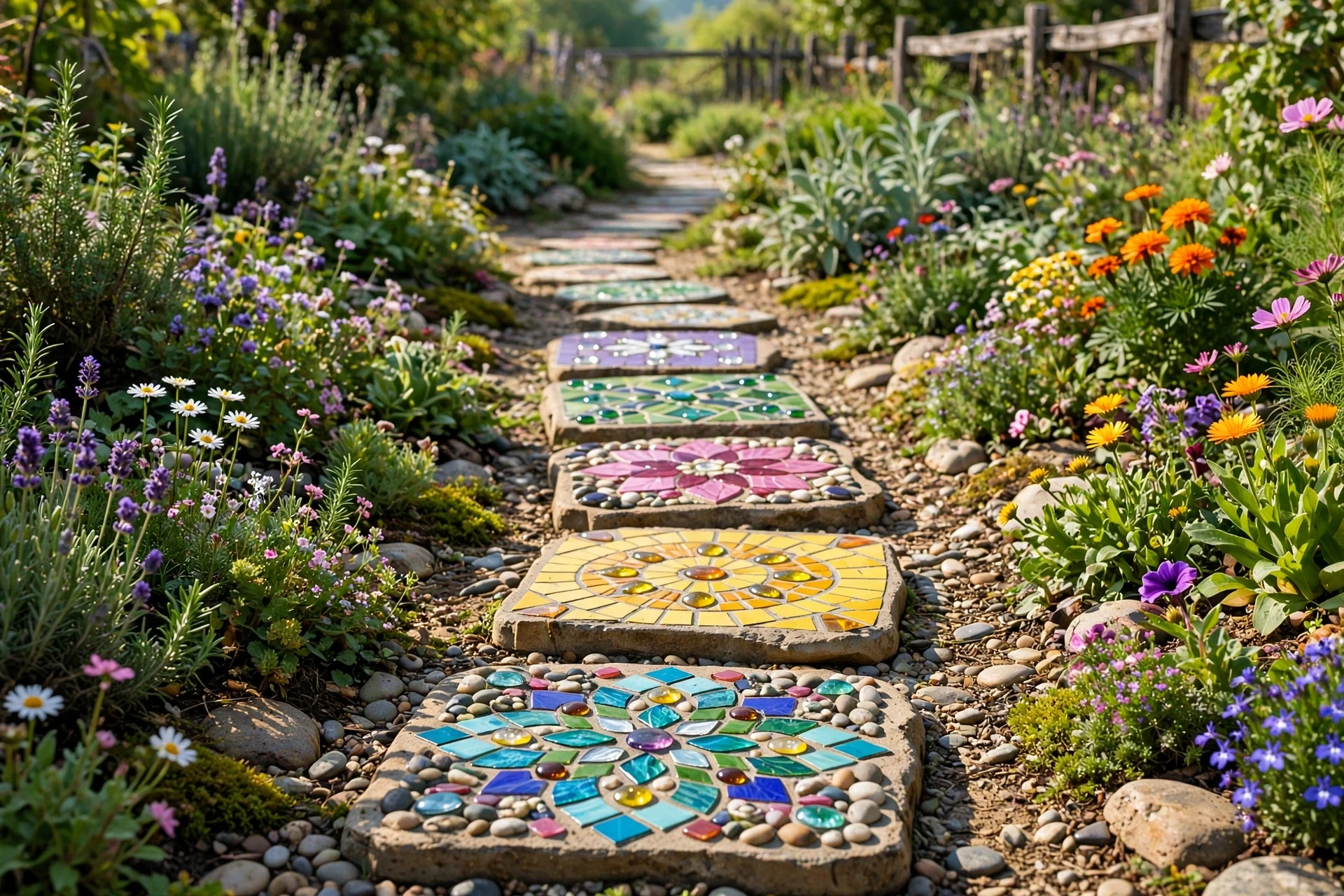
34. Garden Stepping Stones with Mosaic
Mosaic stepping stones add artistry to a garden path — flat stones decorated with colorful tiles, broken pottery, glass gems, or pebbles set into cement. Each stone becomes a small piece of art, and a path of them turns an ordinary walk into a treasure hunt. Mosaic stones are a wonderful family project, and children love designing their own.
Make the stones on a sturdy concrete base at least two inches thick, and seal them with an outdoor sealer so the colors stay bright through rain and frost. Lay them level with the ground so they are easy to walk on and safe to mow around. A mosaic path is a personal, handmade touch that no store-bought paving can match.
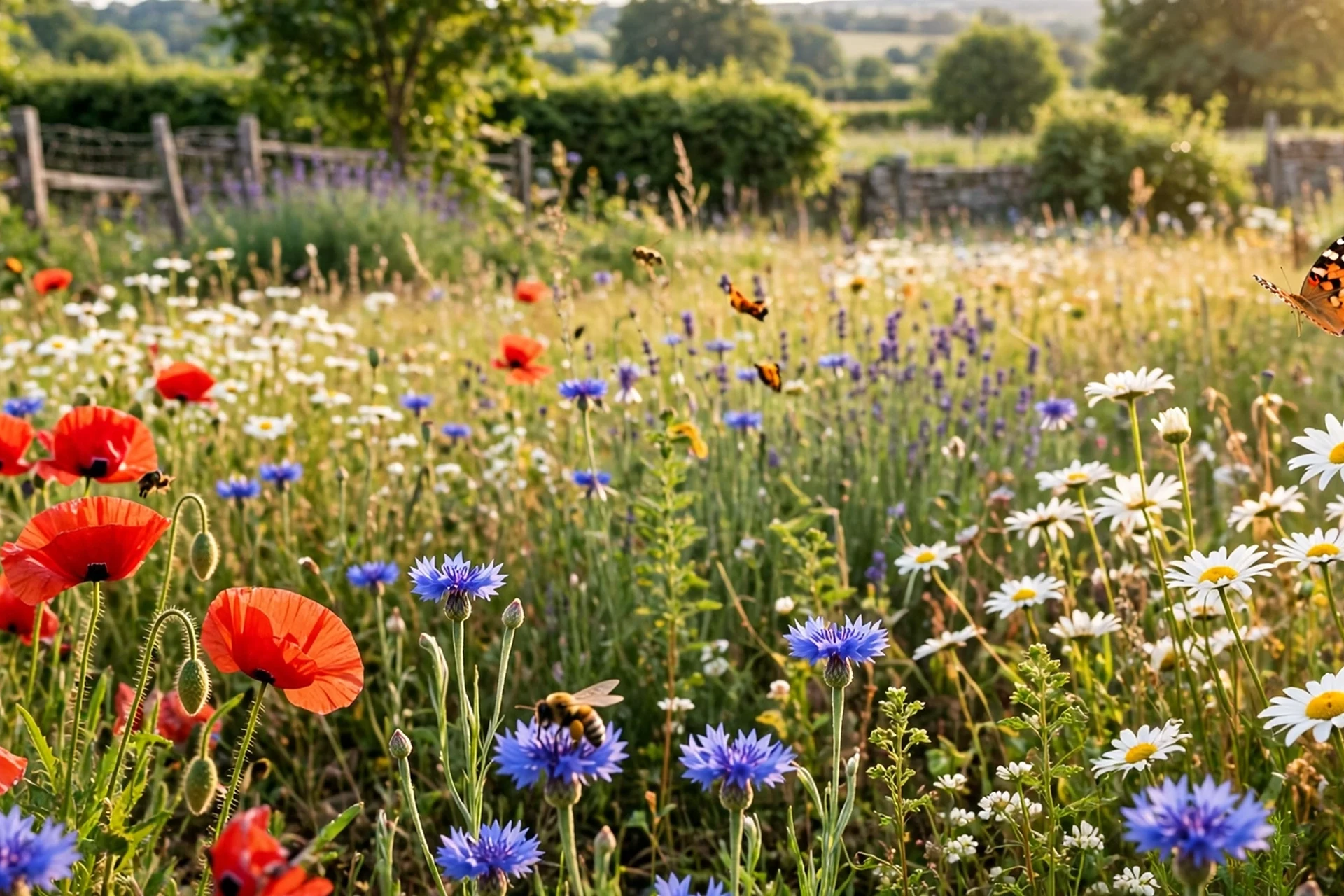
35. Bee-Friendly Wildflower Meadow
A wildflower meadow is the most natural garden decor of all — a sunny patch sown with native wildflowers like poppies, cornflowers, oxeye daisies, and clover that hums with bees and butterflies all summer. It needs almost no care once established, looks different every week as new flowers open, and does more for local wildlife than any manicured lawn ever could.
Prepare the ground by removing grass and weeds, then sow the seed thinly in spring or fall and water until it germinates. Mow the meadow just once a year, in late summer after the flowers have set seed, and remove the cuttings so the soil stays poor — wildflowers prefer it that way. A wildflower meadow turns a dull lawn into a living, buzzing garden.
36. Evening Garden with Candle Lanterns
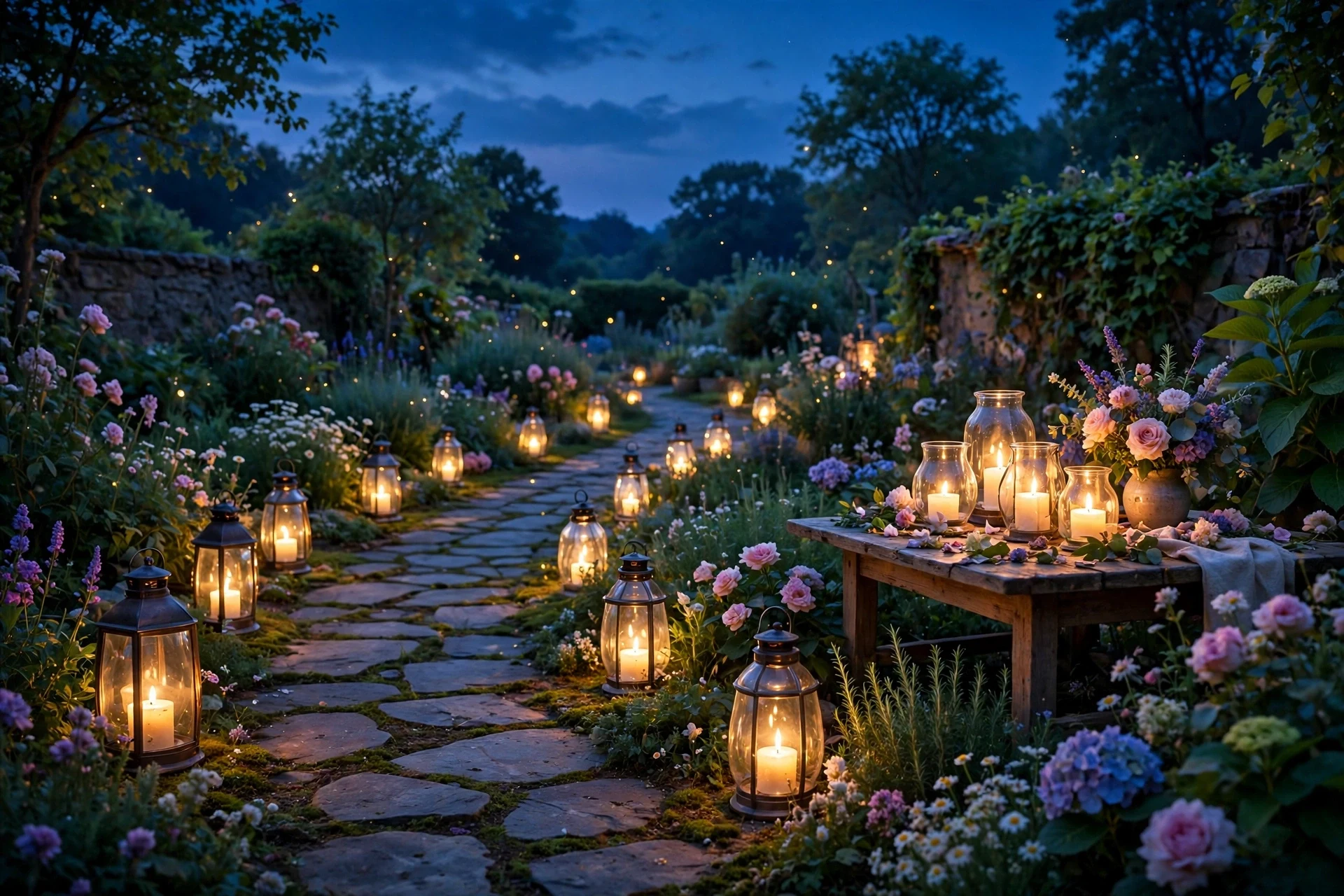
Candle lanterns are the finishing touch that makes a garden magical after dark — glass lanterns with flickering candles placed along paths, on tables, and hanging from branches. The warm, moving light makes the garden feel intimate and celebratory, whether you are hosting a dinner party or simply sitting outside with a glass of sparkling cider. Mix lantern sizes and heights for the most enchanting effect.
Use sturdy glass lanterns that protect the flame from wind, and battery-operated candles if you prefer a flameless option around children or pets. Place lanterns on stable surfaces and never leave real candles burning unattended. A garden lit by candle lanterns is the perfect ending to a day outdoors — soft, golden, and utterly relaxing.
More Gardening Ideas
- Gardening Tips: 36 Easy Ideas for Beginners
- Hibiscus Plant Care: 36 Growing Tips and Ideas
- Indoor Plant Ideas: 36 Green Home Designs
Final Thoughts
The best garden decor is the kind that makes you want to step outside — a comfortable seat, a beautiful view, and a few details that make the space feel like yours. Start with one or two ideas from this list, whether that is a stone path, a string of lights, or a cluster of terracotta pots, and let the garden grow around them. Your perfect outdoor retreat is waiting, just beyond the back door.