
Gardening Tips: 36 Easy Ideas for Beginners
Gardening is one of the most rewarding hobbies you can pick up — nothing beats the taste of a…

Gardening is one of the most rewarding hobbies you can pick up — nothing beats the taste of a tomato you grew yourself or the calm of an evening spent among your plants. But beginners often feel overwhelmed by conflicting advice, and a few simple mistakes can turn excitement into frustration.
The good news is that gardening success comes down to a handful of fundamentals: good soil, the right location, consistent water, and a little patience. These 36 beginner-friendly tips cover everything from soil prep to harvest, so you can skip the trial-and-error phase and grow a thriving garden from your very first season.
1. Test Your Soil Before You Plant
Great gardens start underground. A simple soil test — available cheaply from your local extension office or as a DIY kit — tells you your soil’s pH and nutrient levels, so you are not guessing. Most vegetables prefer slightly acidic to neutral soil (pH 6.0–7.0), and knowing where you stand lets you amend correctly the first time.
Without a test, beginners often over-fertilize or add the wrong amendments, wasting money and sometimes harming plants. Test once before your first planting and repeat every couple of years; it is the single highest-return ten minutes in gardening.

2. Start a Compost Pile
Compost is free fertilizer and the best soil improver there is. Toss in kitchen scraps, coffee grounds, fallen leaves, and grass clippings, keep the pile damp, and turn it occasionally — within months you will have dark, crumbly “black gold” that feeds plants and builds soil structure.
Finished compost adds slow-release nutrients, improves drainage in clay and water retention in sand, and feeds the microbial life that keeps soil healthy. Even a small bin on a patio works; start now and your future garden will thank you.

3. Pick a Sunny Spot
Most vegetables and many flowers need at least six hours of direct sun a day — eight is even better. Before you dig, watch your yard for a day and note which areas stay sunny; a spot that looks bright in the morning may be shaded by afternoon.
If your space is limited, prioritize sun for fruiting crops like tomatoes and peppers, which suffer most in shade. Leafy greens and herbs tolerate partial shade, so match the plant to the light you actually have rather than fighting it.
4. Try Raised Beds
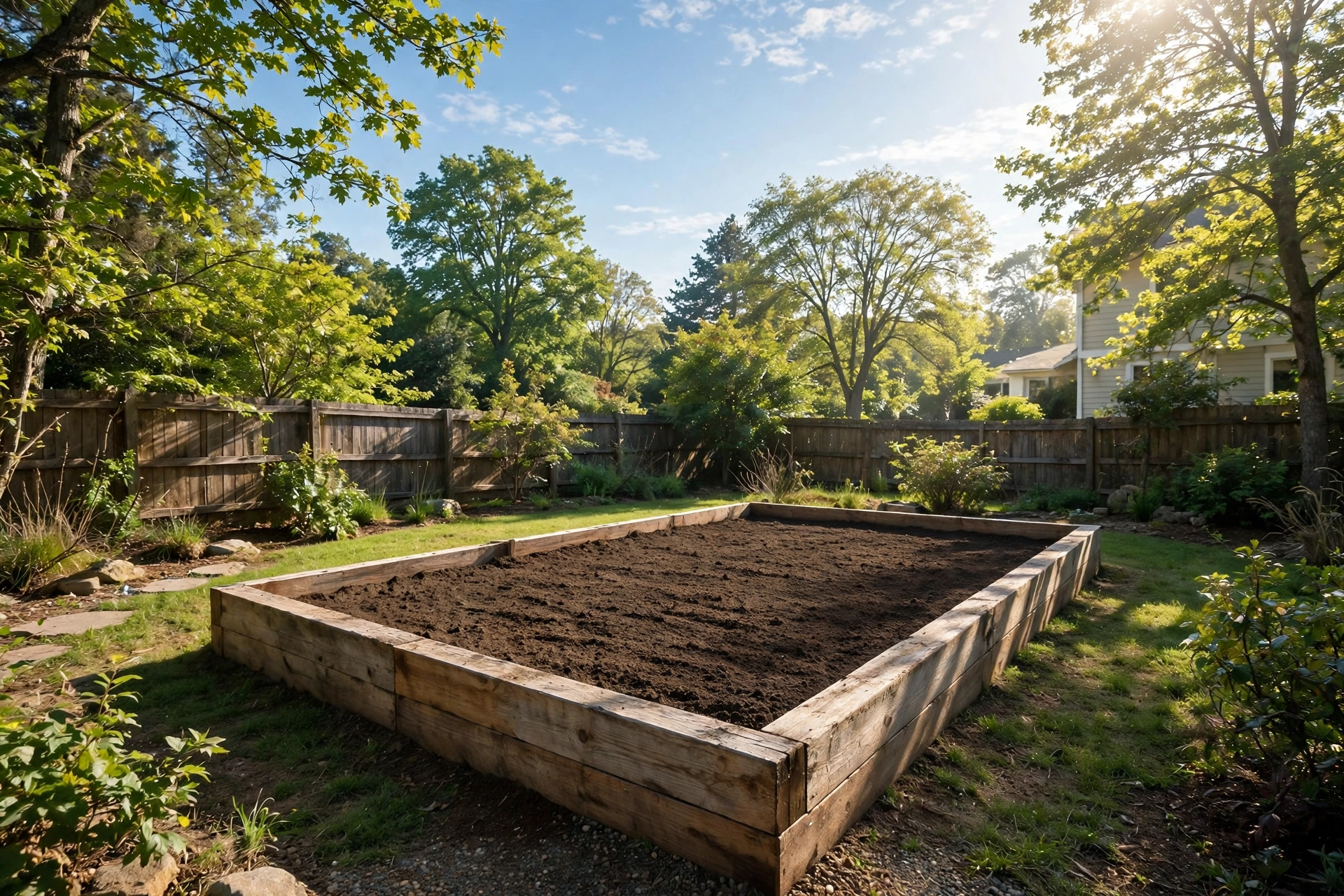
Raised beds are a beginner’s best friend: they warm up faster in spring, drain better, and let you control the soil mix completely. Fill them with a blend of topsoil and compost and you sidestep poor native soil entirely.
They are also easier on your back and knees, keep pathways tidy, and reduce weed pressure. Start with one or two 4×8-foot beds — small enough to manage, big enough for a serious harvest.
5. Garden in Containers
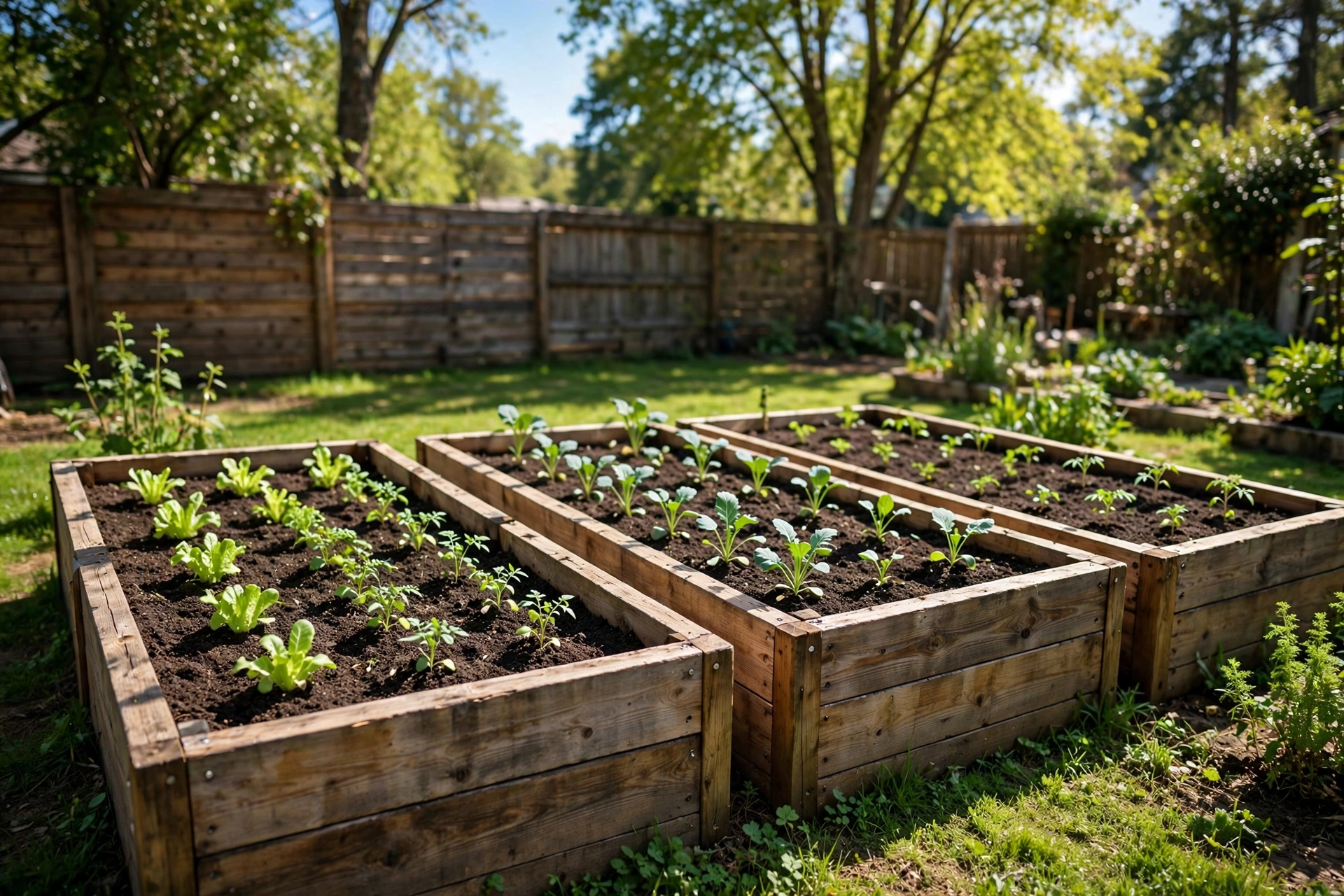
No yard? No problem. Tomatoes, peppers, herbs, lettuce, and even dwarf fruit trees thrive in pots. Containers let you garden on balconies, patios, and sunny windowsills, and you can move plants to chase the sun.
Use large pots (at least 5 gallons for tomatoes), quality potting mix — never garden soil, which compacts — and make sure every container has drainage holes. Container plants dry out faster, so check water daily in summer.

6. Water Deeply, Less Often
Shallow daily sprinkles train roots to stay near the surface, where they dry out fast. Instead, water deeply once or twice a week so moisture reaches 6–8 inches down, encouraging strong, drought-tolerant root systems.
Stick your finger two inches into the soil: if it is dry, water; if moist, wait. A soaker hose or drip line delivers water right to the roots with minimal waste and keeps foliage dry, which also reduces disease.

7. Mulch Every Bed
A 2–3 inch layer of mulch — straw, shredded leaves, or wood chips — is the closest thing to a gardening cheat code. It locks in moisture, suppresses weeds, keeps soil cool, and feeds the soil as it breaks down.
Mulch also prevents soil from splashing onto leaves during rain, which cuts down on disease. Keep mulch a couple of inches away from stems to avoid rot, and top it up as it decomposes through the season.

8. Practice Companion Planting
Some plants genuinely grow better together. Classic pairings — tomatoes with basil, carrots with onions, corn with beans and squash (“three sisters”) — can improve flavor, deter pests, and make efficient use of space.
Flowers like marigolds and nasturtiums act as bodyguards, repelling harmful insects or luring them away from crops. Interplanting also fills gaps so weeds have nowhere to grow — a prettier, more productive bed.

9. Start Seeds Indoors
Starting seeds indoors 6–8 weeks before your last frost gives you a head start on the season and saves money over buying transplants. All you need is seed-starting mix, containers, and a sunny window or inexpensive grow light.
Keep the mix consistently moist and warm (a heat mat speeds germination), and give seedlings 14–16 hours of light daily so they grow stocky, not leggy. Label everything — seedlings all look alike at first.

10. Prune with Purpose
Pruning is not just for looks; it improves airflow, lets light reach inner branches, and removes dead or diseased wood before problems spread. Learn the basics for what you grow — roses, fruit trees, and shrubs each have their own timing.
Always use sharp, clean tools and cut just above an outward-facing bud or branch collar. When in doubt, prune less: you can always take more later, but you cannot put a branch back.

11. Know Your Planting Zone
Your USDA hardiness zone (or local equivalent) tells you which perennials will survive your winters and when to plant what. Choosing plants suited to your zone is the difference between a thriving garden and expensive annual replacements.
Check seed packets and plant tags for zone ratings and “days to maturity,” then count backward from your first fall frost. Gardening with your climate instead of against it saves money and heartbreak.

12. Feed Plants the Right Way
Even great soil gets depleted as plants feed. A balanced organic fertilizer or regular compost top-dressing keeps nutrients available through the growing season. Heavy feeders like tomatoes and roses appreciate feeding every few weeks.
More is not better — excess fertilizer burns roots and pollutes runoff. Follow label rates, water it in well, and remember that healthy soil with plenty of organic matter needs far less supplemental feeding.

13. Control Pests Naturally
Before reaching for chemicals, try the gentle approach: blast aphids off with a strong jet of water, handpick caterpillars, and use row covers to exclude pests entirely. Most pest problems are manageable without sprays.
Encourage predators — ladybugs, lacewings, and birds eat far more pests than any spray. And accept a little damage; a garden with zero insect activity is a garden with zero ecosystem, and perfect leaves are not the goal.

14. Start with Herbs
If you are new to growing food, herbs are the perfect first crop. Basil, mint, parsley, chives, and rosemary are forgiving, fast-growing, and genuinely useful in the kitchen — you will harvest within weeks.
Most herbs need only sun, decent drainage, and regular snipping (which actually makes them bushier). Grow mint in its own pot — it spreads aggressively — and keep a pot by the kitchen door for easy cooking access.

15. Grow Up, Not Out
Vertical gardening multiplies small spaces: trellises for beans and cucumbers, wall planters for herbs, and hanging baskets for strawberries. Going up also improves airflow and keeps fruit off damp soil.
A simple A-frame trellis or cattle-panel arch is cheap, sturdy, and looks fantastic. Train vines early, tie loosely, and enjoy the extra square footage you just created out of thin air.

16. Plant in Succession
Instead of planting everything at once, sow small batches of fast crops like lettuce, radishes, and beans every two weeks. Succession planting stretches your harvest across the whole season instead of one overwhelming glut.
When spring crops finish, immediately replant the space with summer or fall crops. Keeping beds continuously planted also suppresses weeds and keeps soil biology active — empty soil is wasted soil.

17. Stay Ahead of Weeds
Weeds compete for water, light, and nutrients, and a small weed pulled today saves ten tomorrow. Spend five minutes weeding every few days rather than facing a jungle once a month.
Weed after rain when soil is soft and roots slide out easily, and always remove weeds before they set seed — one plant can scatter thousands. Mulch and dense planting are your best long-term weed prevention.

18. Give Plants Room to Grow
Crowded plants compete, stay damp, and invite disease. Follow spacing guidelines on seed packets — those tiny seedlings will get big, and proper spacing means better airflow, bigger harvests, and healthier plants.
If you started seeds too thickly, thin ruthlessly; it feels wasteful but crowded seedlings all suffer. Square-foot gardening layouts are a great beginner system for getting spacing right without measuring.

19. Water in the Morning
Early morning is the ideal watering time: plants hydrate before the heat of the day, and foliage dries quickly, denying fungal diseases the damp conditions they love. Evening watering leaves leaves wet all night.
If mornings are impossible, late afternoon is second best — just avoid wetting foliage late in the day. Water the soil, not the plant, and you will prevent most common leaf diseases before they start.

20. Invite Pollinators
Bees, butterflies, and other pollinators dramatically boost yields of squash, cucumbers, berries, and fruit trees. Plant a patch of native flowers, leave some herbs to bloom, and provide a shallow water dish.
Skip insecticides — even “organic” ones kill beneficial insects — and tolerate a slightly wilder corner of the garden. A pollinator-friendly garden is a productive garden, and it is alive with beauty.

21. Rotate Your Crops
Planting the same crop in the same spot year after year lets pests and diseases build up in the soil. Rotate plant families — follow tomatoes with beans, then leafy greens — to break those cycles naturally.
A simple three- or four-year rotation is plenty for a home garden. Keep a basic map or journal notes so you remember what grew where; your soil will stay healthier with almost no extra effort.

22. Sow Cover Crops
When beds go empty in fall, sow cover crops like clover, rye, or vetch instead of leaving soil bare. They prevent erosion, suppress weeds, and — in the case of legumes — fix nitrogen from the air into the soil.
In spring, chop cover crops down and let them decompose as green manure, or simply plant through them. It is the easiest way to build soil while you are not even gardening.

23. Install Drip Irrigation
Drip irrigation delivers water slowly and directly to the root zone, cutting water use by up to half compared to sprinklers. Plants stay evenly moist, leaves stay dry, and weeds between rows get nothing.
Starter kits are inexpensive and install in an afternoon with no special tools. Add a simple timer and your garden waters itself perfectly while you are on vacation.

24. Deadhead Faded Flowers
Snipping off spent blooms — deadheading — tricks many flowers into producing more instead of setting seed. Petunias, zinnias, roses, and marigolds all bloom longer and fuller with regular deadheading.
Carry small snips on your garden walks and make it a habit. Leave some seed heads in fall for birds, but during the season, deadheading keeps the show going for months.

25. Save Your Own Seeds
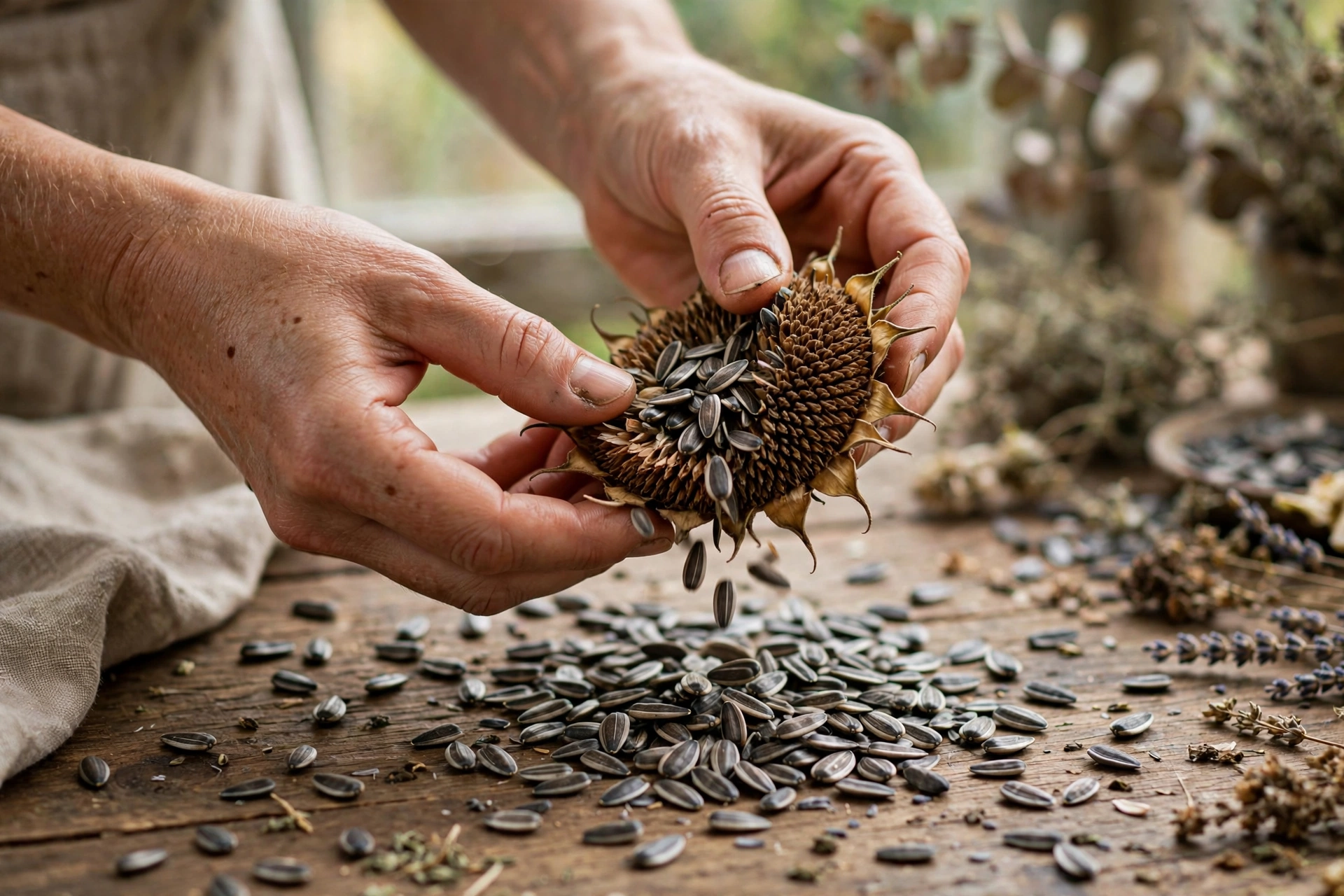
Saving seeds from your best plants is free, deeply satisfying, and gradually adapts varieties to your exact garden. Start with easy self-pollinators: tomatoes, beans, peas, and lettuce.
Let fruits fully ripen, dry seeds thoroughly, and store them cool, dark, and dry in labeled envelopes. Note that hybrids will not grow true — save seeds from open-pollinated or heirloom varieties.
26. Stretch the Season
A simple cold frame, row cover, or cloche can add weeks to both ends of your growing season, protecting tender plants from light frosts. Fall salads and early spring greens are entirely possible with minimal gear.
Even draping old bedsheets over plants on frosty nights works in a pinch. Season extension means fresher food for more of the year from the same small space.

27. Keep a Garden Journal
The best gardeners take notes. Jot down what you planted, when, what thrived, and what flopped — plus weather quirks and pest outbreaks. Next year’s plan practically writes itself.
A journal turns mistakes into lessons instead of repeats. Photos work too; snap beds monthly and you will see patterns you would otherwise miss. Future you will be grateful.

28. Harden Off Transplants
Seedlings raised indoors need gradual introduction to the outdoors — direct sun and wind shock tender plants. Harden them off over 7–10 days, increasing outdoor time daily before transplanting.
Skipping this step causes transplant shock: wilting, sunscald, and stalled growth. A little patience here pays off in vigorous plants that take off immediately instead of sulking for weeks.

29. Tame Clay Soil
Heavy clay drains slowly and compacts easily, but it is naturally fertile. The fix is organic matter — generous compost dug in loosens structure, improves drainage, and makes clay a joy to work.
Never work clay when it is wet (it compacts into bricks) and avoid adding sand, which can make things worse. Raised beds are a great workaround while you improve native clay over a few seasons.

30. Fix Sandy Soil
Sandy soil drains fast and loses nutrients quickly, leaving plants thirsty and hungry. Compost is again the answer — it acts like a sponge, holding water and nutrients where roots can reach them.
Mulch heavily to slow evaporation, water more frequently but still deeply, and consider adding coconut coir or composted manure. With amendment, sandy soil warms early and grows fantastic root crops.

31. Welcome Beneficial Insects
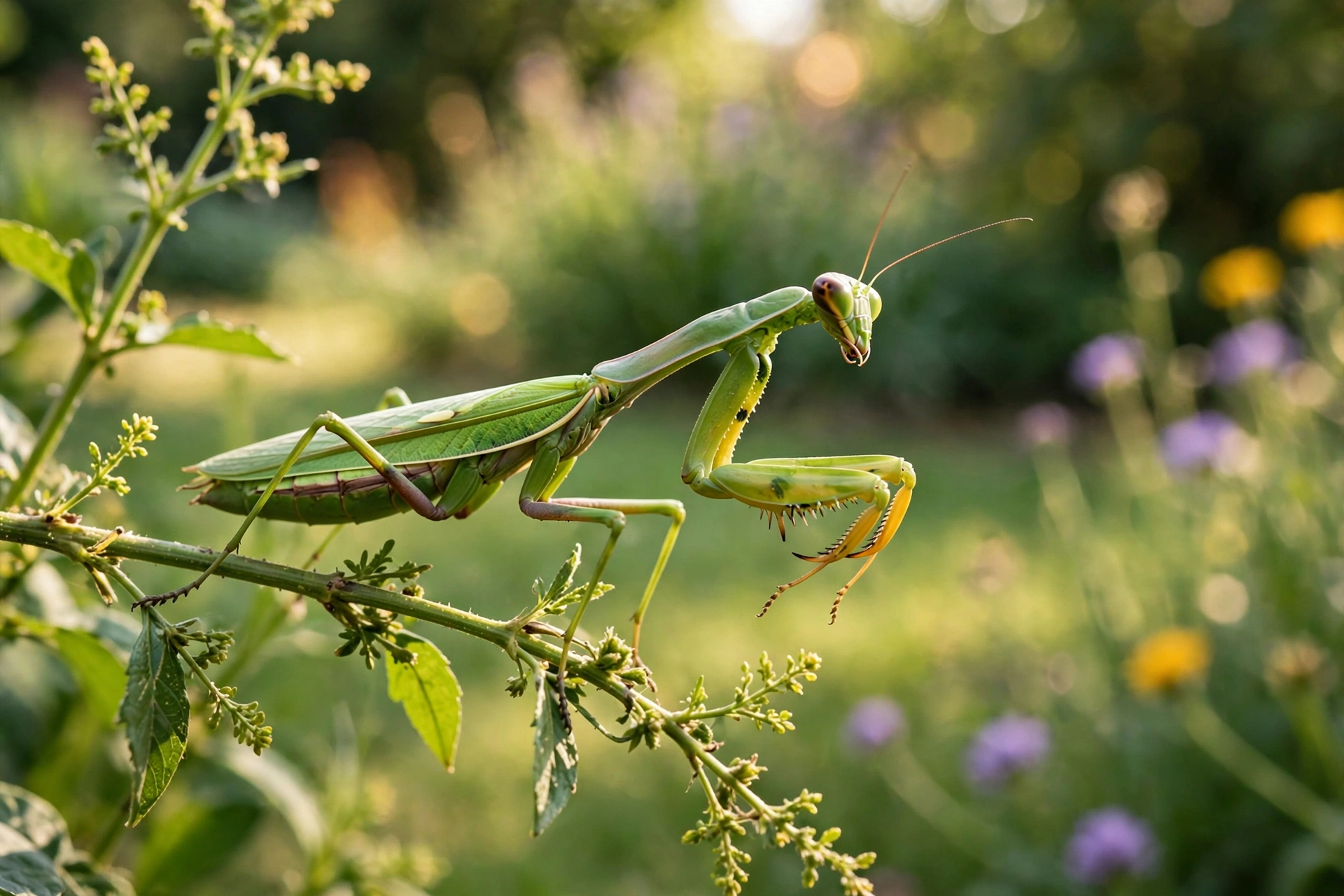
Not all bugs are bad — ladybugs, lacewings, hoverflies, parasitic wasps, and ground beetles are a free pest-control army. A single ladybug larva can eat hundreds of aphids.
Attract them with small flowers (alyssum, dill, yarrow), avoid broad-spectrum sprays, and provide undisturbed corners for overwintering. Work with nature’s predators and pest problems shrink on their own.
32. Prevent Plant Diseases
Most plant diseases are preventable: water at the base, space plants for airflow, rotate crops, and clean up diseased debris at season’s end. Healthy, unstressed plants resist infection far better.
Buy disease-resistant varieties when available (look for codes like VFN on tomatoes), disinfect tools between plants when disease appears, and remove affected leaves promptly. Prevention beats cure every time.

33. Harvest at the Right Moment
Vegetables taste best picked at peak ripeness — and regular harvesting signals plants to produce more. Beans, zucchini, and cucumbers picked young and often will out-yield neglected plants dramatically.
Learn each crop’s cues: tomatoes fully colored but firm, peppers glossy, lettuce before it bolts. Morning harvests are crispest, and nothing beats eating something minutes after picking it.

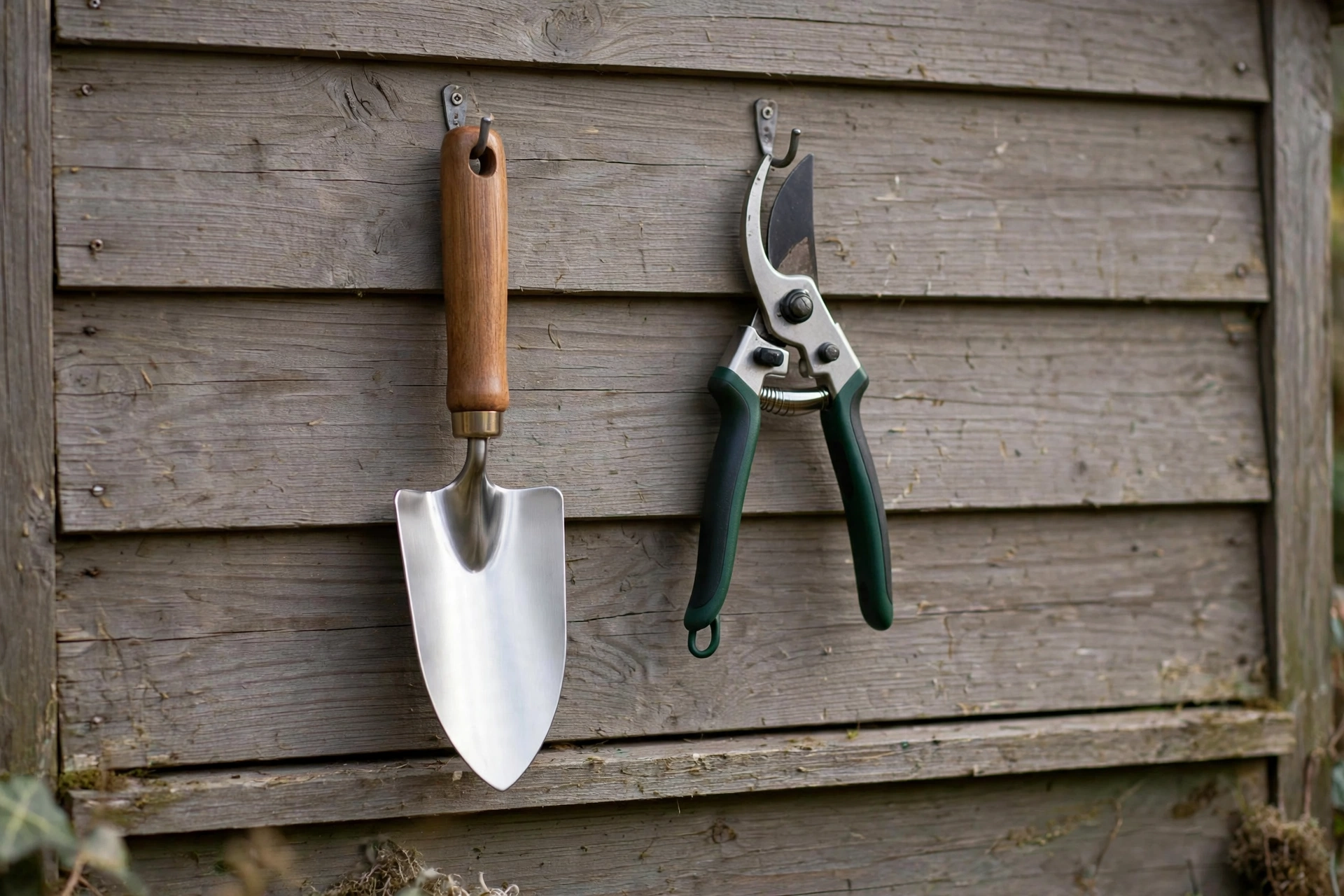
34. Clean and Care for Tools
Sharp, clean tools make every job easier and healthier for plants — clean cuts heal faster and spread less disease. Rinse soil off after use, dry thoroughly, and oil metal parts lightly.
Sharpen pruners and hoes yearly, disinfect blades with rubbing alcohol between diseased plants, and store tools under cover. Good tools last decades with basic care and make gardening genuinely more enjoyable.
35. Embrace Shade Gardening
Shady spots are not dead space — hostas, ferns, astilbe, impatiens, and lettuce all thrive with less sun. A shade garden can be the coolest, calmest corner of your yard.
Improve shade soil with compost (tree roots compete hard), choose plants rated for your light level, and add light-colored foliage or flowers to brighten dark corners. Work with the shade you have.

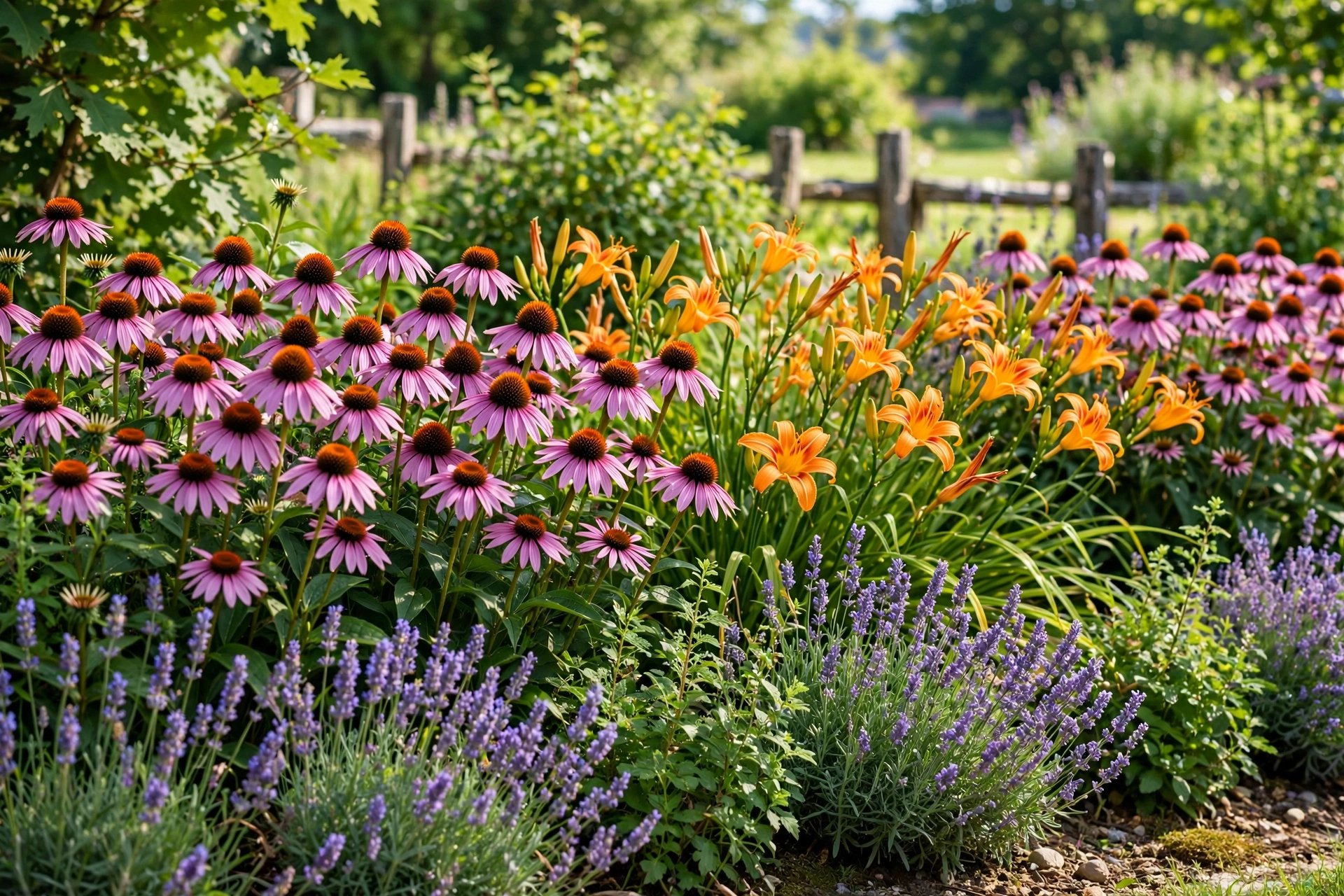
36. Anchor with Perennials
Perennials return year after year, building the backbone of a low-maintenance garden. Echinacea, daylilies, lavender, and ornamental grasses give structure and reliable blooms with minimal replanting.
Plant perennials first, then fill gaps with annuals and vegetables. They establish deep roots that improve soil, need less water once settled, and reward you more each passing year.
More Gardening Ideas
Final Thoughts
Gardening rewards consistency over perfection — a little attention most days beats heroic weekend efforts. Start small, follow these fundamentals, and let your garden teach you the rest. Your first harvest is closer than you think.

