44 Japandi Kitchen Ideas
Japandi kitchens pair the calm restraint of Japanese minimalism with the gentle warmth of Scandinavian design, creating a space…
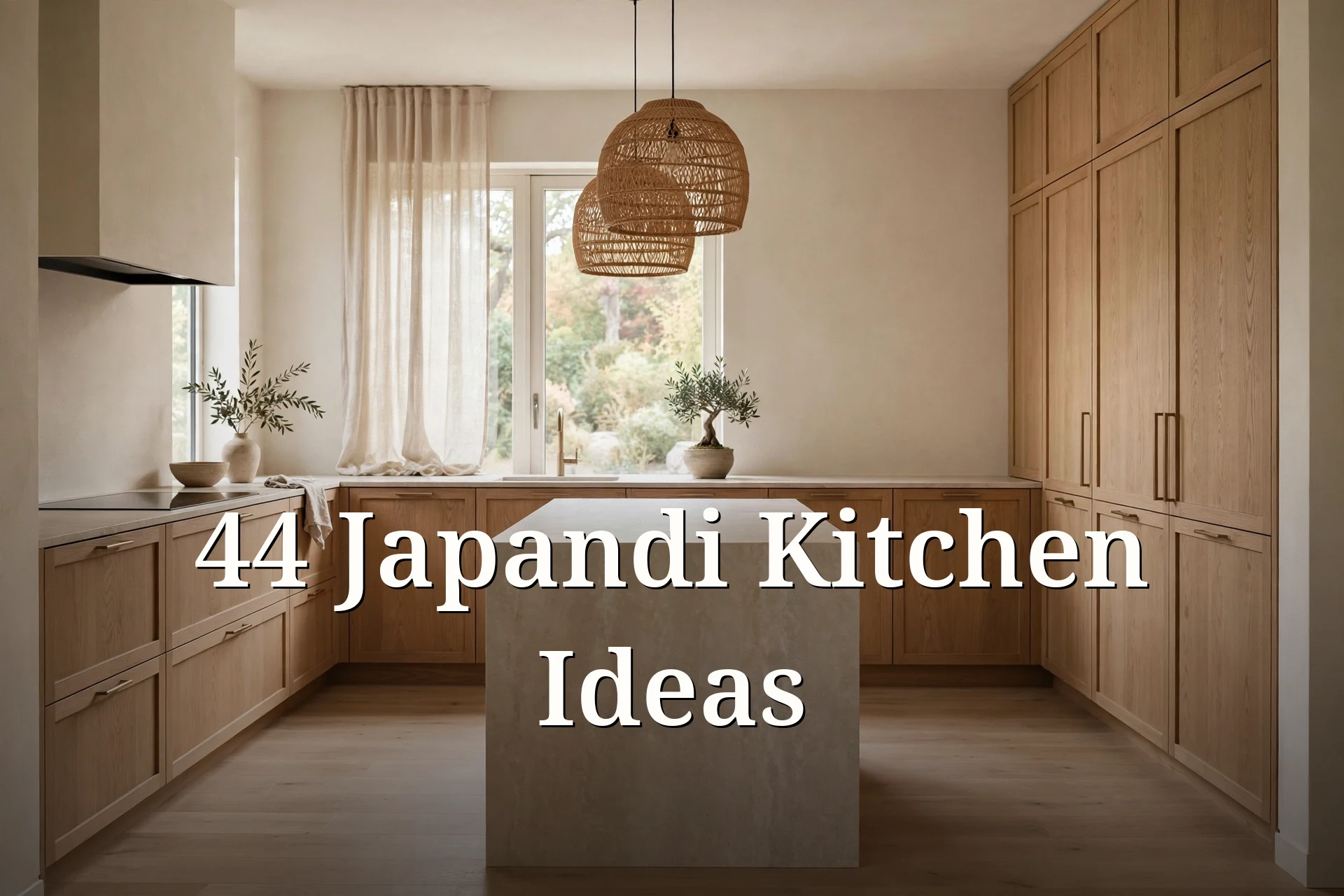
Japandi kitchens pair the calm restraint of Japanese minimalism with the gentle warmth of Scandinavian design, creating a space that feels peaceful the moment you step inside. Think pale oak cabinetry, honed stone surfaces, and soft daylight filtering across uncluttered counters — every detail chosen for quiet beauty and everyday function.
Below, you will find 44 japandi kitchen ideas, each one a distinct design direction you can borrow in full or adapt to your own space. From light oak flat-front cabinets to zen garden windows, these calm, minimal designs prove that a kitchen can be both serene and hardworking.
01. Light Oak Flat-Front Cabinets
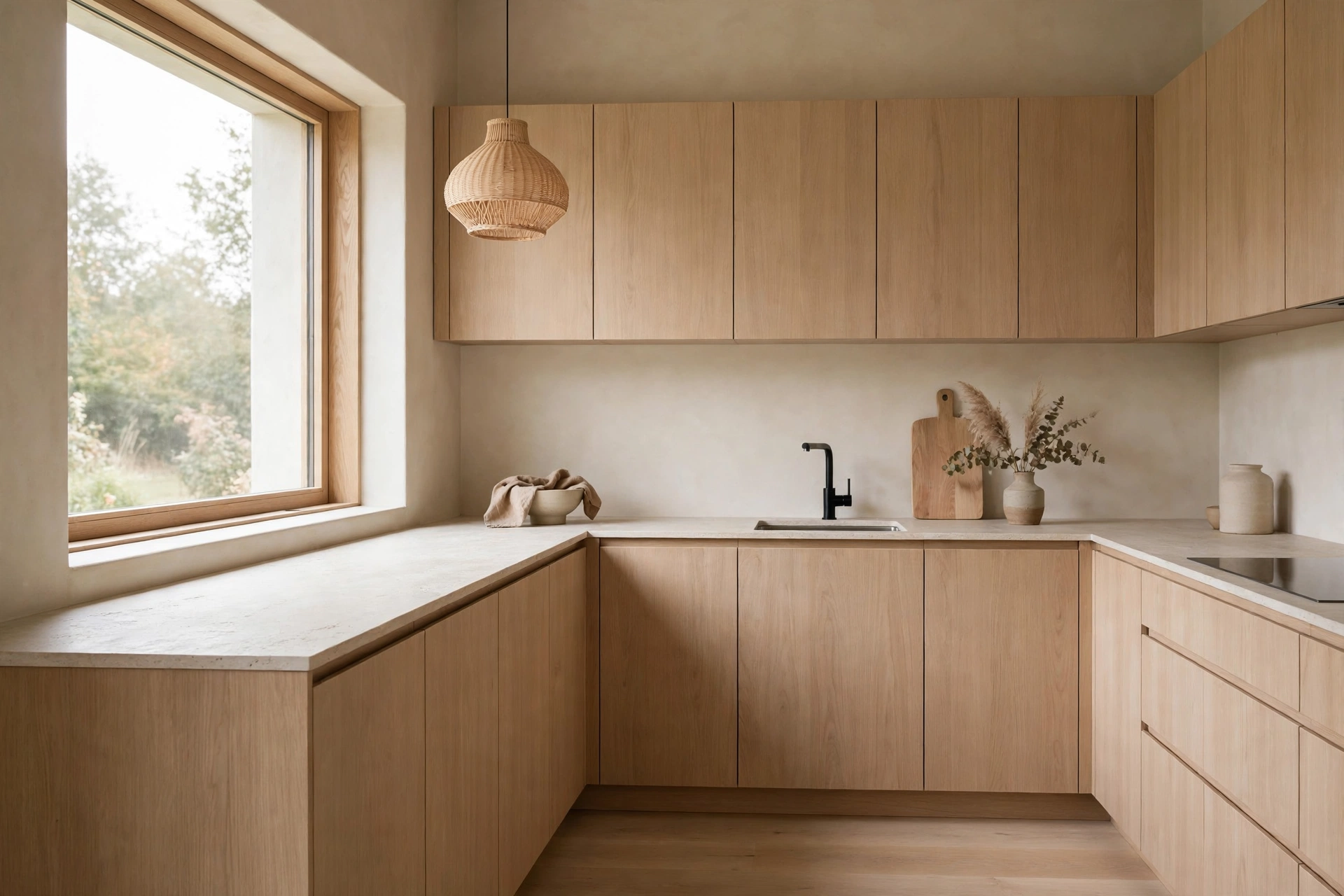
Begin with the foundation of every Japandi kitchen: flat-front cabinets in a pale, warm oak. The absence of raised panels and visible hardware lets the wood grain speak softly, creating long, unbroken lines that make even a modest kitchen feel expansive. Choose a white oak or light European oak with a matte finish, which keeps the tone warm without tipping into yellow.
For the most authentic Japandi look, run the cabinetry all the way to the ceiling to avoid dust-catching gaps and visual clutter. Pair the oak with pale stone counters and keep the countertop styling to a minimum — a single ceramic vase with one branch is all this quiet palette needs.
02. Waterfall Stone Island
A waterfall island in honed beige marble or travertine brings a sculptural calm to the center of the room. Because the stone cascades down both ends, the island reads as a single carved block rather than assembled furniture, which is exactly the seamless, grounded feeling Japandi design celebrates.
Keep the seating simple — low-profile oak or cane stools tucked underneath — and leave the island surface nearly bare. A honed finish resists the glare of polished stone and feels softer under morning light, while the natural veining adds just enough pattern to satisfy the eye without cluttering the mind.

03. Open Wood Shelving
Open shelving in light wood replaces a run of upper cabinets and instantly lightens a kitchen. In Japandi styling, the shelves themselves become a display: rows of handmade stoneware bowls, small ceramic cups, and a sprig of dried greenery arranged with breathing room between pieces.
The secret is discipline. Limit each shelf to a handful of objects and stick to a narrow palette of warm whites, oatmeal, and soft clay. When the shelves stay edited, the kitchen gains warmth and personality without sacrificing the calm that defines the style.

04. Rice Paper Pendant Lights
Glowing rice paper pendants, inspired by the classic Noguchi lantern, cast a soft, diffused light that flatters both food and faces. Hung low over an island in a cluster of two or three, they introduce an unmistakably Japanese note while keeping the overall look warm and welcoming.
Choose oversized, organic shapes rather than small fussy ones — the scale keeps them sculptural and modern. Pair them with dimmable warm bulbs so the kitchen transitions gently from bright daytime prep to a candle-soft evening glow.

05. Matte Black Fixtures on Warm Wood
A restrained dose of matte black — a slender faucet, a row of simple cabinet pulls, a pair of pendant cords — gives a pale Japandi kitchen just enough definition. The contrast sharpens the wood’s warmth without overwhelming the serene palette, like ink brushstrokes on washi paper.
Apply the rule of three: pick three black elements and repeat them thoughtfully across the room. When black is used sparingly and consistently, it reads as intentional graphic calm rather than heavy industrial contrast.

06. Handleless Hidden Storage
Handleless cabinetry with push-to-open fronts creates the seamless, monolithic walls that make Japandi kitchens feel so tranquil. Without pulls interrupting the oak grain, the entire run of storage reads as quiet paneling, and the eye can finally rest.
For drawers, choose integrated finger pulls routed into the top edge — they stay invisible from standing height while remaining practical for daily use. The result is a kitchen that looks serene but works hard, with every tool tucked away behind calm wooden fronts.

07. Cozy Breakfast Nook
A small round oak table tucked beside a window turns an ordinary kitchen corner into a ritual space. In Japandi style, the nook stays low and simple: a modest round top, two softly upholstered chairs in warm neutral linen, and a single cushion for comfort.
Anchor the nook with a slim paper pendant or a tiny ceramic vase holding one stem. Because the palette stays hushed, morning light does the decorating — the nook will feel different and lovely at every hour without a single extra object.

08. Natural Bamboo Accents
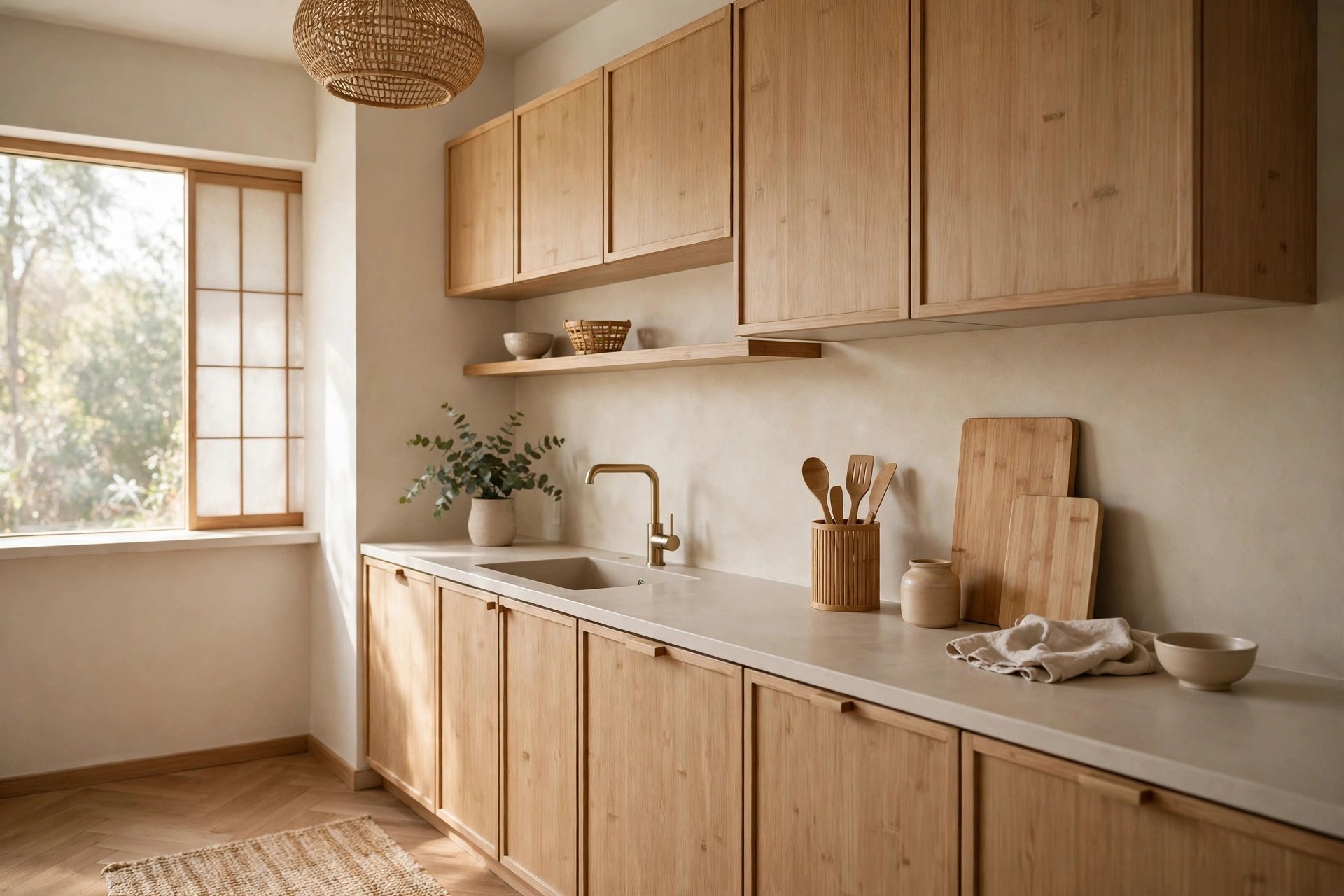
Bamboo brings a living, golden warmth to the kitchen in small, honest doses. A bamboo utensil holder, a set of cutting boards leaning against the backsplash, or a woven tray corraling oils by the stove all introduce natural texture that deepens beautifully with age.
Because bamboo is light and uniform in tone, it harmonizes effortlessly with pale oak cabinetry. Keep the pieces functional rather than decorative — in Japandi design, beauty comes from objects that earn their place through daily use.
09. Limewash Plaster Walls
Limewash or tadelakt-style plaster walls add a soft, cloudy depth that flat paint simply cannot match. In warm off-white or pale clay tones, the subtle mottling catches light differently throughout the day, giving the kitchen a quietly alive, handcrafted surface.
Pair plastered walls with smooth oak cabinetry to balance rough and refined textures. The combination is deeply calming — the Japanese love of wabi-sabi imperfection meeting the Scandinavian appreciation for natural materials — and it hides everyday wear far better than glossy finishes.

10. Sculptural Minimalist Range Hood
Instead of a stainless steel box, let the range hood become quiet sculpture. A plaster-clad or oak-wrapped hood with clean, simple geometry absorbs into the room rather than announcing itself, keeping the sightlines calm above the cooktop.
Choose a warm, matte finish that matches the surrounding walls or cabinetry so the hood reads as architecture, not appliance. The result is a kitchen where even the hardest-working equipment contributes to the serenity.

11. Flowing Oak Dining Table
In many Japandi homes, the kitchen island extends or transitions directly into a light oak dining table, erasing the boundary between cooking and gathering. The continuous wood surface makes the room feel larger and more communal, as if the whole space were carved from one material.
Match the table height to the island for a seamless line, or drop it slightly to dining height for contrast. Keep chairs simple — light oak or softly upholstered in warm neutrals — so the long, calm plane of wood remains the star.

12. Woven Rattan Bar Stools
Woven rattan or cane bar stools soften a stone island with handcrafted texture. The open weave keeps them visually light, so they add warmth and tactility without bulk — an ideal balance for a kitchen that values airiness.
Look for stools with light oak legs to tie them into the cabinetry, and choose seats in natural honey or warm beige tones. Three stools along a standard island create a gentle rhythm; two feel more intimate and minimal.

13. Travertine Backsplash
A full-height travertine backsplash brings warm, honeyed stone texture to the wall behind the range and sink. Its soft pits and natural variation add the wabi-sabi character Japandi design loves, while the warm tones glow under natural light.
Use large-format slabs rather than small tiles to minimize grout lines and keep the surface calm. Sealed travertine is practical for daily splashes, and its timeless look means the kitchen will feel fresh for decades.

14. Fully Integrated Appliances
Hide the refrigerator, dishwasher, and even the microwave behind light oak panels so the kitchen reads as pure, uninterrupted wood. Fully integrated appliances are one of the most powerful Japandi moves — they remove every visual interruption from the calm palette.
Plan panel-ready models from the start and align the panel reveals with the cabinetry for invisible seams. The kitchen will feel less like a workshop and more like a serene living space, which is precisely the point.

15. Serene Tea Ceremony Corner
Honor the Japanese half of Japandi with a dedicated tea corner: a low wooden table, two floor cushions, a cast-iron teapot, and a small tray of cups arranged with intention. Even a quiet kitchen nook can hold this little ritual zone.
Keep everything within arm’s reach — a small shelf for teas above, a kettle below — so the corner works as gracefully as it looks. This single vignette gives the whole kitchen a sense of purpose and slowness that no decor alone can achieve.

16. Shou Sugi Ban Accent Island
One dramatic note of shou sugi ban — charred Japanese cedar — grounds a pale kitchen with deep, textured darkness. Used on a single island while the perimeter cabinets stay light oak, the contrast is striking yet still natural and calm.
The charred finish is also remarkably practical: it resists moisture and wear, making it ideal for the hardest-working surface in the room. Let it be the only dark element so it reads as intentional art rather than heavy contrast.

17. Softly Rounded Island
Softening the island’s corners into gentle curves introduces a sense of flow and ease that sharp rectangles lack. A rounded light-oak island with a stone top feels welcoming and organic, inviting people to gather around it without the formality of hard edges.
Curved forms also improve how the kitchen moves — no sharp corners to bump in a busy morning. Pair the island with low, rounded stools and a soft paper pendant above to complete the gentle, cloud-like composition.

18. Floor-to-Ceiling Pantry Wall
A full wall of floor-to-ceiling oak pantry doors gives a Japandi kitchen enormous hidden storage while looking like quiet wood paneling. Everything — dry goods, small appliances, cleaning supplies — disappears behind calm fronts, leaving counters completely clear.
Use the tallest doors you can and align their reveals in a simple grid. Inside, fit deep pull-outs and adjustable shelving so the generous storage stays organized. This is minimalism that actually makes daily life easier, not harder.

19. Shoji-Inspired Sliding Doors
Sliding doors of light oak and translucent rice paper, inspired by Japanese shoji screens, can close off a pantry, a laundry corner, or even the whole kitchen. They save swing space while adding one of the most beautiful light-filtering elements in design.
The paper panels glow when lit from behind, turning a plain storage wall into a luminous feature. Use them where you want separation without heaviness — the kitchen stays connected to the home even when closed.

20. Warm White Quartz Counters
Warm white quartz with faint, soft veining offers the practicality of an engineered surface in a palette that feels anything but cold. Unlike stark white, the warm undertone harmonizes with oak cabinetry and keeps the kitchen feeling sunlit rather than clinical.
Choose a matte or honed finish to avoid glare and let the surface sit quietly beside natural stone elsewhere in the room. It is nearly maintenance-free, which suits the Japandi ideal of a kitchen that stays beautiful with minimal effort.

21. Curated Ceramic Display Niche
A shallow built-in niche in the wall, lined with light oak, becomes a tiny gallery for handmade ceramics. Unlike open shelves that run the whole wall, a niche frames just a few treasured pieces — a stoneware bowl, a small vase, a tea cup — like art in a museum.
Add a single warm spotlight inside the niche so the ceramics glow softly in the evening. Because the display is contained and intentional, it adds soul to the kitchen without a hint of clutter.

22. Deep Stone Sink with Minimal Faucet
A deep, single-basin sink in honed stone or warm white composite pairs with a slim, architectural faucet for a workstation that feels calm and capable. The generous basin swallows large pots and baking sheets, keeping the surrounding counter clear.
Choose a faucet in brushed brass or matte black with clean, simple lines — no bulky spray heads or ornate curves. This quiet pairing turns the most-used spot in the kitchen into a moment of understated design.

23. Open Oak Pantry
Beside the main cabinetry, a tall open oak pantry with neatly arranged glass jars, ceramic canisters, and folded linens brings warmth and honesty to the kitchen. When everyday staples are beautiful, there is no need to hide them.
The key is uniformity: decant dry goods into matching jars and keep labels minimal. Styled with restraint, an open pantry becomes one of the most charming features in a Japandi kitchen — proof that order itself is beautiful.

24. Rice Paper Window Shades
Rice paper roller shades filter harsh sunlight into a soft, even glow while preserving privacy. They are the Japandi answer to heavy curtains or cold aluminum blinds — warm, natural, and beautifully simple.
Mount them inside the window frame for a clean look, and pair them with a light oak sill holding a single ceramic vase. The diffused light they create flatters the entire kitchen, making oak and stone look their absolute best.

25. Low-Profile Studio Kitchenette
Japandi style is made for small spaces. A low-profile kitchenette with a single run of light oak units, a compact stone counter, and no upper cabinets keeps a studio feeling open and airy instead of cramped.
Conceal the essentials — a slim dishwasher drawer, an induction cooktop, a hidden range hood — and let the few visible objects be beautiful. In a small footprint, the Japandi discipline of “less, but better” pays off enormously.

26. Butcher Block Island Top
A thick butcher block top in pale oak turns the island into a warm, tactile work surface that invites touch. Unlike stone, wood feels warm under the hands and develops a gentle patina that tells the story of meals shared.
Oil the block regularly with food-safe finish to keep it glowing, and style it minimally — a wooden board, a ceramic bowl of fruit, a folded linen towel. The island becomes the heart of the kitchen in the most literal, welcoming sense.

27. Kitkat Tile Backsplash
Slim kitkat finger tiles in warm beige, laid vertically with soft charcoal grout, add fine vertical texture behind the range. The slender tiles catch light along their edges, creating a subtle rhythm that feels both modern and handcrafted.
Run them from counter to ceiling for maximum calm and minimum grout-line busyness. The vertical lines draw the eye upward, making the kitchen feel taller, while the warm tone keeps everything grounded and cozy.

28. Alcove Coffee Station
Carve a small alcove into the cabinetry for a dedicated coffee ritual: a wooden shelf holding a ceramic pour-over set, a gooseneck kettle, and a few beautiful cups. Contained in its own niche, the station stays tidy and feels like a tiny café corner.
Line the alcove in light oak and add a warm under-shelf light so the ceramics glow. By giving coffee its own home, the main counters stay clear — and the morning ritual gains a sense of ceremony.

29. Floating Oak Shelves
A pair of thick floating oak shelves, styled with just a few stoneware cups and a small trailing plant, adds warmth above a counter without the weight of full cabinets. The thick profile reads as solid and architectural rather than flimsy.
Keep the styling to three or four objects per shelf and leave generous negative space. Floating shelves work best in Japandi kitchens when they hold the everyday beautiful things you actually reach for — not precious objects kept behind glass.

30. Stone-Look Porcelain Floor
Large-format porcelain tiles in warm sand tones give the kitchen the look of natural stone with the practicality of porcelain. The expansive tiles with minimal grout lines keep the floor calm and continuous, letting it flow under the cabinetry like quiet earth.
Choose a matte finish with subtle tonal variation to avoid a flat, printed look. Paired with light oak cabinets above, the warm floor grounds the whole room in natural, earthy serenity.

31. Skylight Over the Island
A skylight directly above the island floods the kitchen’s center with soft, even daylight — the single most transformative light a kitchen can have. Under it, oak and stone look richer, colors read truer, and the whole room breathes.
Keep the skylight shaft clean and plastered in warm white so it disappears into the ceiling. In the evening, a paper pendant takes over the same spot, so the island stays the glowing heart of the room around the clock.

32. Built-In Wooden Banquette
A built-in oak banquette along one kitchen wall creates an intimate dining spot that feels crafted rather than furnished. With linen cushions in warm neutrals and a small oak table, it turns an empty wall into the coziest corner of the home.
Add hidden storage inside the bench seat for linens or rarely used serveware — Japandi design loves furniture that works twice as hard. A small window above the banquette completes the nook with natural light and a view.

33. Wood Slat Accent Wall
Vertical light-oak slats behind the island or along one wall add rhythmic texture that makes a calm kitchen feel designed rather than plain. The narrow gaps between slats create shadow lines that shift softly through the day, adding quiet visual interest.
Keep the slats in the same oak tone as the cabinetry so the wall reads as an extension of the kitchen rather than a separate feature. Used sparingly on one surface, it becomes the room’s gentle focal point without any loudness.

34. Pocket Doors to the Garden
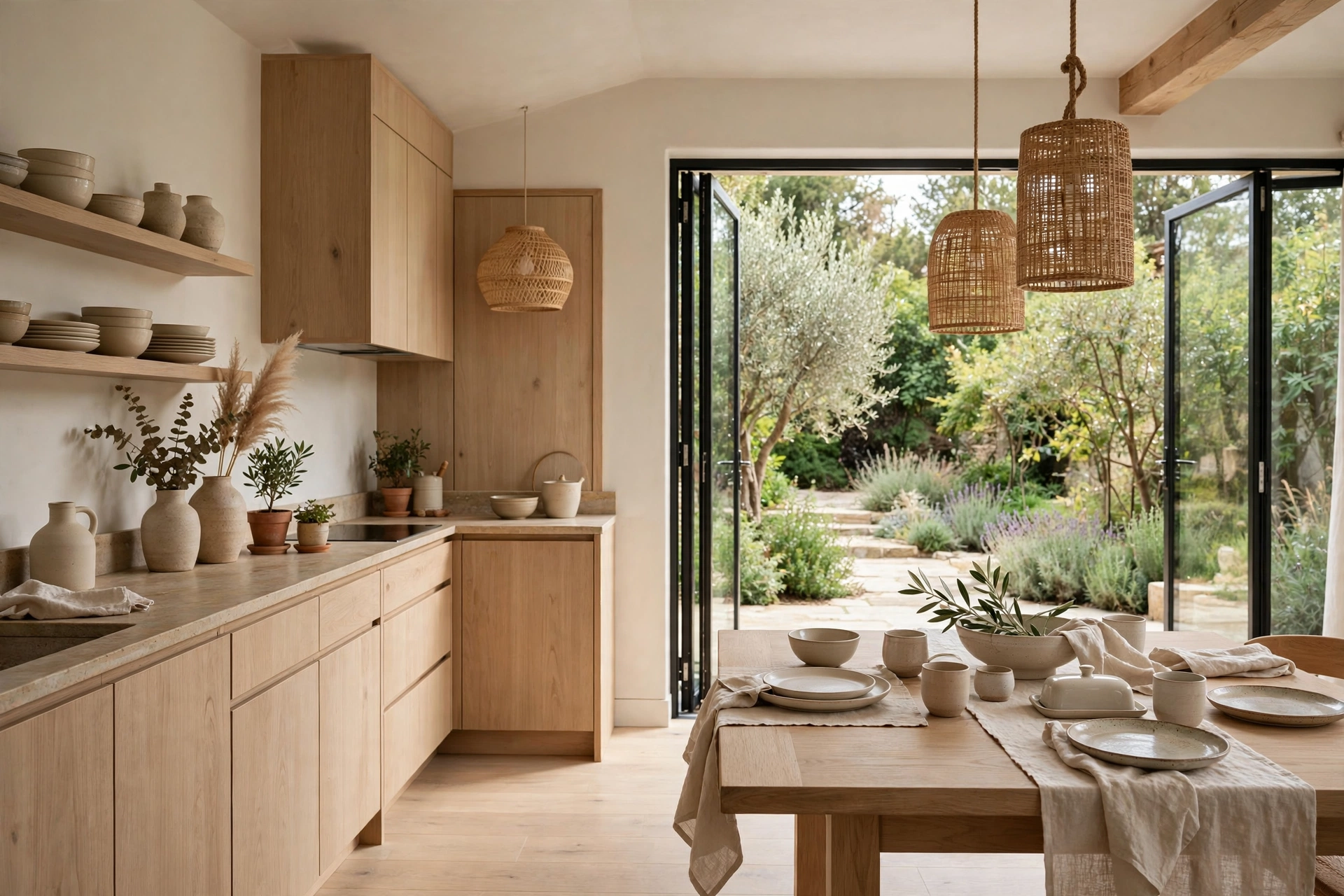
Large pocket glass doors that slide away completely erase the line between kitchen and garden. When open, the kitchen extends into nature — the ultimate Japanese ideal of living with the outdoors — and everyday cooking feels connected to the seasons.
Choose slim, dark or oak-framed doors with minimal mullions to maximize glass. Even when closed, the garden view becomes the kitchen’s artwork, changing daily and costing nothing to maintain.

35. Minimal Brushed Brass Hardware
Where hardware is needed, brushed brass adds a whisper of warmth that flatters oak and stone alike. Small, simple bar pulls or round knobs in a soft champagne tone feel elegant and timeless against pale wood.
Use brass sparingly — on a pantry door or the island drawers only — so it reads as jewelry rather than trim. The muted finish develops a gentle patina over time, aging gracefully in true wabi-sabi spirit.

36. Two-Tone Oak and Warm White
Pair light oak lower cabinets with warm white uppers for a two-tone kitchen that feels light above and grounded below. The combination keeps the room bright while the oak base adds the natural warmth Japandi kitchens need.
Make sure the white is genuinely warm — think ivory or warm chalk — so it harmonizes with the oak instead of clashing. This classic split is forgiving, timeless, and easy to live with for years.

37. Terracotta Herb Pots
A row of small terracotta pots with fresh herbs on the windowsill brings living green and earthy clay into the kitchen in the gentlest way. Basil, thyme, and rosemary add scent and flavor while softening the hard lines of cabinetry and stone.
Choose simple, unglazed pots in matching sizes for a calm, collected look. The herbs ask for a little daily attention — watering, snipping — which suits the Japandi philosophy of finding ritual in ordinary tasks.

38. Curved Plaster Range Hood
A range hood with softly curved, plastered edges feels more like sculpture than appliance. The gentle radius catches light beautifully and eliminates the harsh corners that can make a kitchen feel cold or industrial.
Finish it in the same warm plaster as the walls so it melts into the architecture. Above a cooktop framed by travertine and oak, this hood becomes a quiet masterpiece — proof that even ventilation can be serene.

39. Indoor-Outdoor Dining Flow
Extend the kitchen’s dining area straight out to a terrace with a light oak table set in linen and handmade ceramics. When the threshold disappears, meals naturally stretch longer and the kitchen gains an entire second room in warm weather.
Keep the outdoor styling as calm as the indoor — neutral linens, simple stoneware, one low arrangement of greenery. The continuity of materials makes inside and outside feel like a single, breathing space.
40. Zen Garden Picture Window
A large picture window framing a small zen garden — raked gravel, a few stones, one sculptural plant — turns the kitchen’s view into a living meditation. Washing dishes or prepping dinner becomes a quieter act with this serene backdrop.
Keep the window surround simple in light oak and leave the sill nearly bare, perhaps with a single ceramic cup. The garden outside does all the decorating, and it asks for almost nothing in return.

41. Monochrome Warm Neutral Palette
Commit to a single family of warm neutrals — ivory plaster, greige oak, cream stone — and let tonal layering do all the work. Without any contrasting color, the kitchen becomes a study in texture: smooth stone against grained wood, matte plaster beside honed quartz.
This monochrome approach is surprisingly forgiving. Because everything shares the same warm undertone, pieces from different makers and materials sit together peacefully, and the room feels curated even as it evolves over time.

42. Low-Profile Island with Oak Stools
A low, wide island paired with low oak stools creates a kitchen that feels grounded and approachable rather than tall and imposing. The lower sightlines keep conversation easy and make the room feel more like a living space than a workspace.
Finish the island in warm beige lacquer or pale oak with a stone top, and choose backless stools that tuck fully underneath. The clean, low profile leaves the upper half of the room open to light and air.

43. Sculptural Wood Slat Ceiling
Light wood slats running across the ceiling above the island turn an often-ignored surface into quiet architecture. The slats add rhythm and warmth overhead, drawing the eye up and making the kitchen feel taller and more considered.
Keep the rest of the ceiling plain warm white so the slatted zone reads as a deliberate canopy over the island. Paired with a paper pendant hanging through the slats, the effect is warm, textural, and unmistakably Japandi.

44. Serene Table Styling
Finish with the smallest gesture: a folded linen napkin, a handmade ceramic plate, and a simple wooden tray arranged on the island. Japandi table styling is about restraint — a few beautiful objects with space to breathe, set out with intention.
Use this vignette as your kitchen’s signature. Refresh it seasonally — a branch in spring, a small pumpkin in autumn — and the whole room will feel alive and cared for, proof that serenity lives in the details.

Final Thoughts
A Japandi kitchen is not about following a formula — it is about choosing calm, natural materials and letting them shine through restraint. Whether you borrow one idea, like rice paper pendants or a waterfall stone island, or embrace the full philosophy of quiet minimalism, each of these 44 designs brings you closer to a kitchen that feels peaceful every single day. Start with what you love, keep only what you use, and let the serenity follow.